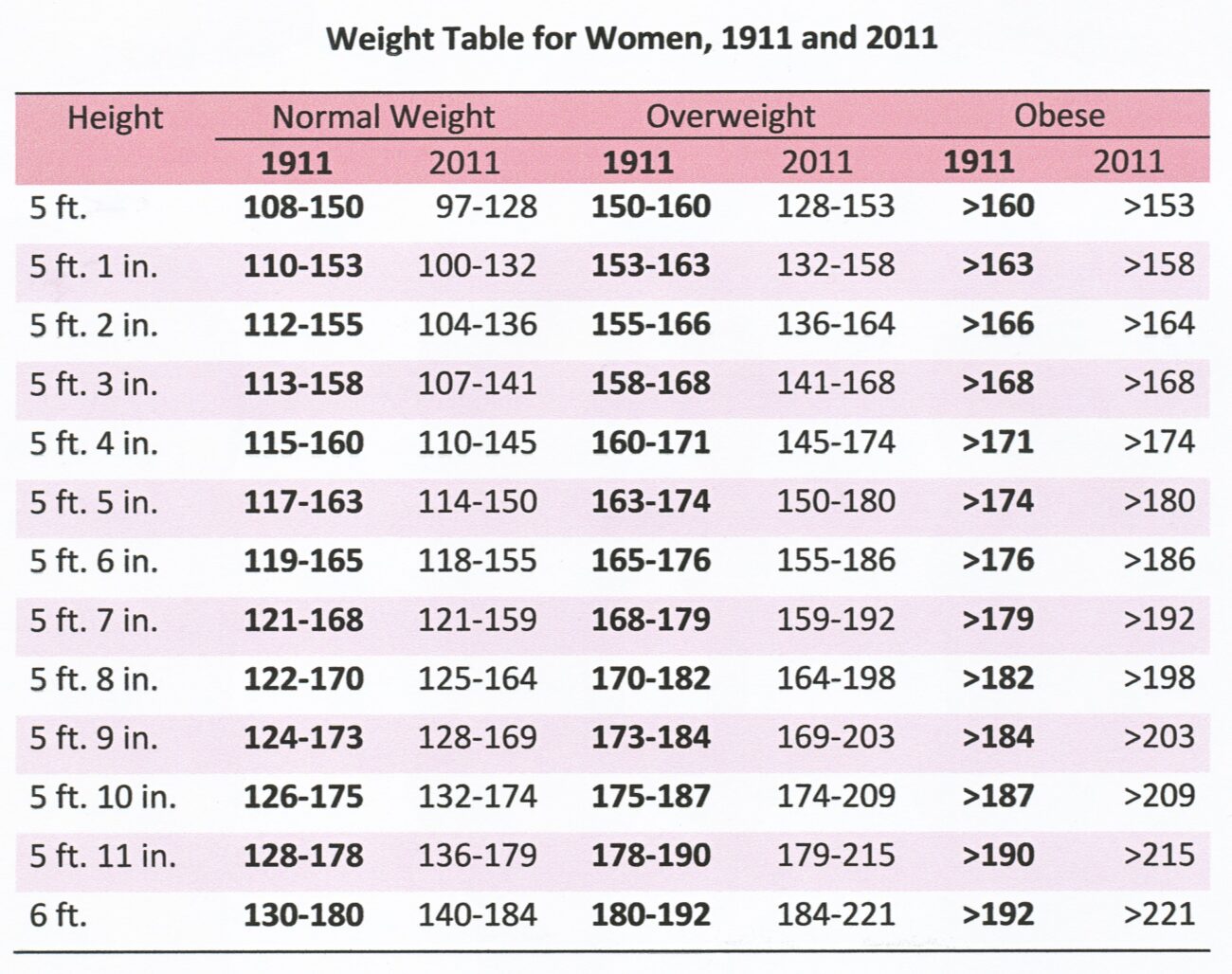
Understanding your body and maintaining a healthy weight can be a journey filled with questions. One valuable tool to help you along the way is the Women’s Age Weight Chart. This chart provides a clear visual representation of the weight ranges that are generally considered healthy for women at different ages. It can serve as a guide for personal health goals, helping you make informed decisions about your wellness journey.
What is the Women’s Age Weight Chart?
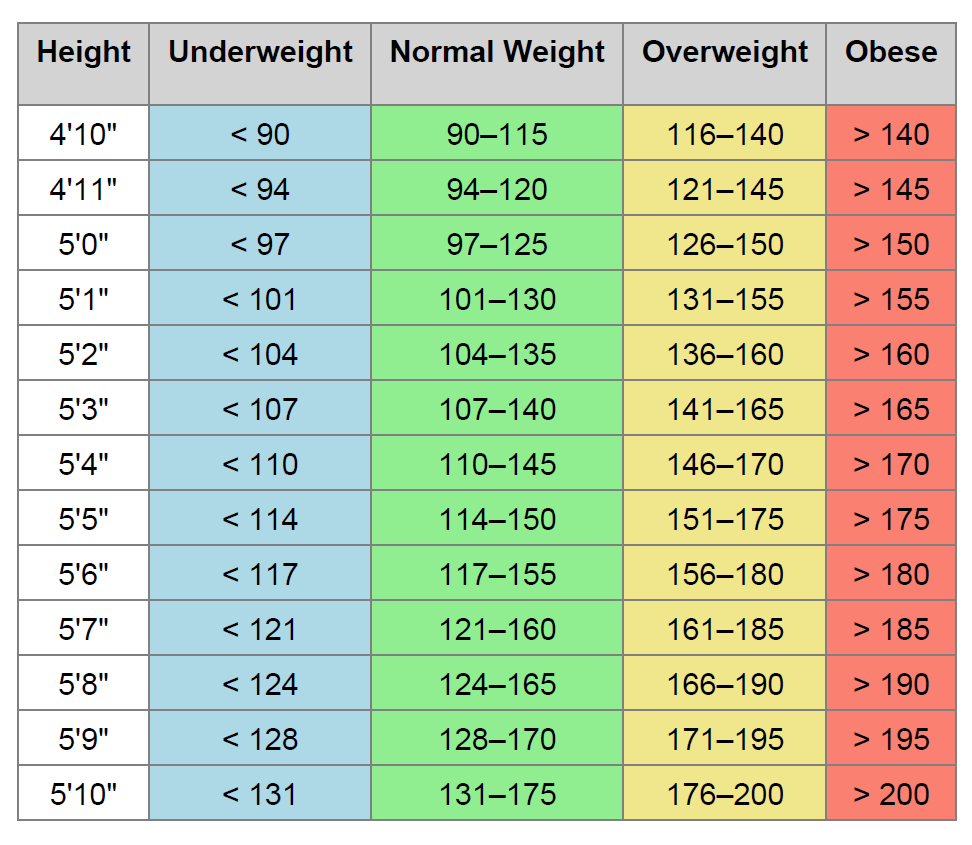
The Women’s Age Weight Chart is a straightforward resource that lists weight ranges correlated with various age groups. This chart can help you understand where you stand within those ranges and can be beneficial for tracking changes over time. Typically, these charts are based on averages and can vary slightly depending on the source, but they offer a solid foundation for assessing whether your weight is within a healthy range for your specific age.
When using this chart, you’ll find height and weight listed side by side. It allows you to see how weight is expected to change as you age, which can be particularly useful during significant life transitions like pregnancy, menopause, or even just as you approach different life stages.
How to Use the Women’s Age Weight Chart
Using the Women’s Age Weight Chart is relatively straightforward, but understanding how to interpret it can enhance its usefulness. Here’s how you can make the most out of this resource:
- Identify Your Age Group: Start by locating your age range on the chart. This is crucial as weight recommendations can significantly differ across different life stages.
- Check Your Height: Find your height on the left or top side of the chart. Many charts will have a grid layout, making it easy to see where your height intersects with your age.
- Read the Weight Range: Once you find your age and height, look across the chart to see the corresponding weight range. This range gives you an idea of what a healthy weight looks like for you.
- Track Over Time: If you’re monitoring your health, consider printing the chart and keeping notes on your weight over time. This can help you visualize trends and make adjustments if necessary.
- Consult with a Professional: While the chart can provide a general guideline, it’s always a good idea to consult with a healthcare provider for personalized advice.
The Importance of Context in Weight Management
While the Women’s Age Weight Chart provides essential guidelines, it’s important to remember that weight is just one aspect of overall health. Factors such as muscle mass, body composition, and lifestyle habits also play a critical role. Here’s why context matters:
- Body Composition: Muscle weighs more than fat, so two individuals of the same weight can have different health profiles. A fitness-focused woman may weigh more than the chart suggests but be healthier due to higher muscle mass.
- Metabolism Changes: As women age, their metabolism can change, affecting how they store fat and build muscle. This means that weight targets should be flexible and based on individual circumstances.
- Health Conditions: Certain medical conditions can influence weight. Always consider personal health history when using the chart to guide your weight management journey.
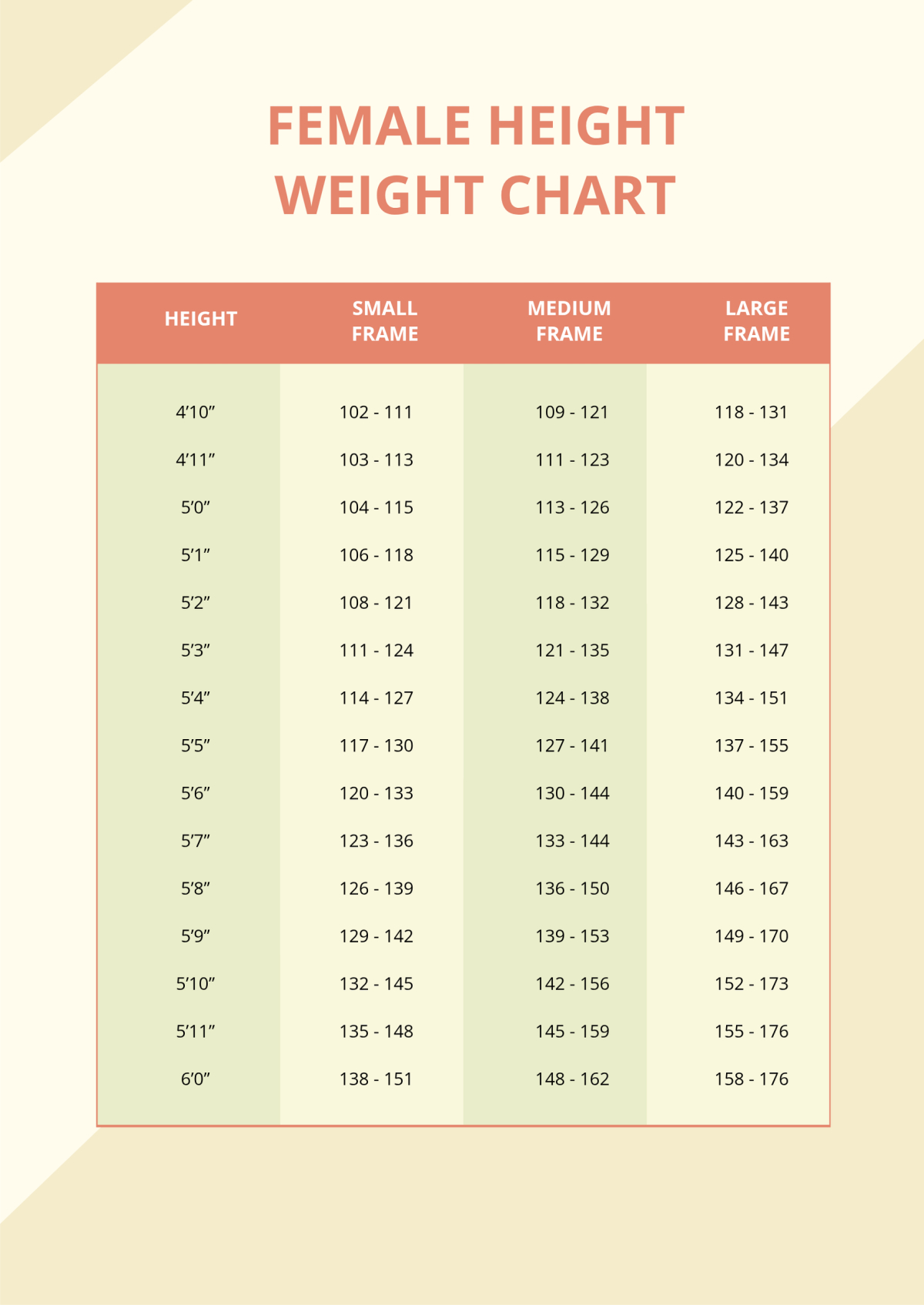
Where to Download and Print the Women’s Age Weight Chart
Finding a reliable source for the Women’s Age Weight Chart is essential. Many printable-resource websites offer these charts for free. Here’s how to find and use one effectively:
- Search for Reliable Sources: Look for health-focused websites, government health agencies, or reputable fitness platforms that provide downloadable resources. Ensure the source is credible.
- Select the Appropriate Format: Most charts will be available in PDF format, which is ideal for printing. PDFs maintain their formatting and are generally easy to print without resizing issues.
- Choose the Right Paper: For durability, consider printing on cardstock, especially if you plan to keep it in a frequently used location, like your kitchen or home gym.
- Print Settings: Use standard letter size (8.5” x 11”) for easy printing. Ensure that your printer settings are adjusted for high quality to ensure readability.
- Use It Regularly: After printing, keep the chart accessible. You might want to attach it to your refrigerator or your workout area to remind you of your goals.
