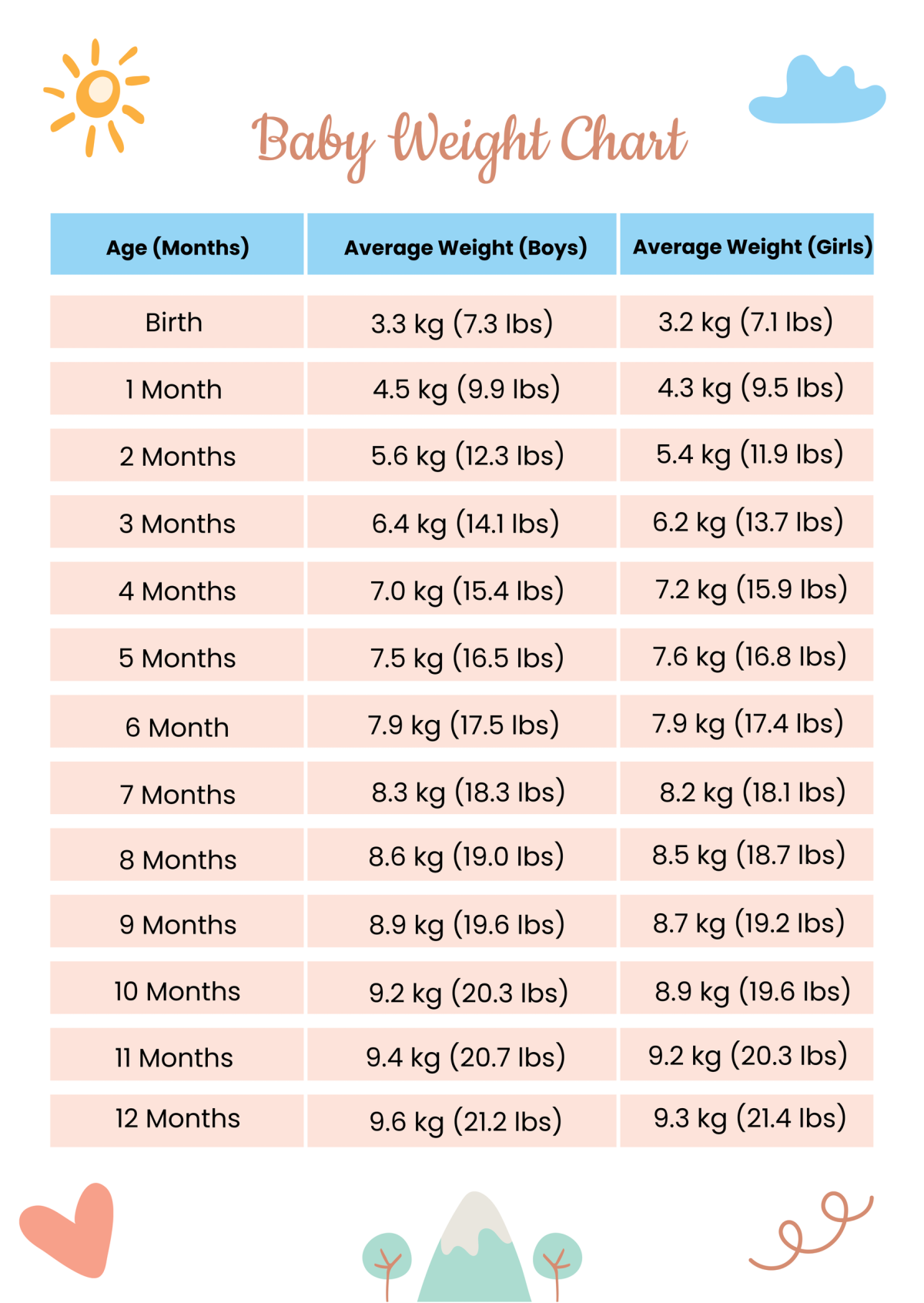
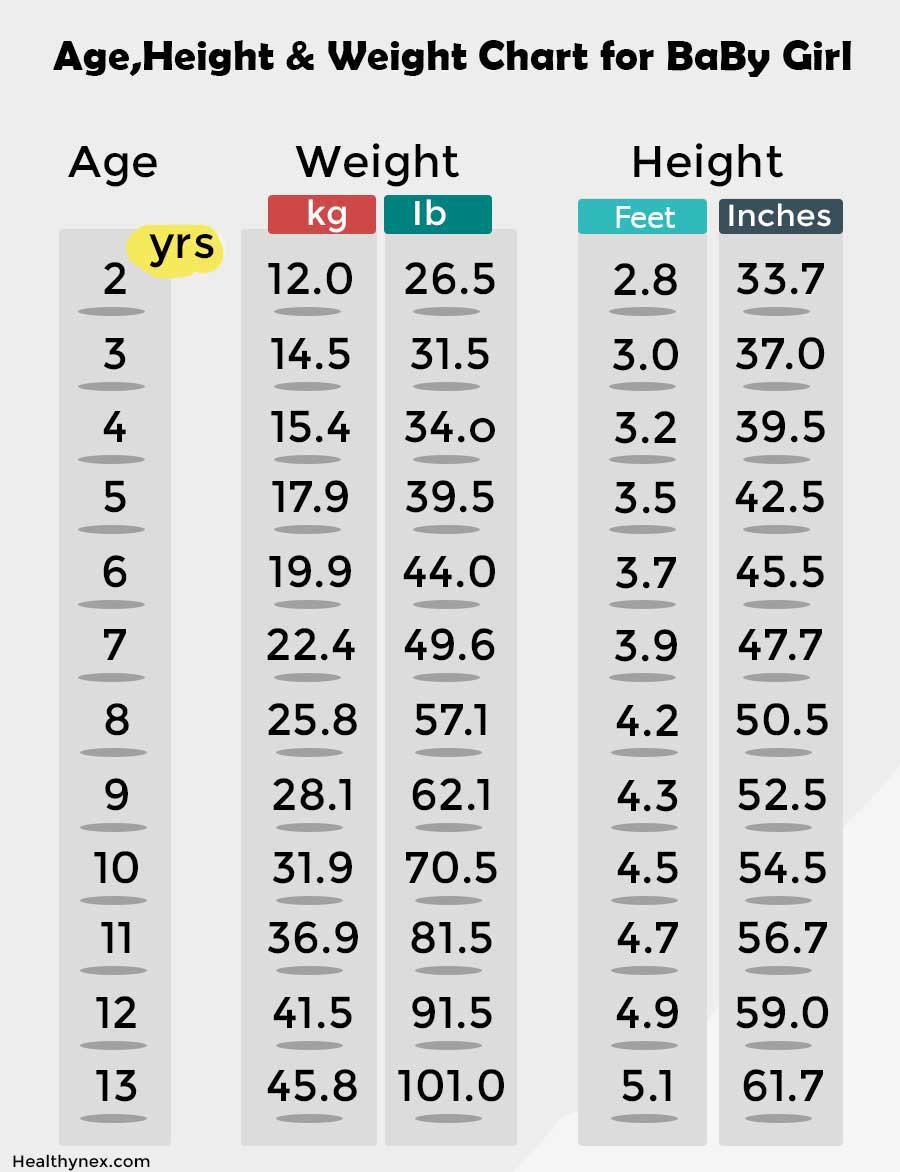
Understanding your baby’s growth is crucial, and that’s where the Age To Weight Chart For Infants comes in handy. It provides a clear visual representation of expected weight ranges based on your infant’s age, helping you track their development effectively. This chart isn’t just a collection of numbers; it’s a tool that can guide your parenting decisions and conversations with healthcare providers.
The Importance of Tracking Infant Growth
Tracking your infant’s growth is essential for their health and development. Pediatricians often use growth charts to assess whether a child is growing at a healthy rate. The Age To Weight Chart For Infants specifically focuses on weight, which is a key indicator of overall health. Consistent monitoring allows you to identify any potential concerns early, ensuring that your child receives the necessary care and support.
You might be wondering how often you should check your baby’s weight. Generally, it’s good practice to weigh your infant during regular pediatric visits, which typically occur every few months during the first year. However, having your own chart at home can help you keep an eye on their progress between appointments.
How to Read the Age To Weight Chart
The Age To Weight Chart For Infants typically displays age along the horizontal axis and weight on the vertical axis. Each point on the chart represents a specific weight for a given age, often categorized by percentiles.
- Percentiles: These indicate how your baby compares to others. For example, if your child is in the 50th percentile for weight, they weigh more than 50% of infants of the same age.
- Age Ranges: The chart usually includes age ranges from birth up to 24 months. It’s important to look for the specific age range applicable to your infant.
When using the chart, find your infant’s age, then look up the corresponding weights. This will help you determine if your baby is on track, underweight, or overweight.
Digital Vs. Printable: Which is Best for You?
When it comes to using the Age To Weight Chart For Infants, you have the option of using a digital format or a printable version. Each has its own benefits, and the choice largely depends on your personal preference and routine.
Digital Format
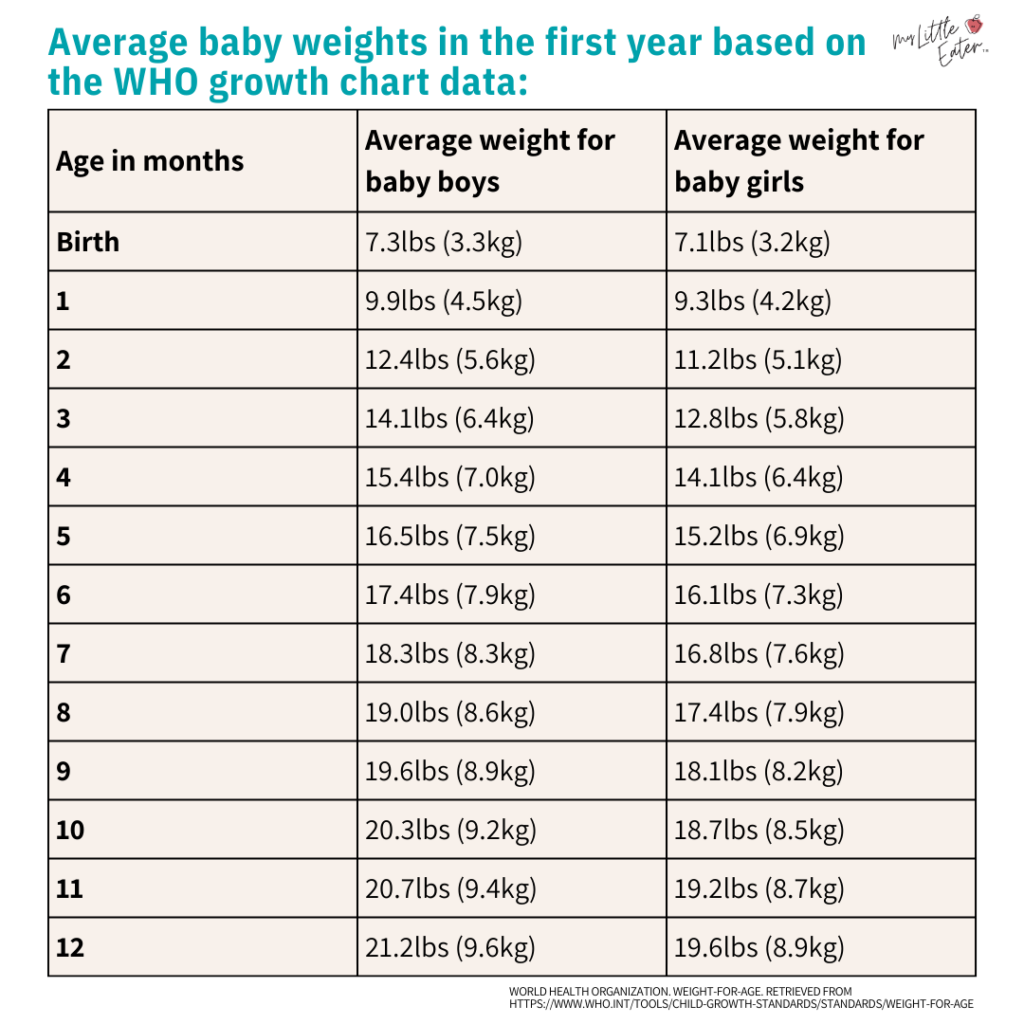
Using a digital version allows for easy access wherever you are. You can fill in your infant’s weight directly on your device, making it convenient to track changes over time. Many parents find this method useful because they can quickly share the information with healthcare providers during virtual appointments or check-ups.
Printable Format
On the other hand, a printable format offers a tactile experience. You can print the chart and keep it in a binder or on the fridge, making it easy to reference during daily routines. Writing down your infant’s weight by hand can also make it feel more personal and engaging. If you choose to print the chart, consider using cardstock for durability, especially if you plan to laminate it for long-term use.
Using the Chart in Your Routine
Integrating the Age To Weight Chart For Infants into your routine can simplify tracking your baby’s growth. Here are some practical tips:
- Weekly Weigh-Ins: If your baby is under six months old, consider weighing them weekly, as their growth is rapid during this time. After six months, monthly weigh-ins should suffice.
- Documenting Changes: Write down your infant’s weight along with the date on the chart. This will help you visualize their growth over time.
- Consult with Professionals: Bring the chart to pediatric appointments. Discuss any concerns about your child’s growth patterns with your doctor, who can provide additional insights or recommendations based on the data you’ve collected.
Understanding Variations in Growth Patterns
It’s important to remember that every baby is unique, and growth patterns can vary widely. Some infants may be smaller or larger than the average, which is perfectly normal. Factors such as genetics, nutrition, and overall health can influence growth.
If your baby consistently falls below the 5th percentile or above the 95th percentile, it may be worthwhile to consult with a pediatrician. They can help evaluate any underlying issues and provide guidance tailored to your child’s needs.
Additional Resources for Parents
In addition to the Age To Weight Chart For Infants, consider utilizing other resources to support your infant’s health. Here are a few suggestions:
- Growth Tracking Apps: These apps allow you to log your baby’s weight and growth milestones digitally, offering reminders for weigh-ins and check-ups.
- Parenting Blogs: Reading about other parents’ experiences can provide helpful tips and emotional support as you navigate the challenges of infancy.
- Pediatric Nutrition Guides: These can help you understand the best feeding practices to support your child’s growth and overall health.
By incorporating the Age To Weight Chart For Infants into your regular routine and utilizing additional resources, you can ensure that your baby is growing and thriving. The most useful detail to remember is that consistent tracking and open communication with your healthcare provider are the best ways to support your infant’s healthy development.
