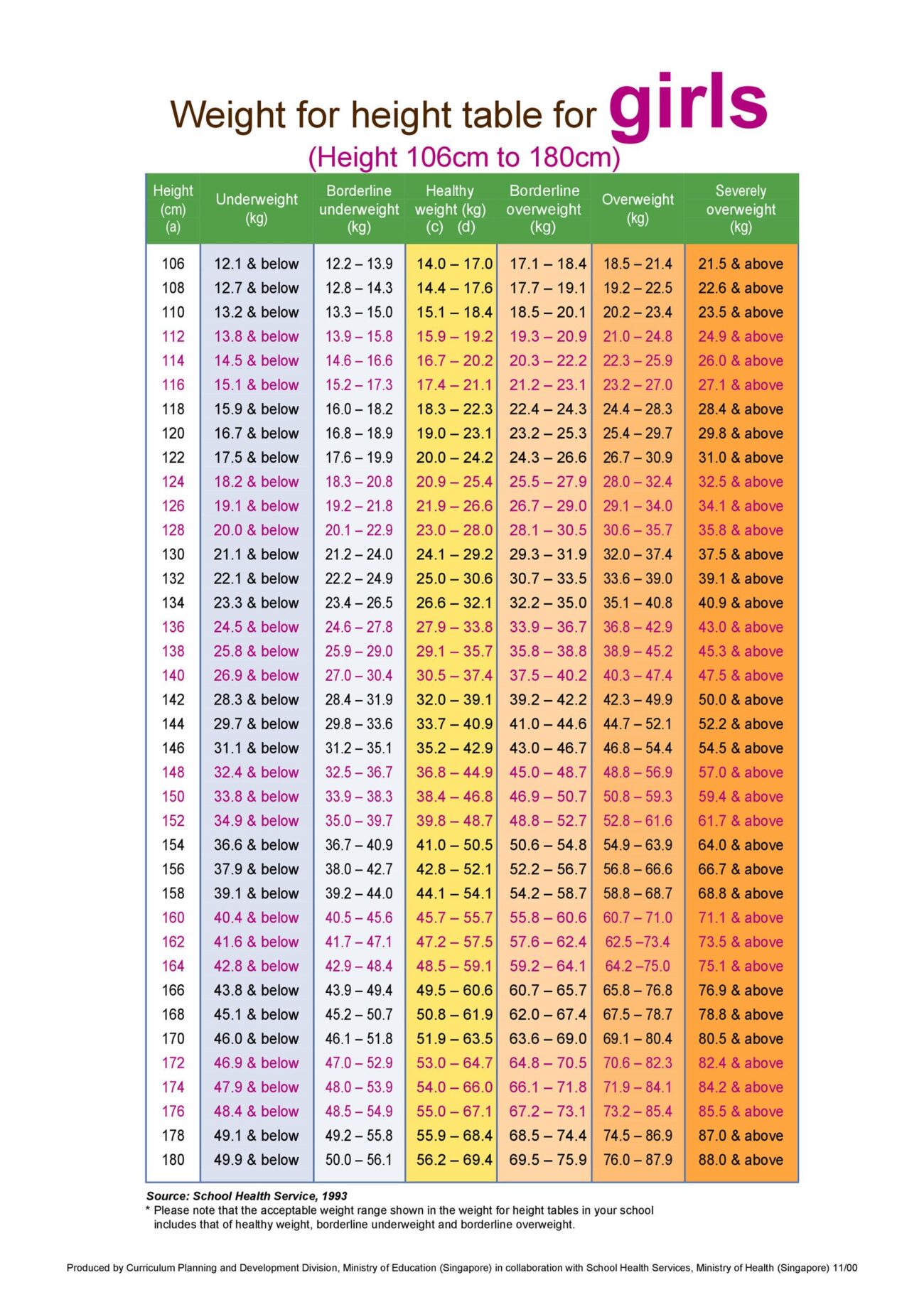
Tracking your health can feel overwhelming, but a simple Woman Height And Weight Chart can make a significant difference. This chart serves as a straightforward tool to help you understand the appropriate weight range for different heights, which is especially useful for parents looking to monitor their children’s growth or for anyone aiming to maintain a healthy lifestyle. Let’s explore how to use this chart effectively and what it can offer.
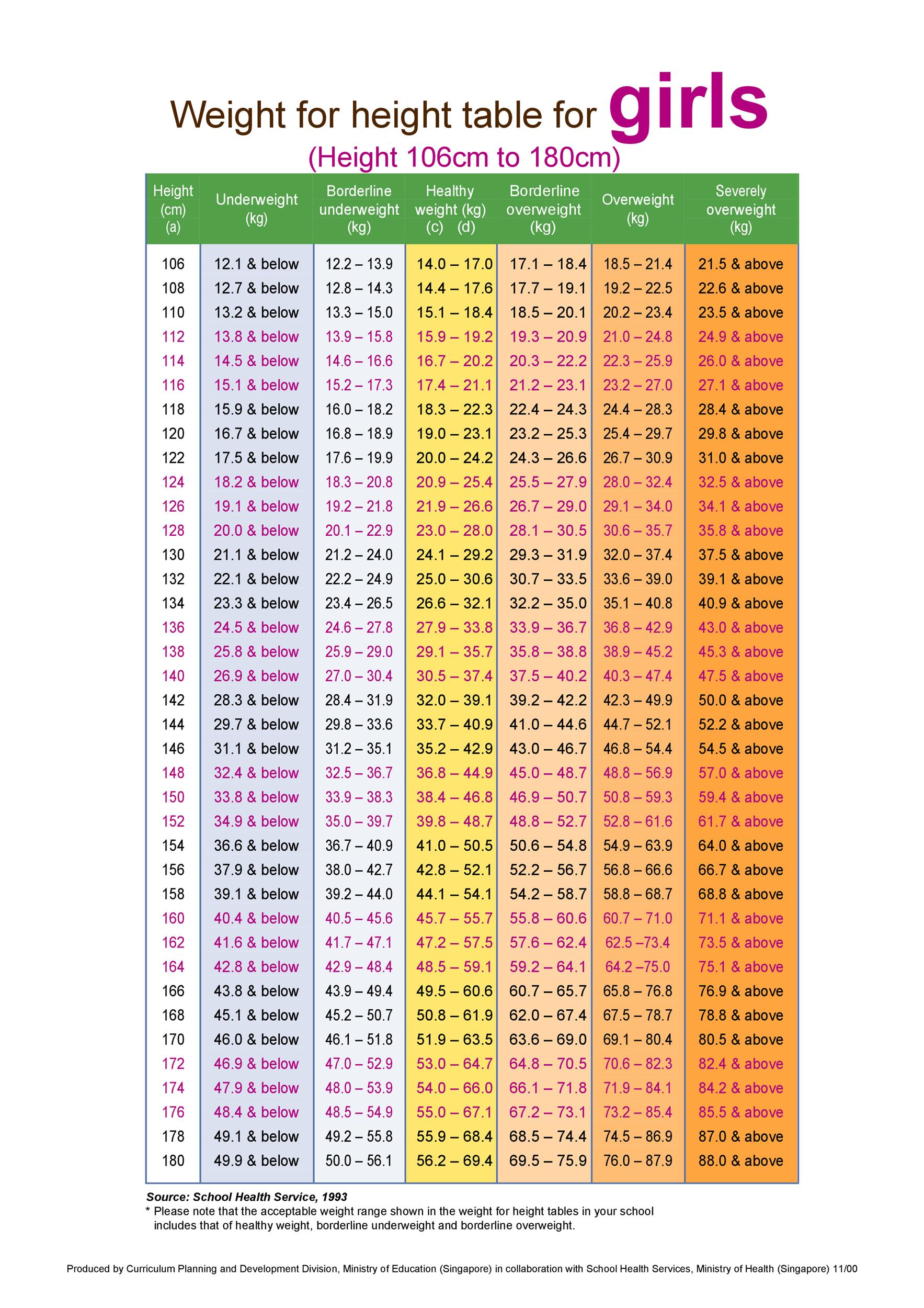
What is a Woman Height And Weight Chart?
A Woman Height And Weight Chart is a visual guide that outlines the healthy weight range associated with various heights for women. Typically, these charts are based on Body Mass Index (BMI) calculations, which consider height and weight to determine whether an individual falls within a healthy range. This resource is beneficial for personal tracking and serves as a reference for healthcare discussions.
How to Read the Chart
Understanding how to read the Woman Height And Weight Chart is essential for utilizing it effectively. Here’s a simple breakdown:
- Locate Height: Find the height measurement in the left column. Heights are usually listed in both feet/inches and centimeters.
- Check Weight Range: Move across the row to see the corresponding weight range. This range typically includes the minimum and maximum weights considered healthy for that height.
- BMI Considerations: Recognize that while BMI is a useful indicator, it doesn’t account for muscle mass, bone density, or overall body composition.
Example of Heights and Weights
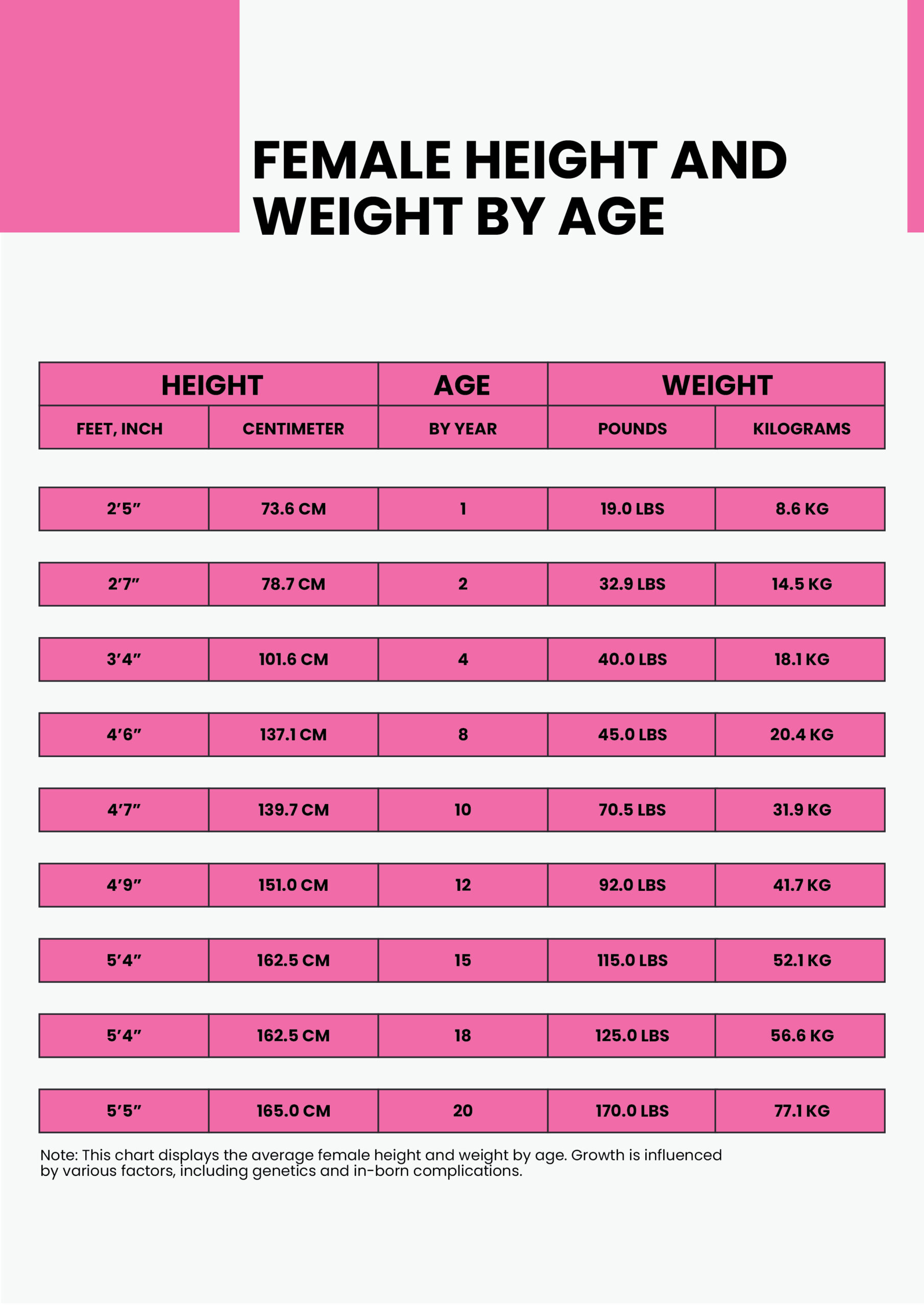
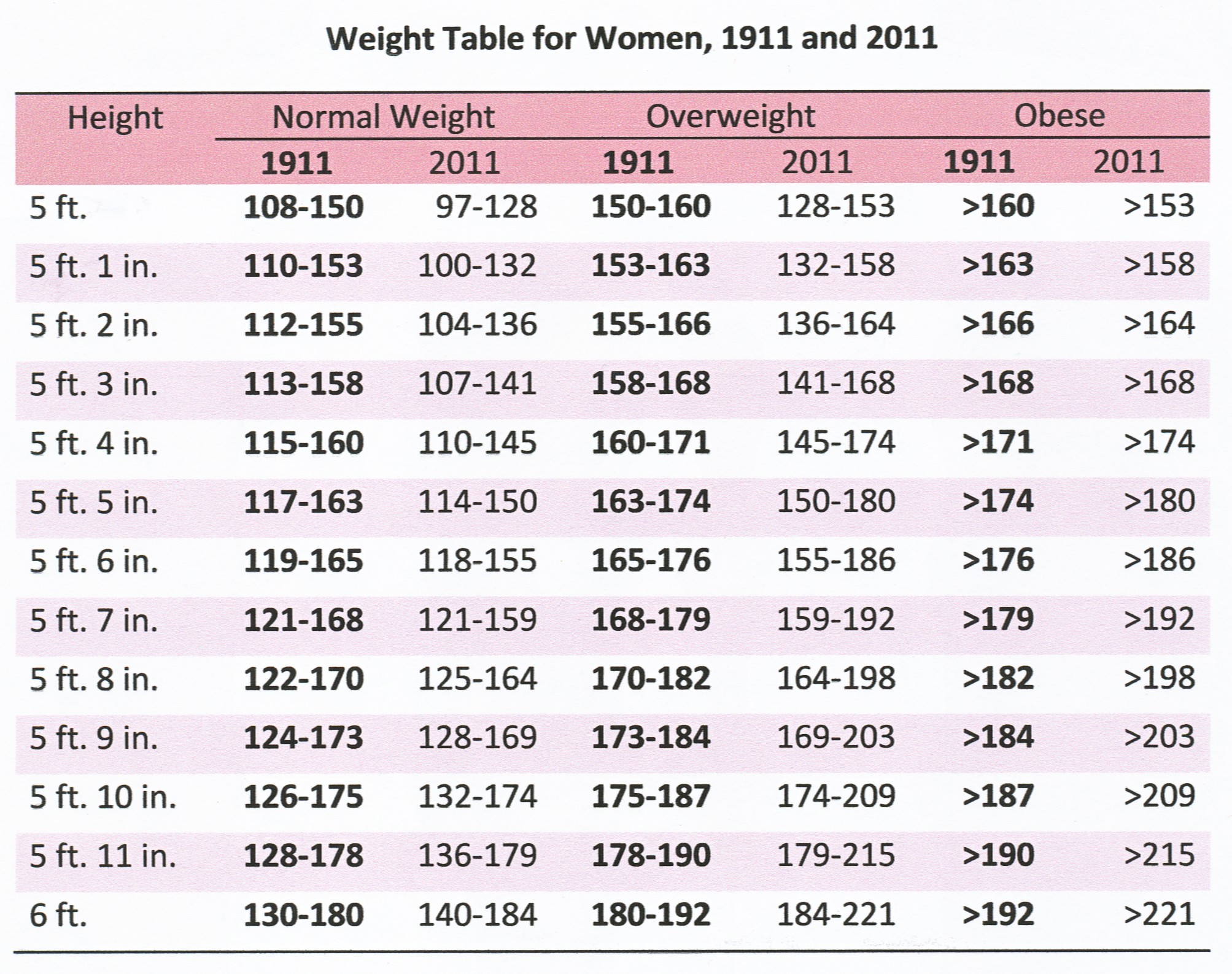
For instance, if a woman is 5 feet 4 inches tall, the chart might indicate a healthy weight range of 110 to 145 pounds. This means if she weighs within this range, she is likely maintaining a healthy weight according to the BMI standard.
Practical Uses for the Chart
The Woman Height And Weight Chart can be an invaluable resource in various scenarios:
- Monitoring Growth: Parents can use the chart to track their daughters’ growth over time, ensuring they are developing within the healthy weight range as they transition from childhood to adulthood.
- Fitness Goals: If you’re working towards specific fitness goals, this chart can help you set realistic weight targets based on your height.
- Health Assessments: When visiting a healthcare provider, having this chart handy can aid discussions about weight-related health concerns and potential lifestyle changes.
Common Mistakes to Avoid
When using the Woman Height And Weight Chart, it’s essential to avoid a few common pitfalls:
- Ignoring Body Composition: Remember that the chart does not differentiate between muscle and fat. A well-toned athlete may weigh more but still be healthy.
- Overlooking Personal Differences: Factors like age, genetics, and overall health can influence what a healthy weight looks like for you or your child.
- Being Rigid with Numbers: Use the chart as a guideline rather than a strict rule. Healthy bodies come in varying shapes and sizes.
Where to Find and Download the Chart
You can typically find printable versions of the Woman Height And Weight Chart on health-focused websites or educational resources. Many sites offer these charts as downloadable PDFs, which allow for easy printing and accessibility. Look for formats that ensure clarity, such as:
- PDF: This format preserves the layout and ensures that the chart prints correctly on standard letter-sized paper.
- JPEG/PNG: These image formats can be useful for quick reference on digital devices but may require adjustment for print.
When downloading, check for reliable sources to ensure you’re using an accurate and up-to-date chart.
Incorporating the Chart Into Your Routine
Integrating the Woman Height And Weight Chart into your daily life can help you stay on track with health goals. Here are some tips for effective use:
- Regular Updates: If you’re tracking your weight, update the chart monthly. This helps you visualize progress over time.
- Discussion Tool: Bring the chart to your doctor’s appointments to facilitate discussions about health and nutrition.
- Family Wellness: Use it as a family reference, encouraging healthy discussions about weight and fitness within your home.
You may find it helpful to keep the chart in a visible area, like on your fridge or inside a planner, so that it’s easily accessible.
In summary, the Woman Height And Weight Chart is a practical tool for understanding weight ranges and maintaining health. By using it thoughtfully and incorporating it into your daily life, you can promote better health awareness for yourself and your loved ones.
