When you’re on a weight loss journey, understanding portion sizes is crucial. The Weight Loss Portion Sizes Chart is a fantastic resource that helps you visualize and manage your food intake easily. This chart provides a clear layout for various food categories, making it simple to reference while planning meals. Let’s explore how to use this chart effectively and what information is typically included.
Understanding the Layout of the Weight Loss Portion Sizes Chart
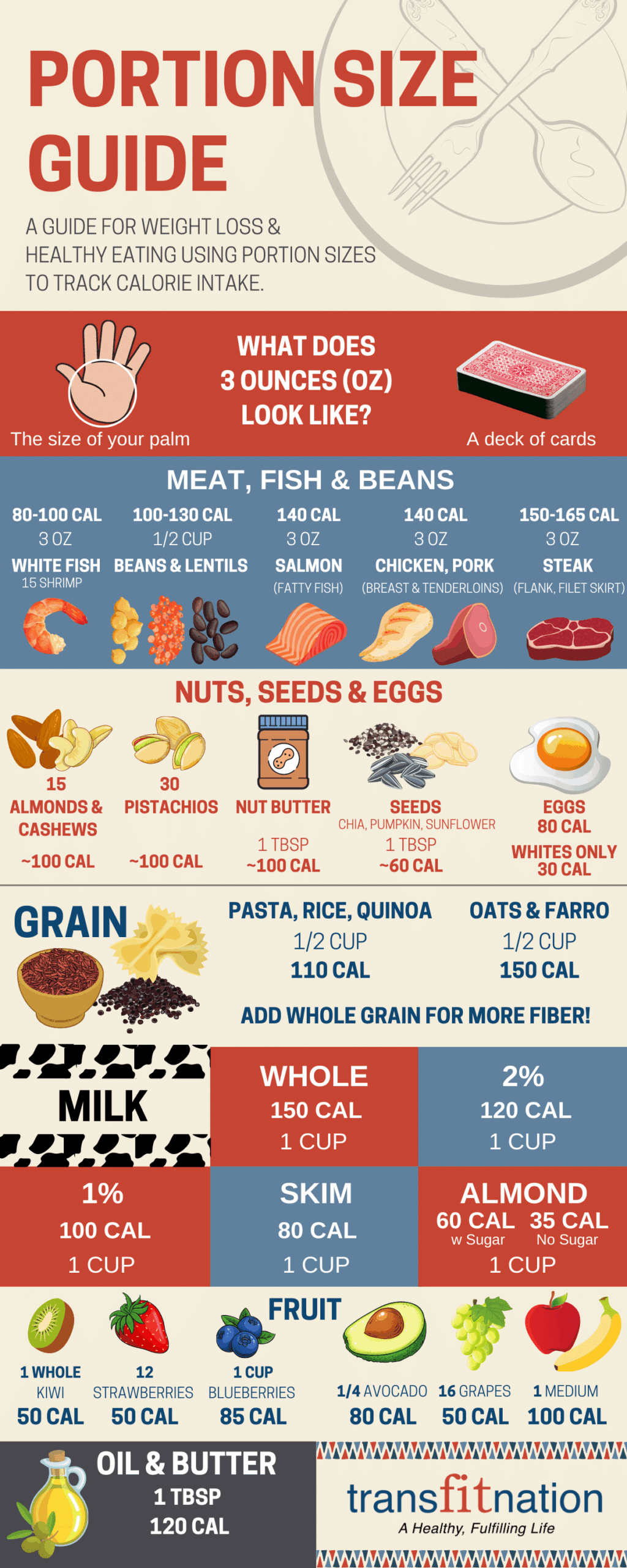
The Weight Loss Portion Sizes Chart usually consists of several sections, each dedicated to different food groups like proteins, vegetables, grains, and fats. Each section typically includes:
- Food Group: Clearly labeled so you can quickly find what you need.
- Portion Size: Standard measurements that help you understand how much to eat.
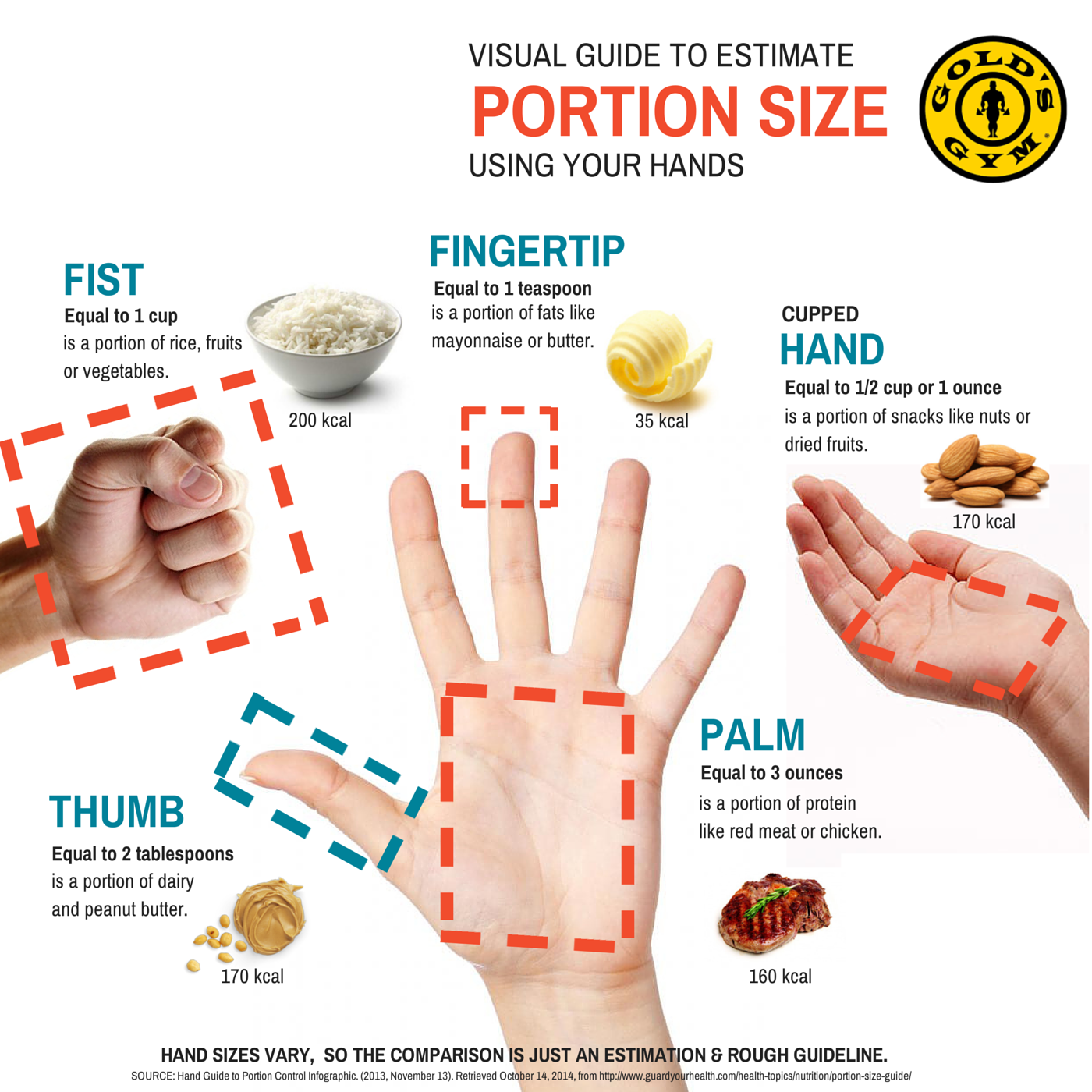
- Visual References: Often, the chart includes images or illustrations that help you relate the portion sizes to everyday objects (e.g., a fist, a deck of cards).
This layout makes it easy to track your meals and understand how much of each food group you should include in your diet. It’s not just a list; it’s a practical guide that helps you visualize your servings.
How to Use the Chart in Your Meal Planning
When you’re ready to plan your meals, the Weight Loss Portion Sizes Chart can be a useful option. Here’s how to incorporate it into your routine:
- Identify Your Goals: Before diving into meal prep, understand your daily caloric needs. This will help you determine how many servings from each food group you should aim for.
- Select Your Meals: Look at the chart to choose foods from each category. For instance, if you’re planning a breakfast, you might select one portion of protein (like eggs), a serving of whole grains (like oatmeal), and some fruit.
- Visualize Your Portions: Use the visual references in the chart to help you measure out your portions accurately. This can be particularly helpful when you’re cooking or serving meals.
- Track Your Intake: Consider keeping a food journal where you note down what you eat alongside the corresponding portion sizes from the chart. This will help you stay accountable and recognize patterns in your eating habits.
Key Sections of the Weight Loss Portion Sizes Chart
Different sections of the chart cater to various dietary needs. Here are some typical sections you might find:
Proteins
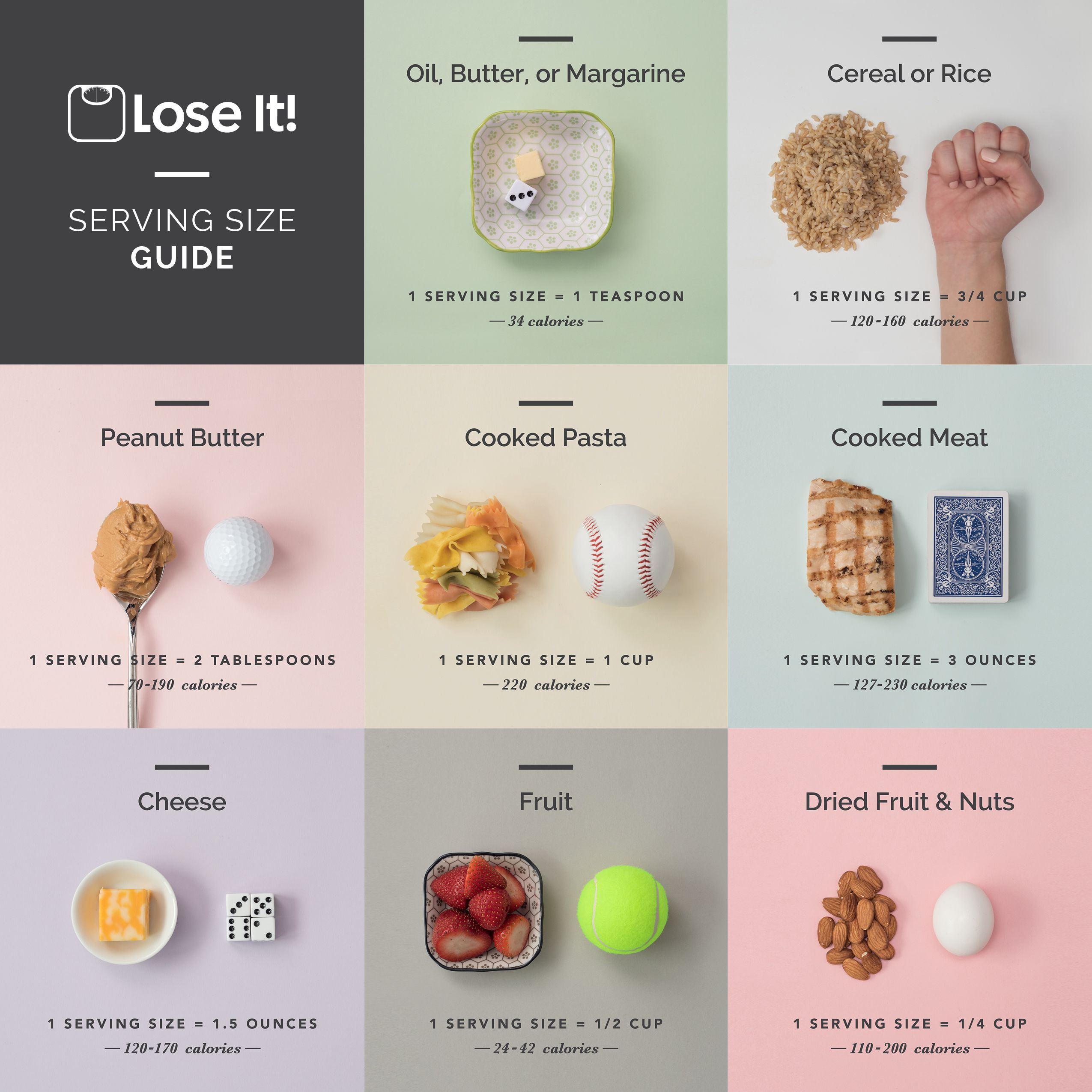
This section often includes various sources of protein like chicken, fish, beef, beans, and legumes. The portion sizes are typically indicated in ounces or cups. For example, a serving of chicken might be the size of your palm, while a serving of beans could be half a cup.
Vegetables
Vegetables are usually encouraged in higher quantities. The chart might suggest that a serving is equal to one cup of raw vegetables or half a cup of cooked ones. This section is perfect for understanding how to fill your plate with nutrient-dense options.
Grains
Here, you’ll find guidance on whole grains like brown rice, quinoa, and whole wheat pasta. A common serving size might be a half-cup cooked or a slice of whole-grain bread. This section helps you balance your meals with healthy carbohydrates.
Fats
Portion sizes for fats can be tricky, but this section clarifies how much to include. It may suggest that a serving of oil is about one tablespoon or a small handful of nuts. This helps you incorporate healthy fats without going overboard.
Practical Tips for Filling Out Your Chart
Using the Weight Loss Portion Sizes Chart effectively means you might want to keep a few practical tips in mind:
- Preparation is Key: Before you start using the chart, gather your measuring cups, a food scale, and any other tools you might need. Having these on hand makes it easier to measure out your portions accurately.
- Stay Consistent: Try to use the chart daily or weekly when planning meals. Consistency will help you develop a clearer understanding of portion sizes over time.
- Adjust as Needed: Everyone’s body is different. If you find certain portions too small or too large, adjust them according to your hunger levels and energy needs. The chart is a guideline, not a strict rule.
- Print and Display: Consider printing the chart and placing it somewhere visible in your kitchen. This way, it serves as a constant reminder as you prepare meals.
