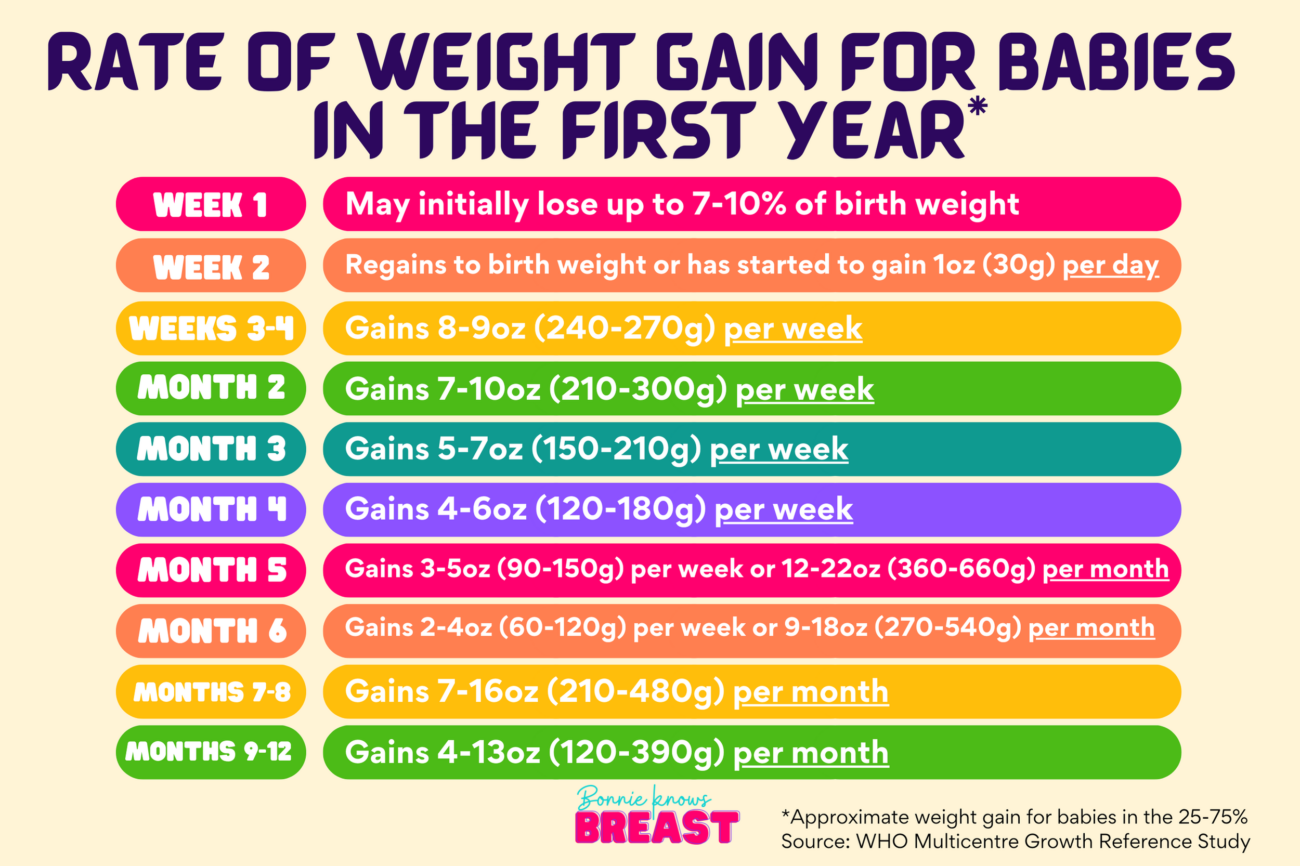
Tracking your baby’s growth can be both exciting and overwhelming. One of the most effective tools for this purpose is a Weight Gain In Infants Chart. This chart provides a clear visual representation of your baby’s weight gain over time, helping you to ensure they are developing healthily. Understanding how to read and fill out this chart can make a significant difference in your parenting journey.
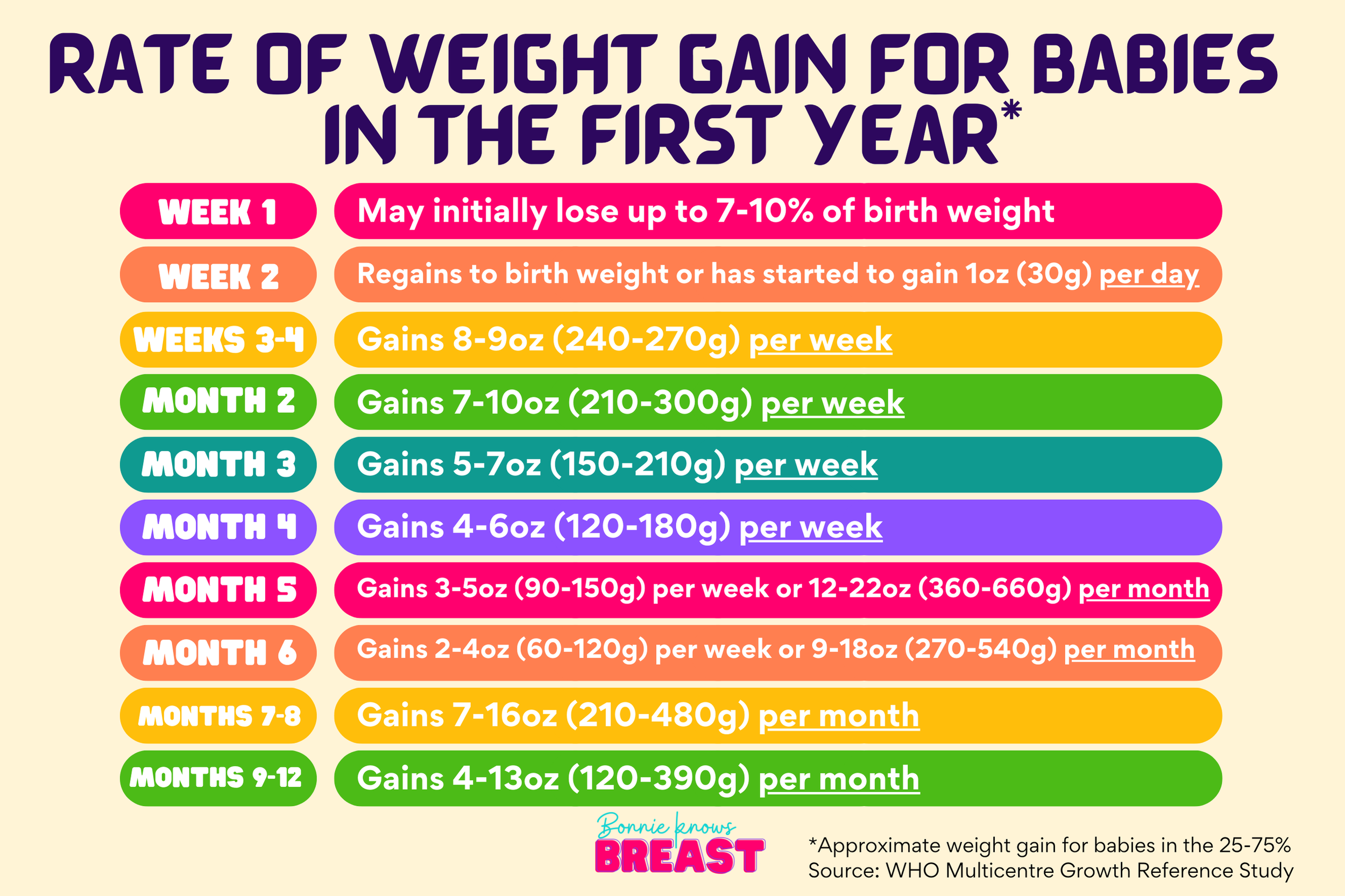
Understanding the Layout of the Chart
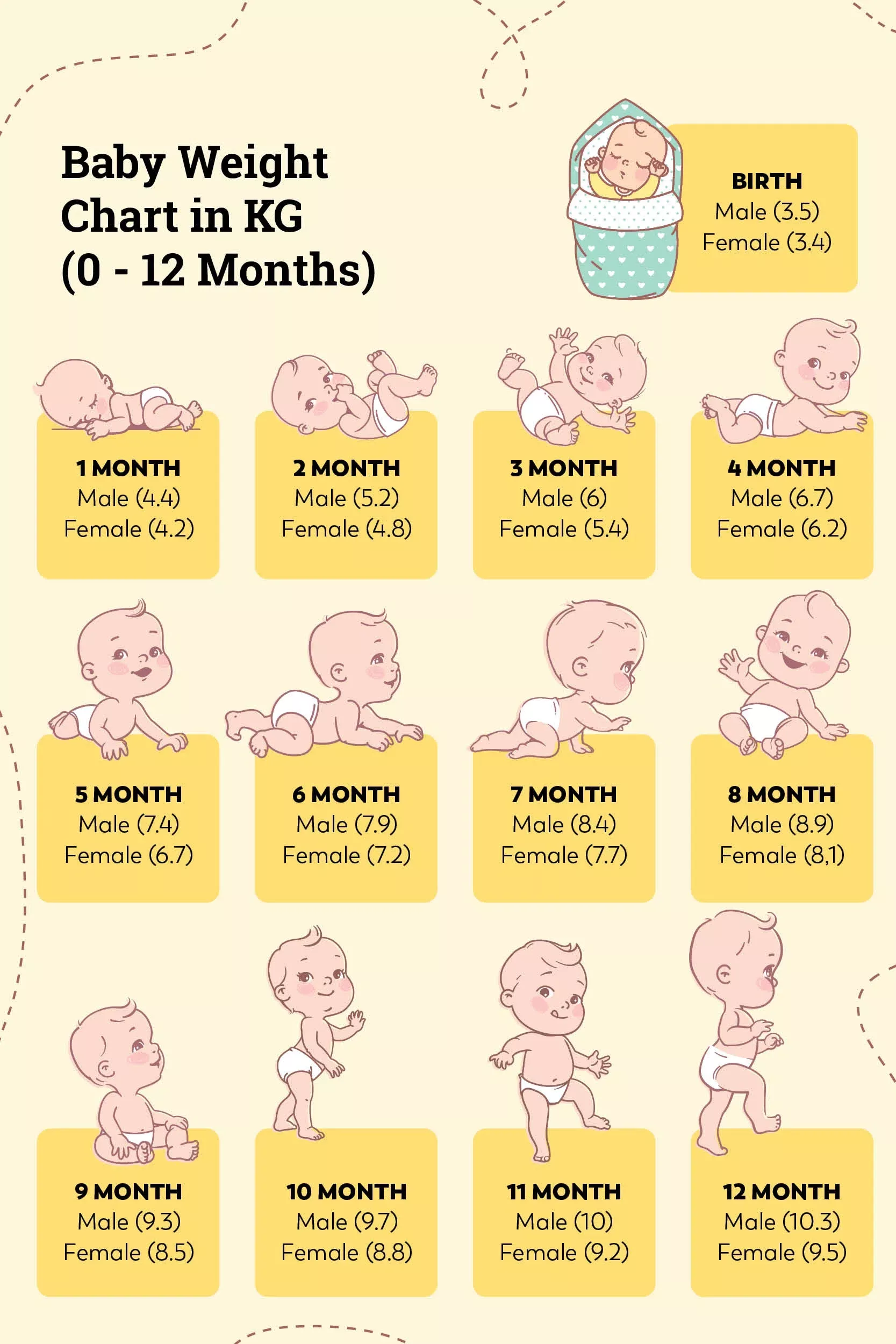
The Weight Gain In Infants Chart typically features a grid layout with designated columns for various data points. At first glance, you might notice that the chart is often divided into specific age ranges, usually from birth up to 12 months. This organization allows you to quickly track your child’s progress during these crucial early months.
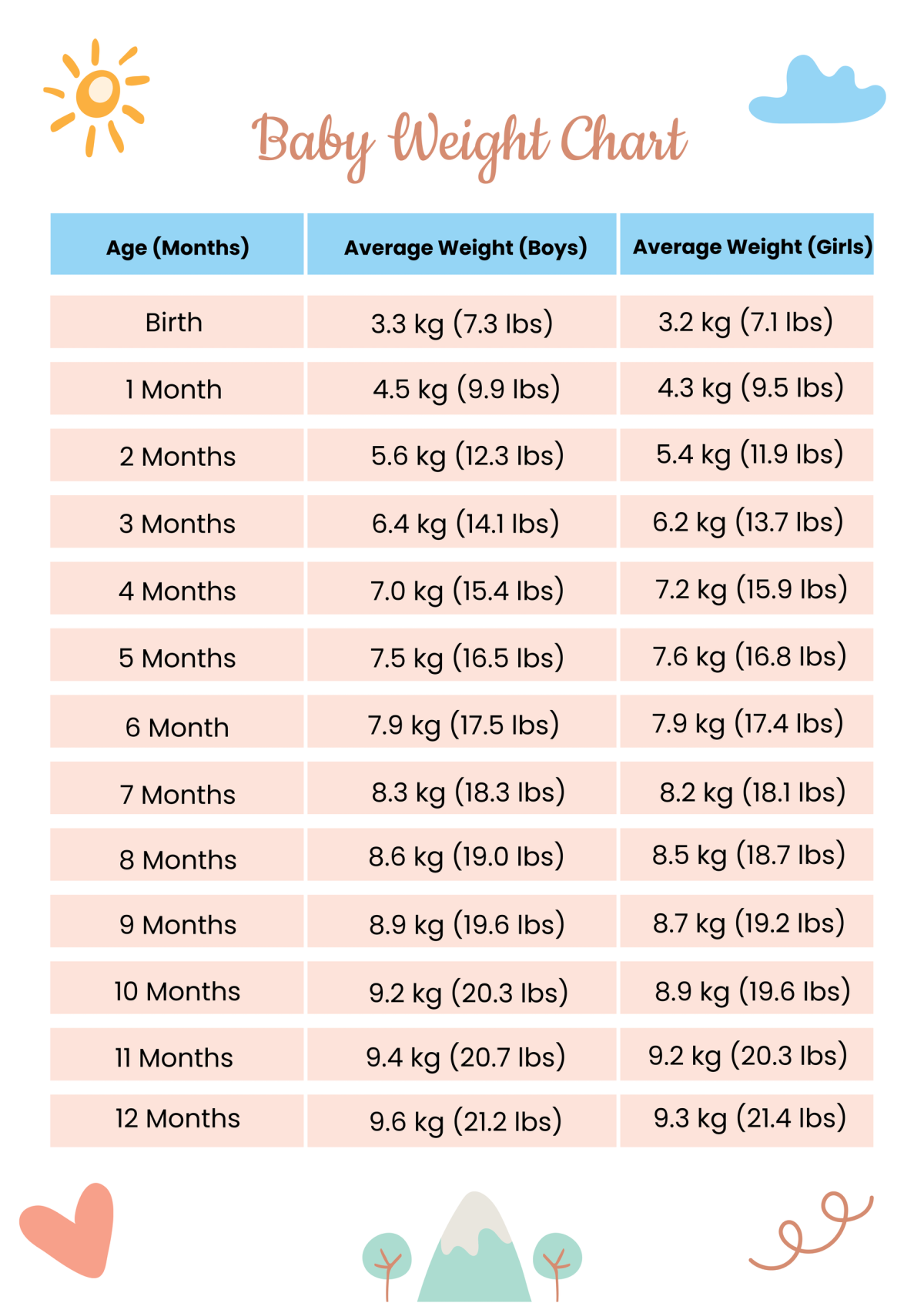
In the left column, you’ll usually find the age of your baby in weeks or months. Next to that, there are columns for the baby’s weight, which is typically recorded in pounds or kilograms. Some charts even include percentiles that show how your baby’s weight compares to other infants of the same age. This can help you identify if your baby is on track or if there are any concerns to discuss with your pediatrician.
Filling Out the Chart
To fill out the Weight Gain In Infants Chart accurately, it’s essential to have specific information ready. You’ll want to record your baby’s weight at each pediatrician visit, which usually occurs at regular intervals, such as every month during the first six months. Make sure to use a reliable scale, as accurate readings are crucial for tracking growth properly.
When recording the weight, note the date of measurement next to the corresponding age. This will help you visualize growth trends over time. You might also want to mark any significant changes, such as introducing solids or changes in feeding patterns, as these factors can impact weight gain.
Additionally, if your baby was born prematurely or has any specific health concerns, it’s wise to consult your pediatrician on how to interpret the chart correctly. They can provide insights tailored to your baby’s unique situation.
Interpreting the Data
Once you’ve filled out the Weight Gain In Infants Chart, it’s time to interpret the data. Pay attention to how your baby’s weight aligns with the percentiles provided on the chart. Ideally, you want to see your baby’s weight following a consistent growth pattern, whether that’s on the 25th, 50th, or 75th percentile.
If your baby’s weight is consistently below the 10th percentile or above the 90th percentile, it might indicate a need for further evaluation. However, remember that every baby is unique, and a single point on the chart doesn’t tell the whole story. Growth patterns can vary widely, and your pediatrician can offer the best advice on what is typical for your child.
When to Seek Professional Guidance
Keeping an eye on your baby’s weight is important, but it’s equally crucial to know when to consult a healthcare professional. If you notice a sudden drop or increase in weight, or if your baby seems to be losing weight consistently, it’s essential to reach out to your pediatrician for advice.
Other red flags might include:
- Your baby is not gaining weight as expected.
- There are significant changes in your baby’s appetite or feeding habits.
- You have concerns about your baby’s overall health or development.
Your pediatrician can provide tailored advice and may suggest additional resources or interventions if necessary.
Additional Resources
To make the most of your Weight Gain In Infants Chart, consider pairing it with other resources. For instance, keeping a feeding log can help you correlate feeding habits with weight gain. This can provide valuable insights during pediatric visits and help you identify patterns.
You might also want to download additional printable resources, such as feeding schedules or developmental milestone checklists. These tools can help you track your baby’s growth and development more comprehensively.
For printing, I recommend using high-quality paper that can withstand frequent handling. A cardstock is a great choice if you plan to laminate the chart for durability. If you’re using a standard home printer, make sure to select the correct settings to ensure that the chart prints clearly and accurately.
In summary, the Weight Gain In Infants Chart is an invaluable tool for parents looking to monitor their baby’s growth. By understanding how to fill it out and interpret the data, you can ensure that your little one is on track for healthy development. Remember to keep open lines of communication with your pediatrician, and don’t hesitate to seek advice when needed. Whether you’re tracking weight, feeding habits, or developmental milestones, having the right resources at your fingertips makes all the difference.
