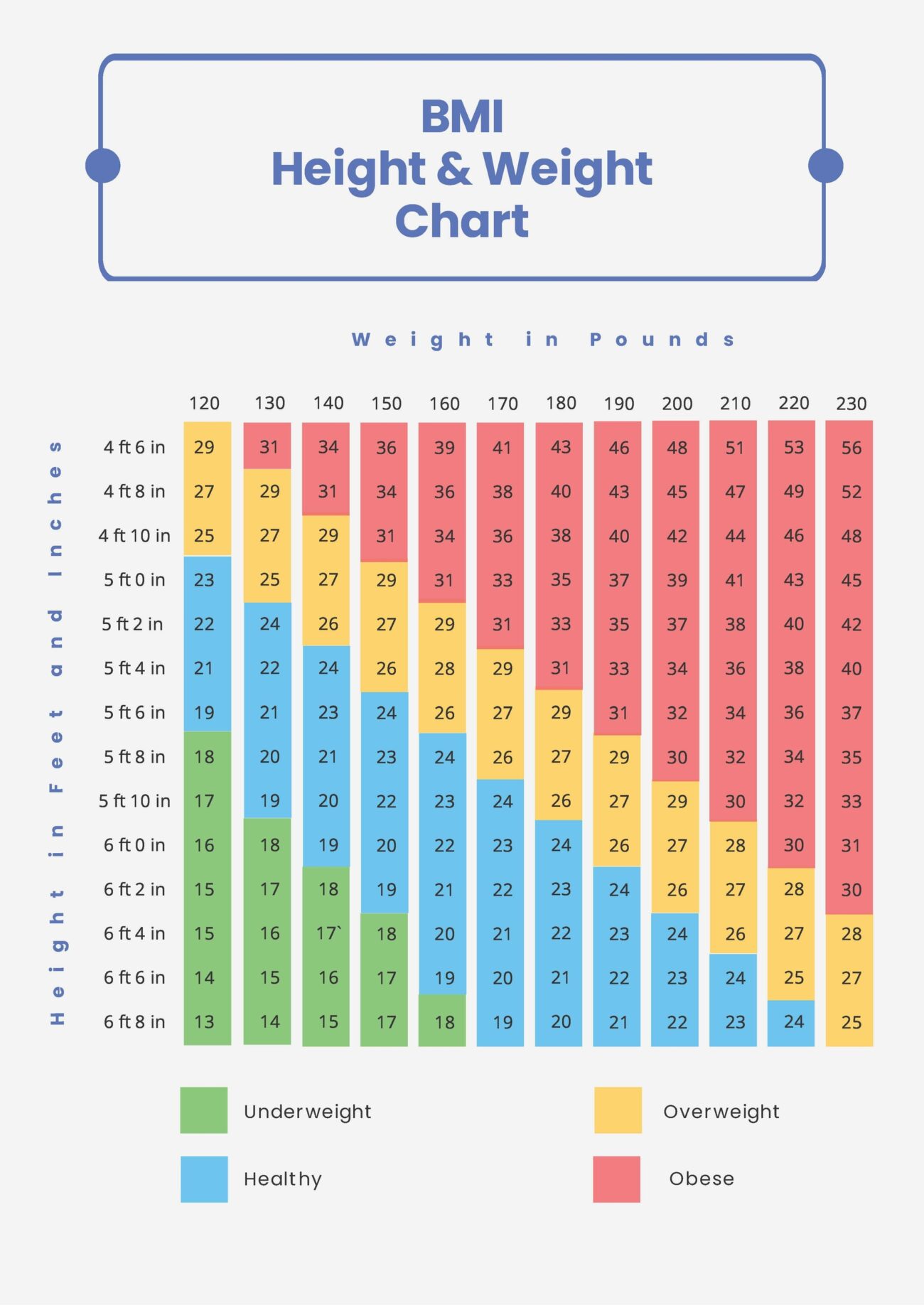
Tracking your child’s growth can be both exciting and a little daunting. A Visual Height And Weight Chart is an invaluable tool that allows you to monitor their development over time. This chart provides a clear, easy-to-read format for parents and caregivers to track height and weight measurements, ensuring you’re always aware of where your child stands in relation to growth standards.
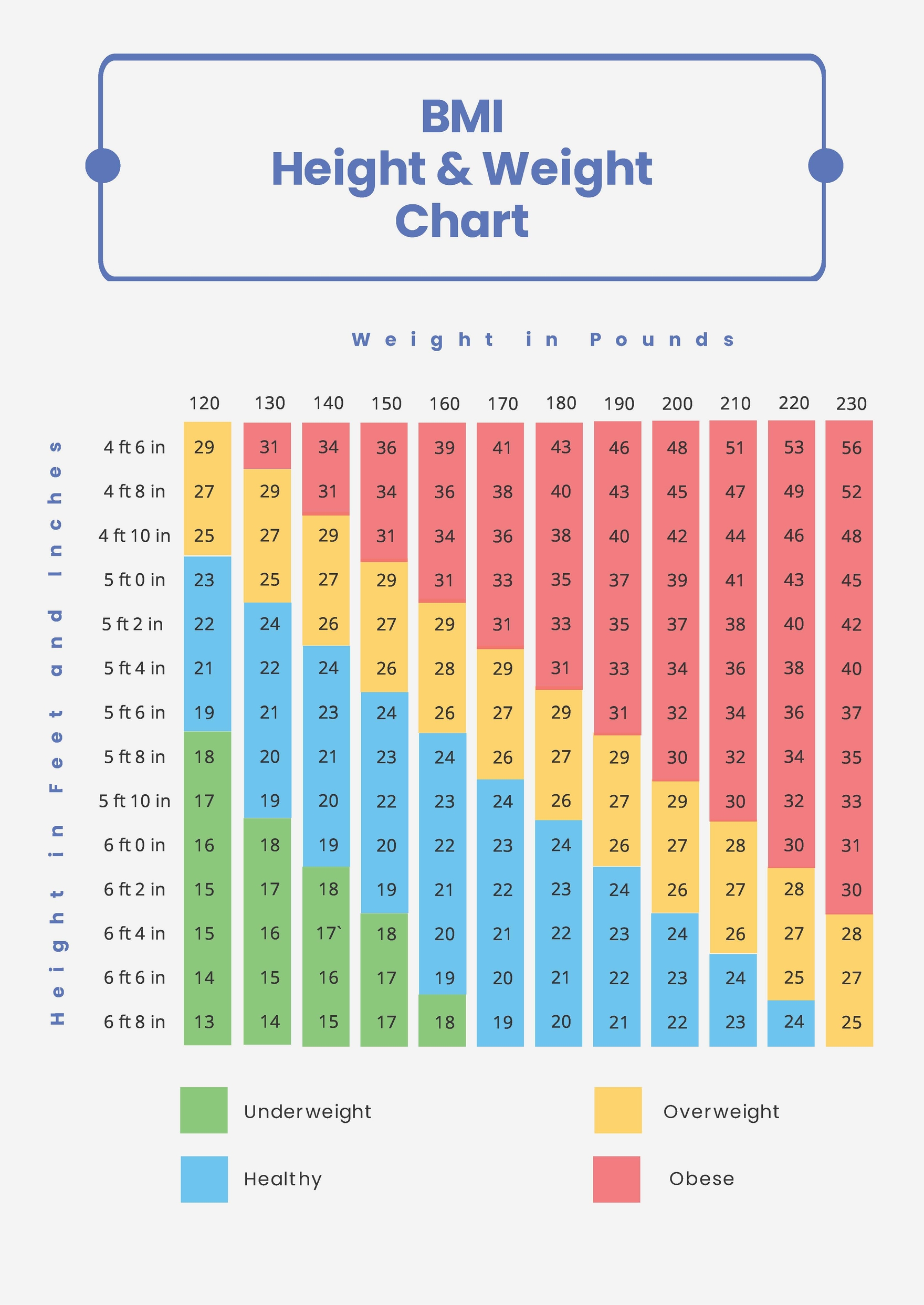
Understanding the Visual Height And Weight Chart
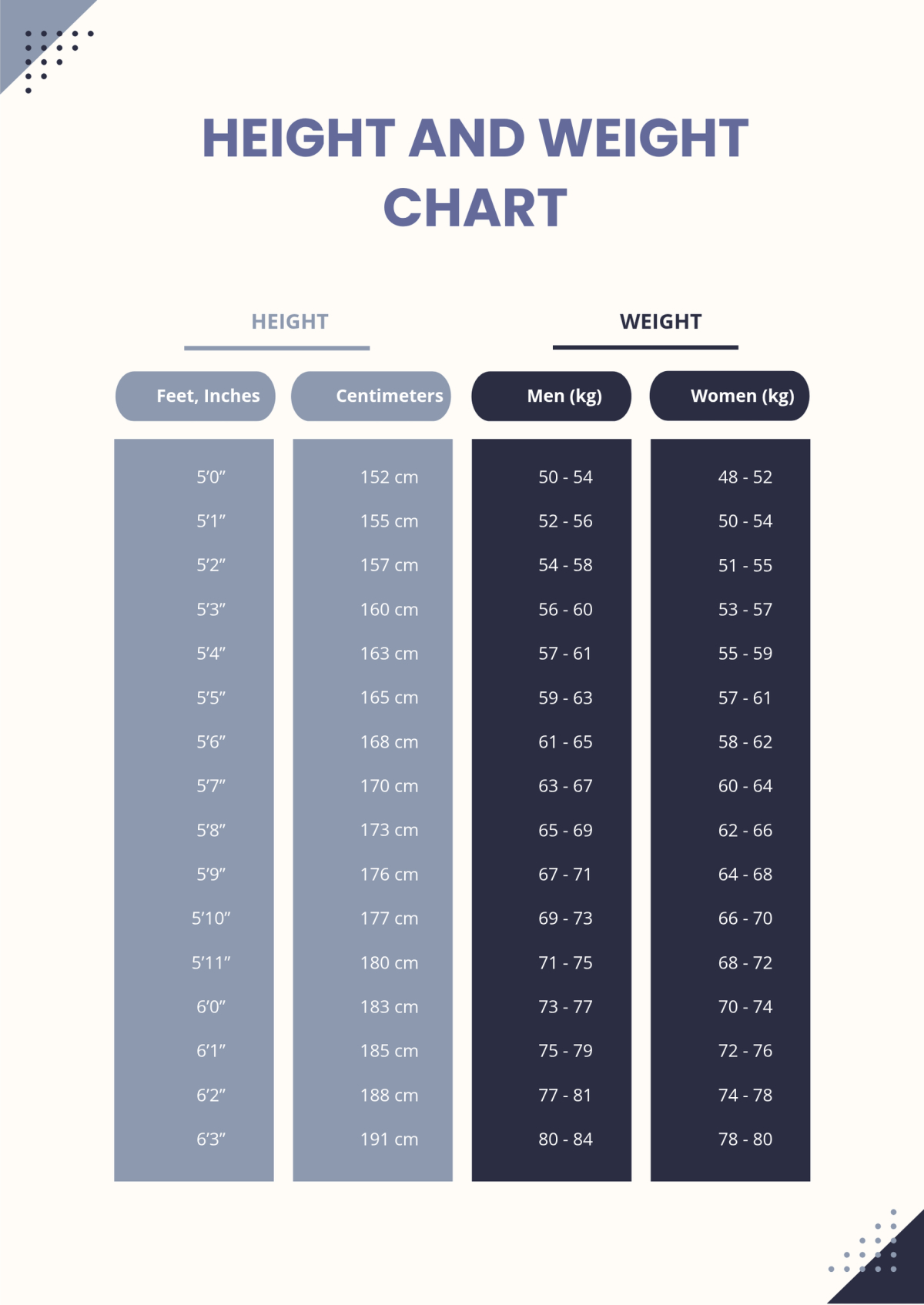
The Visual Height And Weight Chart is designed to help you visualize your child’s growth trajectory. Typically, these charts are segmented by age and gender, reflecting the average height and weight ranges for children at different stages of their development. By filling in your child’s measurements, you can quickly see how they compare to national averages and identify any potential growth concerns.
To effectively use the chart, start by measuring your child’s height and weight accurately. You can use a stadiometer for height and a digital scale for weight. Once you have these figures, locate the appropriate age and gender category on the chart. Mark your child’s measurements clearly, and connect the points to visualize their growth trend. This can be particularly useful during routine check-ups or when discussing your child’s growth with their pediatrician.
When to Use the Chart
Incorporating a Visual Height And Weight Chart into your routine can be beneficial in various scenarios:
- Routine Health Check-ups: Bring the chart to pediatric appointments to discuss growth patterns with your child’s doctor. This can facilitate more informed conversations about nutrition and health.
- Monitoring Growth Spurts: Children often go through growth spurts. Keeping track of these changes can help you ensure they’re getting the right nutrition to support their growing bodies.
- Setting Goals: If your child is underweight or overweight, this chart can help you set realistic, healthy goals for their growth and development.
By regularly updating the chart, you can celebrate milestones and keep a historical record of your child’s growth journey.
Common Mistakes to Avoid
Using the Visual Height And Weight Chart is straightforward, but there are a few common pitfalls to watch out for:
- Inaccurate Measurements: Always ensure that you’re measuring your child correctly. For height, make sure they are standing straight against a wall without shoes. For weight, use a scale that is calibrated and stable.
- Ignoring Growth Percentiles: It’s important to understand that not all children grow at the same rate. Just because your child falls outside the average range doesn’t mean there’s a problem. Consult with a healthcare professional if you’re concerned.
- Neglecting Regular Updates: Make it a habit to update the chart regularly, such as every few months or after each well-child visit. This will give you a clearer picture of their growth over time.
Where to Download Your Chart
You can easily find printable Visual Height And Weight Charts online. Many educational and healthcare websites offer free downloads in PDF format. Look for charts that are user-friendly and visually appealing to engage your child in the process. You may also consider laminating the chart for durability, especially if you have younger kids who might want to draw on it.
When printing, choose a standard paper size (like A4 or letter size) for convenience. If possible, use cardstock for a sturdier finish, especially if you plan to use it frequently. Make sure your printer settings are adjusted to print at actual size to avoid any distortion in measurements.
Making the Most of Your Chart
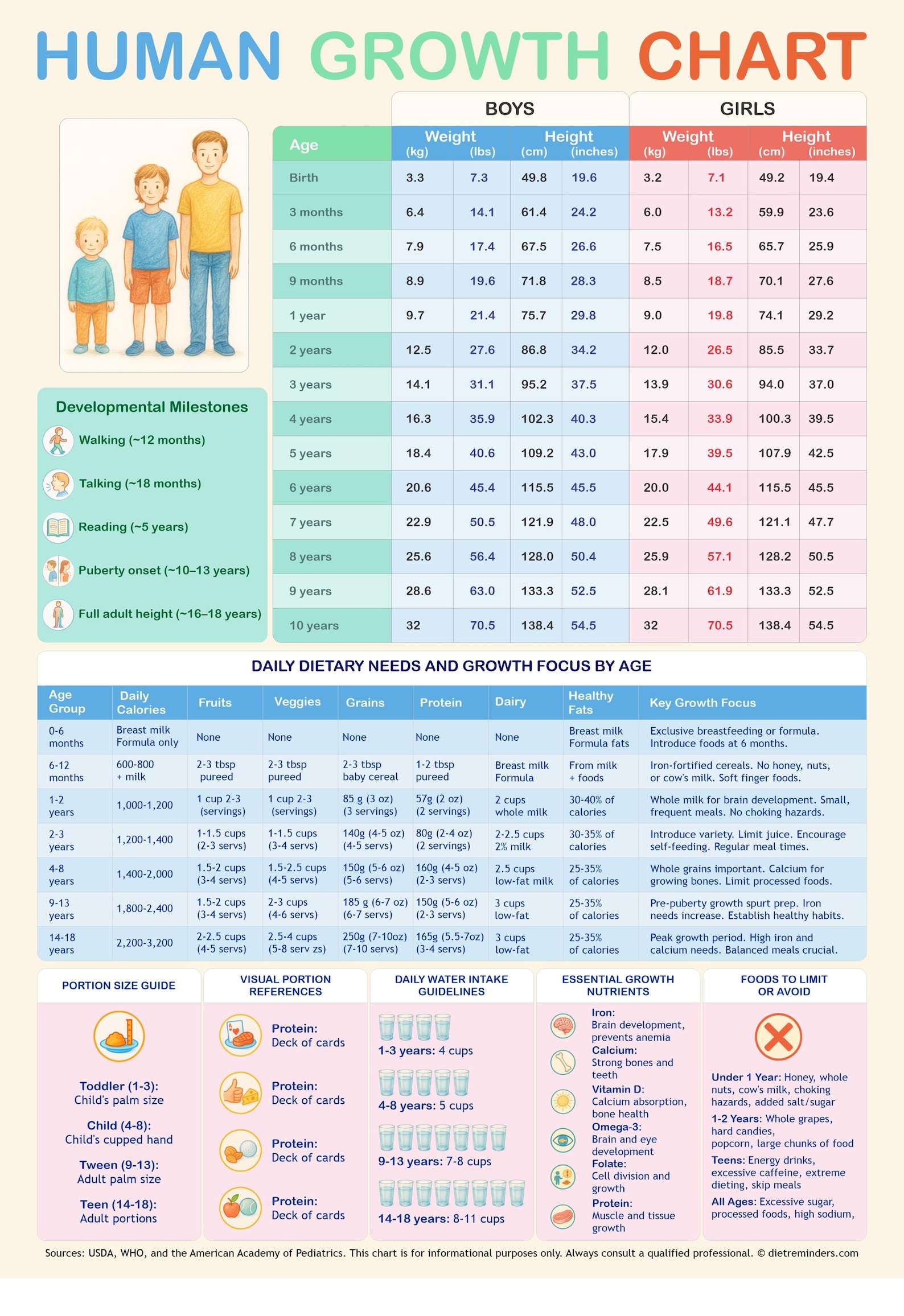
To maximize the benefits of your Visual Height And Weight Chart, consider integrating it into a broader health and wellness plan for your family. Here are some ideas:
- Create a Routine: Set aside time each month to measure your child and update the chart. This could be a fun family activity that encourages healthy discussions about growth and nutrition.
- Involve Your Child: As your child gets older, involve them in the process of recording their measurements. This can help them take ownership of their health and understand the importance of maintaining a balanced diet and regular physical activity.
- Combine with Other Resources: Pair the chart with other health trackers, such as a food diary or physical activity log. This holistic approach can provide a clearer picture of how lifestyle choices impact growth.
By using a Visual Height And Weight Chart, you not only keep tabs on your child’s physical development but also foster a proactive approach to their health and wellness. It’s a simple but effective way to engage with your child’s growth journey and ensure they are on the right path.
