As a parent, keeping track of your newborn’s feeding schedule can feel overwhelming. The Newborn Feeding Chart By Weight is an invaluable resource that helps you ensure your baby is getting the right amount of nutrition based on their weight. This chart provides a simple visual tool to guide your feeding decisions, making it easier for you to track your baby’s growth and feeding needs.
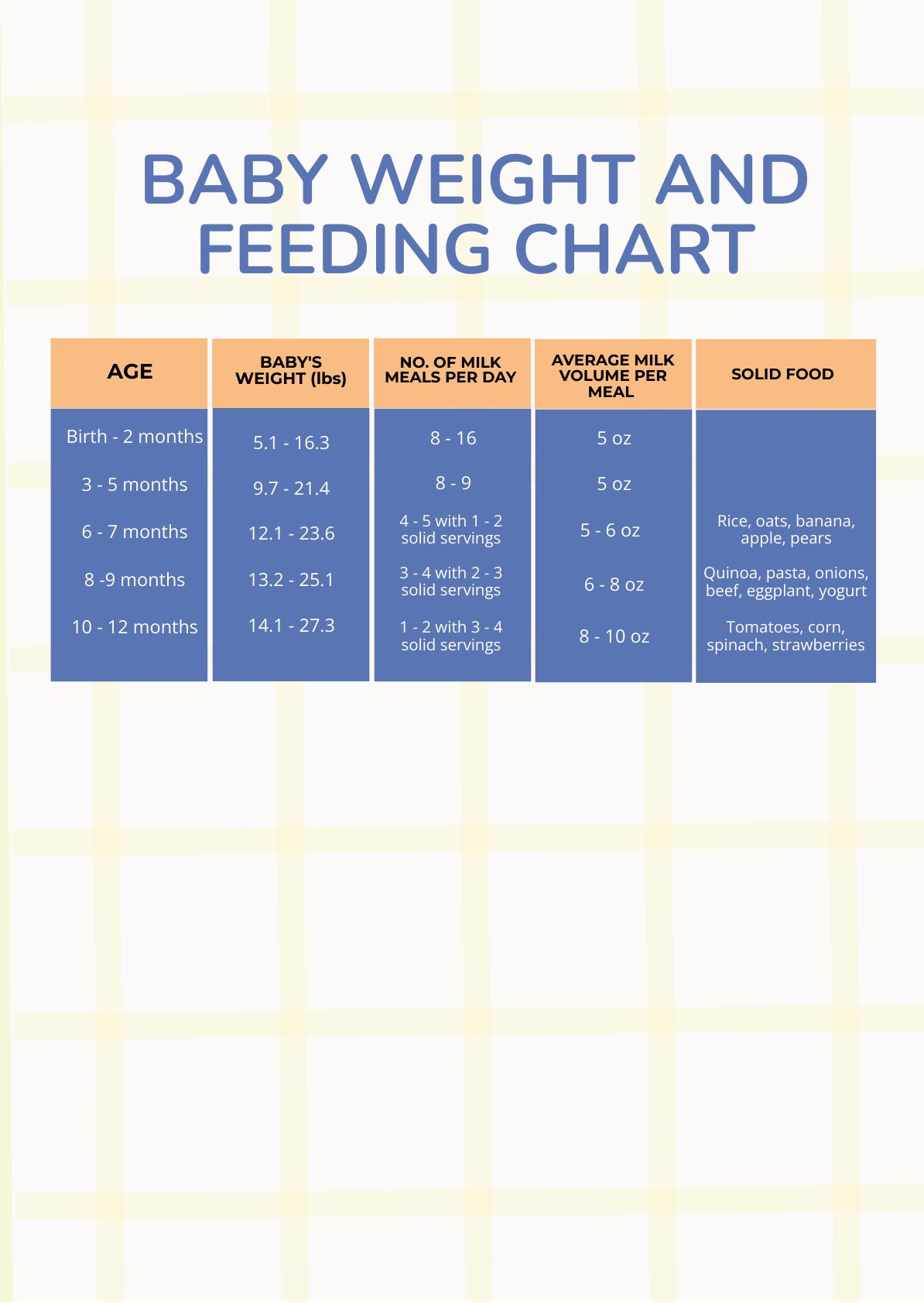
Understanding the Newborn Feeding Chart By Weight
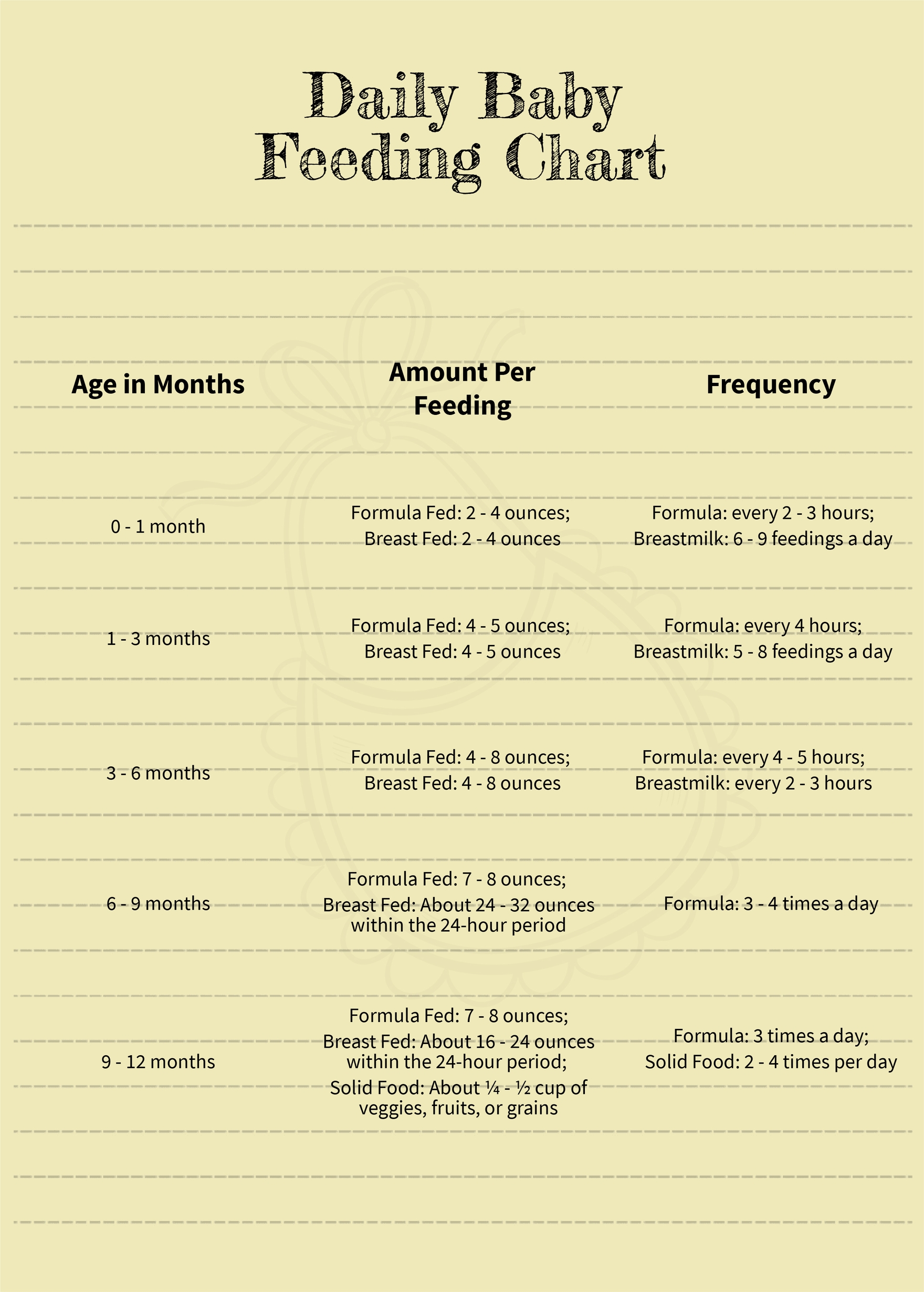
The Newborn Feeding Chart By Weight is designed to help you calculate how much milk your baby should be consuming based on their weight. Typically, newborns need about 2.5 ounces of formula or breast milk per pound of body weight per day. This means if your baby weighs 8 pounds, they should be consuming approximately 20 ounces of milk over the course of the day.
Using this chart can help you:
- Monitor your baby’s intake.
- Adjust feeding amounts as your baby grows.
- Ensure your little one is meeting their nutritional needs.
When you download the chart, you’ll see sections for weight ranges and corresponding daily feeding amounts. This layout makes it easy to read and fill in, giving you a clear overview of your baby’s feeding schedule.
How to Use the Chart Effectively
- Download and Print the Chart: Start by downloading the Newborn Feeding Chart By Weight from a trusted printable resource website. Print it out on standard letter-size paper (8.5 x 11 inches) for easy handling.
- Fill in Your Baby’s Weight: Using the chart, find the weight range that corresponds to your baby’s current weight. You can fill this in directly on the printed chart or use a fillable PDF version if you prefer.
- Calculate Feeding Amounts: Once you’ve noted your baby’s weight, look at the suggested feeding amounts for that weight range. This will give you a clear idea of how many ounces your baby should be fed each day.
- Create a Feeding Schedule: Using the information from the chart, you can create a feeding schedule tailored to your baby’s needs. Newborns typically feed every 2 to 3 hours, so plan accordingly.
- Track Progress: As your baby grows, you’ll want to update their weight on the chart regularly. This will help you adjust the feeding amounts as necessary.
This process not only helps you keep track of your baby’s nutrition but also provides peace of mind that they are getting what they need to grow healthy and strong.
Tips for Filling in the Chart
- Use a Pen or Marker: If you’re filling in the chart by hand, using a pen or marker can help your notes stand out. Keep it simple and clear.
- Store the Chart in a Visible Place: Place the chart on your fridge or in a baby book so it’s easy to refer to during feeding times.
- Consider Digital Options: If you prefer a more tech-savvy approach, filling out a digital version of the chart might be more convenient. This allows you to adjust weights and feeding amounts easily without needing to print multiple copies.
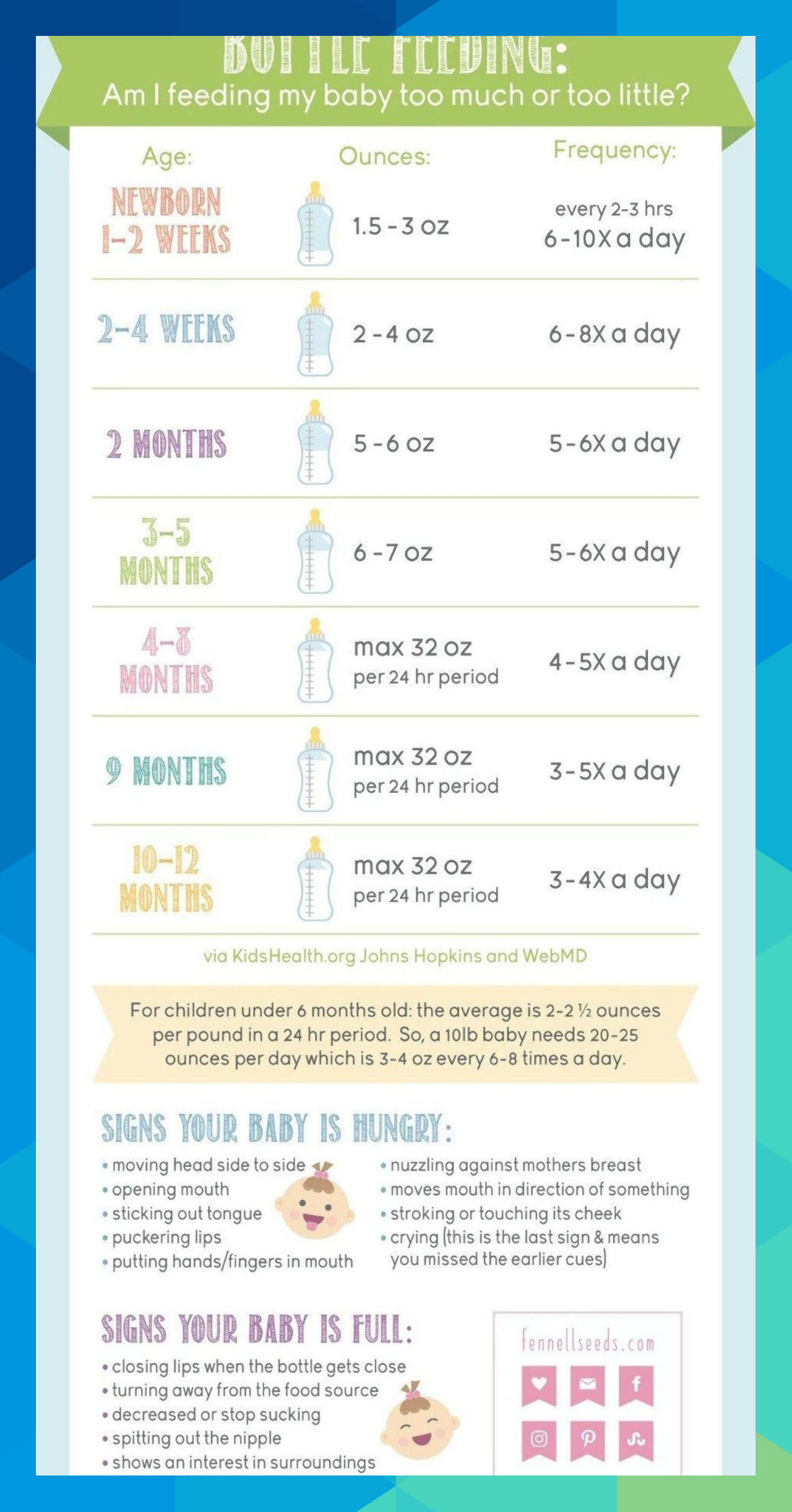
Benefits of Tracking Feeding Amounts
Keeping track of your newborn’s feeding amounts using the Newborn Feeding Chart By Weight offers several key benefits:
- Health Monitoring: Regularly assessing your baby’s intake can help you identify any feeding issues early on.
- Better Routine: Establishing a feeding routine can help both you and your baby feel more settled and secure.
- Informed Adjustments: As your baby grows, you can make informed decisions about when to transition to different feeding amounts or methods.
By being proactive about monitoring your baby’s feeding, you can ensure they are on the right track for healthy growth and development.
