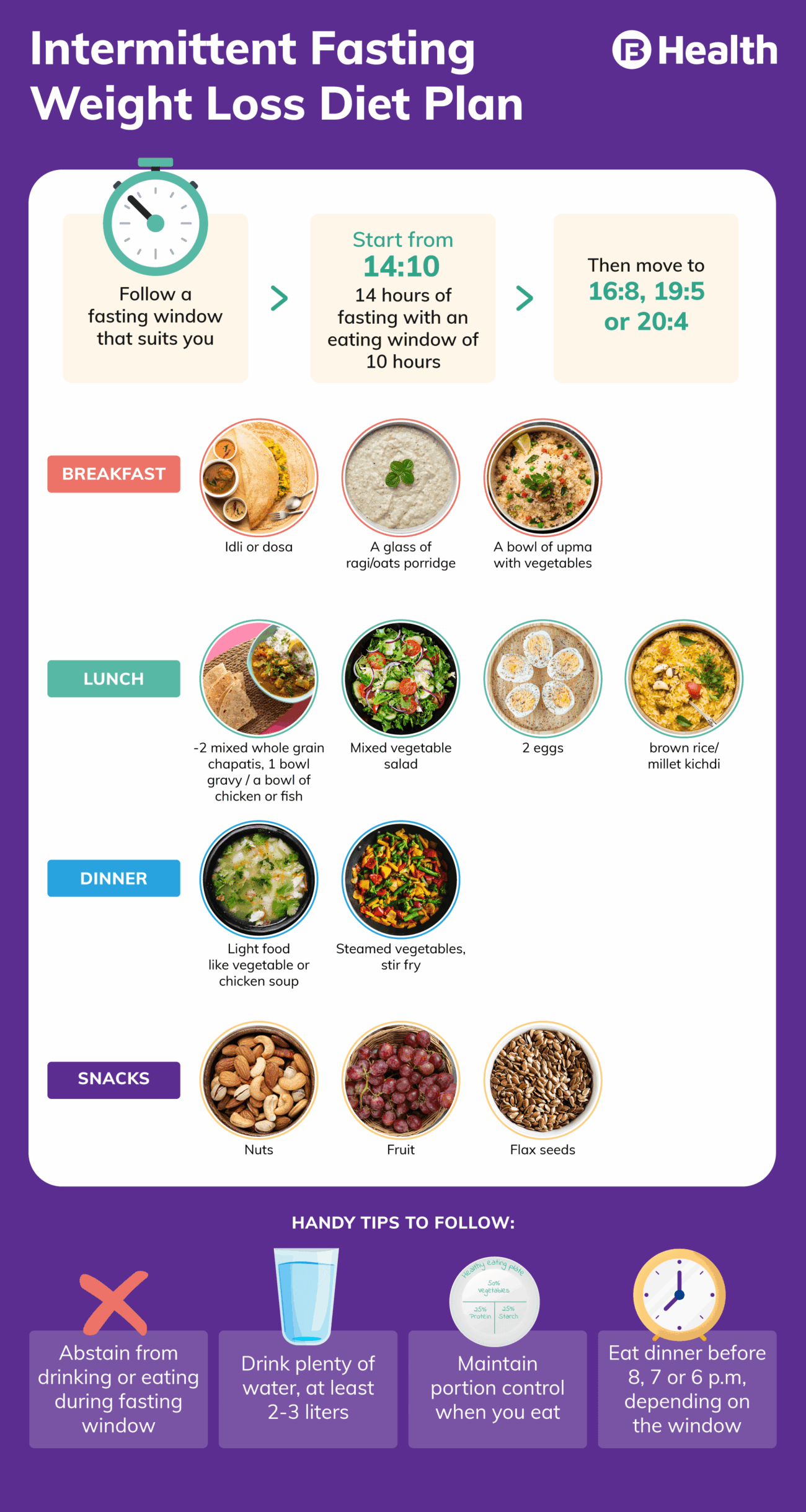
The Intermittent Fasting Diet Chart For Weight Loss is an invaluable tool for anyone looking to manage their weight while incorporating fasting into their lifestyle. This chart not only helps you understand your fasting schedule but also keeps track of what you eat during your eating windows. By using this resource, you can effectively plan your meals and maintain a consistent routine that supports your weight loss goals.
Understanding Intermittent Fasting
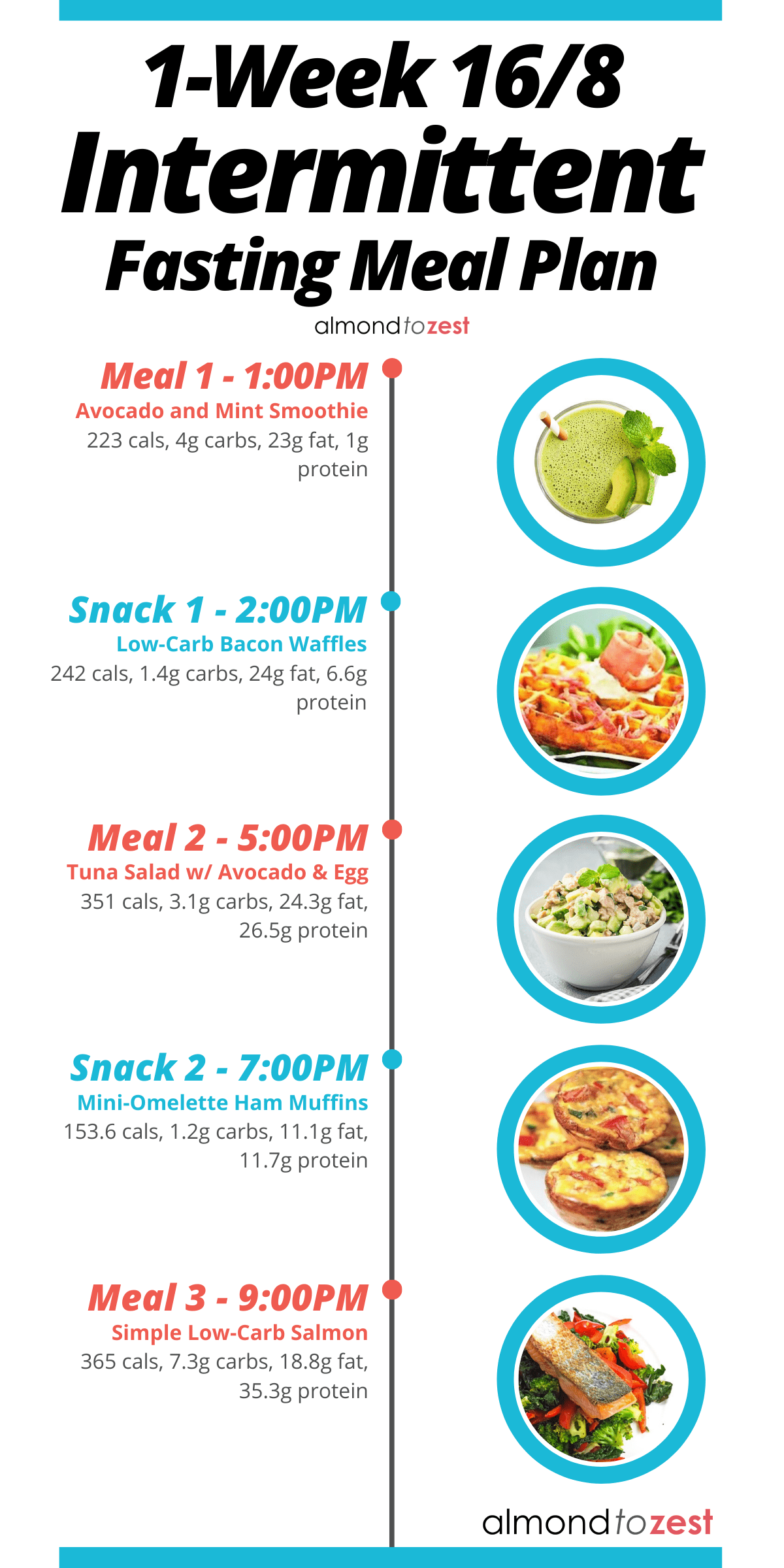
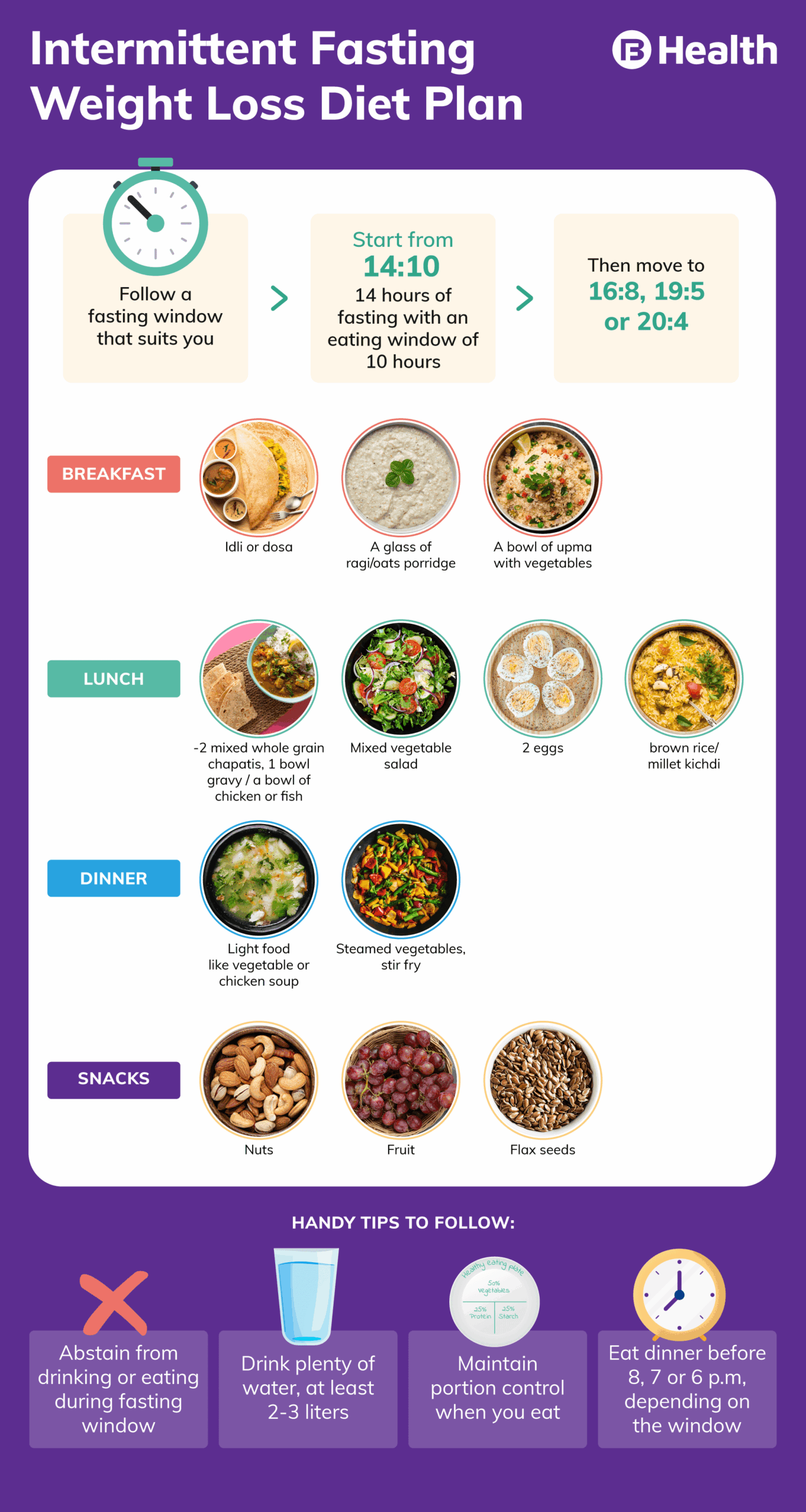
Intermittent fasting (IF) is not just a diet; it’s a structured eating pattern that cycles between periods of eating and fasting. Common methods include the 16/8 method, where you fast for 16 hours and eat during an 8-hour window, and the 5:2 diet, where you eat normally for five days and restrict calorie intake on two non-consecutive days. Knowing which method works best for you is crucial, and having a diet chart can help streamline this process.
How to Use the Intermittent Fasting Diet Chart
A well-designed diet chart can simplify your planning. Here’s how you can effectively use it:
- Choose Your Fasting Window: Decide which intermittent fasting method fits your lifestyle—whether it’s 16/8 or another approach.
- Track Your Meals: Fill in the chart with your meals during the eating window. This helps ensure you’re consuming balanced nutrients.
- Log Your Water Intake: Hydration is key! Use a section of the chart to track your water intake throughout the day.
- Monitor Your Progress: Include a section for tracking weight changes and how you feel throughout the fasting process.
When filling out the chart, be specific about the foods you choose. For example, rather than writing “lunch,” specify “grilled chicken salad with quinoa and mixed greens.” This level of detail helps you stay accountable and mindful of your choices.
Designing Your Diet Chart
Creating your own Intermittent Fasting Diet Chart can be straightforward. You can use printable templates available online or create your own using a word processing tool. Here are some essential elements to include:
- Date: Start by marking the date.
- Eating Window: Clearly indicate the hours during which you’ll eat.
- Meals and Snacks: Allocate spaces for breakfast, lunch, dinner, and snacks.
- Water Intake: A section to write down how many glasses or liters of water you drink.
- Notes: A space for any observations about your energy levels or cravings.
You might want to print your chart on A4 or letter-sized paper. Make sure to choose a layout that suits your home printer settings—landscape format tends to give more horizontal space for meal entries.
Benefits of Using a Diet Chart
Using an Intermittent Fasting Diet Chart For Weight Loss offers several benefits:
- Accountability: Documenting your meals can help you stay on track with your diet.
- Clarity: Visualizing your eating patterns allows you to understand your habits better.
- Flexibility: Adjust your meals based on what works best for you, and modify the chart accordingly.
- Motivation: Seeing your progress can motivate you to stick with your fasting routine.
Tips for Effective Meal Planning
When preparing your meals to fit into your fasting schedule, consider these practical tips:
- Plan Ahead: Dedicate time each week to plan meals. This can help avoid last-minute unhealthy choices.
- Batch Cooking: Prepare meals in advance to make it easier to stick to your eating window.
- Healthy Snacks: Keep healthy snacks on hand, such as nuts or yogurt, for your eating window.
- Balance Your Plate: Aim for a mix of proteins, healthy fats, and carbohydrates to keep you satisfied.
The quality of the paper you choose for printing your chart matters too. Opt for a heavier cardstock if you intend to laminate it for durability. This way, you can reuse it with a dry-erase marker, making it both eco-friendly and practical.
Maintaining Your Routine
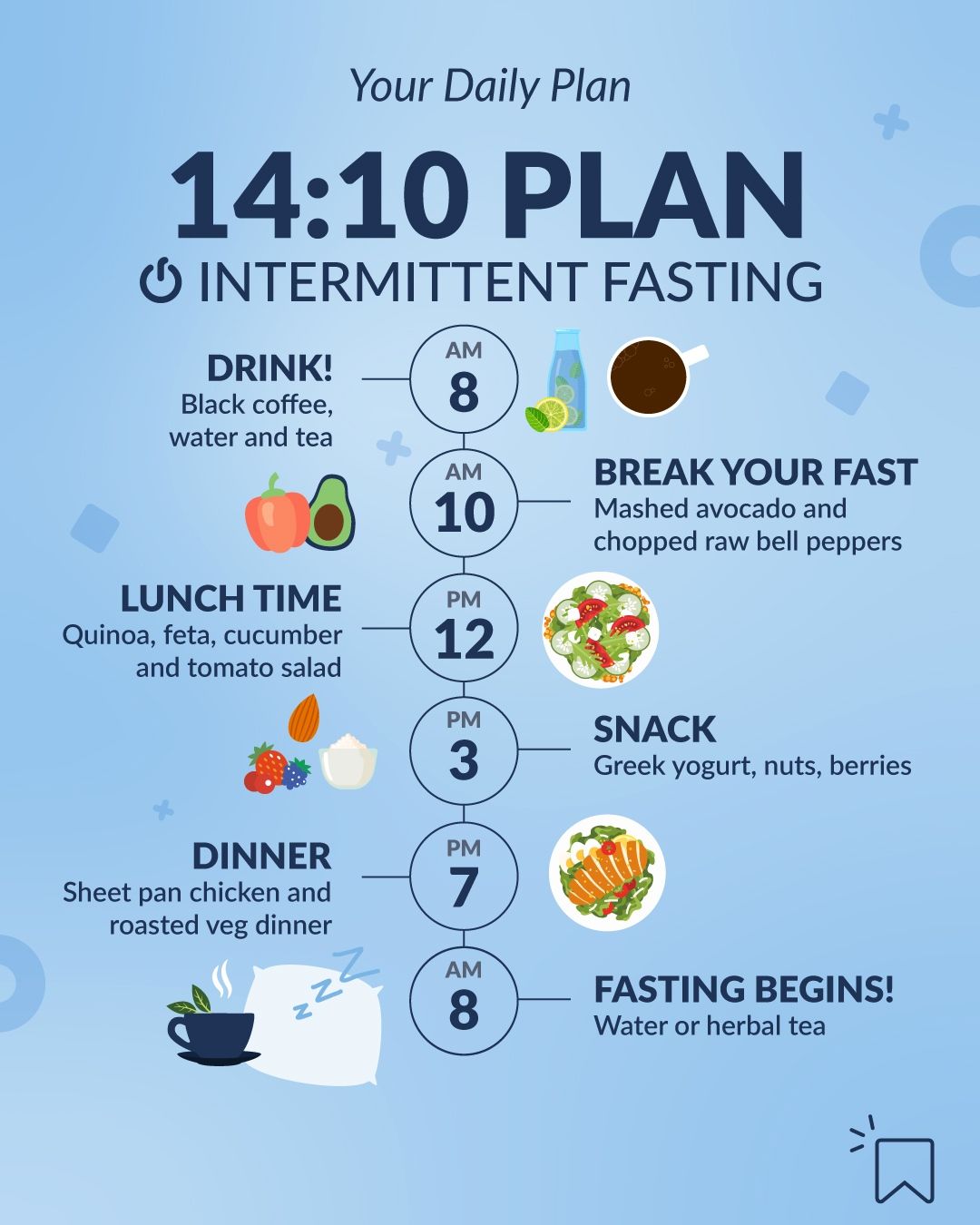
Sticking to intermittent fasting can be challenging, but having your diet chart handy can help keep you focused. Regularly review your chart to assess what’s working and what’s not. You might find that certain meals leave you feeling hungrier than others, or that you prefer a different fasting window. Adjusting your plan based on your experiences is key to making this sustainable.
As you embark on your weight loss journey with the Intermittent Fasting Diet Chart For Weight Loss, remember that consistency is essential. Celebrate your small victories, and don’t be discouraged by setbacks. Each day is a new opportunity to make choices that align with your goals.
