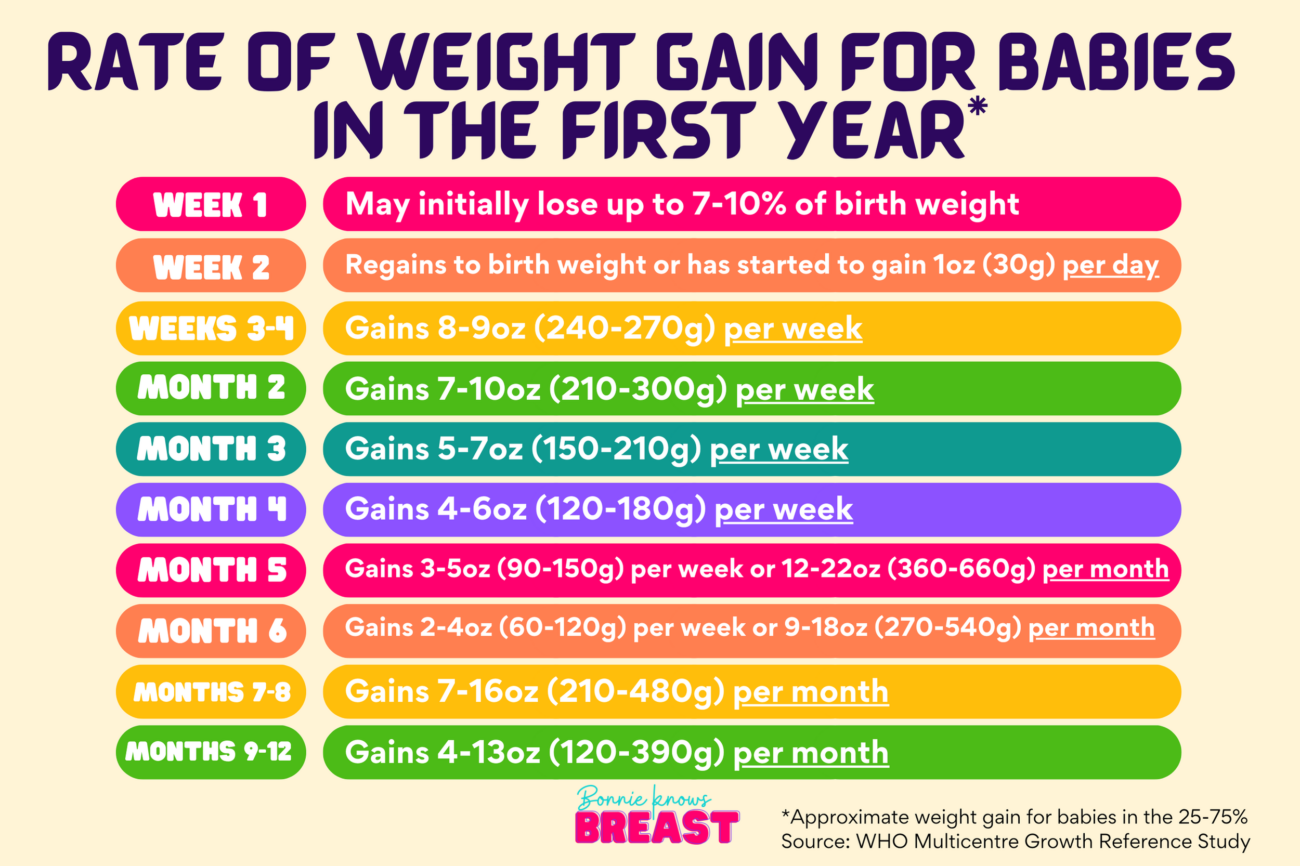
Keeping track of your baby’s growth can be one of the most important tasks for new parents. An Infant Weight Gain Chart By Week is a vital tool that helps you monitor your infant’s weight gain, ensuring they are growing at a healthy rate. This chart is particularly useful during the first year when babies experience rapid changes. In this article, I’ll break down how to use this chart effectively, what information it contains, and why it matters for your baby’s health.
Understanding the Infant Weight Gain Chart
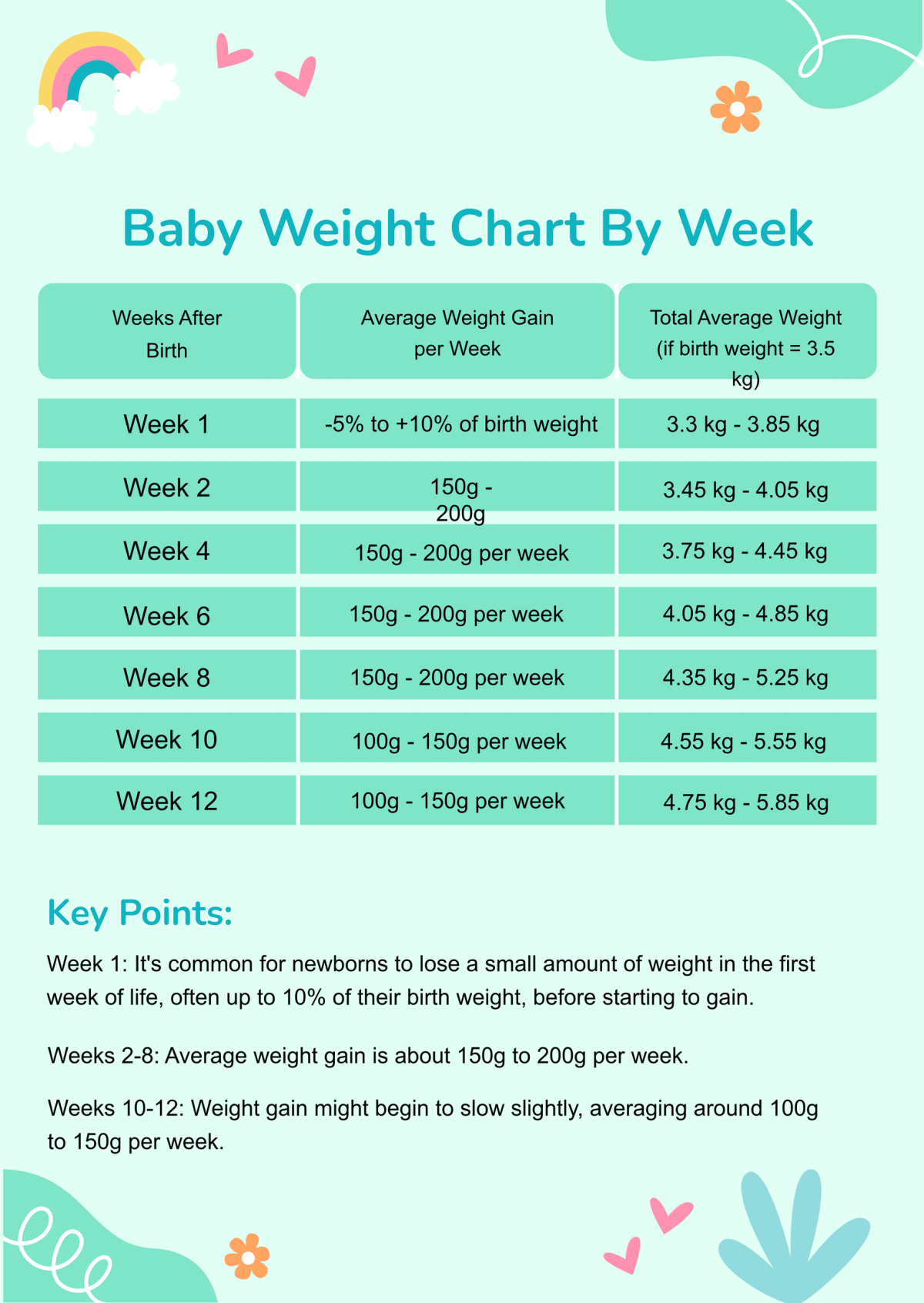
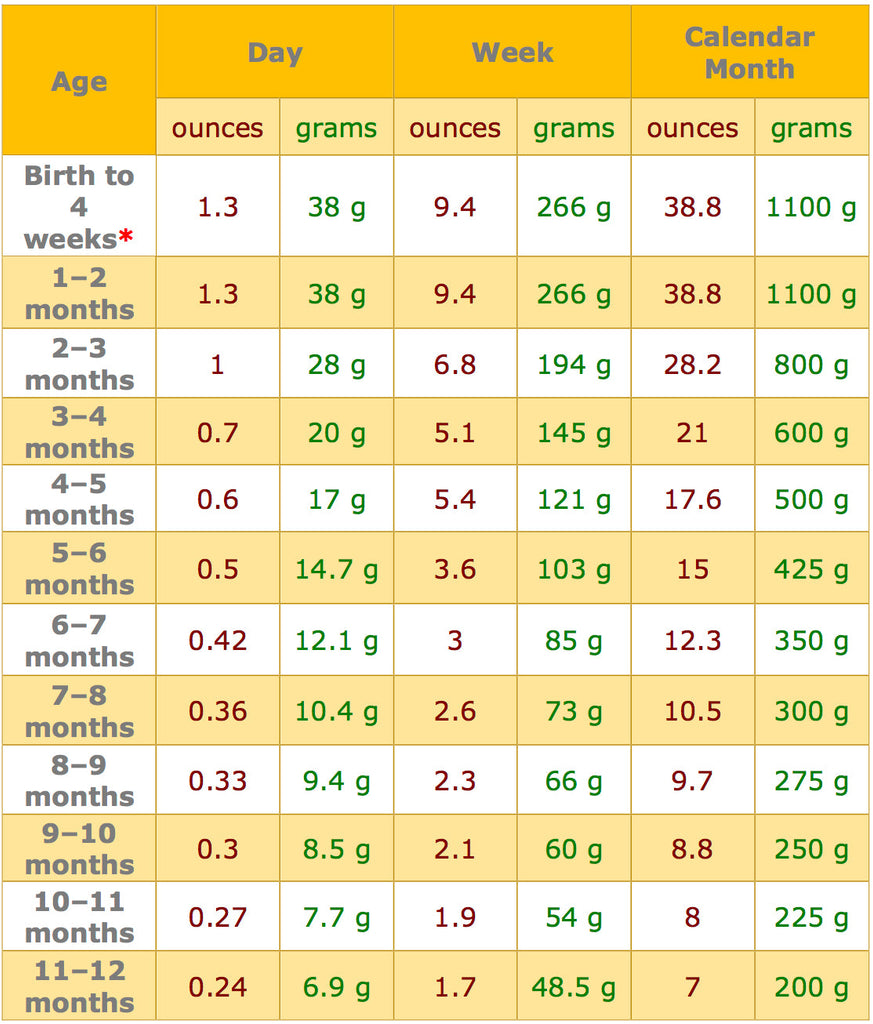
The Infant Weight Gain Chart is usually laid out in a clear format, often resembling a table. It typically includes columns for the baby’s age in weeks, their weight, and sometimes their length. You’ll want to look for the percentile lines that indicate how your baby’s weight compares to other infants of the same age.
When you first receive this chart, it might seem overwhelming, but the layout is designed to be user-friendly. You can easily plot your baby’s weight against the standard percentiles. Most charts will have these percentiles marked clearly, which helps you see if your baby is on track.
Why Tracking Weight is Important
Tracking your infant’s weight gain is crucial for several reasons. First, it provides insight into their overall health. Consistent weight gain is a sign that your baby is feeding well and getting the nutrients they need. Conversely, a plateau or decline in weight could indicate feeding issues or health concerns that require attention.
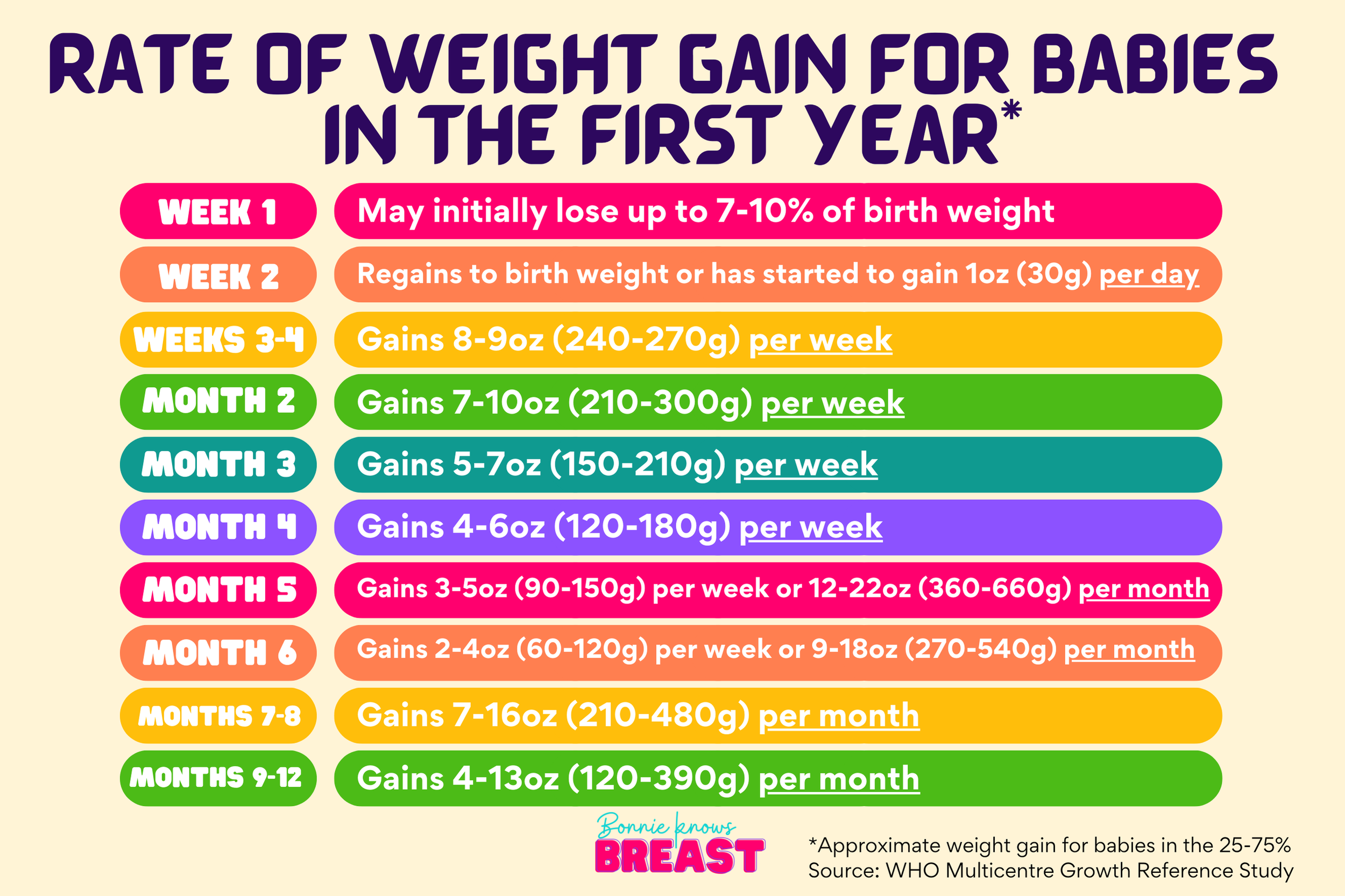
It’s also important for understanding developmental milestones. Babies typically gain about 5-7 ounces a week during the first few months. By tracking weight, you can better assess if your baby is achieving these milestones.
How to Use the Chart Effectively
To make the most out of your Infant Weight Gain Chart By Week, follow these steps:
- Regular Weighing: Weigh your baby weekly at the same time of day, preferably before their first feeding. This consistency helps provide accurate data.
- Record Keeping: Use a pen or pencil to fill in the weight each week. Some charts might allow you to mark where your baby’s weight falls on the percentile lines.
- Compare: After tracking for a few weeks, look for trends. Is your baby gaining weight consistently? Are they staying within a healthy percentile range?
- Consult with Your Pediatrician: If you notice any irregularities, such as weight loss or slow gain, consult your pediatrician. They can provide guidance based on your baby’s specific needs.
Formatting and Presentation
When printing the Infant Weight Gain Chart, consider the following tips:
- Paper Type: Use a heavier weight paper, like cardstock, if you plan to keep the chart for a long time. This will prevent wear and tearing.
- Size: Standard letter size (8.5” x 11”) is most common, but make sure it fits well in a binder or folder for easy access.
- Color Coding: If you’re feeling creative, you might use colored pens to mark different weeks or milestones. This can make tracking more visually appealing and easier to follow.
Additional Resources and Tools
In addition to the chart, you might find it helpful to have other resources on hand:
- Feeding Guidelines: Knowing how much to feed your baby can help support healthy weight gain.
- Growth Development Books: These can provide context about what to expect in terms of growth and development.
- Apps: There are several apps available that allow you to track weight and growth digitally, which can be a convenient alternative to paper charts.
