Creating a Weight Loss Diet Plan Chart can be a useful option for anyone looking to shed some pounds and boost their overall health. This resource helps you organize your meals, track your progress, and stay motivated throughout your weight loss journey. It’s perfect for busy parents who want a structured approach to healthy eating without feeling overwhelmed.
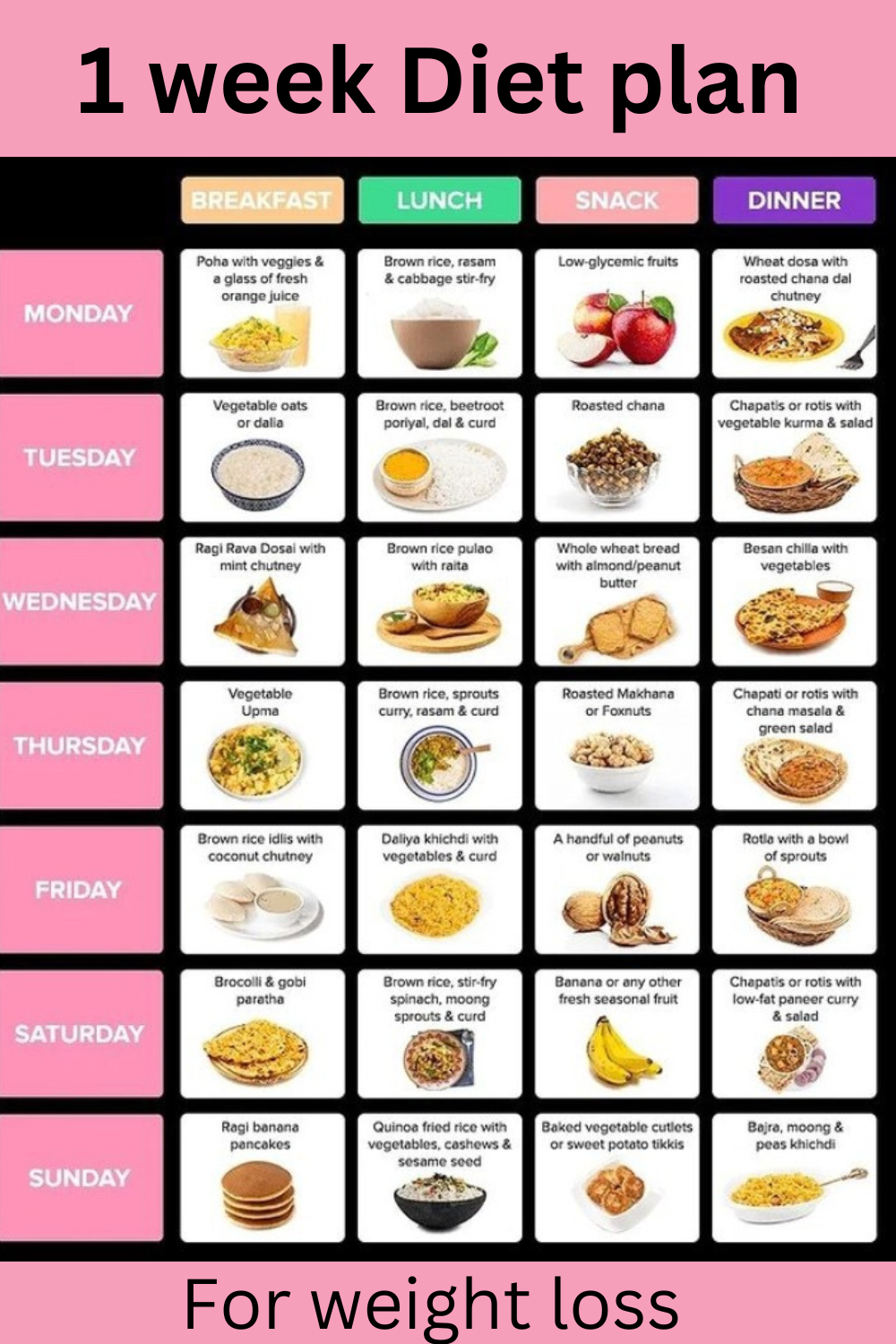
What is a Weight Loss Diet Plan Chart?
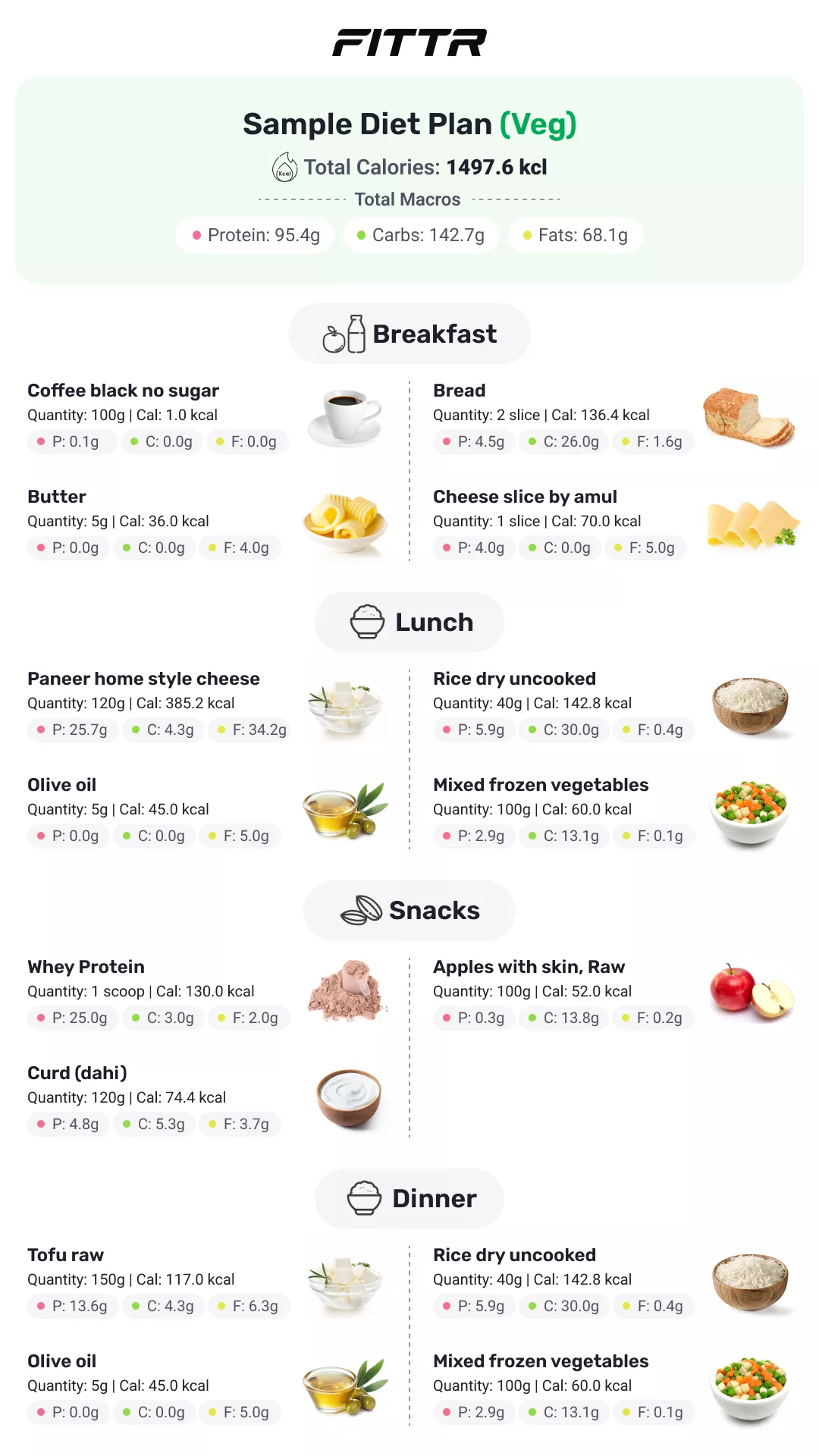
A Weight Loss Diet Plan Chart is essentially a tool that allows you to outline your daily meals, snacks, and beverages in an organized manner. It provides a clear visual representation of what you’re eating, when you’re eating, and how it fits into your overall weight loss plan. By filling it out, you can easily see any patterns in your eating habits and identify areas for improvement.
The chart typically includes sections for:
- Meal types (breakfast, lunch, dinner, snacks)
- Food choices (specific foods or categories)
- Portion sizes
- Caloric intake
- Weekly goals and notes
This resource is particularly useful if you’re trying to balance family meals with your own dietary needs. It helps you ensure that you’re not only feeding your family nutritious meals but also sticking to your weight loss goals.
How to Use the Weight Loss Diet Plan Chart
Using a Weight Loss Diet Plan Chart is straightforward. Here’s how you can effectively incorporate it into your daily routine:
- Download and Print: Start by downloading your chart from a reliable printable-resource website. Make sure to print it out in a size that fits well on your fridge or a visible spot in your kitchen.
- Plan Your Meals: Dedicate some time each week to plan your meals. Look at your family’s schedule and decide what meals you’ll prepare. Fill in the chart with your planned meals, ensuring you include a variety of foods to meet nutritional needs.
- Track Your Intake: As you go through the week, jot down what you actually eat. This will help you identify any discrepancies between your planned meals and what you ended up consuming.
- Review and Adjust: At the end of the week, review your chart. Look for patterns—perhaps you’re skipping meals or leaning too heavily on snacks. Adjust your meal plan accordingly for the next week.
- Set Goals: Use the chart to set realistic weekly goals. For example, you might aim to include more vegetables or reduce sugary snacks. This will keep you focused and motivated.
Tips for Filling Out Your Weight Loss Diet Plan Chart
To get the most out of your Weight Loss Diet Plan Chart, here are some practical tips:
- Be Specific: Instead of writing “salad” for lunch, specify what kind of salad you’ll have. Will it include chicken, chickpeas, or a specific dressing? The more detailed, the better.
- Portion Control: Write down portion sizes to hold yourself accountable. If you’re unsure about how much to eat, consider using measuring cups or a food scale initially.
- Stay Flexible: Life can be unpredictable, especially with kids. If you need to swap meals around, don’t stress. Just make a note of the changes on your chart.
- Involve Your Family: Encourage your kids to help with meal planning. This can be a fun way to teach them about nutrition and get them excited about healthy eating.
- Use a Digital Version: If you prefer digital resources, consider using a spreadsheet or an app designed for meal planning. This can make it easier to track your progress over time.
Common Mistakes to Avoid
Even with a Weight Loss Diet Plan Chart, it’s easy to fall into some common traps. Here are a few to watch out for:
- Not Being Honest: If you skip writing down certain foods, it can skew your understanding of your eating habits. Be honest with yourself for the best results.
- Overcomplicating Meals: Sometimes, the simplest meals are the healthiest. Don’t feel pressured to create elaborate dishes. Focus on whole foods that are easy to prepare.
- Ignoring Snacks: Snacks can add up quickly, so make sure to include them in your chart. Opt for healthy options like fruits, nuts, or yogurt to stay on track.
- Setting Unrealistic Goals: It’s great to be ambitious, but setting overly strict goals can lead to frustration. Aim for gradual changes that you can maintain in the long run.
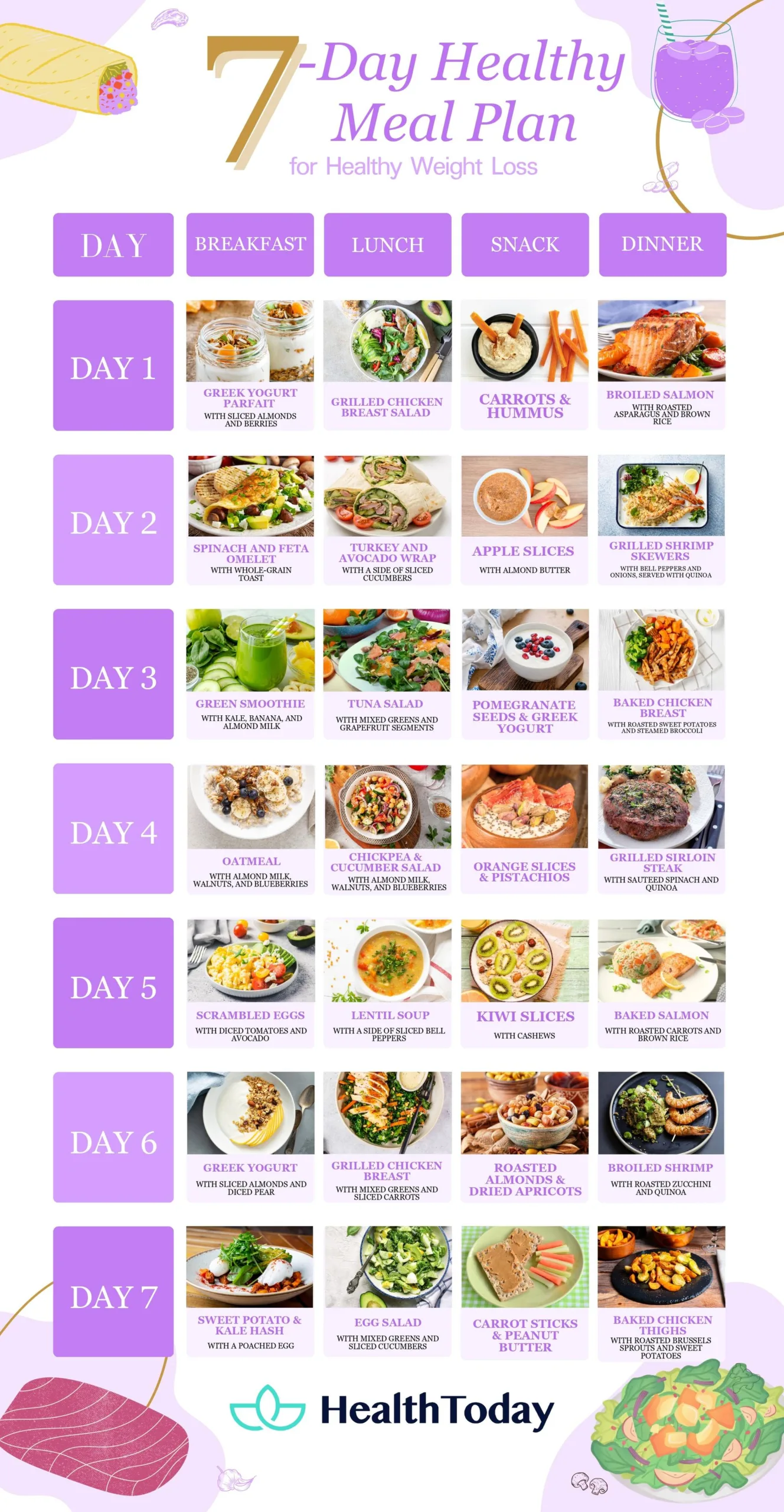
Where to Find Your Weight Loss Diet Plan Chart
You can easily find a variety of Weight Loss Diet Plan Charts available for download on printable-resource websites. Look for options that suit your style—some may be simple grids while others might include motivational quotes or tips for healthy eating.
When you select a chart, ensure it’s easy to print and fits your needs. You might even find templates that allow for customization, enabling you to adapt the chart to your family’s specific dietary preferences.
Incorporating a Weight Loss Diet Plan Chart into your routine can make meal planning and tracking more manageable. With a clear visual guide, you’re more likely to stick to your goals and make healthier choices for yourself and your family.
