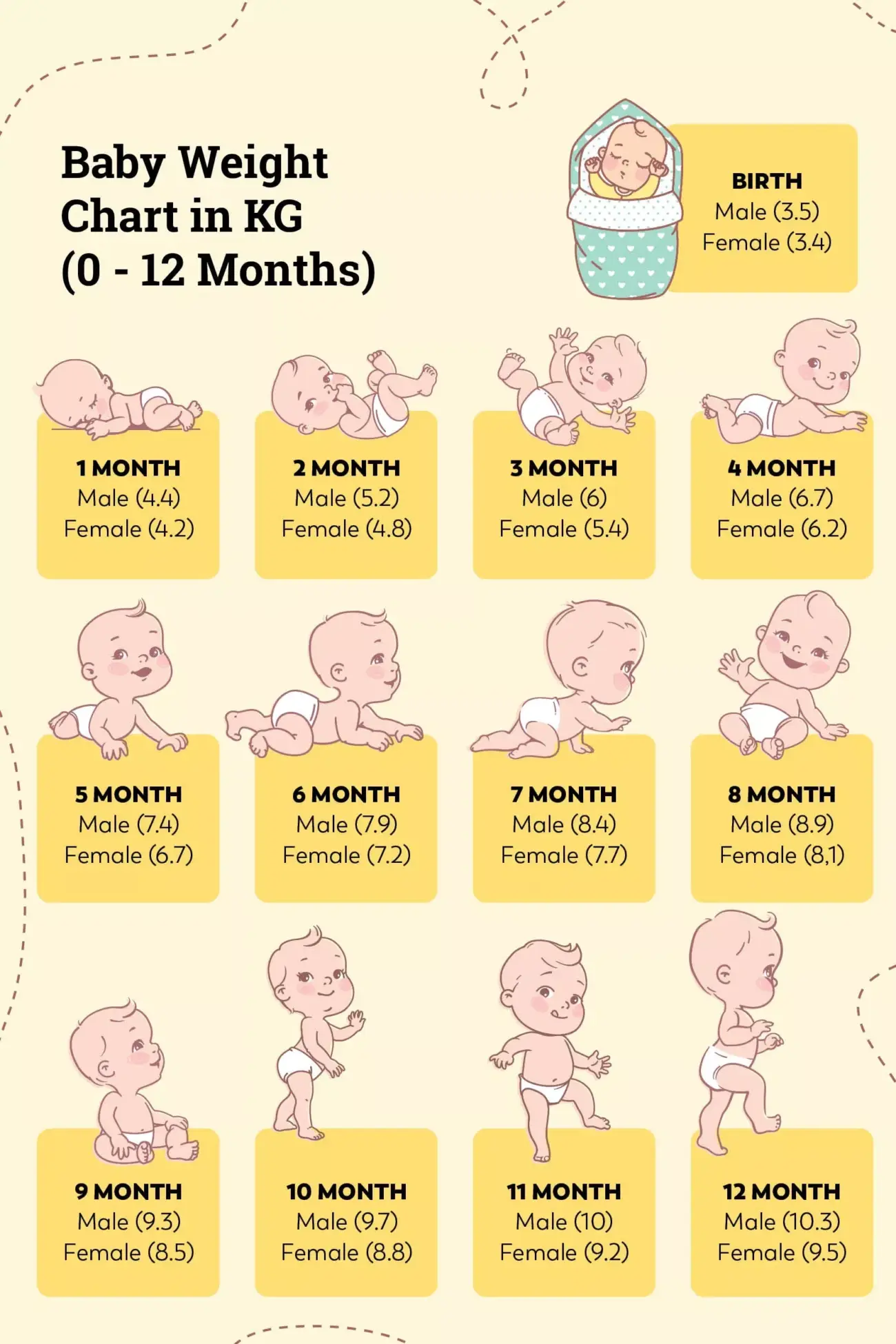
Tracking your baby’s growth is one of the most vital parts of parenting, especially during those early months. A well-organized Weight Gain Chart For Infants In Kg can be an invaluable resource for you to monitor your infant’s progress. This chart provides a clear visual representation of weight changes over time, helping you ensure that your little one is on track with their growth milestones.
Understanding the Weight Gain Chart Layout
When you sit down to use a weight gain chart, it’s essential to understand its layout. Typically, these charts are formatted in a simple table style. The vertical axis usually represents the weight in kilograms, while the horizontal axis displays the age of your infant in months.
This format allows you to plot your baby’s weight at various ages, providing a straightforward way to visualize whether they are gaining weight appropriately. In my experience, having a dedicated area for each month makes it easy to see patterns at a glance—whether they’re gaining steadily or if adjustments in feeding might be needed.
Key Sections of the Weight Gain Chart
Age and Weight Columns
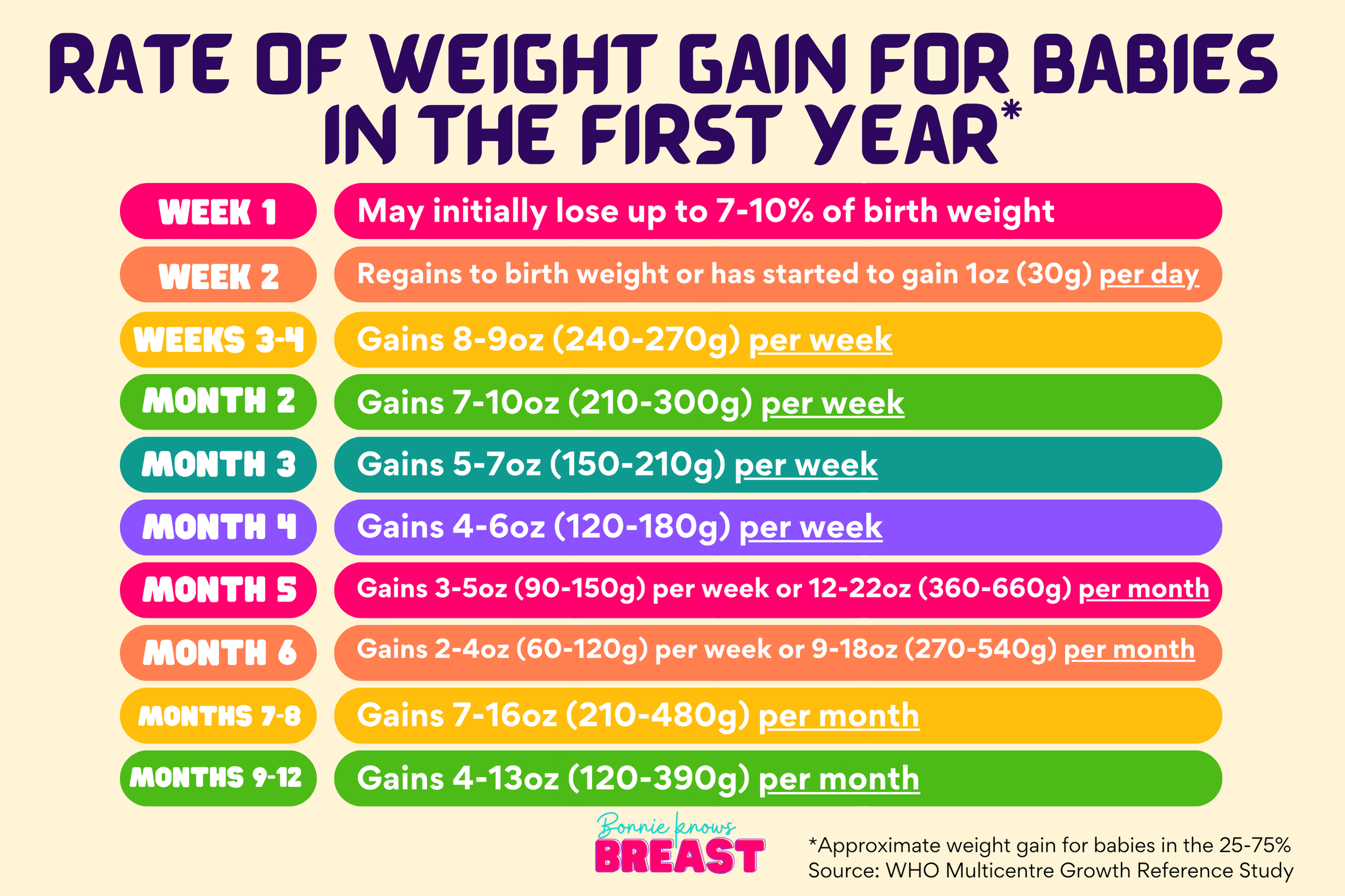
The primary sections of the chart include columns for age and weight. The age column is typically broken down into months, while the weight column allows you to input your baby’s weight at each check-up. This structured format means you can easily track their growth over time.
When filling this out, it’s helpful to have your pediatrician’s records handy. They usually measure your infant’s weight during routine check-ups, and having those numbers readily available can make filling in the chart much less daunting.
Percentile Lines
Another critical feature of many weight gain charts is the percentile lines. These lines help you understand how your child’s weight compares to a large sample of infants. For instance, if your baby is in the 50th percentile, that means they weigh more than 50% of infants their age.
Understanding percentiles can provide reassurance. If your baby is consistently tracking along a particular percentile line, it often indicates that they are growing as expected. However, if you notice significant fluctuations, it might be time to consult your pediatrician for advice.
Filling Out the Weight Gain Chart
Gathering Information
Before you start filling out the chart, it’s a good idea to gather all necessary information. You’ll need your baby’s most recent weight, which you can get during their check-ups. Additionally, keeping a record of previous weights will help you visualize their growth journey better.
Regular Updates
Aim to update the chart regularly—ideally after every pediatrician visit. This routine will help you stay on top of any changes in your baby’s weight. I find it helpful to set a reminder on my phone after each appointment to make it a part of our routine.
Noting Milestones
While filling out the chart, consider noting any significant milestones alongside the weight entries. For instance, if your baby started crawling or eating solids, these notes can provide a fuller picture of their growth and development.
Using the Weight Gain Chart in Your Routine
Incorporating the weight gain chart into your routine can be as simple as keeping it in a dedicated spot, like the fridge or a baby book. This visibility helps you remember to update it after each appointment.
You might also want to share this chart with caregivers or family members involved in your baby’s life. This way, everyone can be aware of your baby’s growth and development, making it easier for them to support you in feeding and care routines.
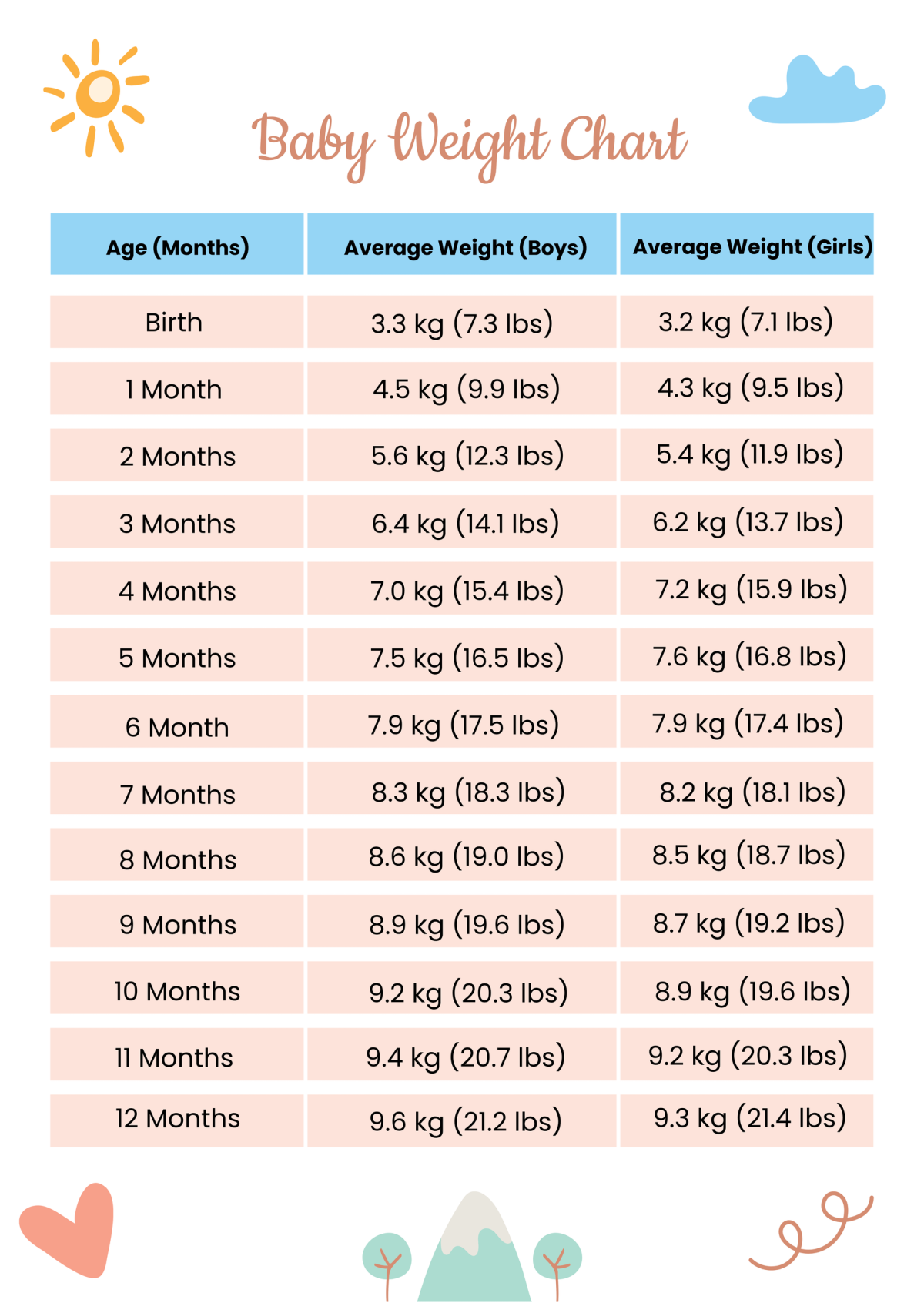
Tips for Effective Use of the Weight Gain Chart
- Choose the Right Format: Whether you prefer a printable chart or a digital version, select the format that suits your lifestyle best. Printable charts allow for easy jotting down of weights, while digital ones can be updated quickly.
- Use Clear Markings: When plotting weights, consider using different colors or symbols for easy identification. For example, you could use blue for routine check-ups and red for any significant concerns.
- Review Regularly: Take time to review the chart every few months. This practice not only helps you stay informed but can also provide a sense of accomplishment as you see your baby’s growth journey laid out visually.
- Consult with Professionals: If you have any concerns about your baby’s weight gain, don’t hesitate to consult your pediatrician. They can provide insights based on your chart and offer tailored advice.
- Celebrate Progress: Don’t forget to celebrate milestones! Whether it’s a weight gain that puts your baby at a new percentile or simply a steady growth pattern, acknowledging these moments can be encouraging.
Using a Weight Gain Chart For Infants In Kg is not just about numbers; it’s about understanding your baby’s growth and development. By keeping track in a structured way, you can feel confident in your parenting journey and ensure your little one is thriving as they should. Consider downloading a printable version of the chart today to start tracking your baby’s growth effectively!
