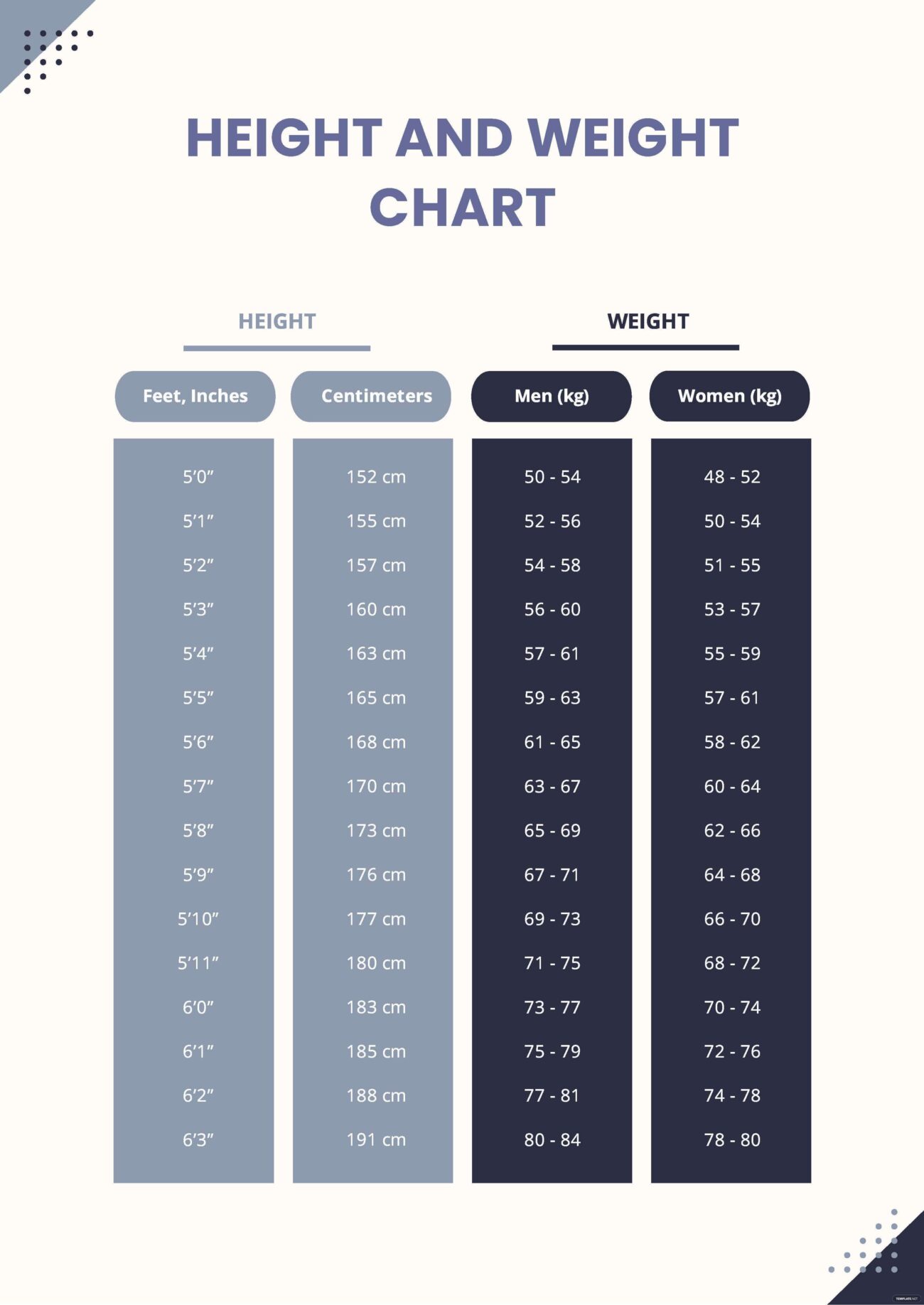
When it comes to keeping track of your family’s health, a Height And Weight Chart In Lbs is an incredibly handy tool. If you are monitoring your child’s growth or just want to maintain your own health, these charts help visualize where you stand in relation to ideal weight ranges. walk you through what a height and weight chart is, how to use it effectively, and where it fits into your daily health routine.
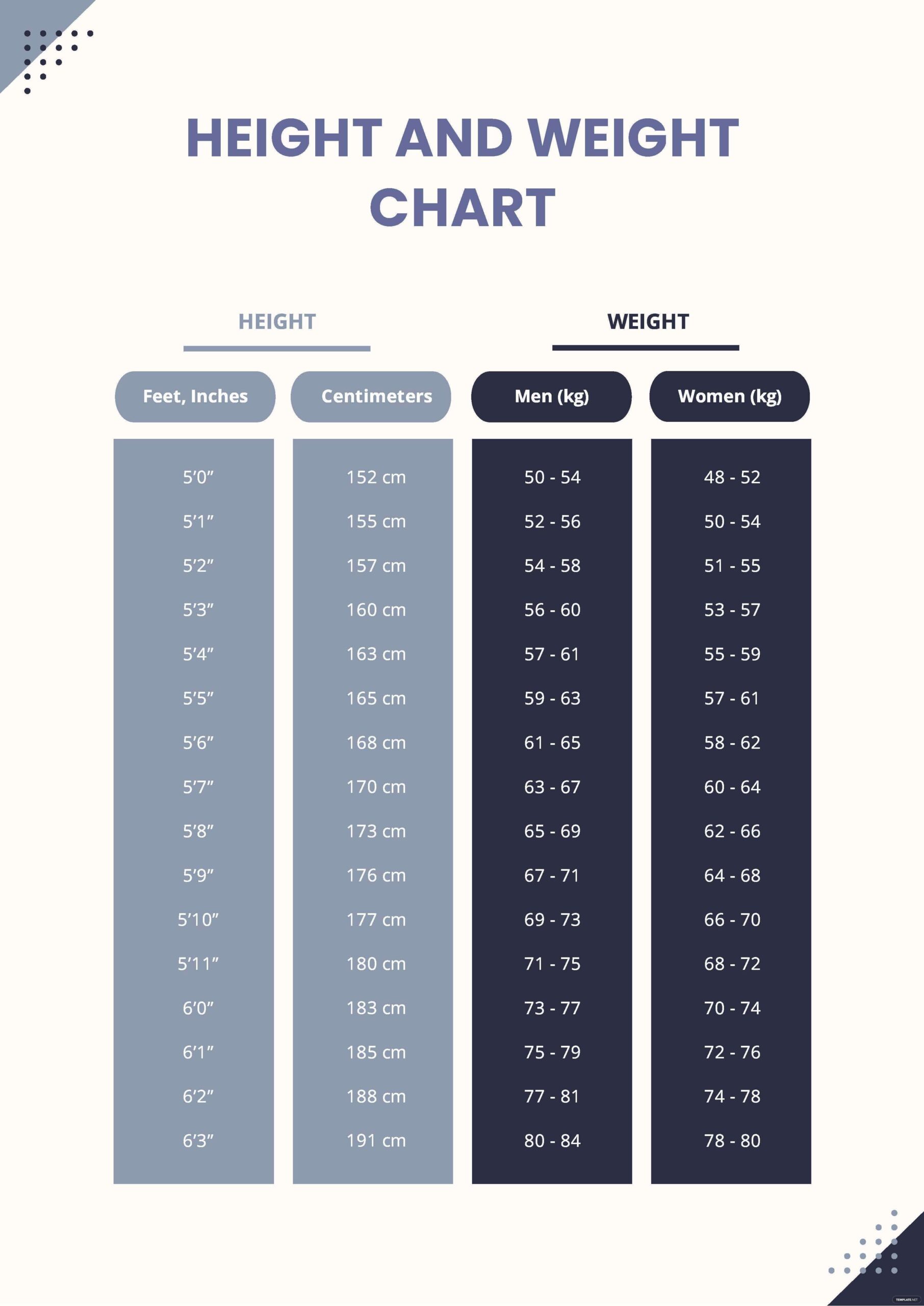
Understanding the Height And Weight Chart In Lbs
A height and weight chart provides a visual representation of the relationship between height and weight. It typically features a grid where one axis represents height (in inches or centimeters) and the other represents weight (in pounds). These charts are often used by parents, health care providers, and individuals to assess growth patterns and determine whether a person is within a healthy weight range for their height.
The charts can vary based on age and gender, especially for children, as growth patterns differ significantly. For adults, the charts are generally straightforward, focusing on BMI (Body Mass Index) categories: underweight, normal weight, overweight, and obesity.
How to Read the Chart
Reading a Height And Weight Chart In Lbs is quite simple, but here’s a step-by-step approach to make it even clearer:
- Find Your Height: Locate your height on the vertical axis. It’s usually listed in inches.
- Locate Your Weight: Move horizontally across to find your weight on the horizontal axis, which is typically in pounds.
- Assess Your Category: Where your height and weight intersect will show you which category you fall into. If you’re using a pediatric chart, it may also provide percentiles to show how your child’s growth compares to others of the same age and gender.
- Consider Age and Gender: For children, always take into account their age and gender, as growth patterns can vary widely during childhood.
Common Mistakes in Reading the Chart
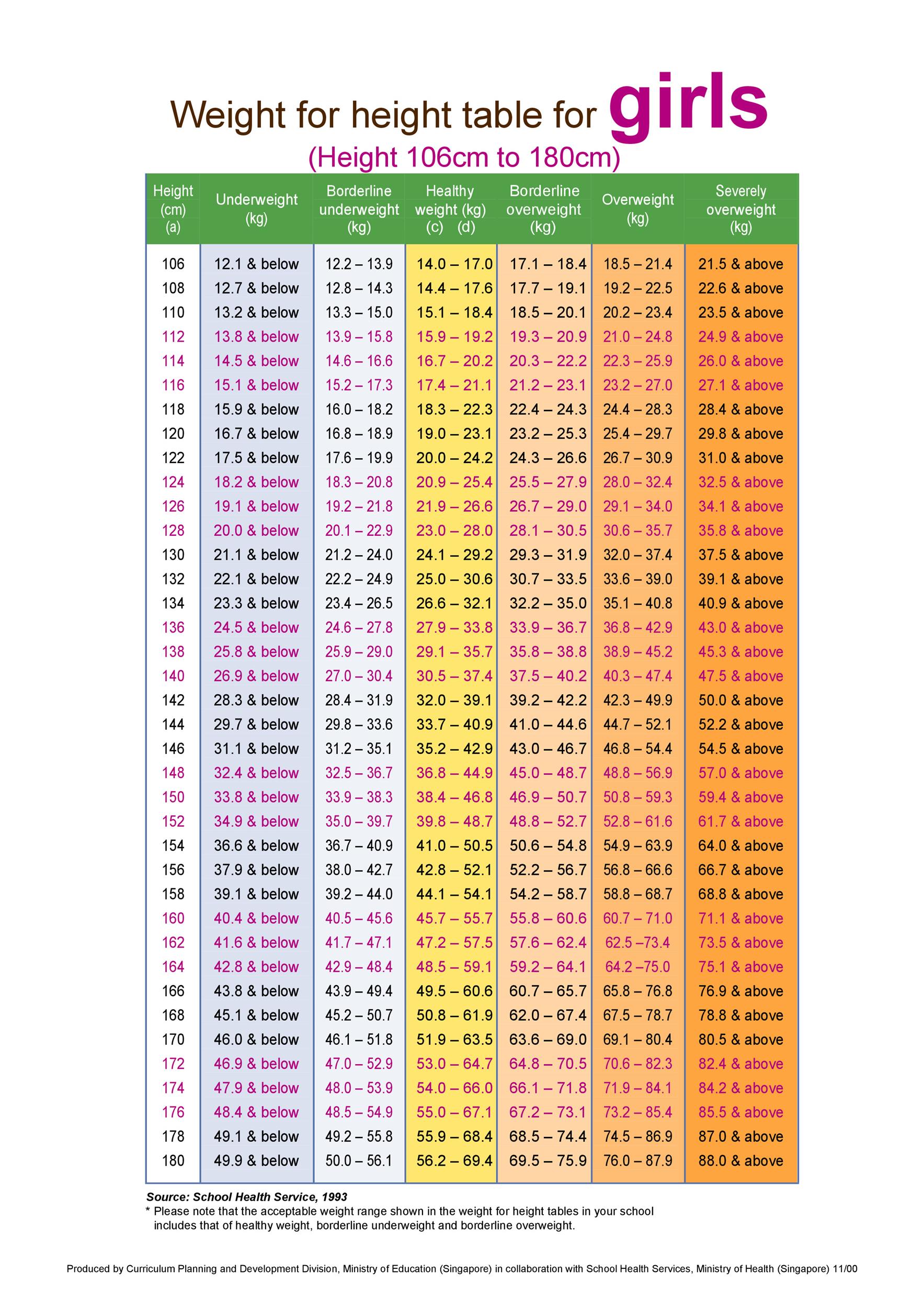
One common mistake is not considering the age and gender when evaluating a child’s growth. It’s important to use the appropriate chart for their specific demographic. Additionally, some people may misinterpret the categories, thinking that being at the very top of the “normal” range is optimal, whereas what matters more is being healthy and active.
Best Practices for Using a Height And Weight Chart In Lbs
To get the most out of a height and weight chart, consider these best practices:
- Regular Updates: Make it a habit to update the chart regularly, especially for growing children. Tracking changes quarterly can help you notice trends in growth.
- Use Accurate Measurements: Ensure that you’re measuring height and weight accurately. For height, it’s best to measure without shoes and with the heels, back, and head against a flat wall. Weigh yourself at the same time of the day for consistency.
- Consult Health Care Providers: If you’re concerned about the numbers, don’t hesitate to consult with a pediatrician or a healthcare provider. They can provide insights based on growth patterns and overall health.
Where to Download a Height And Weight Chart
You can easily find printable Height And Weight Charts In Lbs online. Many websites offer downloadable and printable versions, often in PDF format to ensure the layout remains intact when printed. Look for resources that specify the chart is tailored for your needs—whether for adults or children—and ensure it’s from a reputable source.
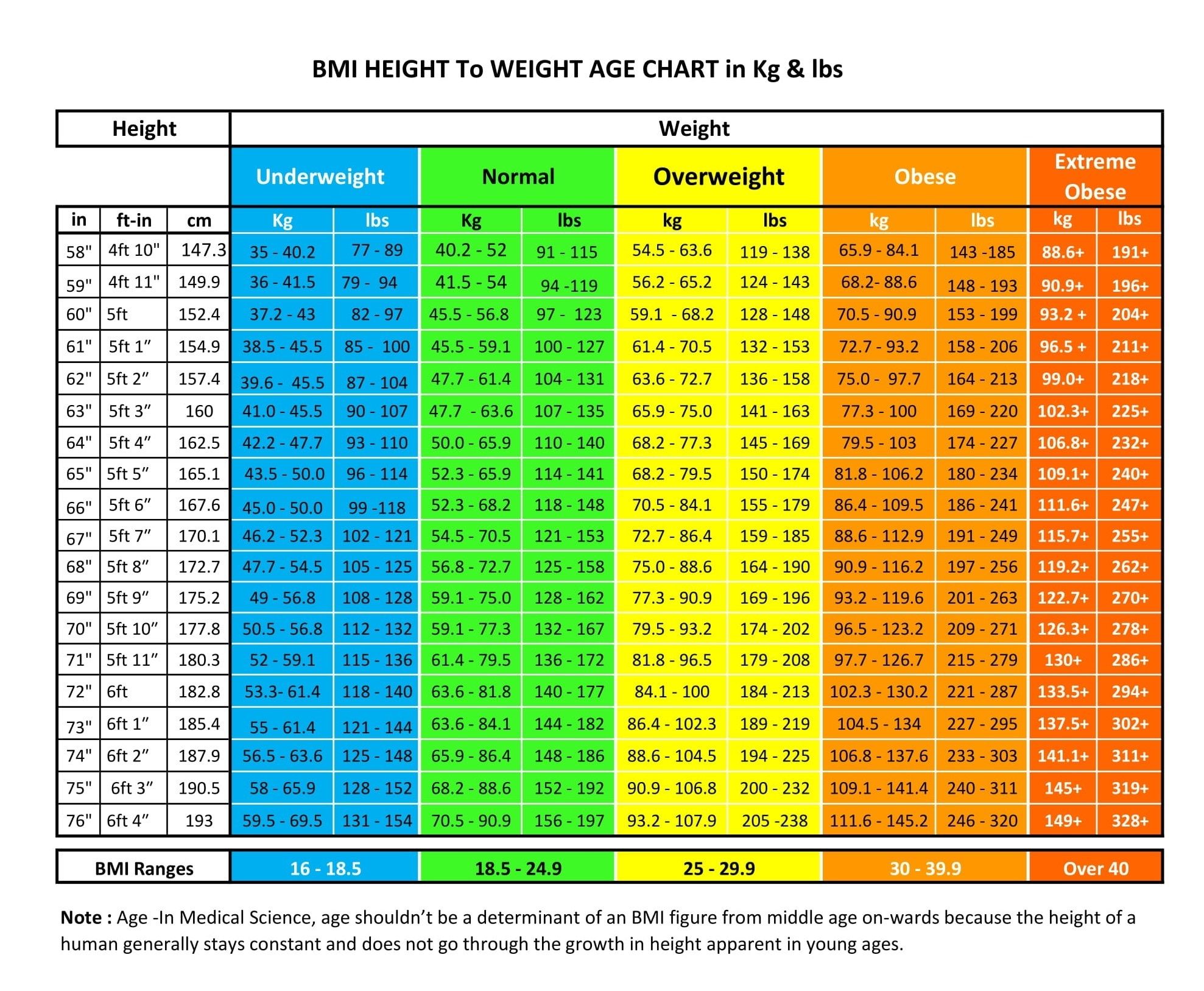
Incorporating the Chart Into Your Routine
Using a Height And Weight Chart In Lbs is most effective when integrated into regular health check-ups or family wellness routines. Here’s how to incorporate it seamlessly:
- Monthly Health Check: Set aside time each month to measure and record your family members’ heights and weights. This could be a fun family activity, especially for kids, as they get to see their growth visually.
- Discuss the Results: After updating the chart, sit down with your family and discuss the results. This can open up conversations about health, fitness, and nutrition.
- Set Goals: If the chart indicates a need for weight management (either gaining or losing), set realistic goals as a family. This encourages everyone to support one another in healthy lifestyle choices.
