Managing weight can be a sensitive topic, especially for elderly females who may face unique health challenges. Having a reliable Weight Chart For Elderly Females helps to monitor weight changes over time, ensuring that health stays on track. Whether you’re a caregiver, family member, or simply looking to support a loved one, understanding how to use this chart can make a significant difference.
Understanding the Weight Chart for Elderly Females
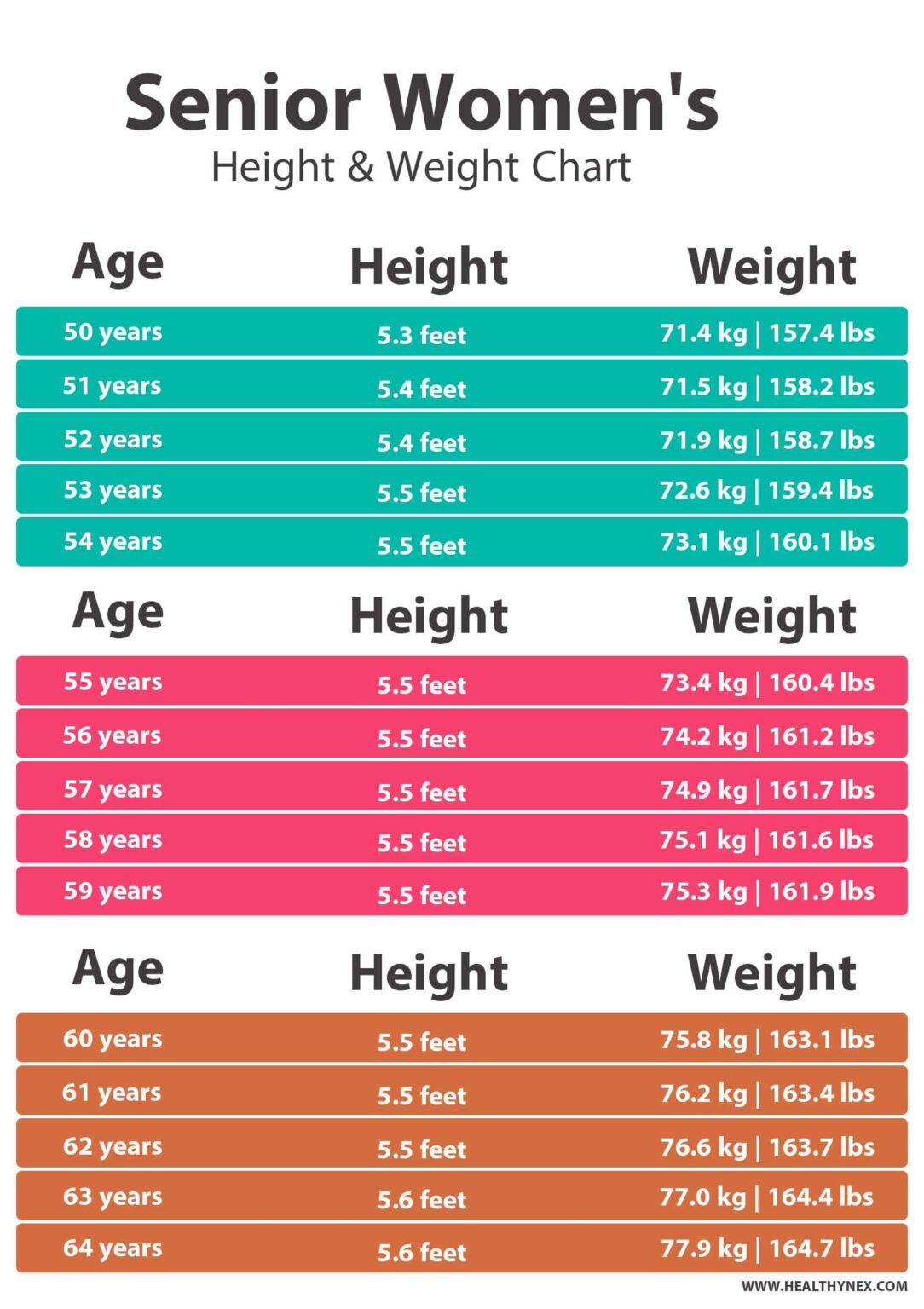
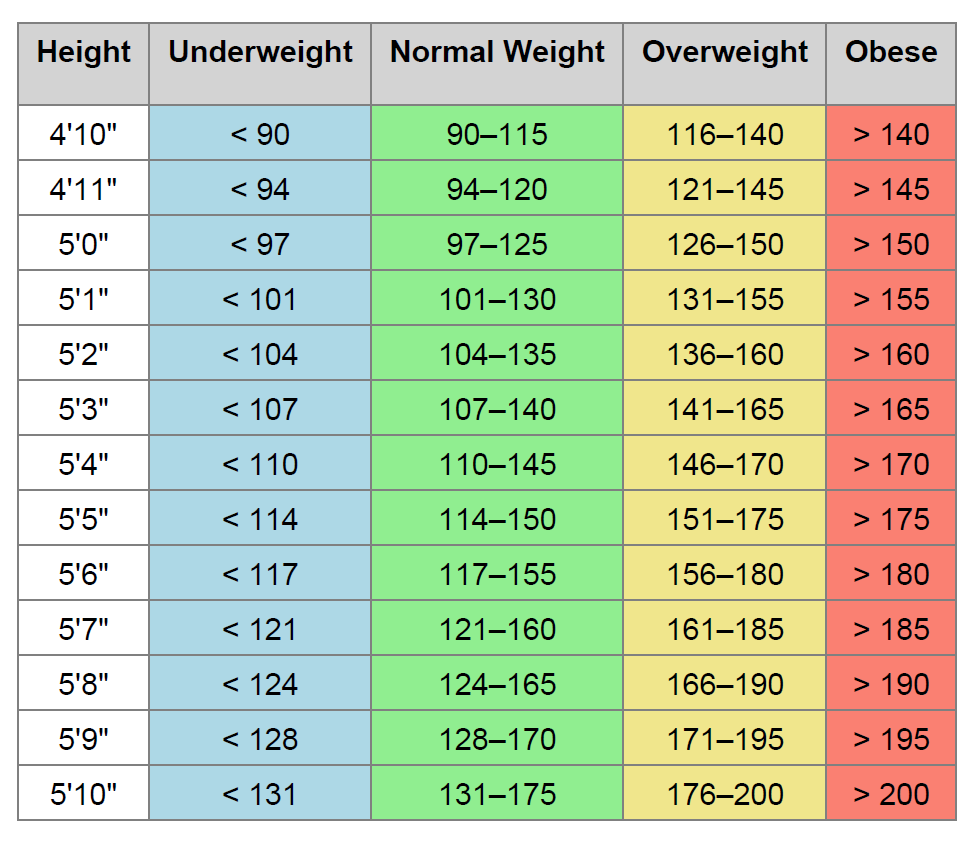
A weight chart is a valuable tool that provides a visual representation of weight ranges based on height and age, specifically tailored for elderly females. It typically includes various metrics such as ideal weight ranges, BMI (Body Mass Index) categories, and potential health implications related to weight.
Using this chart allows you to:
- Compare current weight against recommended ranges.
- Identify any significant weight changes that may need attention.
- Facilitate discussions with healthcare providers regarding weight management and overall health.
How to Read the Weight Chart
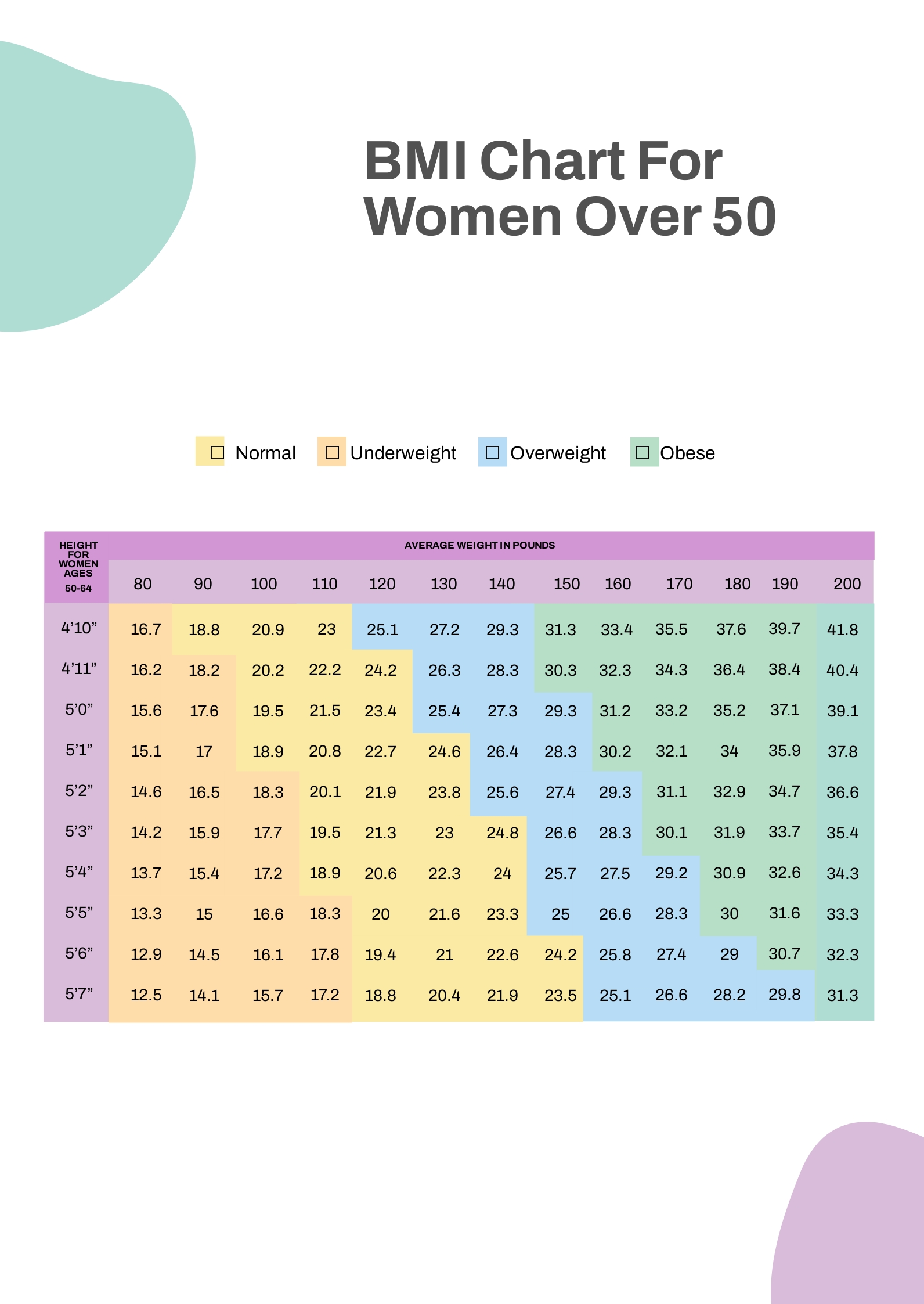
To effectively use a weight chart, it’s essential to know how to read it correctly. Most charts will present height on one axis and weight on the other. Here’s a step-by-step guide to interpreting the chart:
- Locate Height: Find the height of the individual on the chart. This is often measured in inches or centimeters.
- Identify Weight Range: Move horizontally across the chart to find the recommended weight range for that height.
- Check BMI Categories: Some charts may also indicate BMI categories (underweight, normal, overweight, obese) next to the weight ranges. This can provide additional context on health risks associated with different weight levels.
Filling in the Chart
Once you have the weight chart, you may want to fill it out with relevant information. Here’s how to prepare before you start:
- Gather Measurements: Have a scale handy to get an accurate weight measurement. If possible, measure height as well to ensure accuracy.
- Record Dates: It’s helpful to note the date of each measurement. This allows you to track changes over time.
- Include Additional Notes: Consider adding any relevant notes, such as recent health changes, medications, or dietary adjustments that might impact weight.
Incorporating the Weight Chart Into a Routine
Integrating the weight chart into a regular health routine can be beneficial. Here’s how to make it a part of your weekly or monthly check-ins:
- Set Scheduled Weigh-Ins: Choose a specific day and time for weigh-ins to maintain consistency. Mornings, after using the restroom, and before breakfast can yield the most accurate results.
- Review Regularly: Take time to review the chart periodically. Look for trends or significant changes that may warrant a conversation with a healthcare professional.
- Adjust Goals as Needed: If weight changes occur, it may be necessary to adjust dietary or exercise goals. Use the chart as a guide for these discussions.
Resources for Weight Charts
When looking for a weight chart for elderly females, several resources are available. You can find printable templates online, often in PDF format, which can be easily downloaded and printed. Here are some tips for choosing the right chart:
- Look for Recent Updates: Ensure the chart reflects current health guidelines and recommendations.
- Check for User-Friendly Layouts: A clear, simple design will make it easier to read and use regularly.
- Consider Additional Information: Some charts may come with health tips or guidelines, which can enhance their usefulness.
Final Tips for Using the Weight Chart
Using a weight chart is not just about numbers; it’s about fostering a healthy lifestyle. Here’s one actionable tip: Keep the chart visible! Hang it on the fridge or a regular spot in the home to serve as a constant reminder of health goals. This can encourage accountability and promote ongoing discussions about health and wellness.
By incorporating a Weight Chart For Elderly Females into daily routines, you contribute to a supportive environment for managing health and weight effectively.
