Tracking your child’s growth can be a vital part of parenting. A Girls Height and Weight Chart provides an easy way to monitor your daughter’s development over time. Whether you’re a parent, caregiver, or educator, having this resource on hand can help you assess growth patterns and ensure that your child is on track for a healthy lifestyle. guide you on how to effectively use this chart, what information it contains, and some tips for integrating it into your routine.
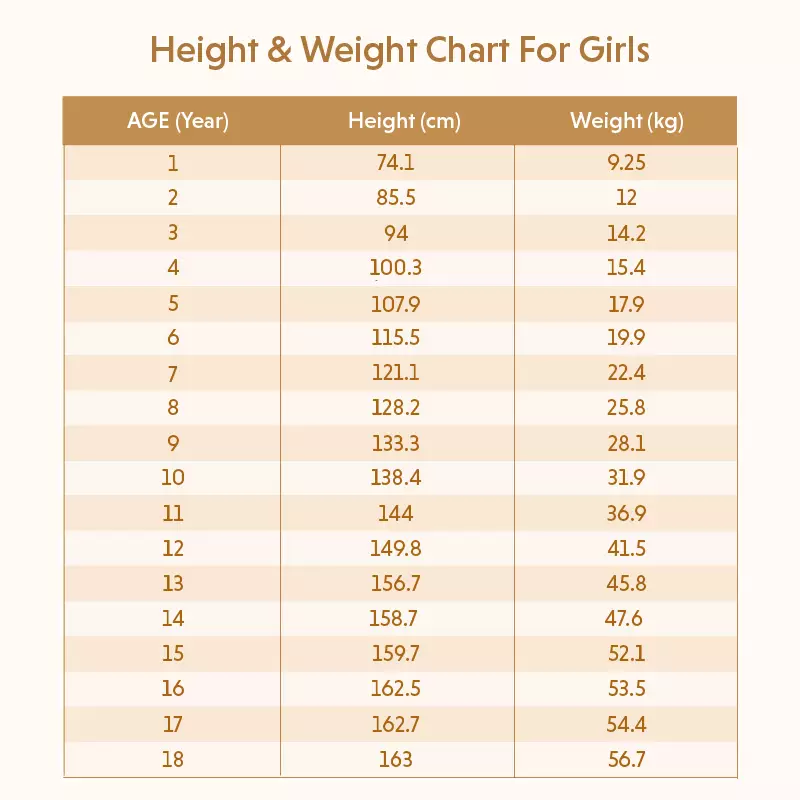
Understanding the Girls Height and Weight Chart
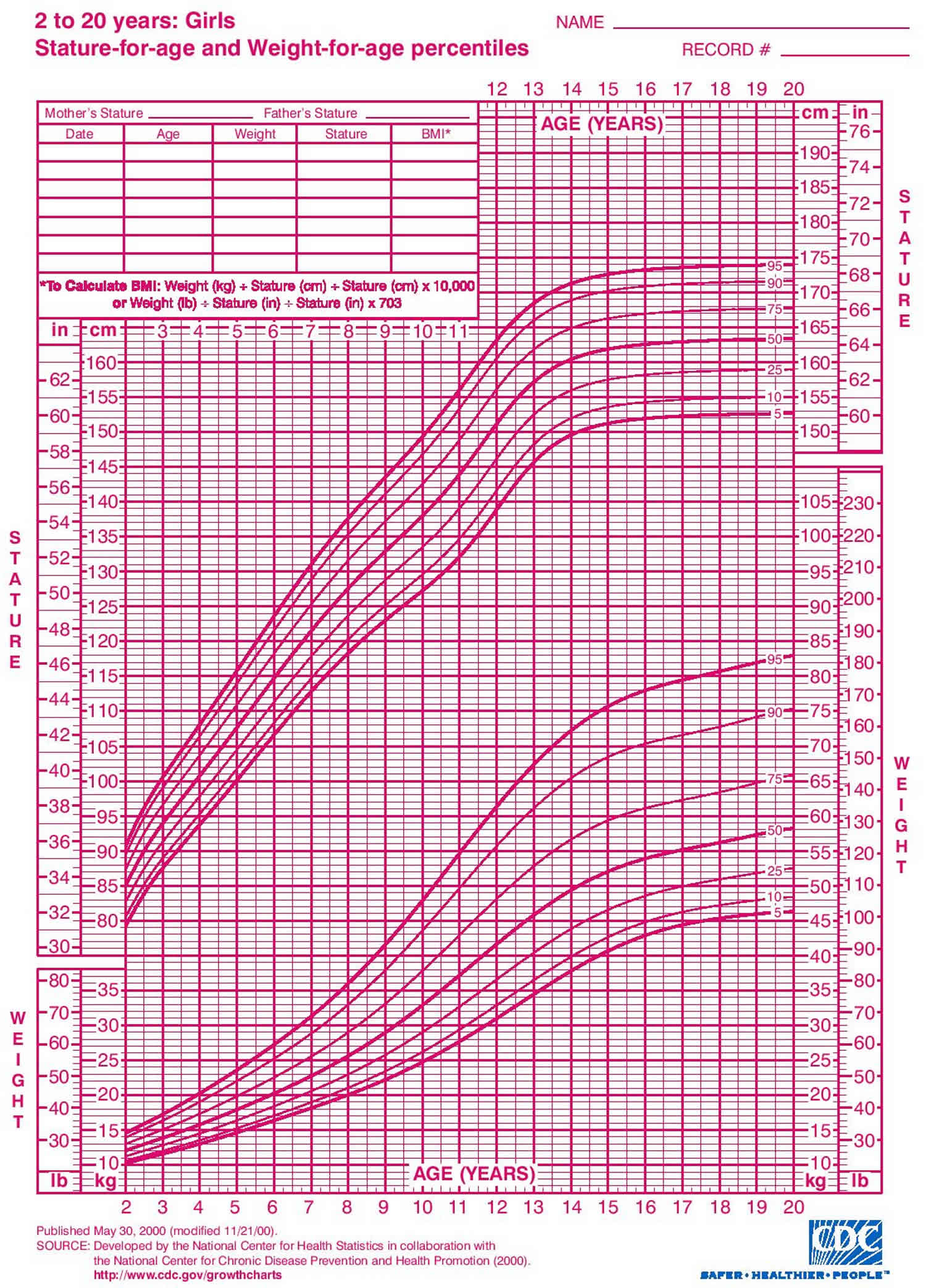
A Girls Height and Weight Chart typically includes a series of percentiles that indicate the average height and weight for girls at various ages, usually from birth to 18 years. The percentiles show how your child’s measurements compare to those of other girls of the same age. For instance, if your daughter is in the 75th percentile for height, she is taller than 75% of her peers.
These charts are crucial for identifying growth trends. If your child consistently falls below the 5th percentile or above the 95th percentile, it may be time to consult a healthcare provider. Using this chart helps you quickly visualize where your child stands in terms of growth compared to typical developmental milestones.
How to Use the Chart Effectively
So, how do you fill in and interpret the Girls Height and Weight Chart? Here’s a step-by-step guide:
- Gather Accurate Measurements: Use a stadiometer for height and a scale for weight. Make sure your child is standing straight and barefoot for height measurements, and lightly clothed for weight.
- Record the Data: Write down your child’s height and weight at regular intervals—monthly for younger children and every few months for older ones.
- Locate the Age: Find your child’s age on the chart. Girls’ growth patterns can vary significantly, so ensure you’re referencing the correct age group.
- Plot the Measurements: Mark your child’s height and weight on the chart. This visual representation will help you see any trends over time.
- Interpret the Percentiles: Assess where your child’s measurements fall on the scale. A healthcare provider can help you understand what these numbers mean in the context of your child’s health.
When to Use the Girls Height and Weight Chart
You’ll want to regularly check the Girls Height and Weight Chart during routine check-ups, especially during growth spurts, which often occur in early childhood and adolescence. These are key periods when you should be particularly attentive to growth patterns.
Additionally, if there are any concerns regarding your child’s health, such as a sudden weight gain or loss, the chart can be a helpful tool to discuss with a pediatrician. It can also be beneficial for monitoring health during transitional periods, like moving from primary to secondary school.
Tips for Printing and Using the Chart
If you decide to download and print the Girls Height and Weight Chart, here are some practical tips for ensuring it serves its purpose well:
- Paper Quality: Use a heavier weight paper, like cardstock, to increase durability, especially if it will be handled frequently.
- Orientation: Portrait orientation generally works better for most home printers. This layout is easier to read and fits better in folders or binders.
- Visibility: Consider printing in color for better visibility of the different percentiles. This makes it easier to track your child’s progress at a glance.
- Storage: Keep the chart in a designated family health binder. This way, you can easily access it during doctor visits or whenever you want to check growth patterns.
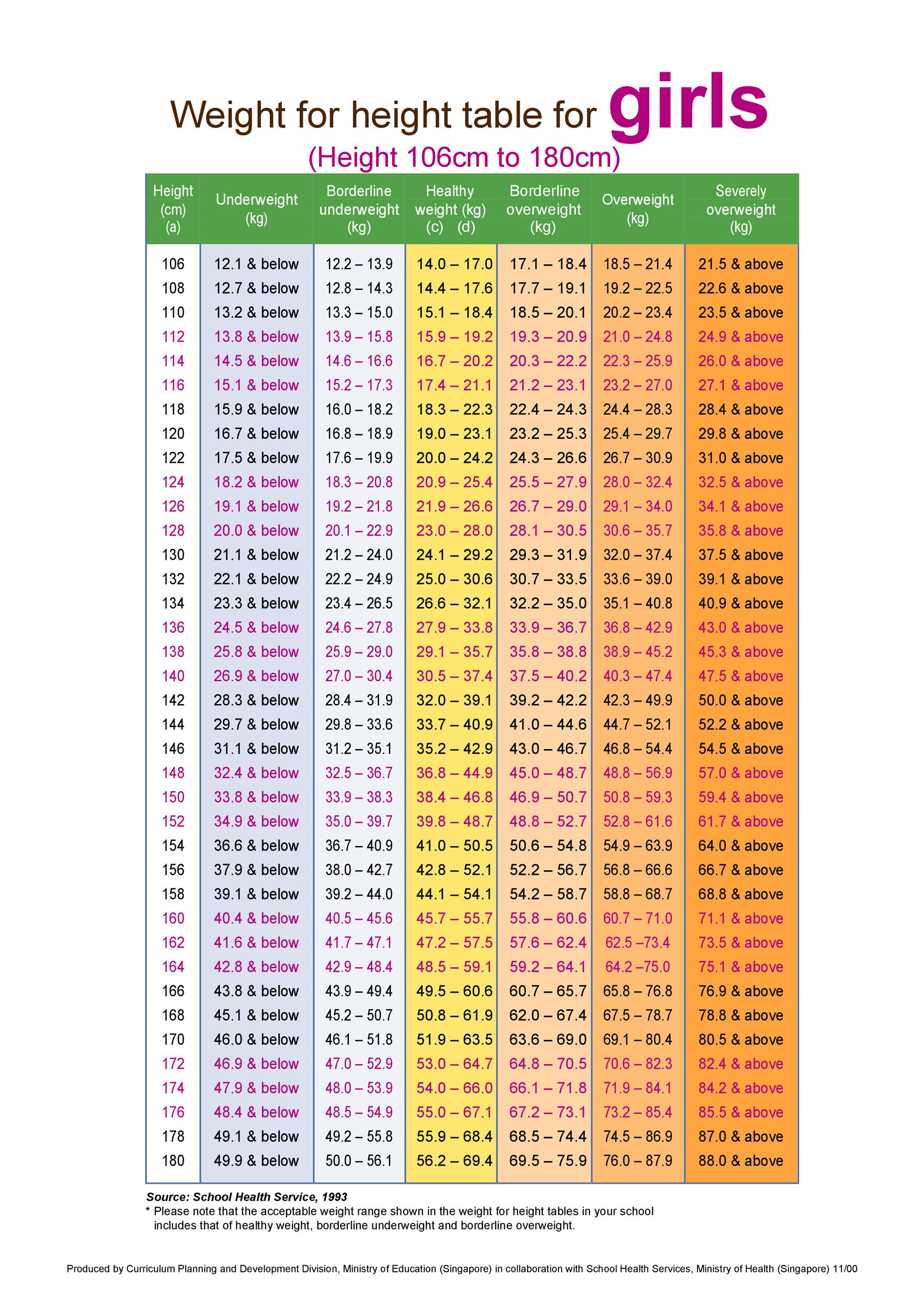
Incorporating the Chart Into Health Routines
Using the Girls Height and Weight Chart is not just about recording numbers; it’s about fostering a healthy lifestyle for your child. Here’s how you can incorporate it into daily life:
- Discuss Growth Openly: Talk to your daughter about her growth in a positive way. Encourage her to embrace her unique body and understand that everyone grows at their own pace.
- Set Healthy Goals: If you notice trends that concern you, set realistic health goals together, such as improving nutrition or increasing physical activity.
- Celebrate Milestones: When your child reaches a new percentile or shows consistent growth, celebrate it! This can motivate her to maintain a healthy lifestyle.
- Routine Check-ins: Make it a habit to check the chart regularly. This can be a fun family activity, encouraging everyone to track their health metrics together.
The Girls Height and Weight Chart is more than just a piece of paper; it’s a practical tool for understanding and supporting your child’s development. By using it wisely, you can play an active role in your daughter’s health journey, ensuring she grows up strong and healthy.
