Understanding your child’s growth is vital for their overall health, and the CDC Height and Weight Chart is an essential tool for parents. This chart provides a clear visual reference for assessing your child’s growth patterns and ensuring they’re on track during their developmental years. In this article, I’ll guide you step-by-step on how to effectively use this chart to keep an eye on your child’s height and weight.
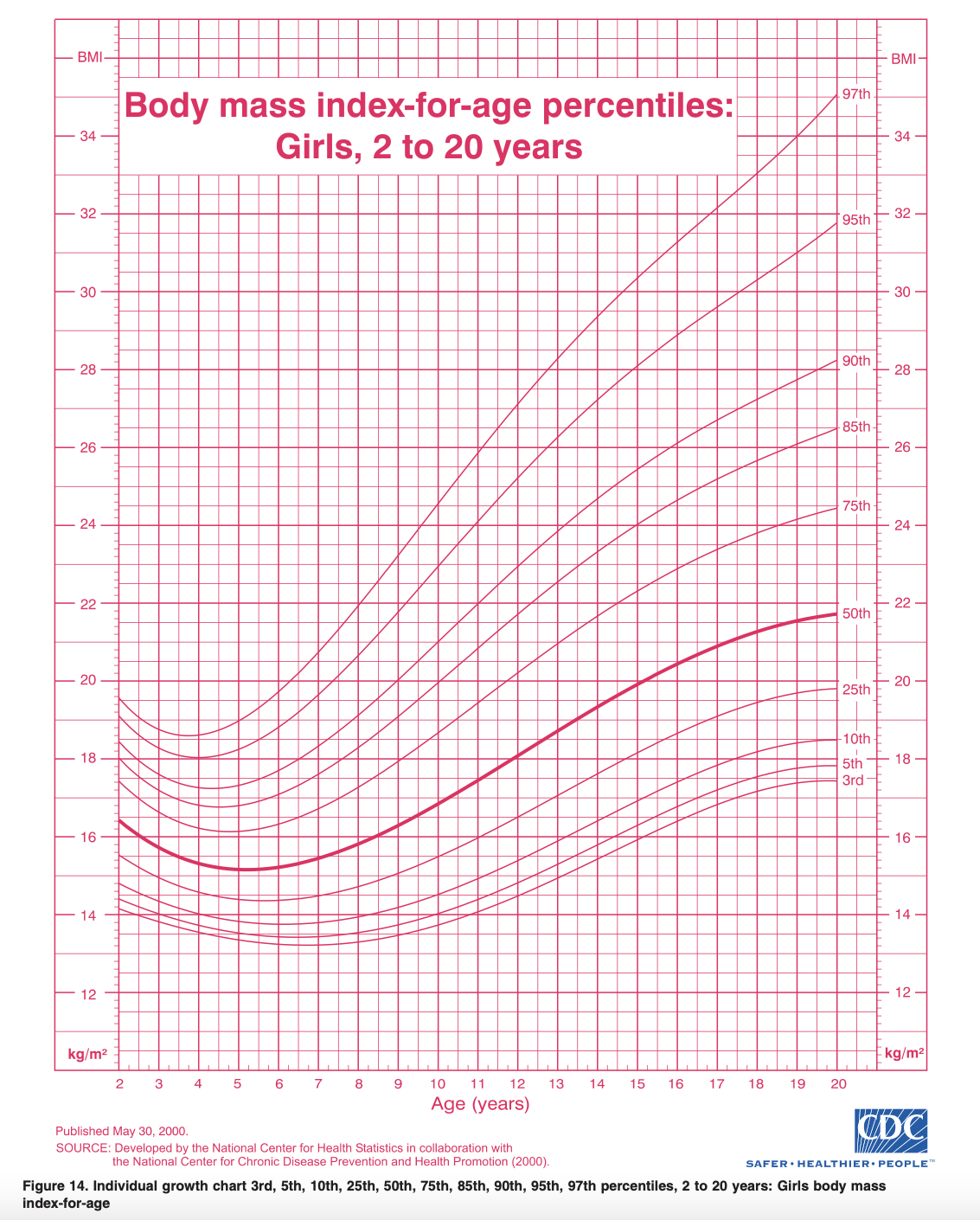
What Is the CDC Height and Weight Chart?
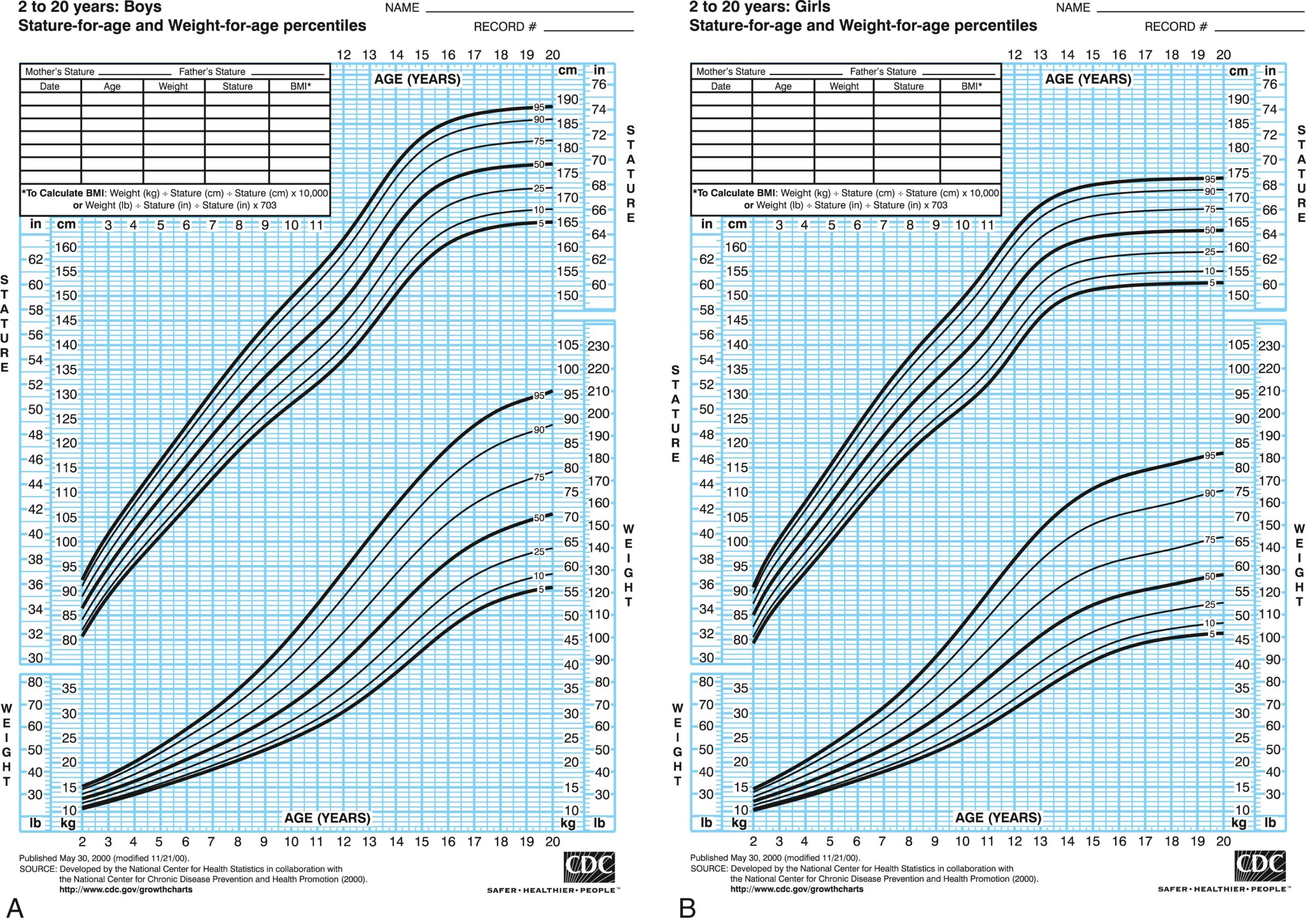
The CDC Height and Weight Chart is a set of growth charts developed by the Centers for Disease Control and Prevention (CDC) that tracks the growth of children from birth to 20 years old. This chart is divided by age and sex, showing the percentile curves for height and weight. It helps parents and healthcare providers identify whether a child is growing normally compared to their peers.
The chart is available in both metric and imperial measurements, making it accessible for everyone. Using this chart helps you understand how your child’s growth compares to others, which can be essential for detecting potential health issues early on.
How to Access and Download the Chart
Getting your hands on the CDC Height and Weight Chart is straightforward. You can easily find it on the CDC’s official website or through various health resources online. Here’s how to access it:
- Visit the CDC Website: Go to the CDC’s official site and navigate to the “Growth Charts” section.
- Select the Appropriate Chart: Choose the chart that matches your child’s age group (birth to 36 months or 2 to 20 years) and sex (boys or girls).
- Download the PDF: You’ll typically find the charts available in PDF format. Click the download link to save it to your device.
- Print It Out: For convenience, print the chart. Make sure to select the actual size option in your printer settings to ensure accuracy.
Filling in the Chart: Step-by-Step Instructions
Once you have your printed CDC Height and Weight Chart, the next step is filling it out with your child’s measurements. Here’s a simple way to do it:
- Gather Your Tools: You’ll need a tape measure for height, a scale for weight, and a pen or pencil.
- Measure Your Child’s Height: Have your child stand straight against a wall. Measure from the floor to the top of their head, ensuring they are barefoot and looking straight ahead.
- Weigh Your Child: Use a reliable scale to weigh your child. Ensure they are standing still and not wearing heavy clothing or shoes.
- Locate the Appropriate Age: Find the age of your child on the chart. The age is typically listed along the bottom of the chart.
- Mark Their Height: Move vertically up from your child’s age to find their height on the chart, then make a mark or a dot.
- Mark Their Weight: Next, move horizontally to find your child’s weight. Make another mark at this point.
- Analyze the Growth Percentiles: Observe where the two marks intersect. This point will indicate your child’s growth percentile, showing how they compare to other children of the same age and sex.
Understanding Growth Percentiles
The growth percentiles on the CDC Height and Weight Chart are key to understanding your child’s growth pattern. Here’s a breakdown:
- Below the 5th Percentile: This may indicate undernutrition or other health concerns. A healthcare professional should evaluate it.
- 5th to 85th Percentile: This is generally considered the normal range. If your child falls within this range, they are likely growing at a healthy rate.
- Above the 85th Percentile: While this can indicate that your child is larger than average, it’s important to consider their overall health and activity levels. Consulting with a healthcare provider can help clarify if this is a concern.
When to Consult a Healthcare Provider
While using the CDC Height and Weight Chart can provide valuable insights, there are times when you should seek professional advice:
- Consistent Growth Issues: If your child is consistently falling below the 5th percentile or above the 85th percentile, it may be time to talk to a doctor.
- Sudden Changes: Noticeable changes in growth patterns, such as a sudden drop in weight or rapid weight gain, should be discussed with a healthcare professional.
- Nutritional Concerns: If you’re worried about your child’s nutrition or eating habits, it’s best to consult with a pediatrician or a nutritionist.
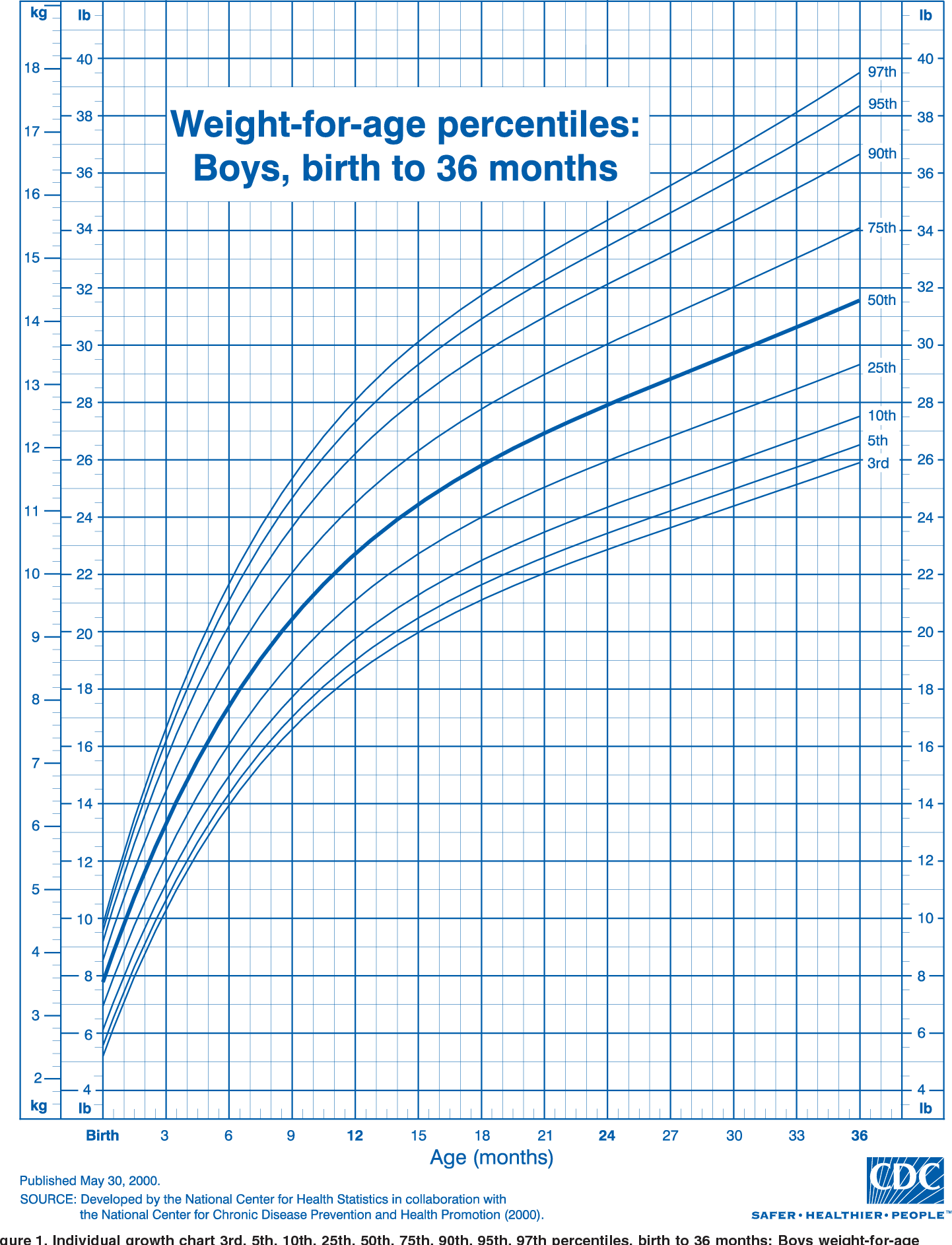
Utilizing the Chart in Daily Life
Incorporating the CDC Height and Weight Chart into your routine can help you keep an eye on your child’s growth. Here are some tips on how to use it effectively:
- Regular Check-Ins: Measure your child’s height and weight every few months. This can help you catch any growth issues early.
- Set Reminders: Consider setting reminders to check their growth regularly. This can be especially helpful during check-up times or before school starts.
- Engage Your Child: Involve your child by explaining the importance of growth charts. This can help them understand their health journey and make it a fun learning experience.
Using the CDC Height and Weight Chart is a practical way to monitor your child’s growth and ensure they’re on the right track. Remember, the most crucial thing is to maintain open communication with your healthcare provider, so you can address any concerns together. Lastly, a specific detail to remember is that the CDC provides these charts in both English and Spanish, making them accessible to a wider audience.
