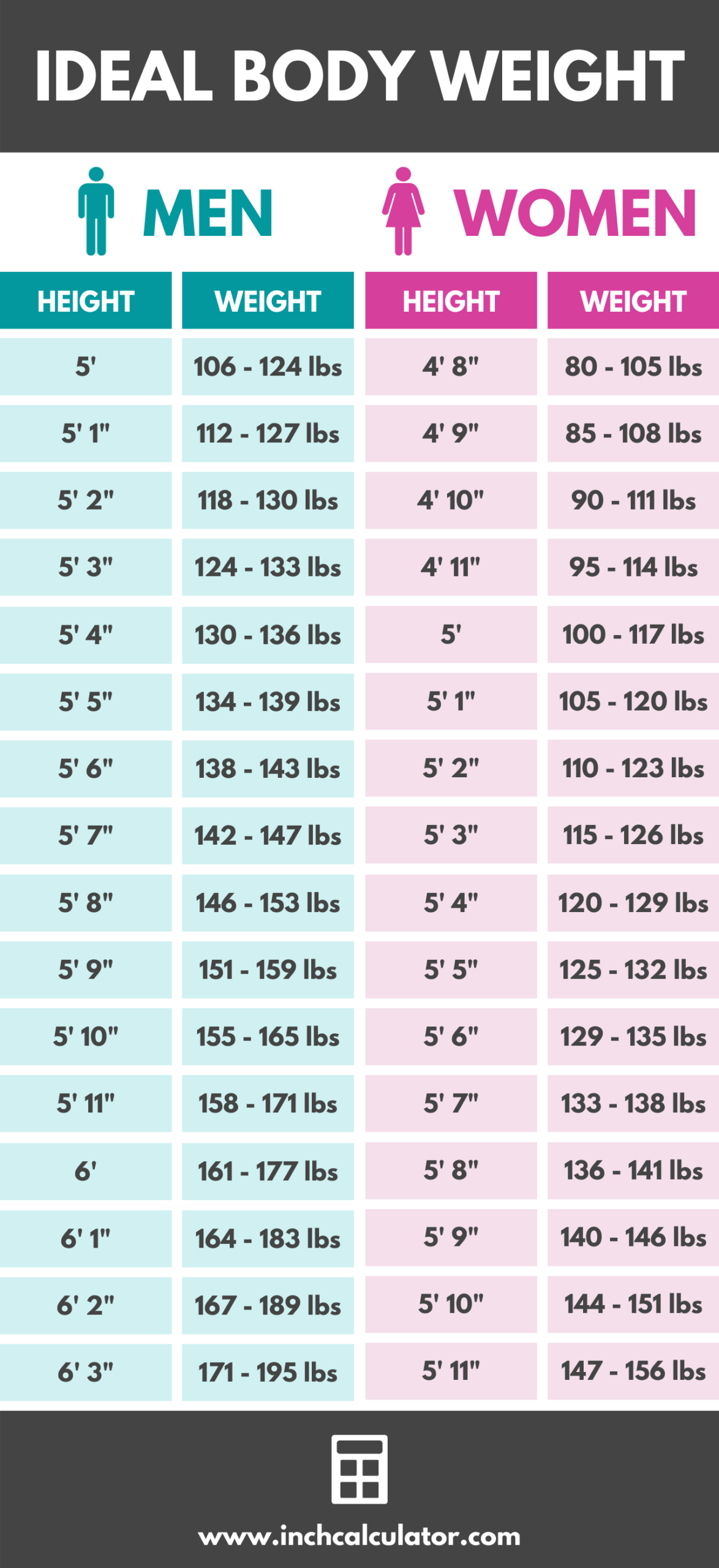
Understanding your weight in relation to your height can be a vital tool in maintaining overall health. A Weight Chart For Women’s Height provides an easy way to see where you stand on the scale of healthy weight ranges. This printable resource is designed to help you quickly assess your weight against your height and make informed decisions about your health and fitness goals.
What Is a Weight Chart For Women’s Height?
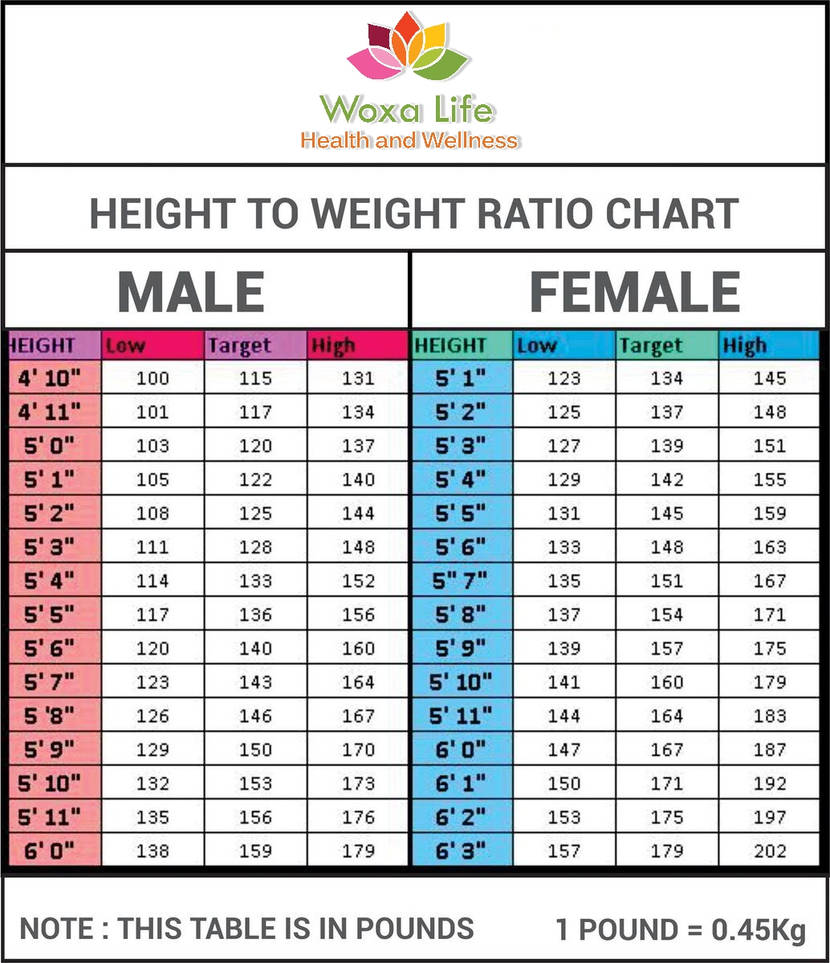
A weight chart is a simple, visual tool that displays the relationship between weight and height. It typically features a grid format, with height listed vertically and corresponding weight ranges displayed horizontally. This layout allows you to easily find your height and see the recommended weight range for that height.
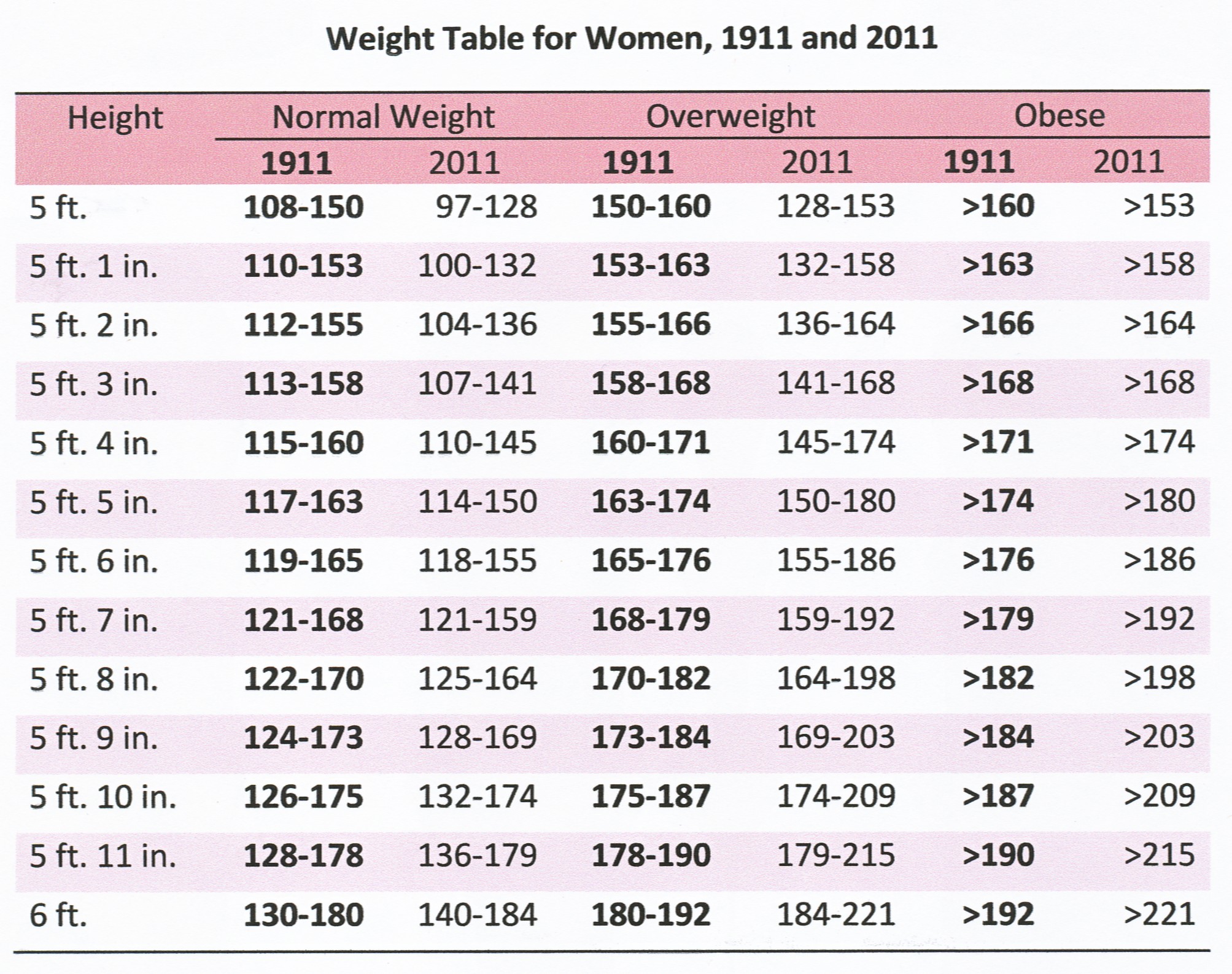
When using this chart, you’ll notice that it is categorized into different weight ranges. For example, it might indicate underweight, healthy weight, overweight, and obese categories. This classification helps you to assess where you fit in and could guide you in setting realistic weight goals.
How to Use the Weight Chart
Using the Weight Chart For Women’s Height is straightforward. Start by locating your height on the left side of the chart. Move horizontally across the row to find your weight. If your weight falls within the healthy range, you’re on the right track! If it’s outside the healthy range, you can use this information to adjust your diet and exercise routine.
To make the most of this resource, consider the following steps:
- Print the Chart: This allows you to have a physical copy on hand for regular reference.
- Fill In Your Details: Write down your current weight next to your height for a quick visual confirmation.
- Track Progress: Keep track of your weight over time to see how changes in your lifestyle impact your health.
Common Mistakes When Using the Weight Chart
While the weight chart is a useful tool, there are some common mistakes to be aware of. One frequent error is relying solely on weight without considering body composition. Muscle weighs more than fat, so someone who is muscular may fall into the overweight category yet still be healthy.
Another mistake is ignoring the context of the chart. Factors like age, muscle mass, and overall health should also be considered when evaluating your weight. This chart is a guideline, not an absolute rule.
Where to Keep Your Weight Chart
Once you’ve printed the Weight Chart For Women’s Height, think about where you’ll keep it. A few ideal spots include:
- Refrigerator Door: This is a visible spot that can remind you of your goals.
- Home Office: If you’re working on health and fitness goals during the day, having it close by can help keep you accountable.
- Workout Area: If you have a gym or workout space at home, placing the chart there can serve as motivation during your fitness routine.
Additional Resources for Tracking Weight
In addition to the Weight Chart For Women’s Height, consider other printables that can enhance your health journey. Some useful resources include:
- Food Journals: Track your daily intake to stay mindful of your nutrition.
- Exercise Logs: Record your workouts to monitor progress and stay motivated.
- Goal-Setting Worksheets: These can help you define clear and achievable health goals.
These additional resources work well alongside your weight chart, providing a more comprehensive approach to tracking your health and fitness.
By using the Weight Chart For Women’s Height and supplementing it with other tracking tools, you can create a clear picture of your health journey. You’ll be able to make informed decisions about your lifestyle and maintain a balanced approach to your weight management.
