In today’s health-conscious world, many parents seek tools to assist in tracking their family’s wellness. A useful resource for this is a Weight To Height Chart For Women, which provides a clear visual reference for understanding ideal weight ranges based on height. This chart can be particularly helpful for parents wanting to promote healthy habits among their daughters, guiding them toward a balanced approach to fitness and nutrition.
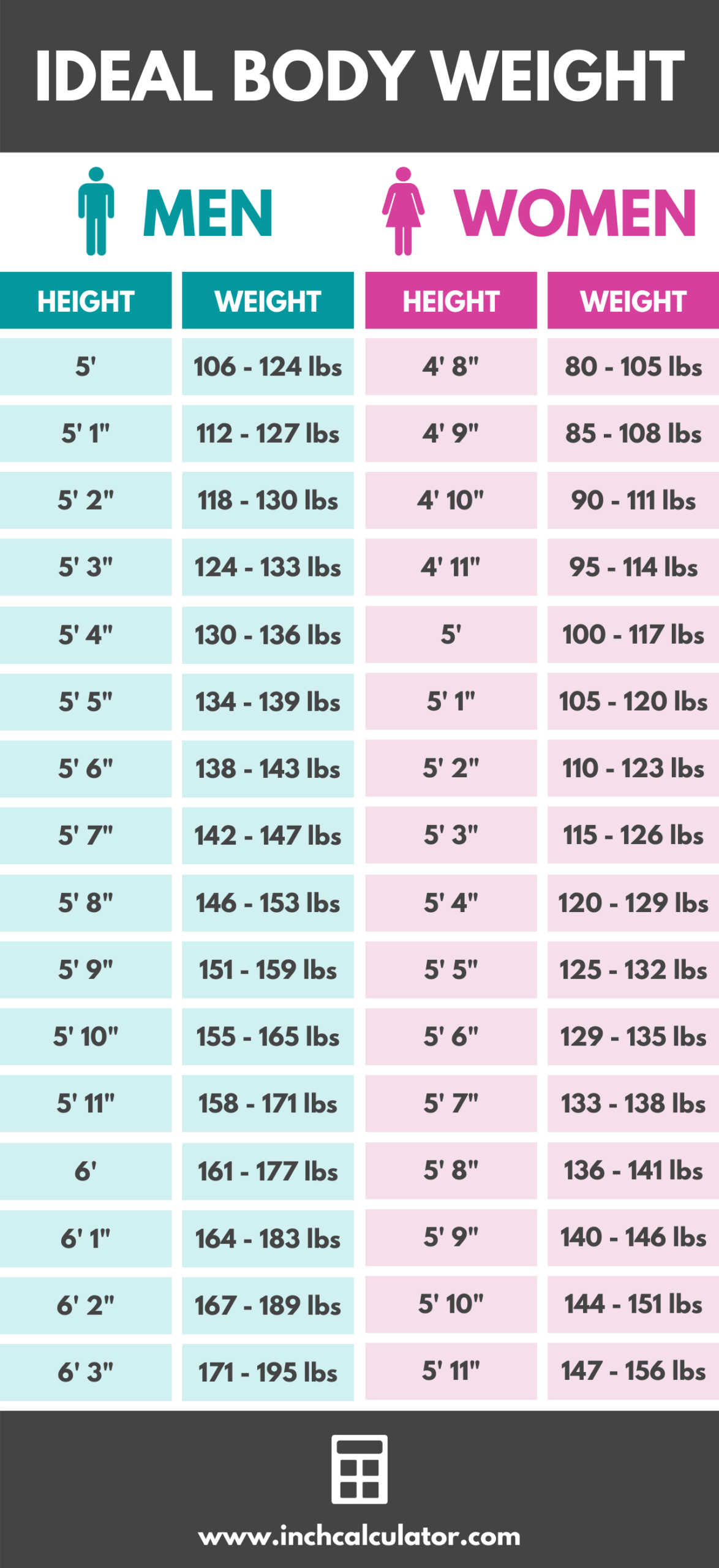
Understanding the Weight to Height Chart
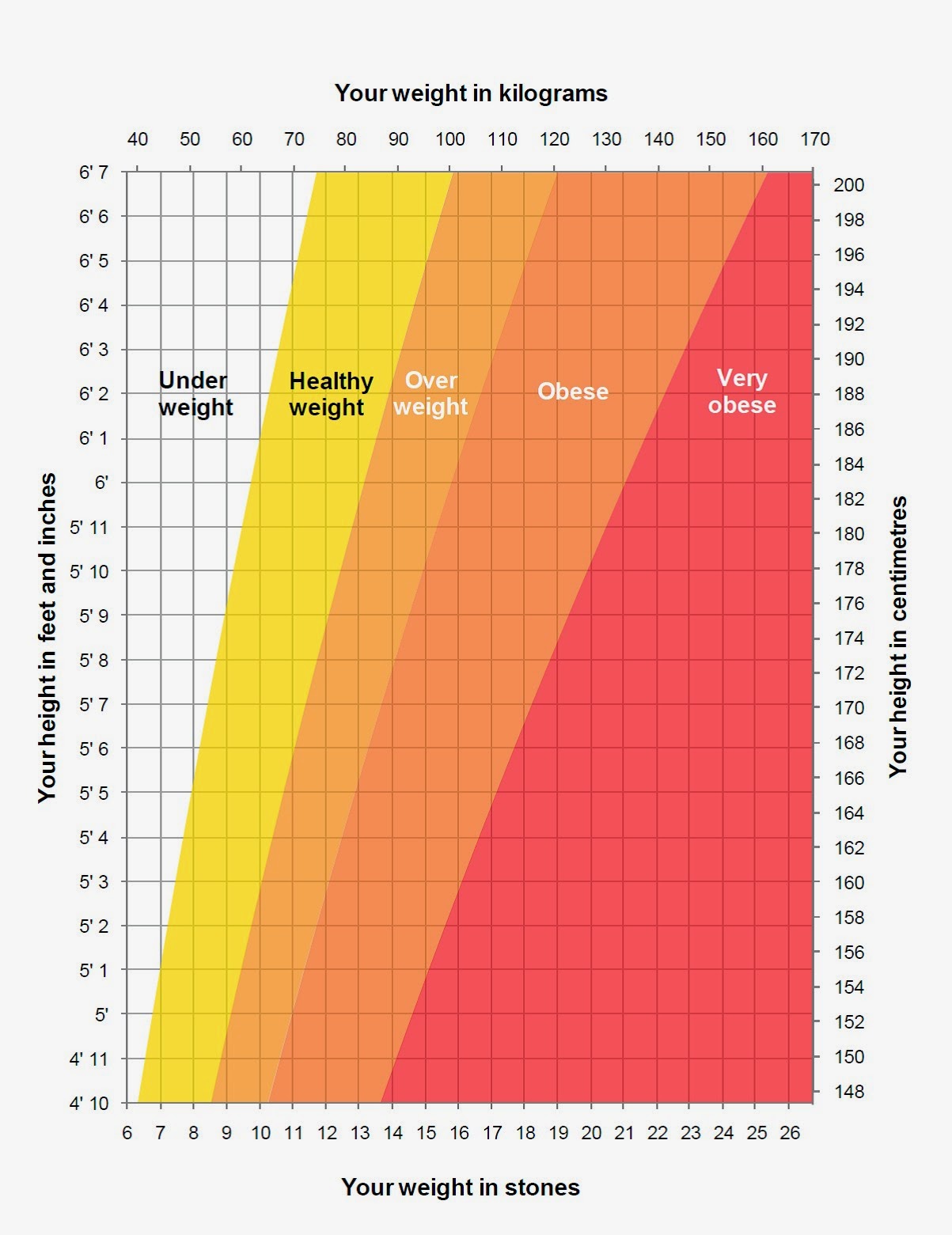
A Weight To Height Chart For Women typically displays a range of weights corresponding to various heights, allowing you to easily assess where an individual stands in terms of weight. The chart is usually organized with height listed vertically and weight listed horizontally, creating a grid where you can find the intersection of height and weight.
When using this chart, it’s important to remember that it provides a general guideline rather than a strict rule. Factors like muscle mass, bone structure, and overall body composition play significant roles in determining a healthy weight. This chart should be one of many tools you use to assess health.
How to Use the Chart Effectively
Before diving into the chart, gather the following information:
- Height Measurement: Measure your height without shoes for accuracy. Use a wall-mounted or freestanding tape measure for best results.
- Weight Measurement: Weigh yourself using a reliable scale, preferably first thing in the morning after using the restroom and before eating or drinking.
- Age Considerations: Remember that the ideal weight can change with age, so consider this when assessing your position on the chart.
Once you have your height and weight, locate your height on the vertical axis, then move horizontally to find your weight. The intersection will guide you toward the corresponding ideal weight range.
Ideal Weight Ranges and Their Importance
The Weight To Height Chart For Women outlines various weight ranges categorized as underweight, healthy, overweight, and obese according to Body Mass Index (BMI) standards. Here’s a brief overview of what these categories mean:
- Underweight: Weighing less than the healthy range can lead to health issues, including nutrient deficiencies.
- Healthy: This range indicates a balanced weight relative to height, which is typically associated with lower health risks.
- Overweight: Weights above the healthy range may lead to increased health risks, including heart disease and diabetes.
- Obese: Significantly above the healthy range, this category often requires intervention for health reasons.
Understanding where you or your loved ones fall within these categories can be a stepping stone toward better health. It’s a way to gauge when to seek further advice from healthcare professionals.
Tracking Progress Over Time
Using the Weight To Height Chart For Women isn’t just about checking a box; it’s about tracking progress. You can create a simple tracking sheet to record your height and weight over time. Here’s how:
- Set a Routine: Weigh yourself at the same time each week or month. Consistency helps in tracking trends accurately.
- Record Data: Use a notebook or a digital spreadsheet to log your height and weight. Note the date for reference.
- Reflect and Adjust: If you notice significant changes, reflect on your eating and exercise habits. Adjust as needed to stay within a healthy range.
This tracking can help you visualize progress and motivate you to maintain healthy habits.
Printable Resources for Easy Access
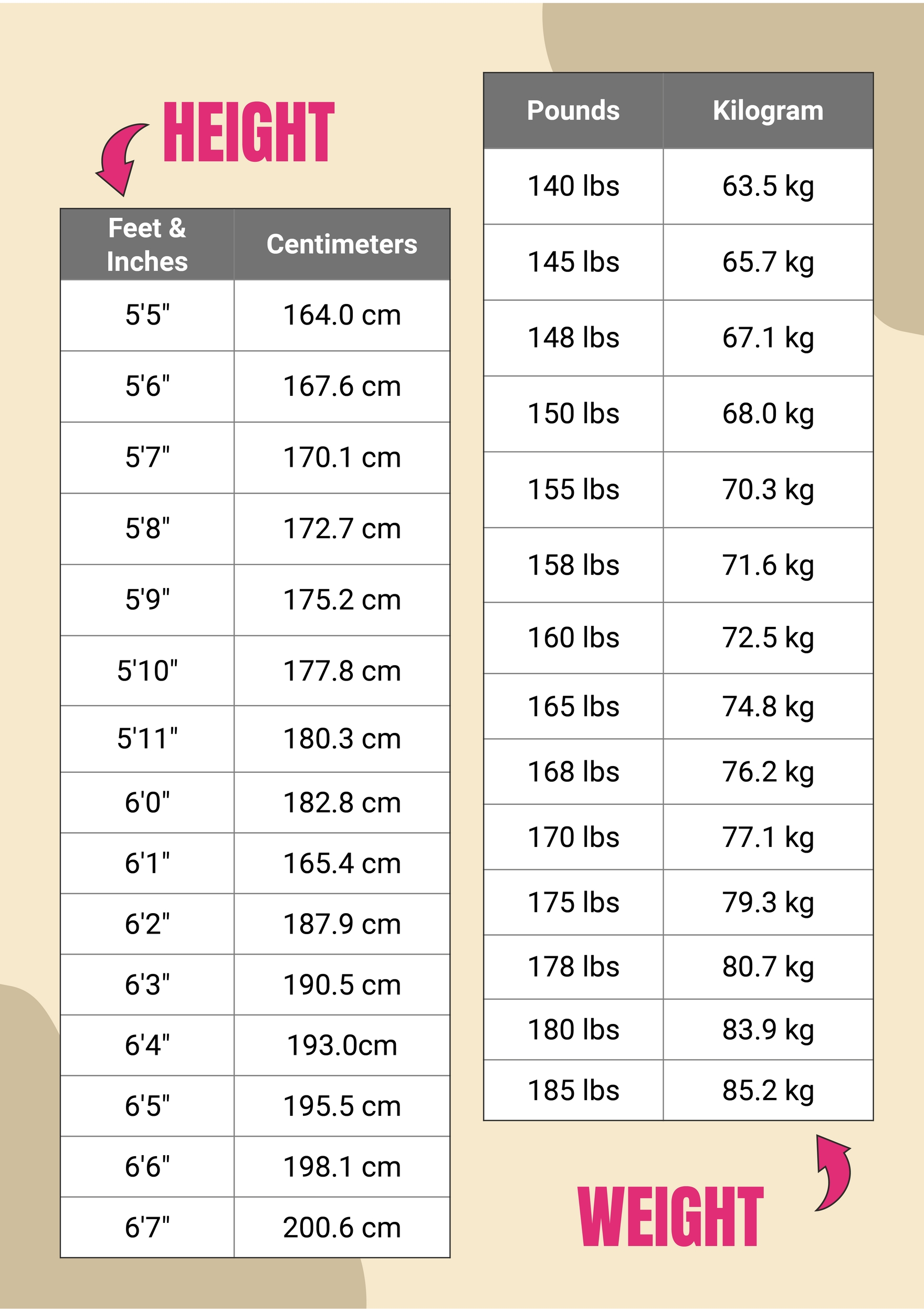
To make this process easier, consider downloading a printable Weight To Height Chart For Women. This can be printed and posted in a visible spot in your home, making it easy for family members to reference when needed. You can find various templates online that are user-friendly and aesthetically pleasing.
When printing, opt for a standard paper size (like A4 or letter) for compatibility with most home printers. If you want it to last, consider printing on cardstock or laminating it for durability.
