Tracking your child’s growth can sometimes feel overwhelming. Knowing where they stand in terms of height and weight compared to their peers is essential for monitoring their health. That’s where the Pediatric Height And Weight Percentile Chart comes into play. This chart offers a visual representation of your child’s growth patterns, helping you and your pediatrician make informed decisions about their health.
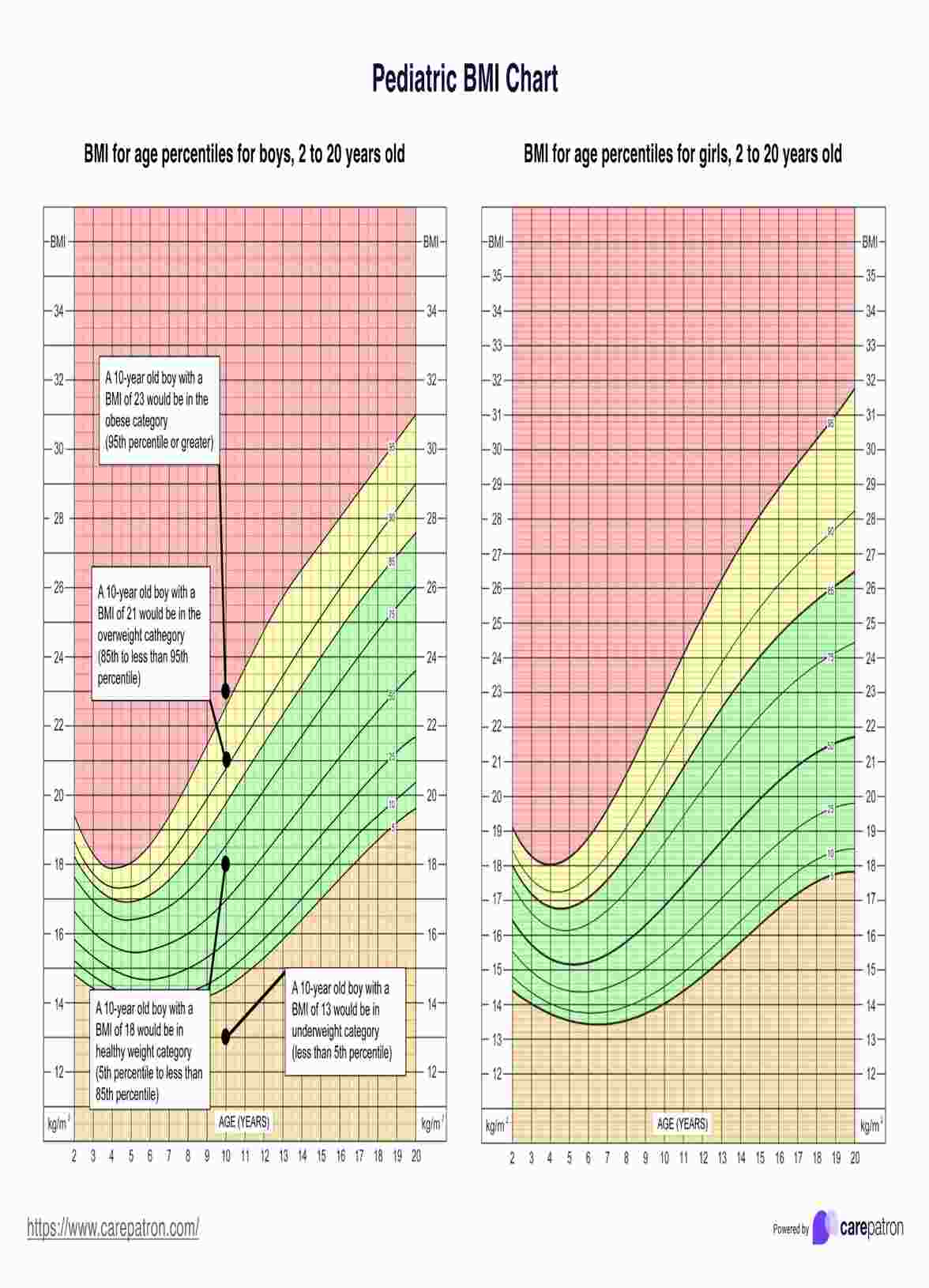
Understanding the Pediatric Height And Weight Percentile Chart
The Pediatric Height And Weight Percentile Chart is designed to show how your child’s measurements compare to those of a large population of children. It provides percentiles, which represent the percentage of children who fall below a certain measurement. For instance, if your child is in the 75th percentile for height, they are taller than 75% of children their age.
What Information Does the Chart Include?
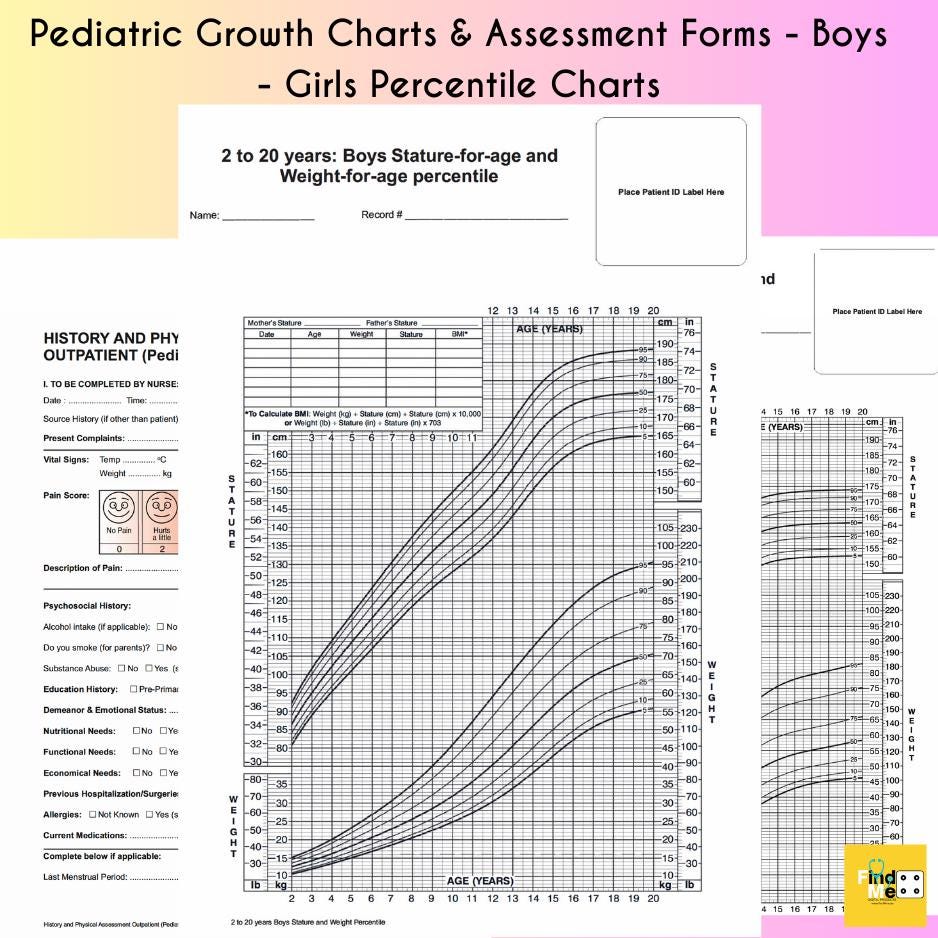
Typically, the chart includes:
- Age (in months or years)
- Height (in inches or centimeters)
- Weight (in pounds or kilograms)
- Percentile rankings for both height and weight
These data points help track growth trends over time, making it easier to spot any potential health concerns early.
How to Use the Chart Effectively
Using the Pediatric Height And Weight Percentile Chart involves a few straightforward steps. Here’s how to get started:
- Obtain Accurate Measurements: Measure your child’s height and weight accurately. Use a stadiometer for height and a digital scale for weight to ensure precision.
- Locate the Correct Age Group: Find your child’s age on the chart. The chart usually has separate lines for boys and girls, so make sure you’re looking at the right section.
- Plot the Measurements: Mark your child’s height and weight on the corresponding axes of the chart. This visual representation will help you see where your child falls in comparison to peers.
- Understand the Percentiles: Familiarize yourself with what different percentiles mean. Generally, a percentile below the 5th or above the 95th may indicate a need for further evaluation by a healthcare professional.
- Track Over Time: Make it a habit to plot your child’s measurements regularly—ideally during their annual check-ups. This ongoing tracking can help identify patterns or changes in growth.
Common Mistakes to Avoid
While using the Pediatric Height And Weight Percentile Chart, there are a few common pitfalls to be aware of:
- Inaccurate Measurements: Always double-check measurements. Even slight inaccuracies can lead to misinterpretation of the chart.
- Ignoring Growth Patterns: One measurement alone isn’t enough. Look for trends over time rather than focusing on a single data point.
- Not Considering Other Factors: Growth can be influenced by a variety of factors, including nutrition, genetics, and overall health. Always consult with a pediatrician if you have concerns.
Where to Find the Chart
You can easily find the Pediatric Height And Weight Percentile Chart in various formats. Many healthcare providers offer printed versions during check-ups. Additionally, you can download printable versions from reputable health websites. When downloading, ensure the source is credible, as this ensures the chart is up-to-date and accurate.
Printable Options
- PDF Format: Look for a PDF version to avoid any formatting issues when printing. This format typically maintains clarity and is printer-friendly.
- Color-Coded Charts: Some charts use color coding to help differentiate between percentiles. This makes it easier to read and understand at a glance.
- Age-Specific Charts: Ensure the chart is appropriate for your child’s age group. Some charts are designed specifically for infants, toddlers, or school-aged children.
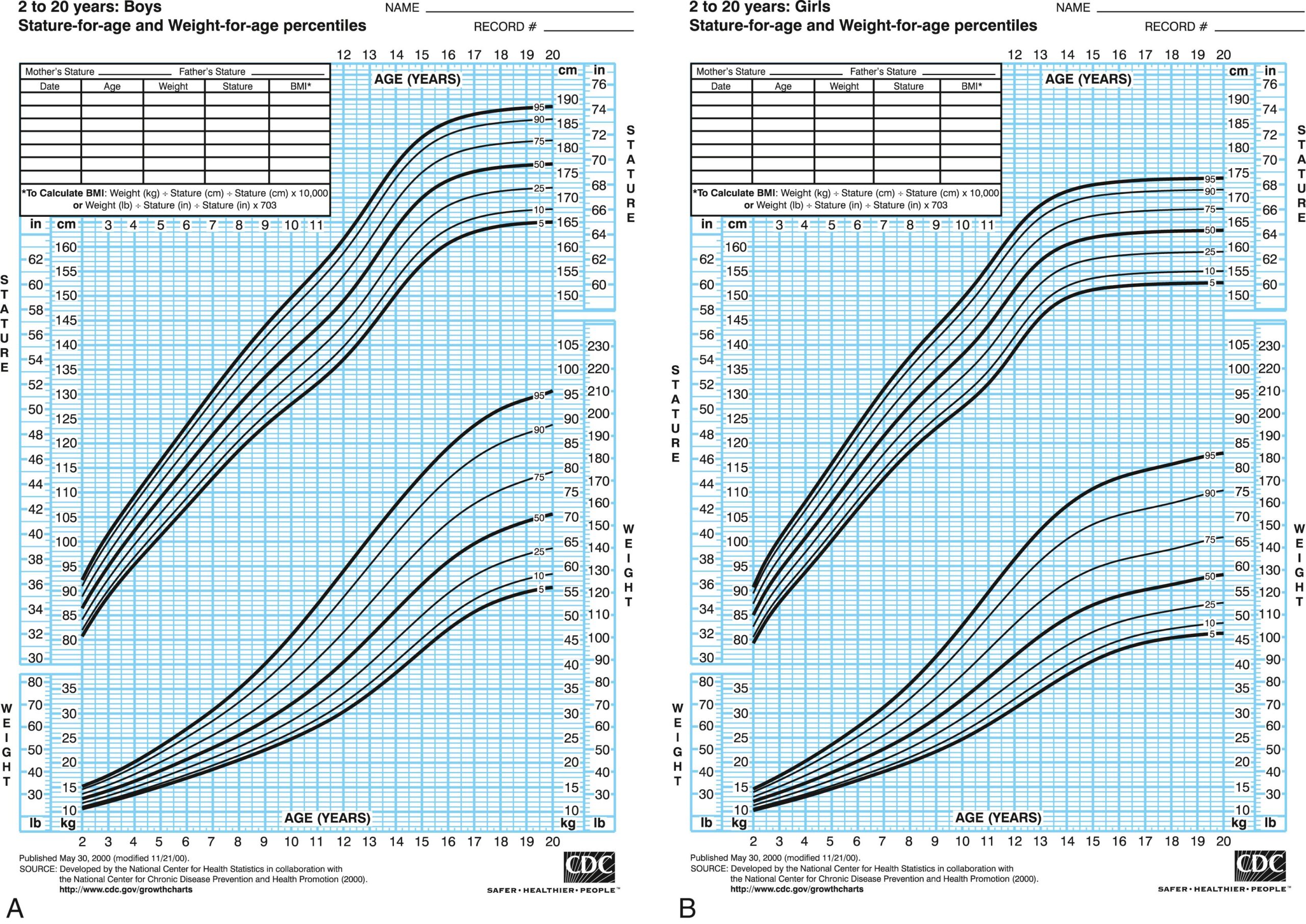
Integrating the Chart Into Your Routine
To make the most out of the Pediatric Height And Weight Percentile Chart, try integrating it into your family’s health routine. Here are a few suggestions:
- Annual Health Check-ups: Bring the chart to your child’s pediatric appointments. This can aid discussions about growth and health.
- Discuss Growth with Your Child: As your child grows older, involve them in discussions about their growth. This can help them understand the importance of healthy habits.
- Monitor Nutrition and Activity: Use the insights gained from the chart to guide discussions about nutrition and physical activity. Encourage healthy eating and regular exercise based on their growth patterns.
By regularly using the Pediatric Height And Weight Percentile Chart, you can stay proactive about your child’s health. This resource not only tracks physical growth but also serves as a foundation for conversations about healthy lifestyles.
Next time you take your child’s measurements, remember to plot them on the chart. This simple step can provide valuable insights into their growth journey.
