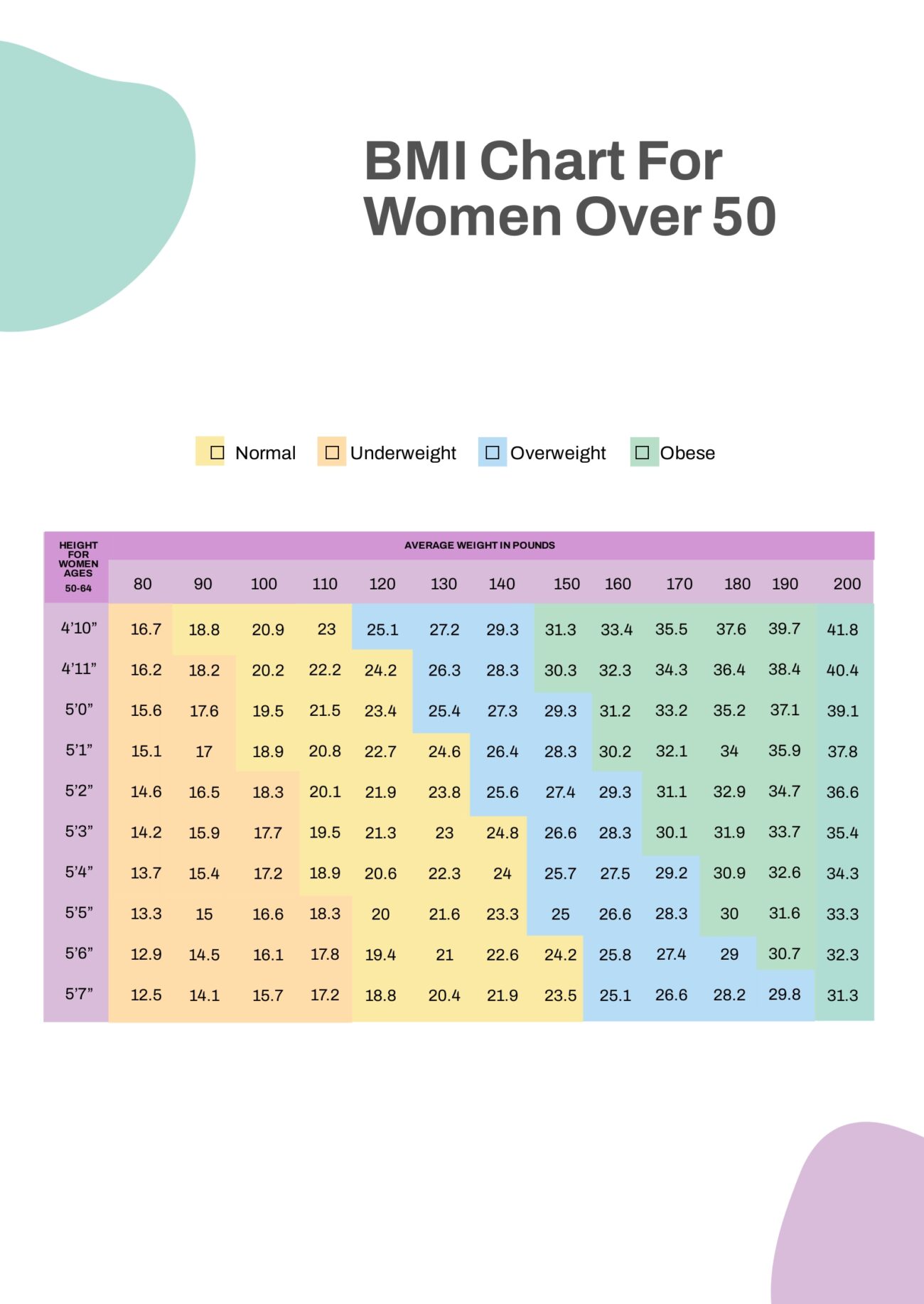
Tracking your weight can feel daunting, especially as we age. A Weight Chart For Women Over 50 is an essential tool that can simplify this process, helping you to visualize your progress and make informed decisions about your health. This printable resource is designed specifically for women in this age group, taking into account the unique changes our bodies experience. Here’s how to effectively use a weight chart to support your health journey.
Understanding the Weight Chart
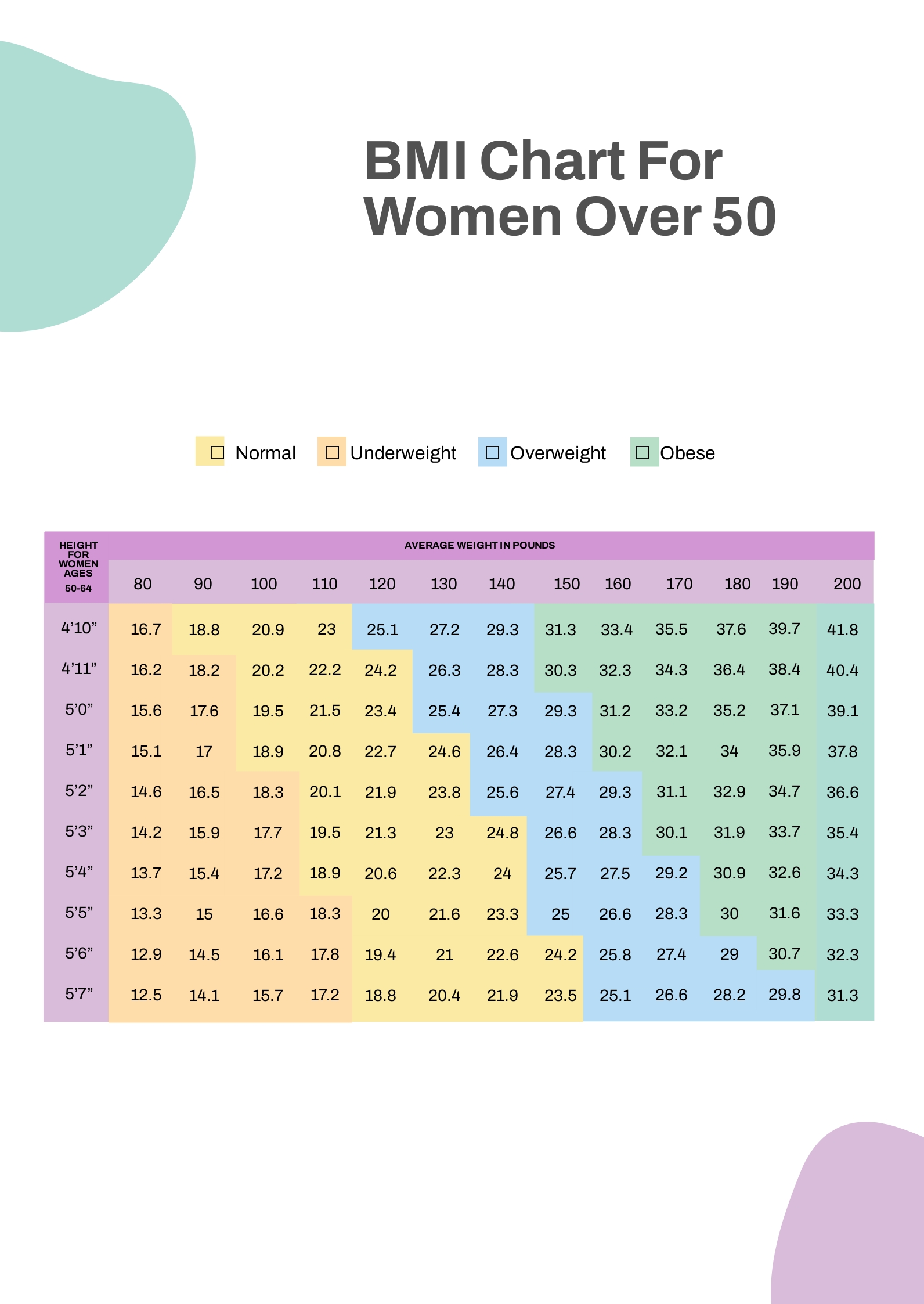
A weight chart typically includes columns for age, height, weight, and BMI (Body Mass Index). For women over 50, it’s crucial to focus on the appropriate weight range that aligns with your height and age. The chart helps you identify whether you fall within a healthy range or if you might need to adjust your weight goals.
How to Read the Chart
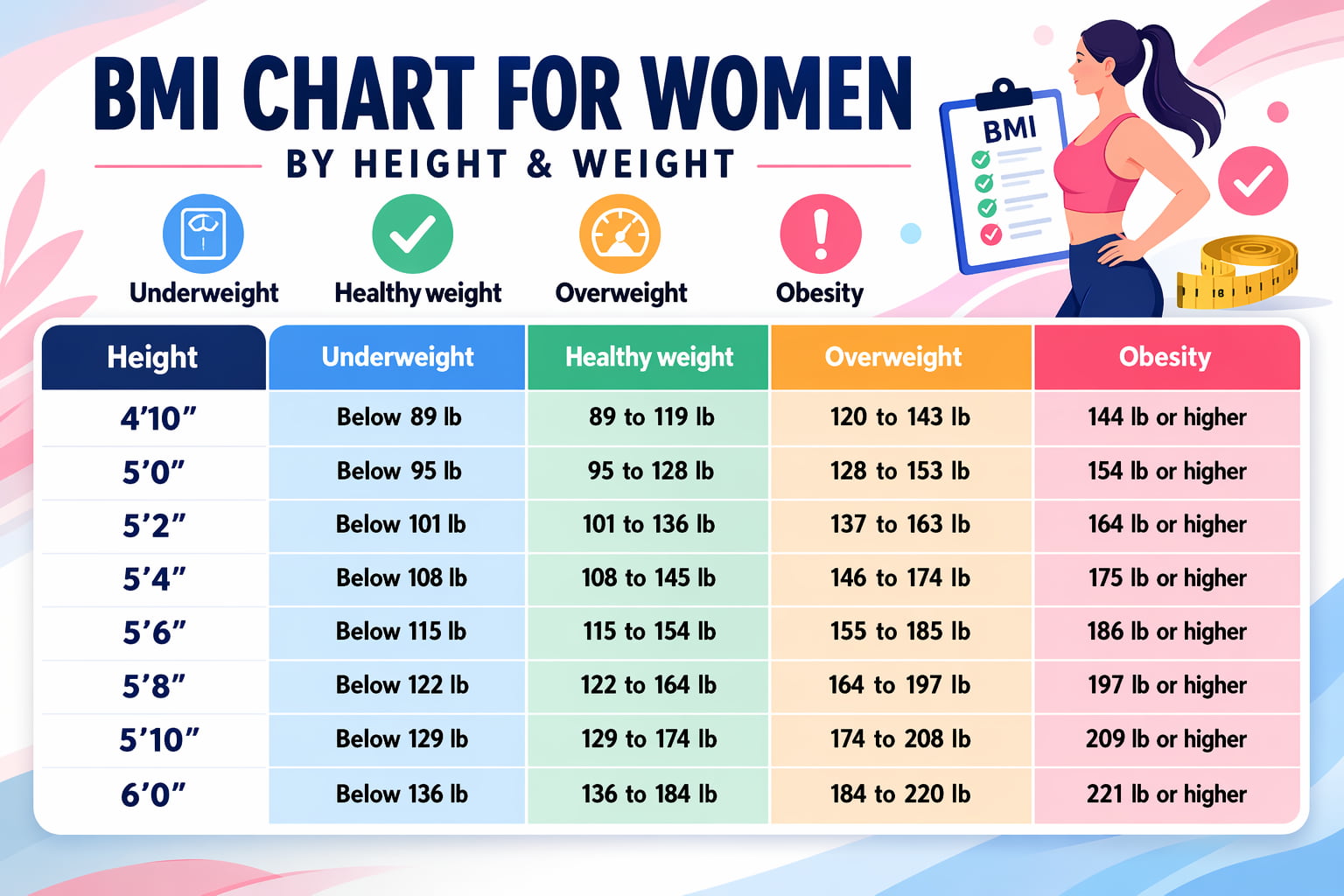
Reading a weight chart is straightforward. You’ll find your height on one axis (usually vertical) and your weight on the other (horizontal). Locate your height and see where it intersects with your current weight. If your weight falls within the suggested healthy range, great! If not, this can provide you with a starting point for setting realistic goals.
Why Use a Weight Chart?
Using a weight chart as part of your health management routine offers several benefits:
- Visual Tracking: It gives you a clear visual of your weight trends over time.
- Goal Setting: Helps in setting achievable weight goals based on your personal data.
- Health Awareness: Increases awareness of body changes and their implications as you age.
A weight chart can serve as an effective motivational tool, reminding you of your objectives and the progress you’ve made.
Digital Vs. Printable Weight Charts
When deciding between a digital or printable weight chart, consider your preferences and lifestyle.
Digital Weight Charts
- Accessibility: Easily update and track your weight on your smartphone or computer.
- Integration: Some apps allow you to integrate exercise and diet tracking, providing a holistic view of your health.
- Customization: Digital charts often offer customization options to suit your specific needs.
Printable Weight Charts
- Tactile Experience: Writing down your weight can help reinforce your goals.
- Visual Reminders: Hang it on your fridge or in your bathroom as a constant reminder of your commitment to your health.
- No Tech Required: Perfect for those who prefer a simple, distraction-free approach.
Both options have their merits. If you enjoy the feel of pen on paper, go for the printable version. If you’re tech-savvy, a digital chart might suit you better.
Best Practices for Using a Weight Chart
To get the most from your weight chart, consider these practical tips:
- Regular Updates: Update your chart weekly or bi-weekly to stay on track.
- Use Consistent Measurements: Weigh yourself at the same time of day, preferably in the morning, for consistency.
- Record Other Metrics: Include measurements like waist circumference or body fat percentage to get a fuller picture of your health.
- Reflect on Changes: Take time to reflect on what influences your weight—both positive and negative. This could include diet, exercise, stress, and hormonal changes.
Adapting Your Routine With the Chart
With your weight chart in hand, it’s time to adapt your routine. If you find that your weight is above or below the recommended range, consider the following steps:
- Dietary Adjustments: Focus on a balanced diet rich in whole foods. Incorporate more fruits, vegetables, lean proteins, and whole grains.
- Increase Physical Activity: Aim for at least 150 minutes of moderate aerobic activity each week. Activities like walking, swimming, or yoga can be particularly beneficial for women over 50.
- Stay Hydrated: Drinking enough water can aid in weight management and overall health.
Make it a point to regularly assess your chart alongside your overall health goals. This way, you create a comprehensive approach to managing your weight.
Next Steps With Your Weight Chart
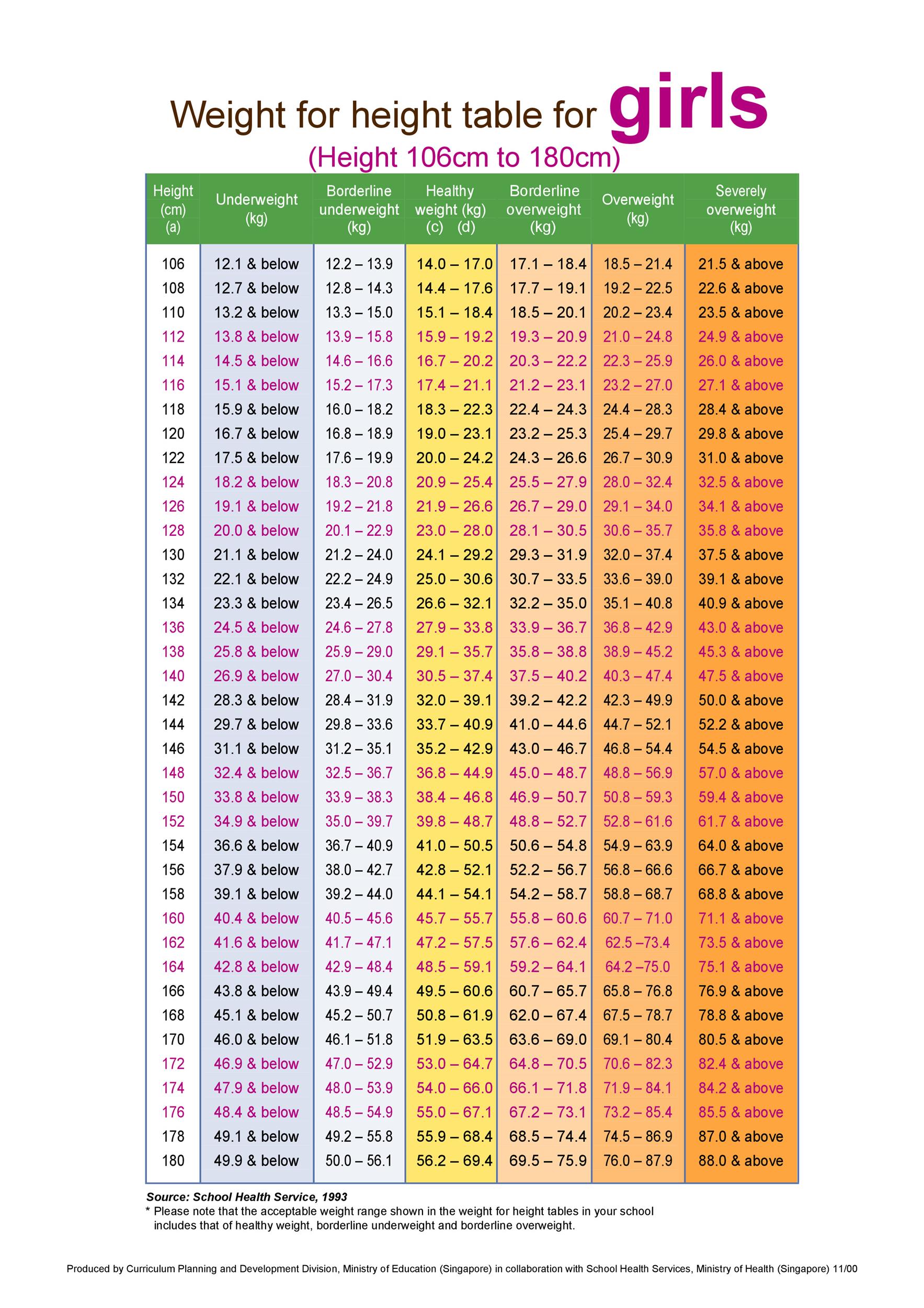
Now that you have a clear understanding of how to use a Weight Chart For Women Over 50, it’s time to print or download yours. The next step is simple: start tracking your weight. Set aside a specific time each week to weigh yourself and update your chart.
Whether you choose to go digital or stick with the printable version, remember that this tool is here to support you. Embrace the journey, celebrate small victories, and use your weight chart as a guide to help you achieve your health goals.
