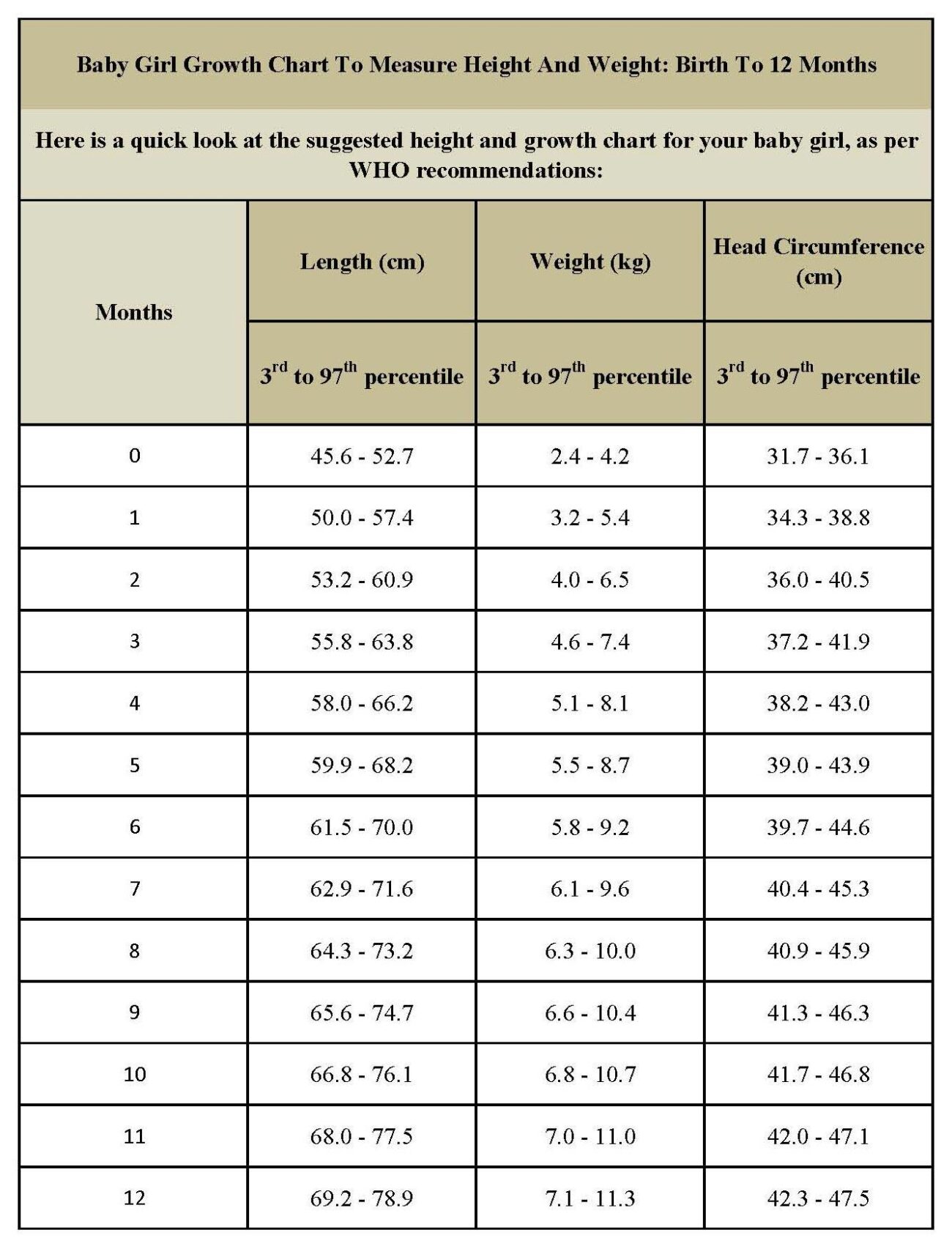
Keeping track of your baby’s growth is crucial in those early months, and a Newborn Height And Weight Chart can be a valuable tool for parents. This chart helps you monitor your newborn’s growth against standard benchmarks, ensuring they are developing healthily. In this article, I’ll guide you through how to use this chart effectively, what information it typically includes, and practical tips for filling it out.
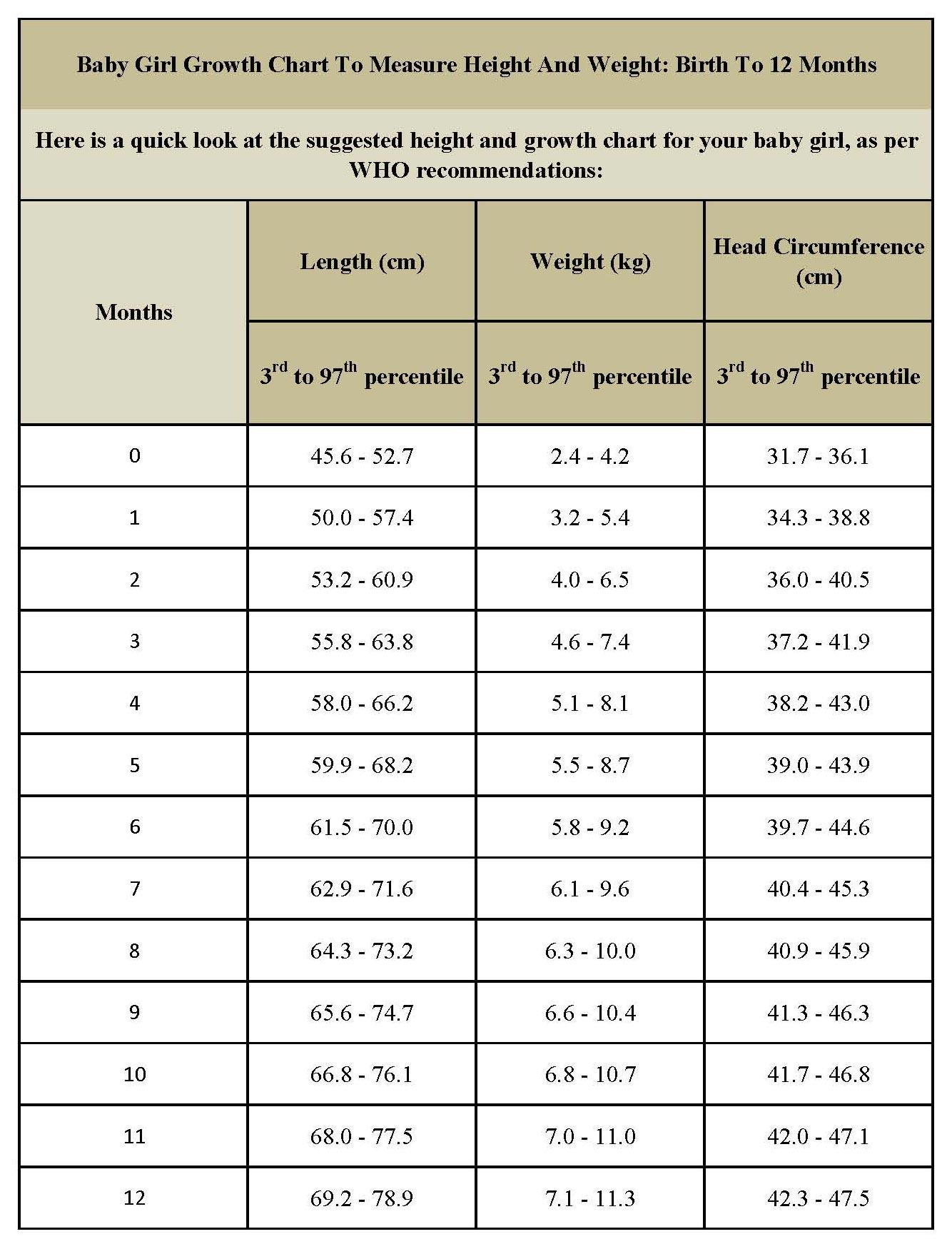
Understanding the Newborn Height And Weight Chart
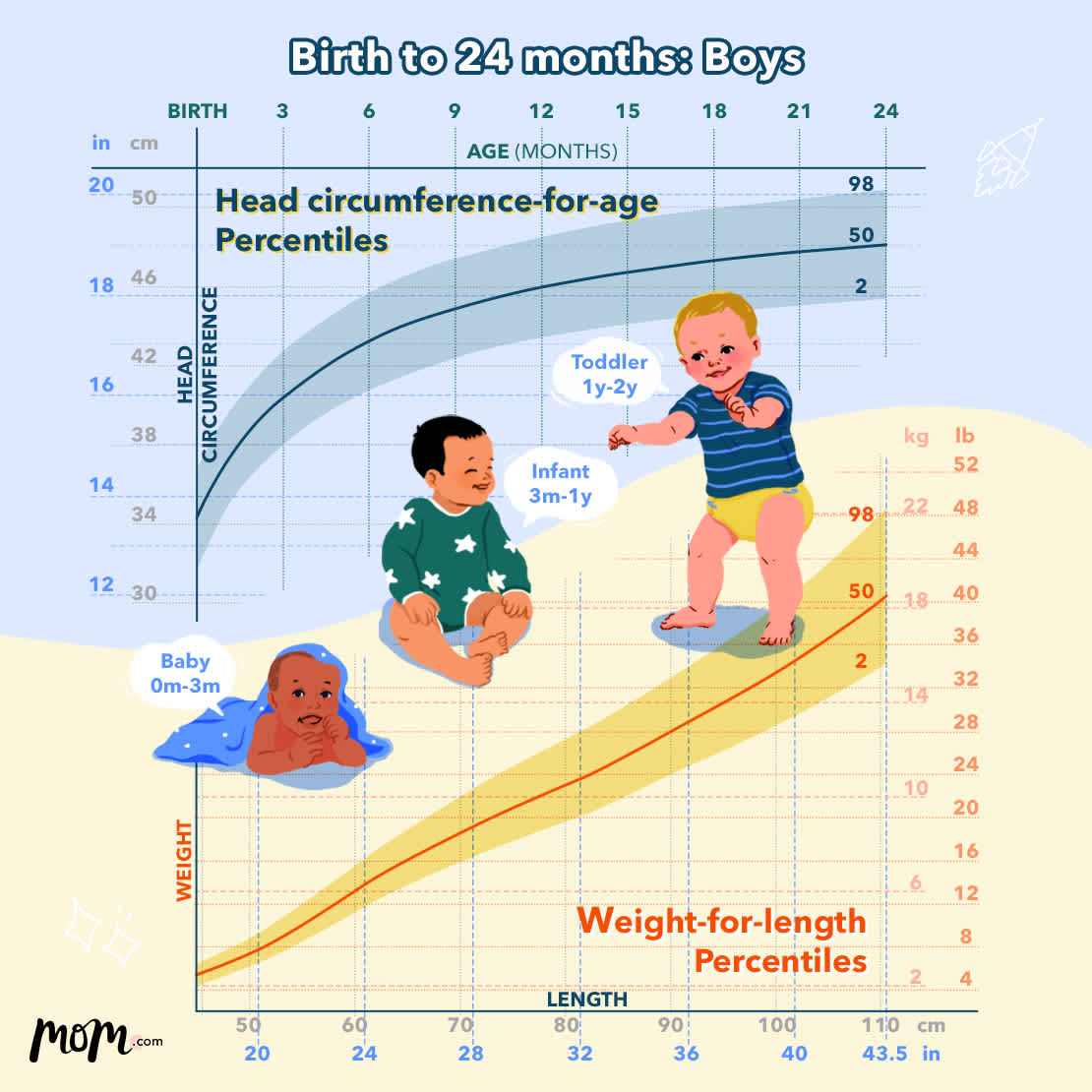
A Newborn Height And Weight Chart typically features percentile curves that represent the range of growth for infants. These percentiles help you understand how your baby’s weight and height compare to other babies of the same age. Generally, the chart is divided into several key percentiles—like the 5th, 10th, 50th, 75th, and 90th—showing what is considered average growth.
When using this chart, you will need to record your baby’s height and weight during regular check-ups. Most pediatricians will plot these measurements on the chart during well-child visits, but you can also do this at home if you have a scale and a measuring tape.
Key Measurements to Record
To effectively utilize the Newborn Height And Weight Chart, you should be prepared to gather specific information:
- Date: Document the date of each measurement. This helps track growth over time.
- Weight: Weigh your baby on a reliable scale. Newborns can fluctuate in weight, especially in the first weeks, so regular measurements are important.
- Height: Measure your baby’s length accurately. Lay your baby flat on a firm surface, keeping their head and heels against the edge, and use a ruler or measuring tape to get an accurate measurement.
It’s best to record these details during pediatric visits, usually scheduled at 1, 2, 4, 6, 9, and 12 months. However, you can also measure your baby at home between visits to keep a close eye on their growth.
How to Read the Chart
When you look at the Newborn Height And Weight Chart, it may seem overwhelming at first, but it’s relatively straightforward once you know how to interpret it.
- Locate the Age: Find your baby’s age on the bottom of the chart. The chart usually covers ages from birth up to 24 months.
- Plot the Measurements: Using the height and weight you’ve recorded, find the corresponding points on the chart. For example, if your baby weighs 8 pounds and is 20 inches long, mark those points on the chart.
- Determine the Percentile: See where the points intersect on the graph. This will indicate your baby’s growth percentile. For instance, if they fall on the 50th percentile, it means they are growing at a rate similar to half of other infants their age.
Tips for Filling Out the Chart
To make the most out of your Newborn Height And Weight Chart, consider these practical tips:
- Use Consistent Measuring Tools: A baby scale and a measuring tape are essential for accurate tracking. Ensure your scale is calibrated, and measure your baby in the same position each time.
- Keep a Regular Schedule: Weigh and measure your baby at the same time of day, ideally before a feeding, to ensure consistency.
- Track Other Milestones: In addition to height and weight, consider noting other developmental milestones on the chart, such as when your baby first smiles or rolls over. This holistic approach to tracking can be encouraging.
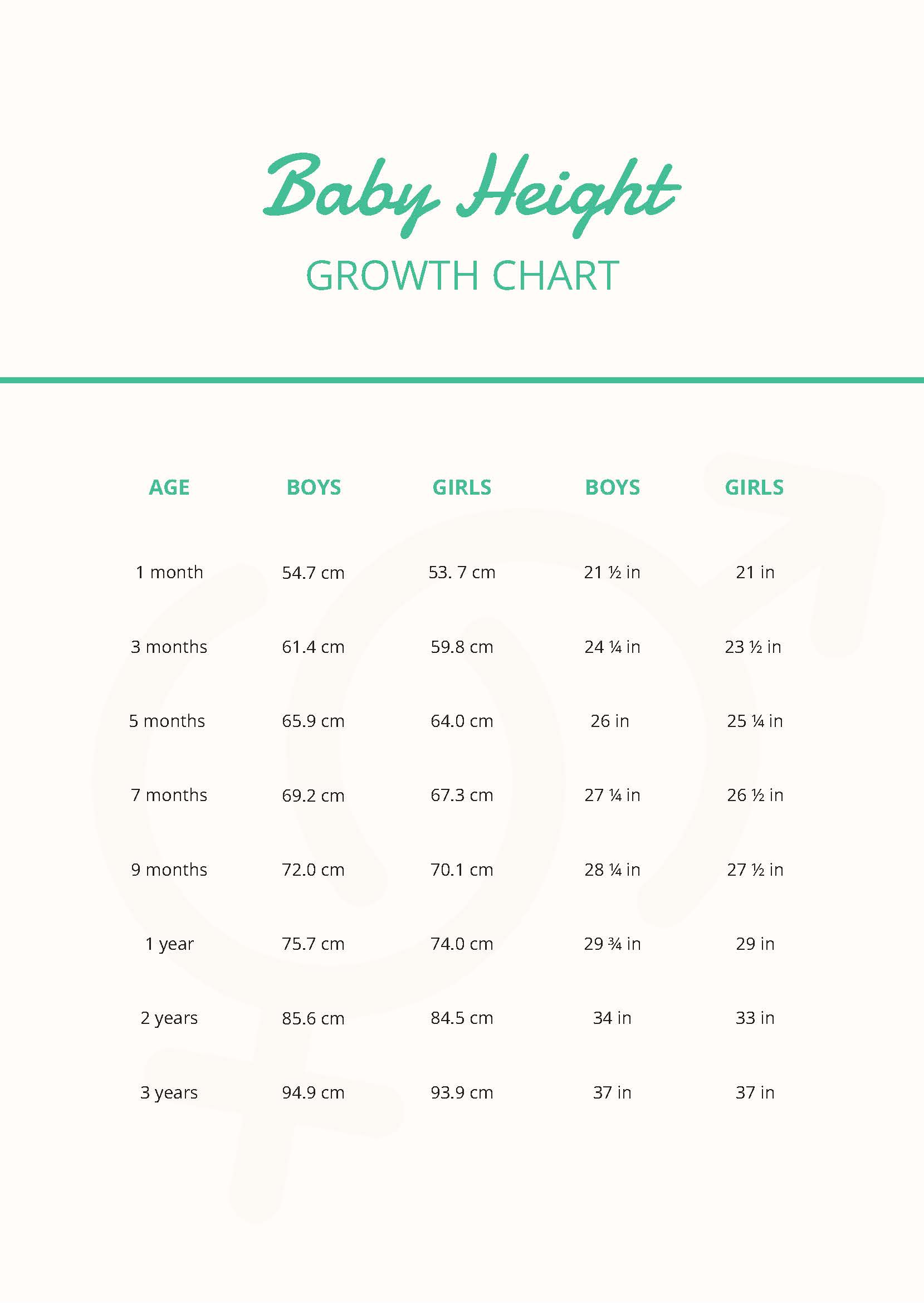
When to Consult Your Pediatrician
While the Newborn Height And Weight Chart provides valuable insights, it’s important to remember that every baby grows at their own pace. If you notice significant changes in your baby’s growth pattern—such as consistently dropping below the 5th percentile or rapidly climbing above the 90th percentile—reach out to your pediatrician. They can provide tailored advice and reassurance based on your baby’s unique health needs.
Maintaining a Newborn Height And Weight Chart is a great way to stay informed and engaged in your child’s growth. As you track these measurements, you’ll not only have a better understanding of your baby’s development but also valuable data to discuss with your healthcare provider during visits.
For immediate action, print out a blank Newborn Height And Weight Chart today. Start tracking your baby’s growth and ensure they are on the right path toward healthy development.
