Monitoring your newborn’s growth can feel overwhelming, especially for new parents. Fortunately, a Newborn Weight Chart By Week serves as a handy tool to track your baby’s weight gain over the first few weeks of life. Understanding this chart not only helps you stay informed but also reassures you that your little one is on the right track as they develop.
What is a Newborn Weight Chart?
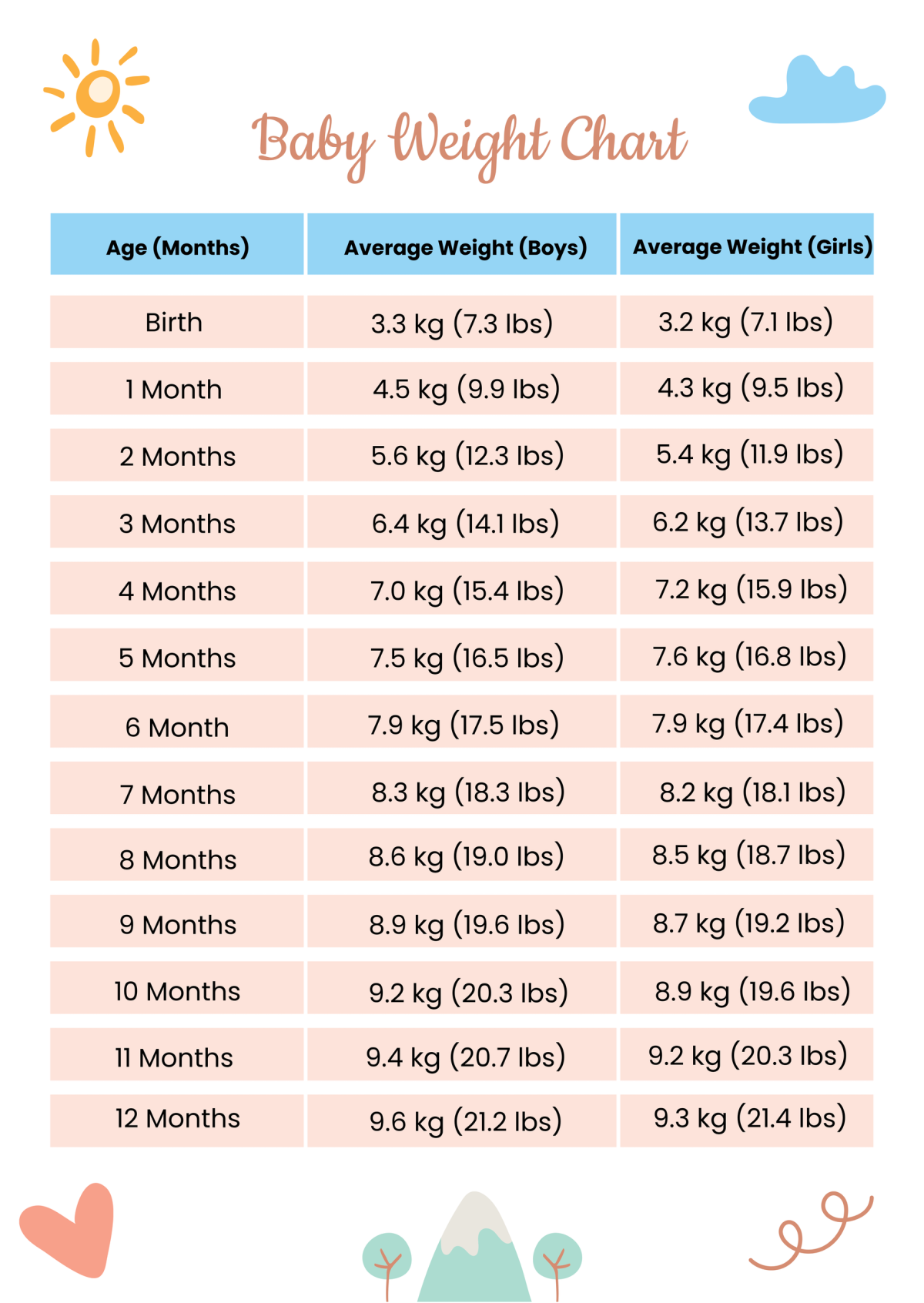
A Newborn Weight Chart is a visual representation that shows the expected weight range for infants during their first weeks, typically from birth to 12 weeks. This chart often uses percentiles to indicate how your baby’s weight compares to other infants of the same age and sex. For example, if your baby is in the 50th percentile, it means they weigh more than 50% of babies their age.
The chart usually covers the following:
- Age: Weeks from birth to 12 weeks.
- Weight: Expected weight ranges for each week.
- Percentiles: Often marked to show where your baby’s weight falls in comparison to peers.
Sections of the Chart
When you look at a Newborn Weight Chart By Week, you’ll notice several sections that help you organize and interpret data effectively.
Age and Weight Columns
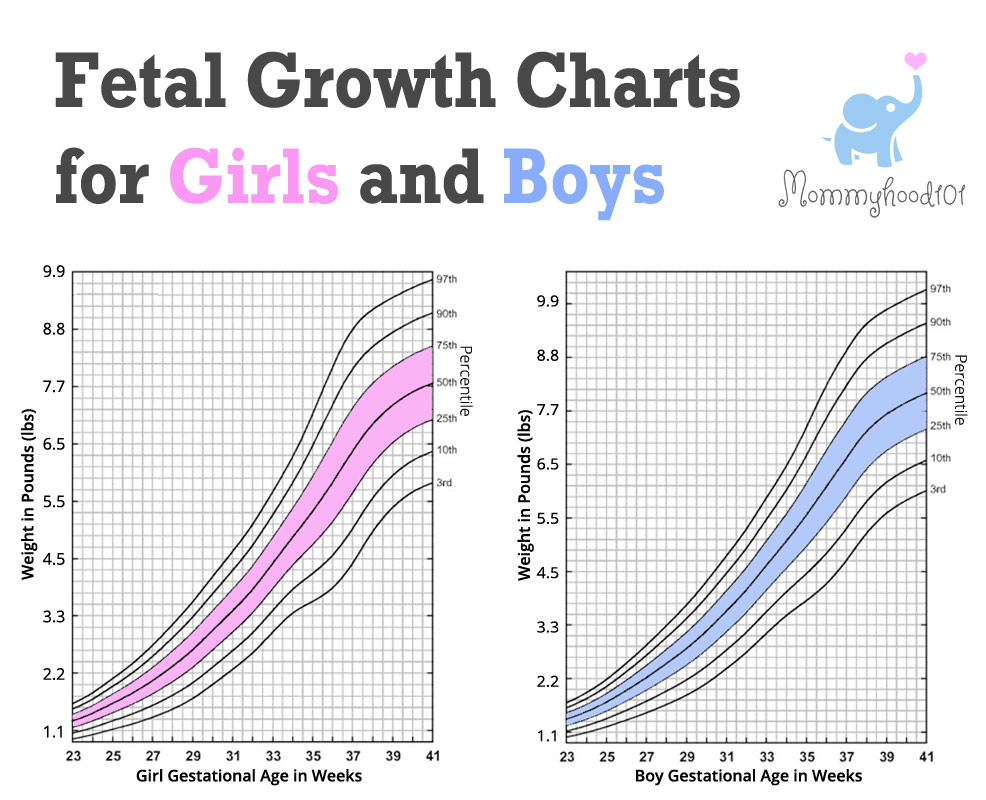
The chart will typically have two main columns: one for age (in weeks) and another for weight (in pounds or kilograms). You can easily track your baby’s weight each week and see how it aligns with what’s expected.
- Age: This is usually listed in a vertical column, allowing you to track week-by-week changes.
- Weight: This horizontal column shows the weight ranges that are expected based on age.
Percentile Indicators
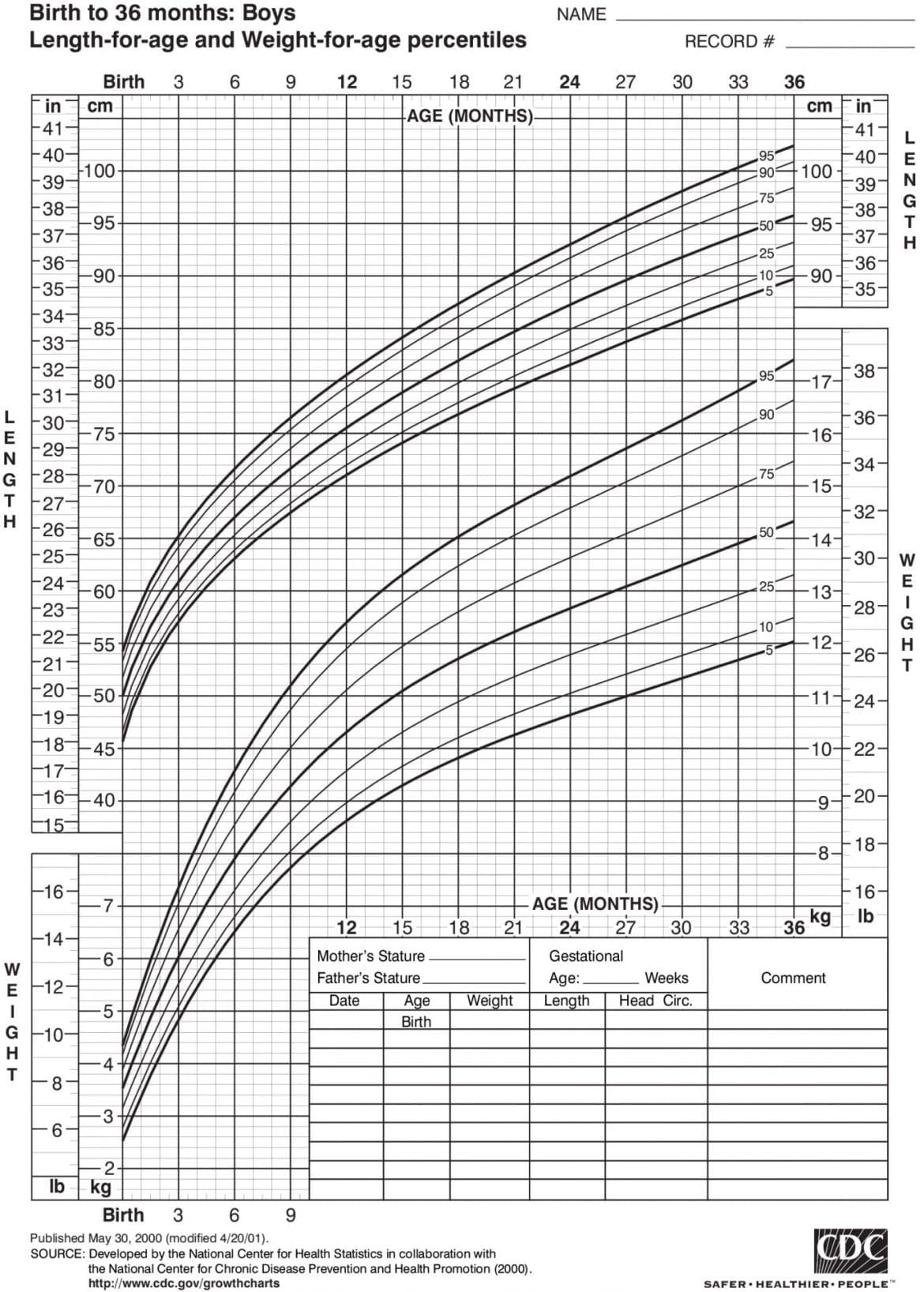
Most charts include lines or markers indicating different percentiles (like 5th, 50th, and 95th). These markers help you visualize where your baby stands in relation to others. For example, if your baby is in the 75th percentile, they weigh more than 75% of infants their age.
Space for Notes
Some charts will have additional space for notes, where you can jot down your baby’s weight on specific dates, any feeding changes, or health observations. This personalized aspect can be incredibly helpful for your pediatrician during check-ups.
How to Use the Chart
Using a Newborn Weight Chart By Week is straightforward, but there are a few tips to ensure you’re getting the most out of it.
- Weigh Your Baby Regularly: It’s best to weigh your baby at the same time each week for consistency. Many parents find that doing this during a regular bath time works well.
- Record the Weight: Write down your baby’s weight in the notes section next to the appropriate week. If you’re using a printed chart, make sure you have a pen handy.
- Compare Percentiles: After recording the weight, locate the corresponding weight on the chart to see where your baby falls among the percentiles. This can help you gauge whether your baby is gaining weight as expected.
- Consult with Your Pediatrician: If you notice that your baby’s weight is consistently below or above the expected range, it’s essential to consult with your pediatrician. They can provide specific advice tailored to your baby’s needs.
Importance of Weight Tracking
Tracking your newborn’s weight is crucial for several reasons. First, it provides peace of mind that your baby is growing adequately. Secondly, it can alert you to any potential health issues early on. For instance, if your baby is not gaining weight as expected, it may indicate feeding difficulties or health concerns.
Moreover, weight tracking can help you understand your baby’s feeding patterns. For instance, if you notice a sudden drop in weight, it may prompt you to evaluate your feeding routine or consult with a lactation expert if you’re breastfeeding.
Format Options for the Chart
When it comes to the format of the Newborn Weight Chart By Week, you have a few options to consider.
- Printable PDF: This is the most common format and allows you to fill in the chart by hand. Make sure to print it on quality paper for durability, especially if you plan to keep it in a baby book.
- Digital Version: Some prefer a digital version that can be filled in on a tablet or computer. This option can be useful if you want to keep everything organized electronically.
- Laminated Sheets: If you want to reuse the chart, consider printing it on cardstock and laminating it. You can then use dry-erase markers to fill in the weight each week.
