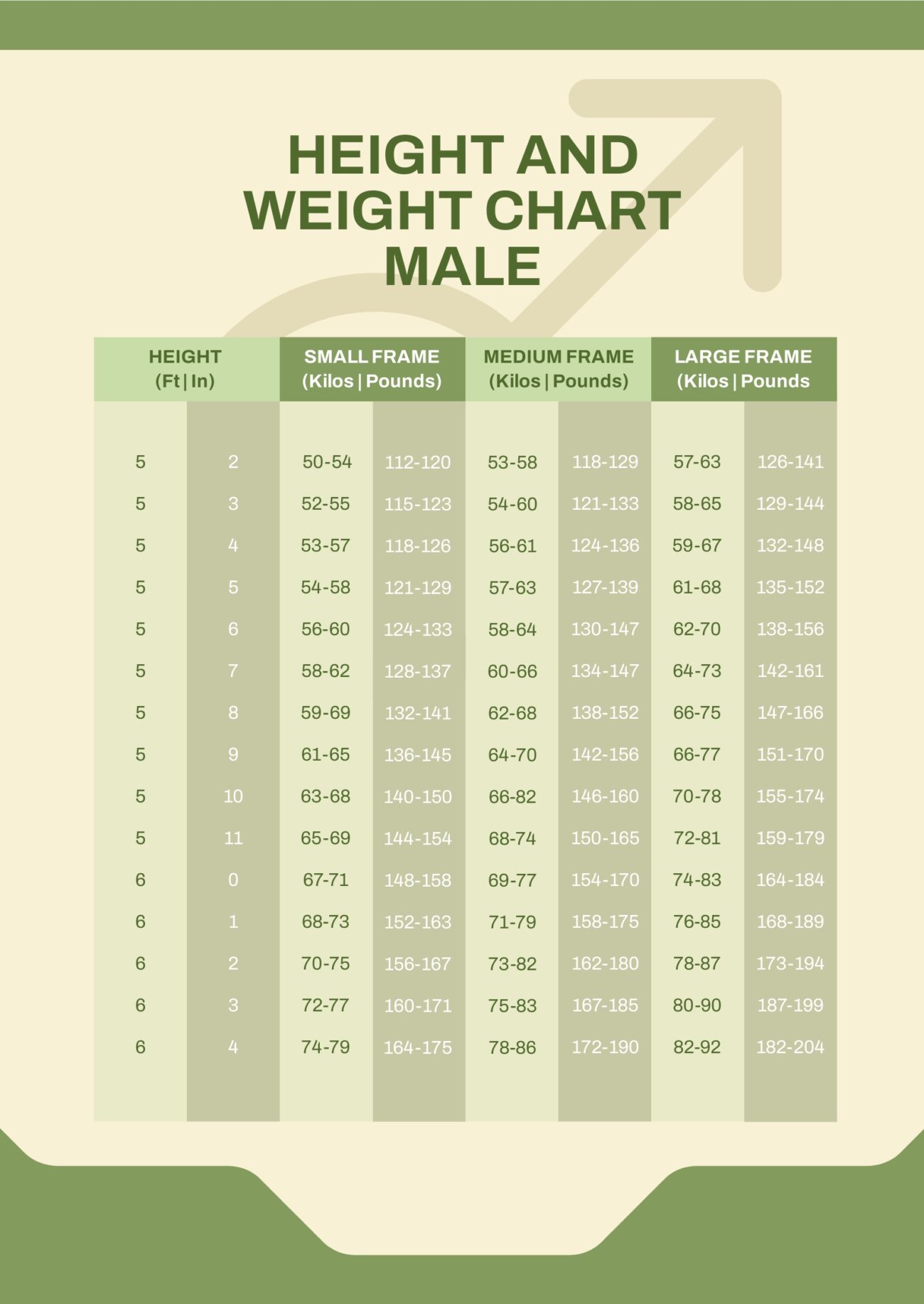
To help you manage your health and fitness goals effectively, a Male Chart For Height And Weight is an essential tool. This chart provides a straightforward way to monitor growth trends, assess body composition, and establish a baseline for fitness objectives. Understanding how to use this resource can make tracking your progress more manageable and motivating.
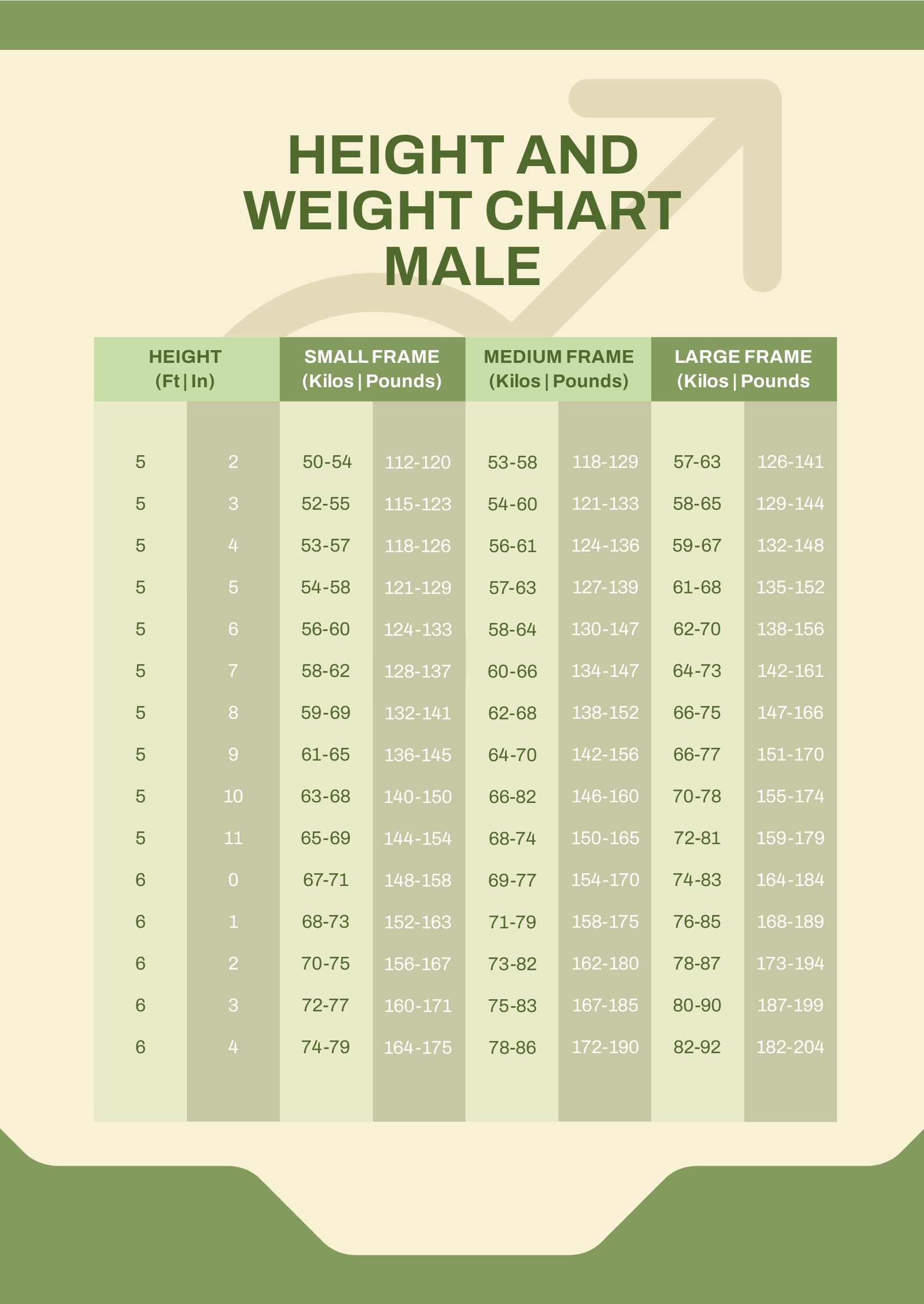
Understanding the Male Chart For Height And Weight
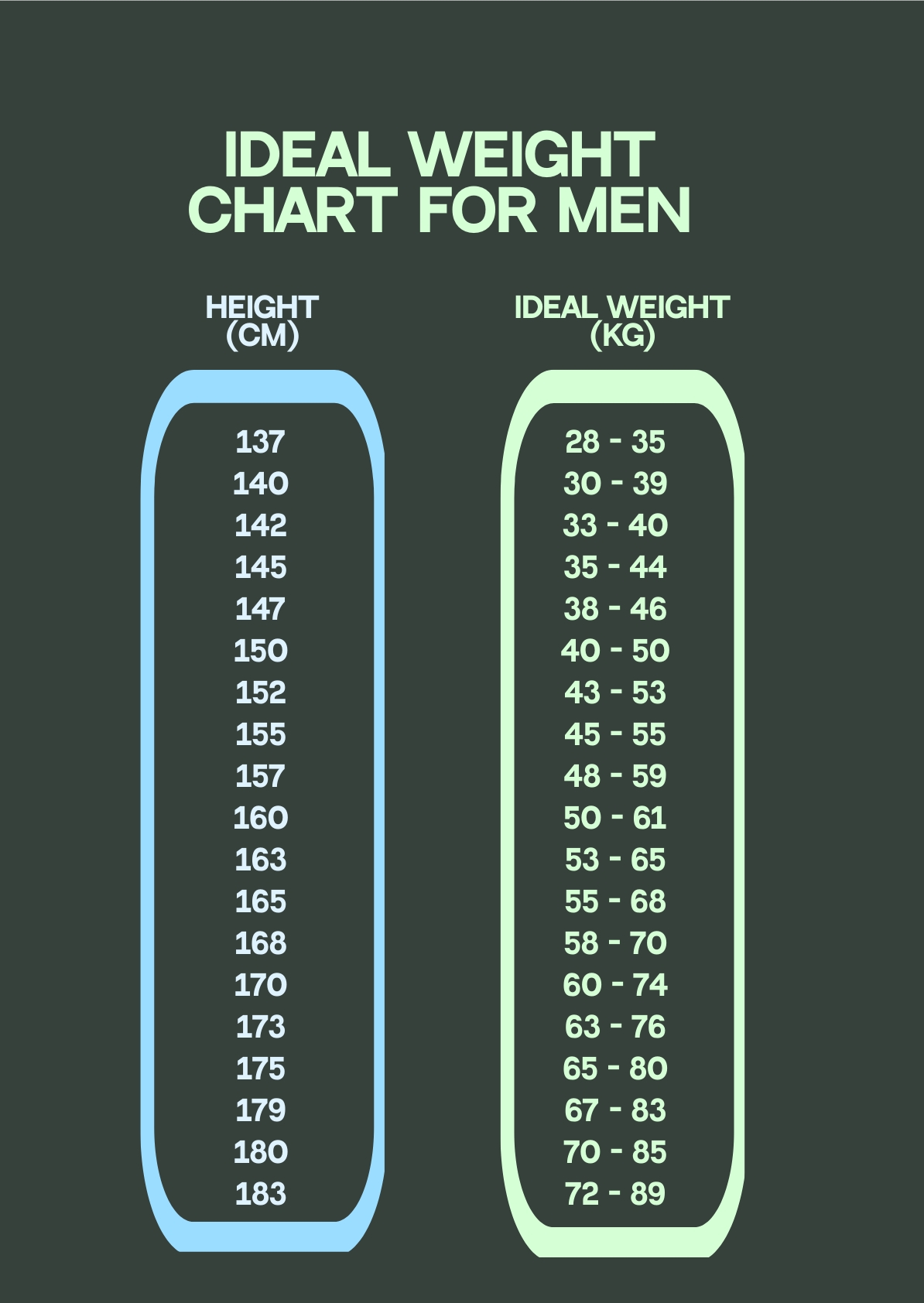
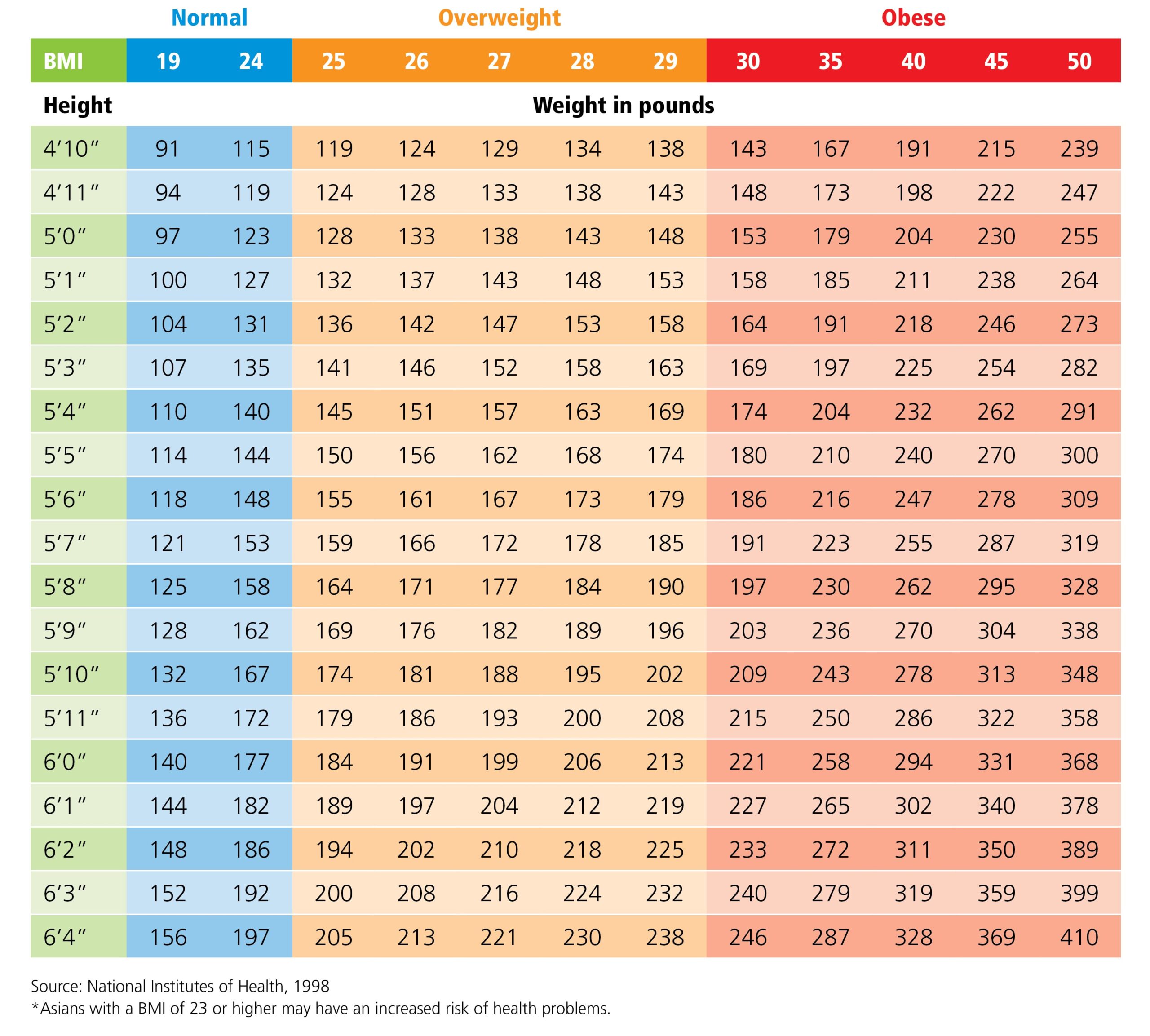
The Male Chart For Height And Weight typically includes a range of heights and corresponding weight ranges that are considered healthy for adult males. This visual representation helps you identify if you are within a healthy weight range for your height. Generally, these charts are based on Body Mass Index (BMI) calculations, which take into account height and weight to categorize individuals into underweight, normal weight, overweight, and obese categories.
When using this chart, you’ll want to start by locating your height on the left side. Then, move horizontally across the chart to find the corresponding weight range that aligns with your height. This can give you a quick snapshot of where you stand in terms of weight health.
How to Download and Print the Chart
Obtaining a Male Chart For Height And Weight is often as simple as finding a reliable printable-resource website. Once you locate the chart, follow these steps to download and print it effectively:
- Choose the Format: Most charts will be available in PDF format, which is ideal for printing as it preserves the layout.
- Download the File: Click the download button to save the file to your computer or device.
- Print Settings: Open the PDF and check your printer settings. For most home printers, a standard A4 or letter size works well. Ensure you select “actual size” in print settings to avoid scaling issues.
- Paper Quality: If you plan to use the chart frequently, consider printing it on cardstock for durability. This also helps if you want to write on it without it tearing easily.
Having a physical copy allows you to keep it handy wherever you track your health progress.
Filling Out the Chart
Once you have your Male Chart For Height And Weight printed, the next step is filling it out. Here’s a structured way to do it:
- Measure Your Height: Stand straight against a wall without shoes, ensuring your head, shoulders, and heels touch the wall. Use a flat object to mark the highest point on your head, then measure from the floor to that mark.
- Weigh Yourself: Weigh yourself using a reliable scale. For accuracy, do this at the same time each day, ideally in the morning before eating or drinking.
- Record Your Measurements: Write down your height and weight in the appropriate spaces on the chart. This will allow you to track changes over time.
Regularly updating this chart can help you visualize your progress, whether you’re trying to gain muscle, lose weight, or maintain your current health.
When to Use the Chart
The Male Chart For Height And Weight can be particularly useful in various contexts:
- Fitness Goals: If you’re starting a new workout regime, use the chart to establish your baseline and track improvements.
- Health Check-ups: Bring the chart to your doctor’s appointments to discuss your weight and height in relation to your overall health.
- Growth Monitoring: For young adults or adolescents, this chart can help monitor growth patterns and ensure they’re developing healthily.
Using this chart consistently can help reinforce accountability in your health journey.
Additional Tips for Effective Use
To maximize the utility of your Male Chart For Height And Weight, here are some additional tips:
- Laminating the Chart: If you want to reuse the chart, consider laminating it. You can write on it with dry-erase markers, making it easy to update without printing new copies.
- Setting Reminders: Schedule regular intervals (monthly or quarterly) to weigh yourself and update the chart. This consistency can aid in keeping your health goals on track.
- Consulting Professionals: If you have concerns about your weight or height, consider discussing your chart with a healthcare provider or nutritionist for tailored advice.
Utilizing a Male Chart For Height And Weight effectively can significantly enhance your ability to track and manage your health. The simplicity of this resource allows you to focus on your goals without unnecessary complexity.
A helpful detail to remember is that while the chart provides a great reference, individual health can vary widely based on many factors, including muscle mass and overall fitness levels.
