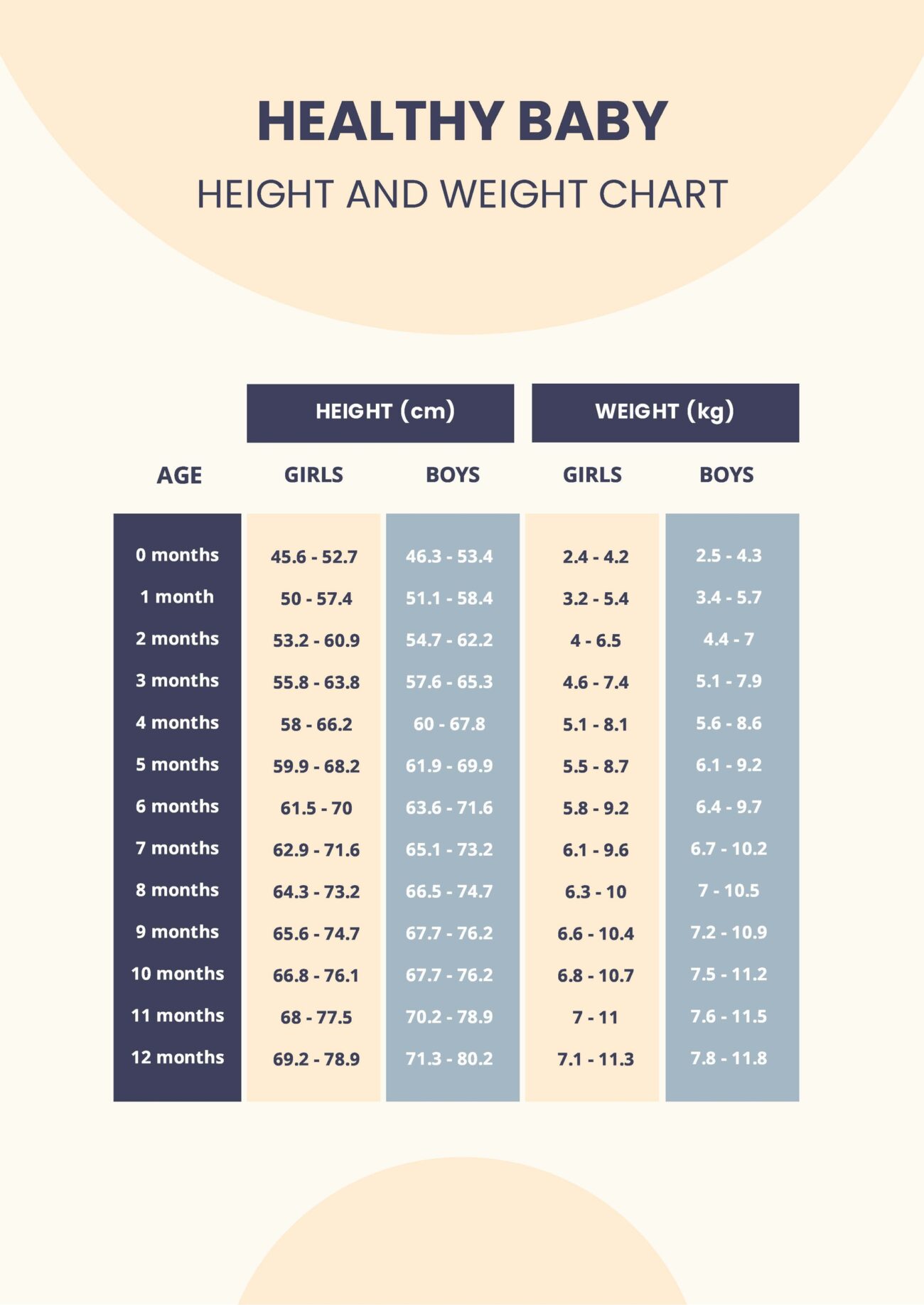
Tracking your baby’s growth is an important part of parenting. An Infant Height And Weight Chart helps you monitor your child’s development over time, ensuring they are on track with their growth milestones. This chart is a vital tool for parents and caregivers, providing a clear visual representation of height and weight progress.
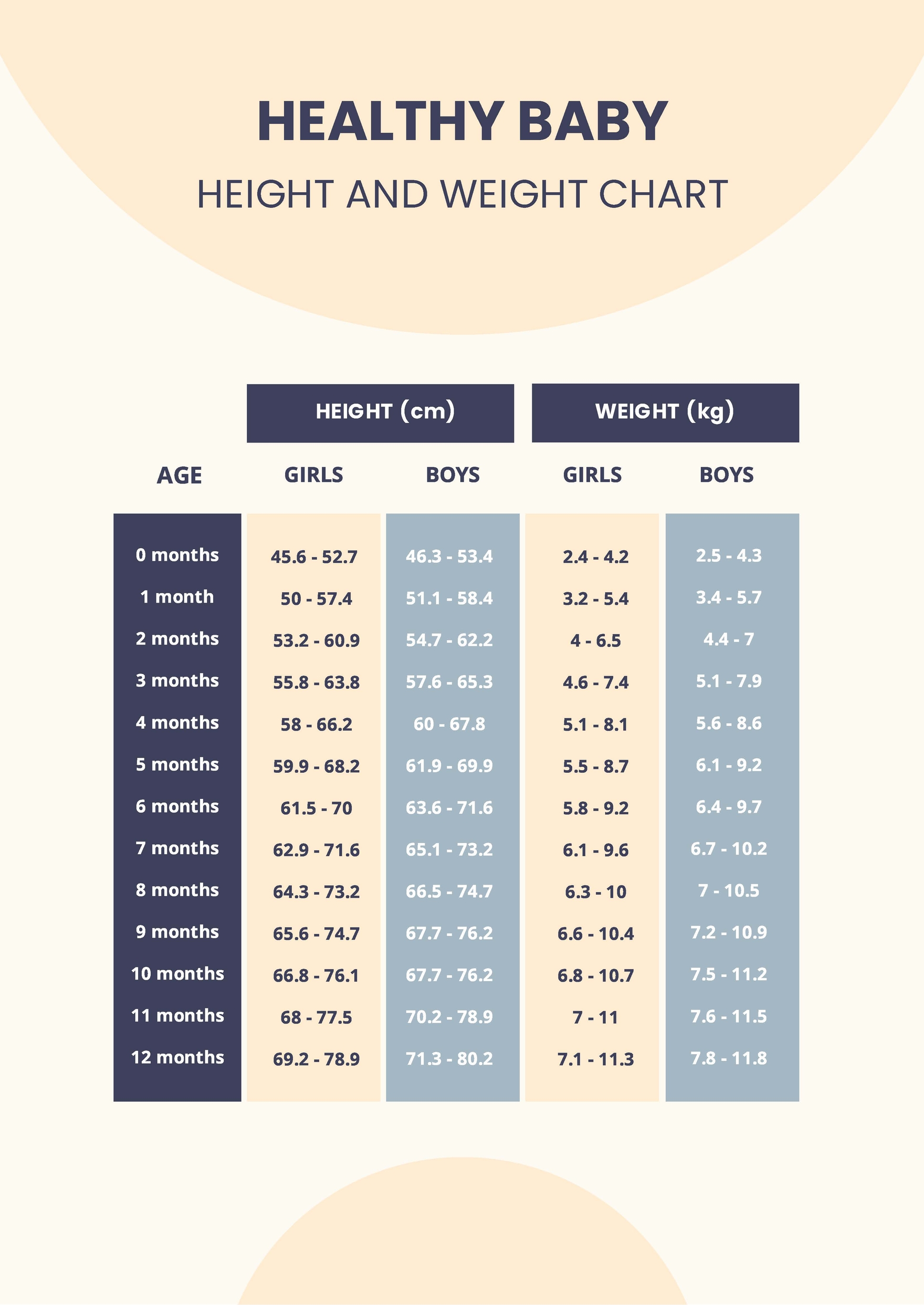
Understanding the Infant Height And Weight Chart
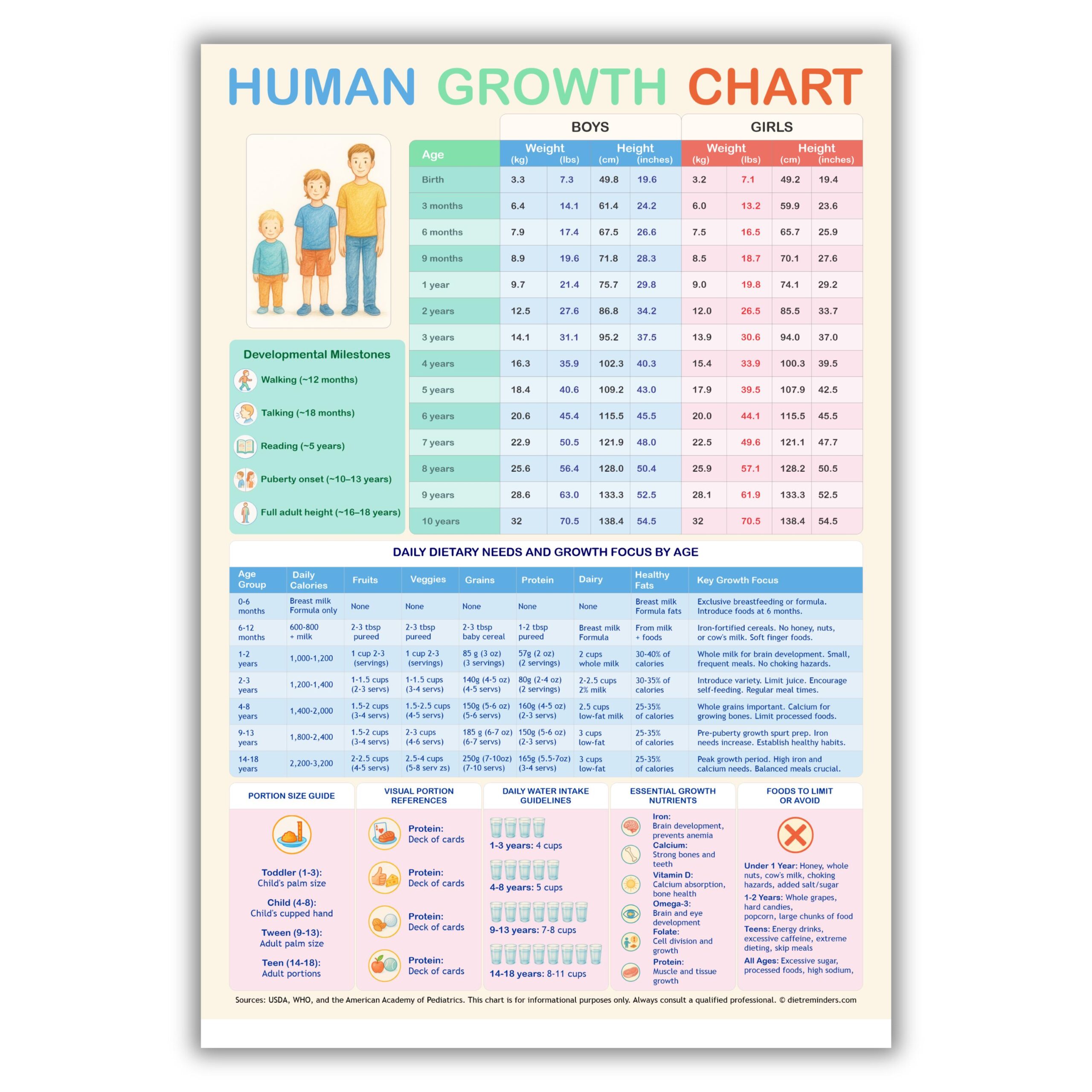
The Infant Height And Weight Chart is based on data collected from thousands of infants. It typically includes a series of curves that represent the 5th, 50th, and 95th percentiles for height and weight. This means that if your child falls on the 50th percentile for weight, they are heavier than 50% of infants their age but lighter than the other 50%.
This chart not only helps you see where your baby stands in comparison to their peers but also serves as a guide for healthy growth patterns. It’s important to remember that every baby is unique, and variations in growth are normal.
How to Use the Chart Effectively
To use the Infant Height And Weight Chart effectively, follow these steps:
- Gather Information: Start by measuring your baby’s height and weight accurately. Use a standard baby scale for weight and a measuring tape for height. It’s best to do this during routine check-ups at your pediatrician’s office.
- Locate the Right Age: Find your baby’s age on the chart. Most charts are divided by months for the first year and then by years after that.
- Plot the Measurements: Once you have your baby’s height and weight, locate the corresponding points on the chart. For example, if your baby is 6 months old and weighs 15 pounds, find the 6-month mark on the weight axis and see where it falls on the percentile curves.
- Interpret the Results: Take note of where your baby’s measurements land. If they are consistently tracking along a percentile line, that’s typically a good sign. If they suddenly drop or rise significantly, it may be time to consult your pediatrician.
When to Consult a Pediatrician
While the Infant Height And Weight Chart is a great tool, it’s important to recognize when to seek professional advice. If your baby consistently falls below the 5th percentile or above the 95th percentile, it may indicate a need for further evaluation. Sudden changes in growth patterns, such as a rapid gain or loss in weight, are also red flags.
Your pediatrician can provide personalized insights and help determine if any underlying health issues need to be addressed. Regular check-ups are crucial, especially during the first year when growth is rapid.
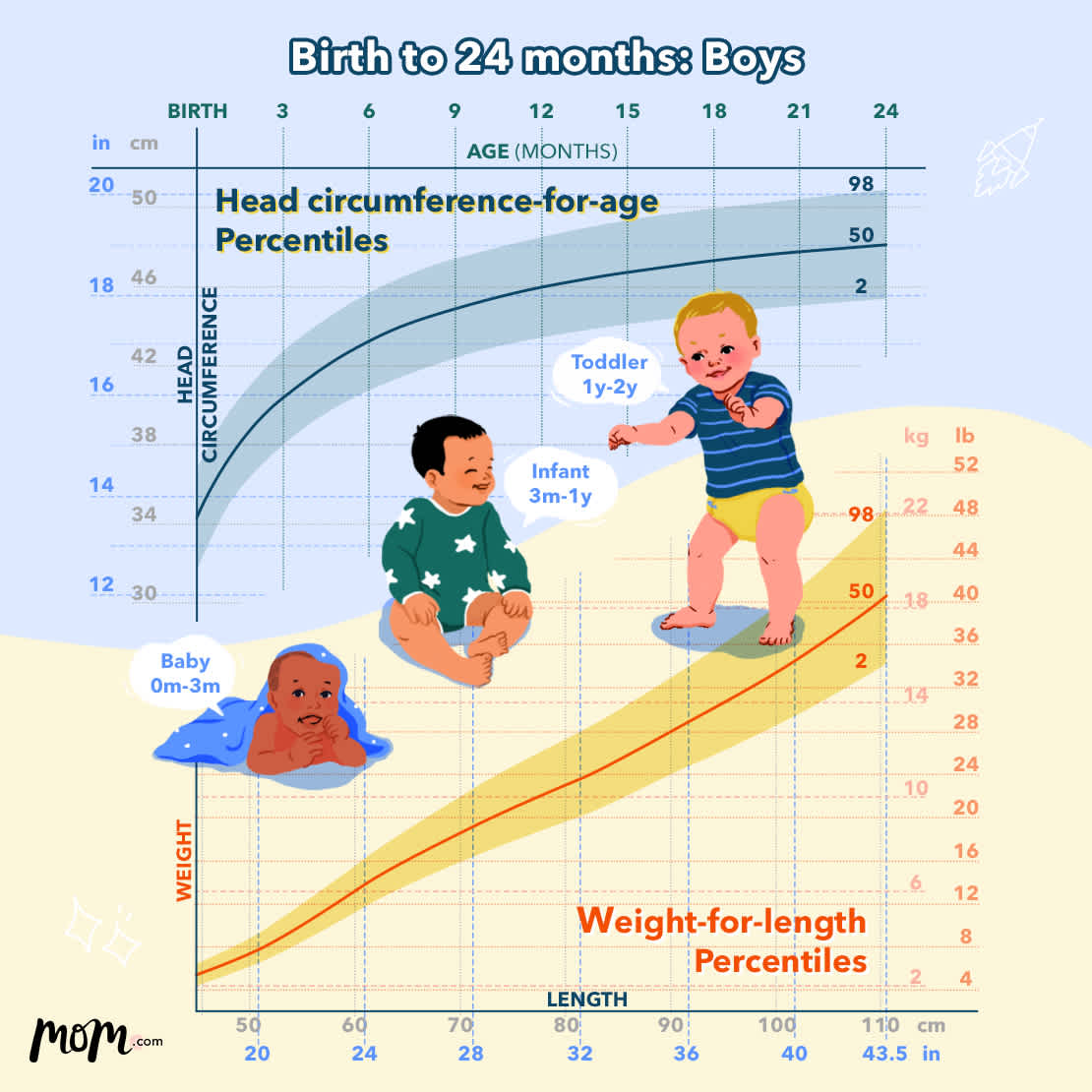
Printing and Using Your Chart
Having a physical copy of the Infant Height And Weight Chart can be incredibly helpful. Here’s how to get the most out of it:
- Print Quality: Use a high-quality printer and standard 8.5 x 11-inch paper. For durability, consider printing on cardstock, which holds up better if you plan to laminate it for long-term use.
- Location: Keep the chart in a visible spot, like your child’s nursery or a family bulletin board. This way, you can easily update it during routine weigh-ins.
- Tracking Progress: Regularly update the chart as your baby grows. This not only helps you keep track of their progress but also serves as a wonderful keepsake to look back on over the years.
- Adaptations: Feel free to modify the chart for your needs. For example, you might want to add notes about your baby’s feeding schedule or milestones achieved next to their measurements.
By using the Infant Height And Weight Chart as part of your routine, you can ensure you’re staying informed about your baby’s growth. It’s a simple yet effective way to engage in your child’s health journey, allowing you to celebrate their progress and address any concerns early on.
Now that you have the tools to track your baby’s growth, consider downloading your own Infant Height And Weight Chart today. It’s a practical step in promoting your child’s health and well-being right from the start.
