When you’re looking to track your child’s growth, a weight chart as per height can be a vital tool. These charts help visualize where your child’s weight falls in relation to their height, allowing you to monitor their health over time. I remember the first time I used one of these charts for my kids. It felt empowering to have a clear picture of their growth patterns, and I was able to share that information with their pediatrician during check-ups. Here’s how you can effectively use a weight chart as per height in your own home.
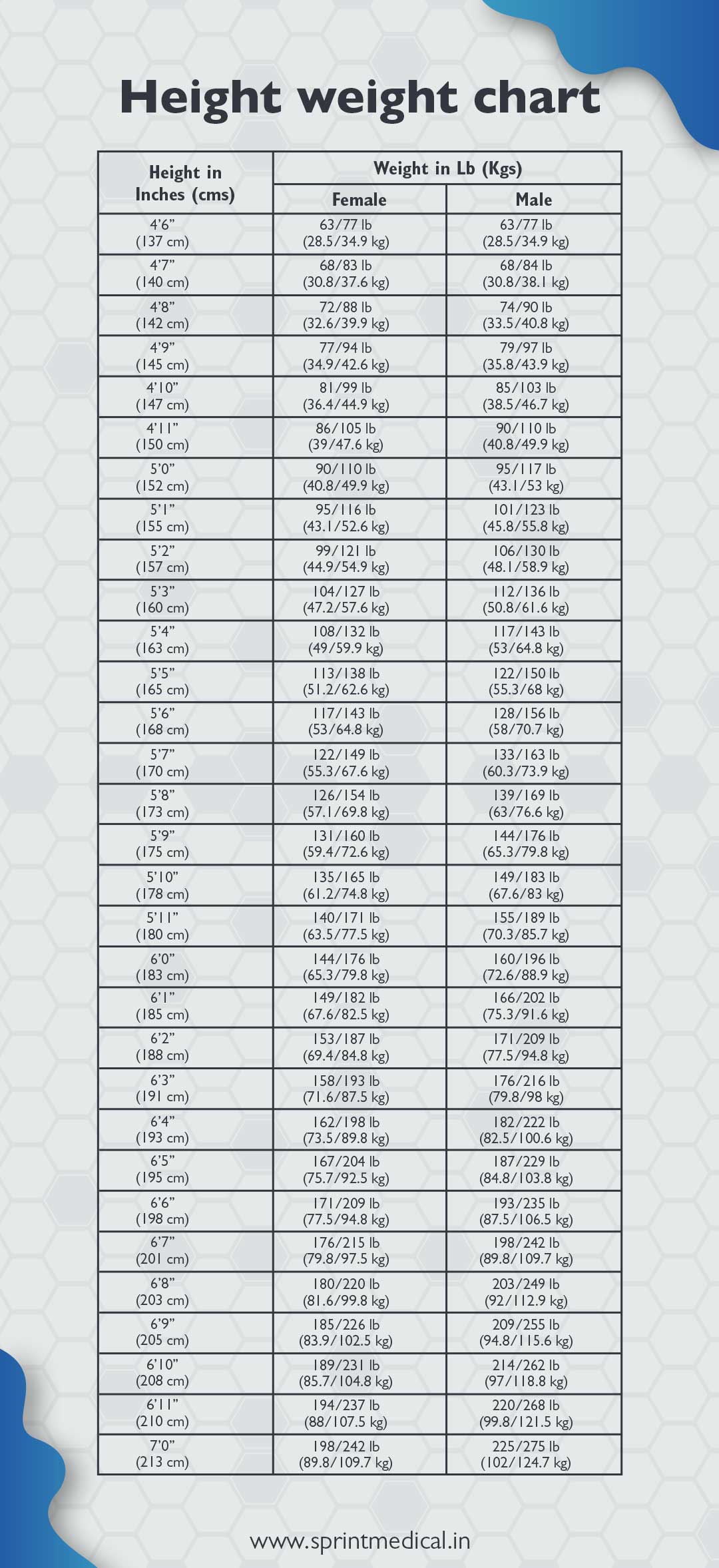
Understanding the Layout of a Weight Chart
A typical weight chart as per height is structured as a grid, with height listed on one axis and weight on the other. This format allows for quick reference and easy interpretation. The intersection points on the chart represent the ideal weight range for various heights.
When you first look at the chart, you’ll notice it’s divided into sections that typically represent different age brackets, often from infancy through adolescence. This design is helpful because it allows you to track changes over specific growth periods.
Key Sections of the Chart
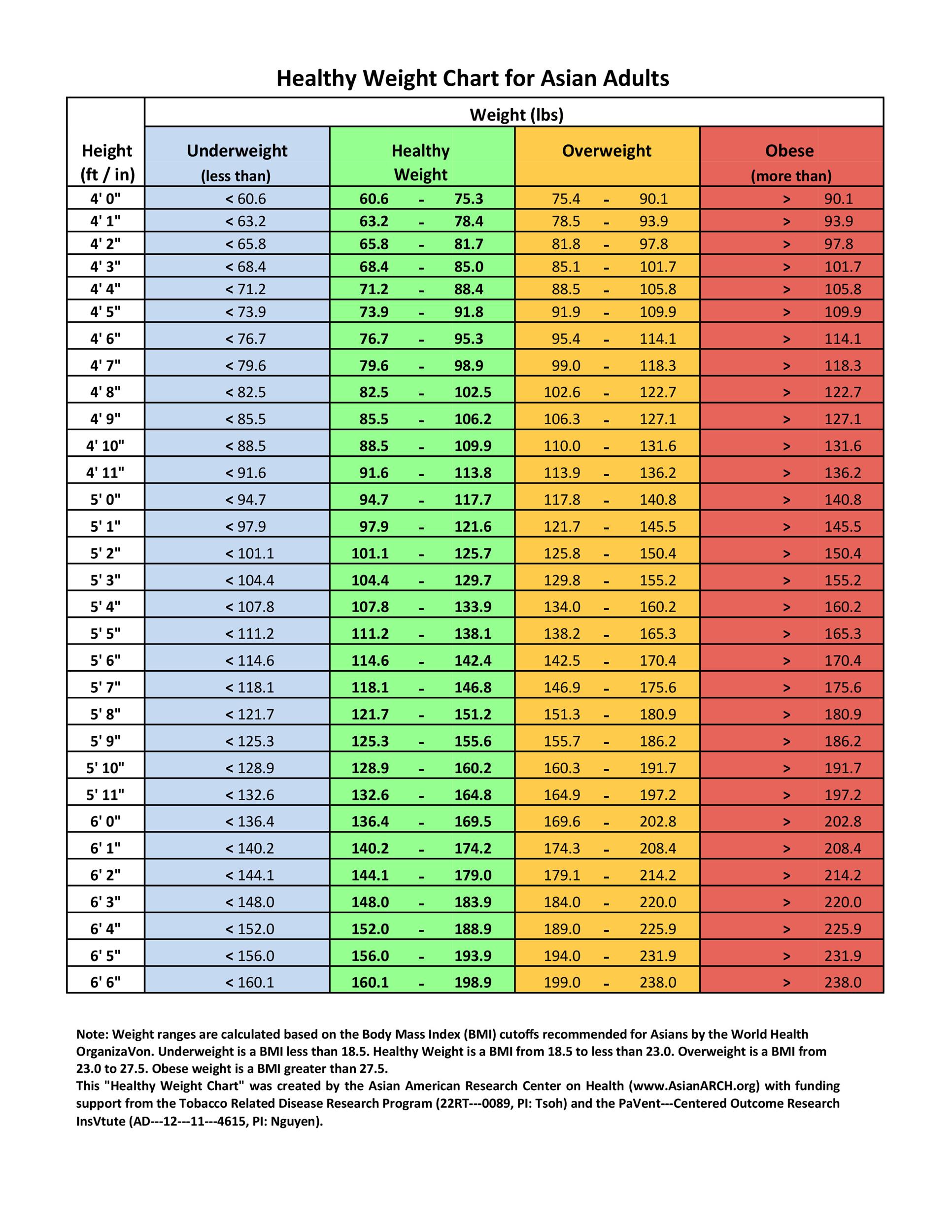
- Height Measurements: Usually listed in inches or centimeters, this column allows you to find the corresponding weight range easily.
- Weight Measurements: These are often displayed in pounds or kilograms, depending on your preference. Make sure to note the measurement unit used.
- Percentiles: Many weight charts include percentile lines that indicate how your child compares to others of the same age and height. Understanding these percentiles can be crucial for identifying potential growth issues.
How to Use the Chart Effectively
To use the weight chart as per height effectively, you’ll want to gather some information before filling it in:
- Accurate Measurements: Ensure you have your child’s current height and weight. Use a reliable scale and a measuring tape for accuracy. It’s best to measure your child first thing in the morning when they are standing straight and not wearing shoes.
- Regular Updates: Make it a habit to update the chart regularly, perhaps during monthly check-ins or doctor visits. This helps you keep a consistent record of your child’s growth.
Once you have your measurements, find your child’s height on the chart. Then, look across to see where their weight falls. If their weight is within the ideal range, that’s a good sign. If it’s above or below, it might be worth discussing with a healthcare professional.
Filling in the Chart
When you fill in the chart, it’s helpful to use a colored pen or pencil. This not only makes it visually appealing but also allows you to easily identify trends over time. Mark the date next to each entry to keep track of when you made the measurements.
Benefits of Using a Weight Chart
Using a weight chart as per height isn’t just about tracking numbers; it can have several benefits:
- Visual Tracking: Seeing your child’s growth on paper can be incredibly reassuring. It can also help you spot trends that may need attention, such as sudden weight loss or gain.
- Health Conversations: Having a visual aid can facilitate discussions with your child’s doctor, making it easier to address any concerns about growth or nutrition.
- Encouraging Healthy Habits: As children grow, involving them in this process can help instill a sense of responsibility for their health. They can see the results of healthy eating and exercise reflected in the chart.
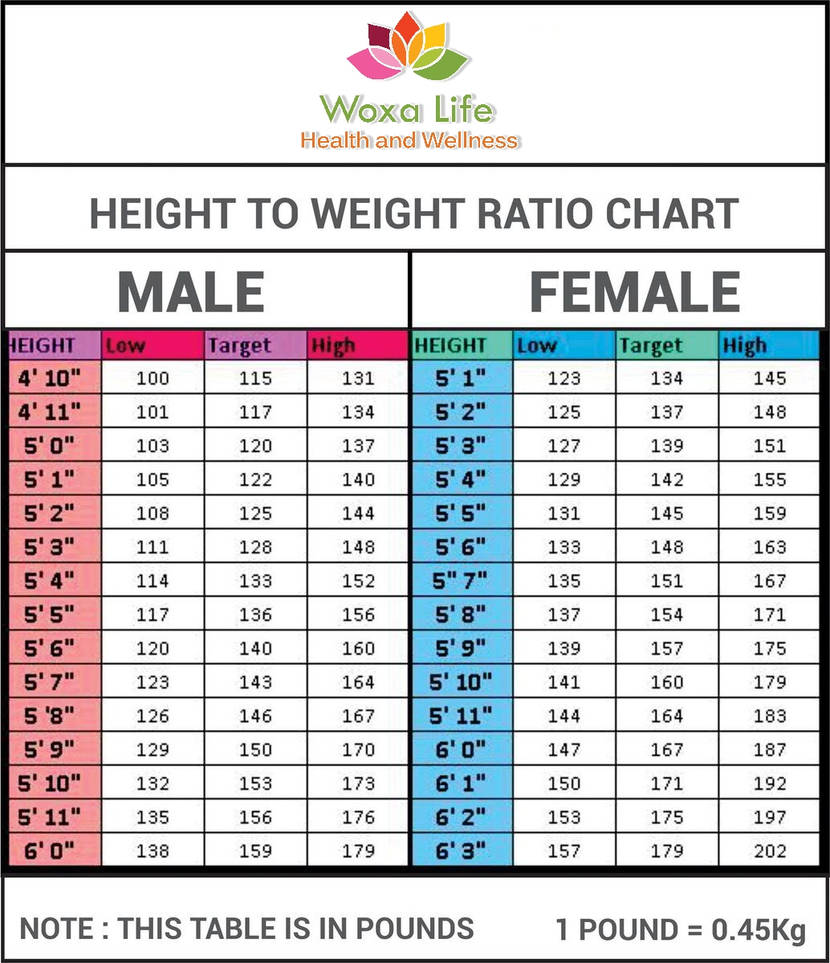
Choosing the Right Chart
When selecting a weight chart as per height, consider the following:
- Age Appropriateness: Make sure the chart you choose is suitable for your child’s age group. Some charts are tailored specifically for infants, toddlers, or older children.
- Format: Look for charts that are easy to read and interpret. Some charts come in PDF format, which you can print at home, while others might be available as physical copies.
- Customization Options: If you like to keep things organized, find a chart that allows you to write notes or observations. This can enhance the usefulness of the chart over time.
Incorporating a weight chart as per height into your family’s routine can be a straightforward way to stay informed about your child’s growth. Whether you print one out and hang it on the fridge or keep it in a health binder, this resource can aid in tracking progress and encouraging healthy habits.
You might also consider creating a digital version if that suits your lifestyle better, using apps that can track growth and health metrics. This way, you can access the information on the go and keep everything organized.
Ultimately, whether you choose to print or keep a digital chart, the important part is to make tracking your child’s growth a part of your routine. It’s a step toward fostering a healthy and active lifestyle for them.
