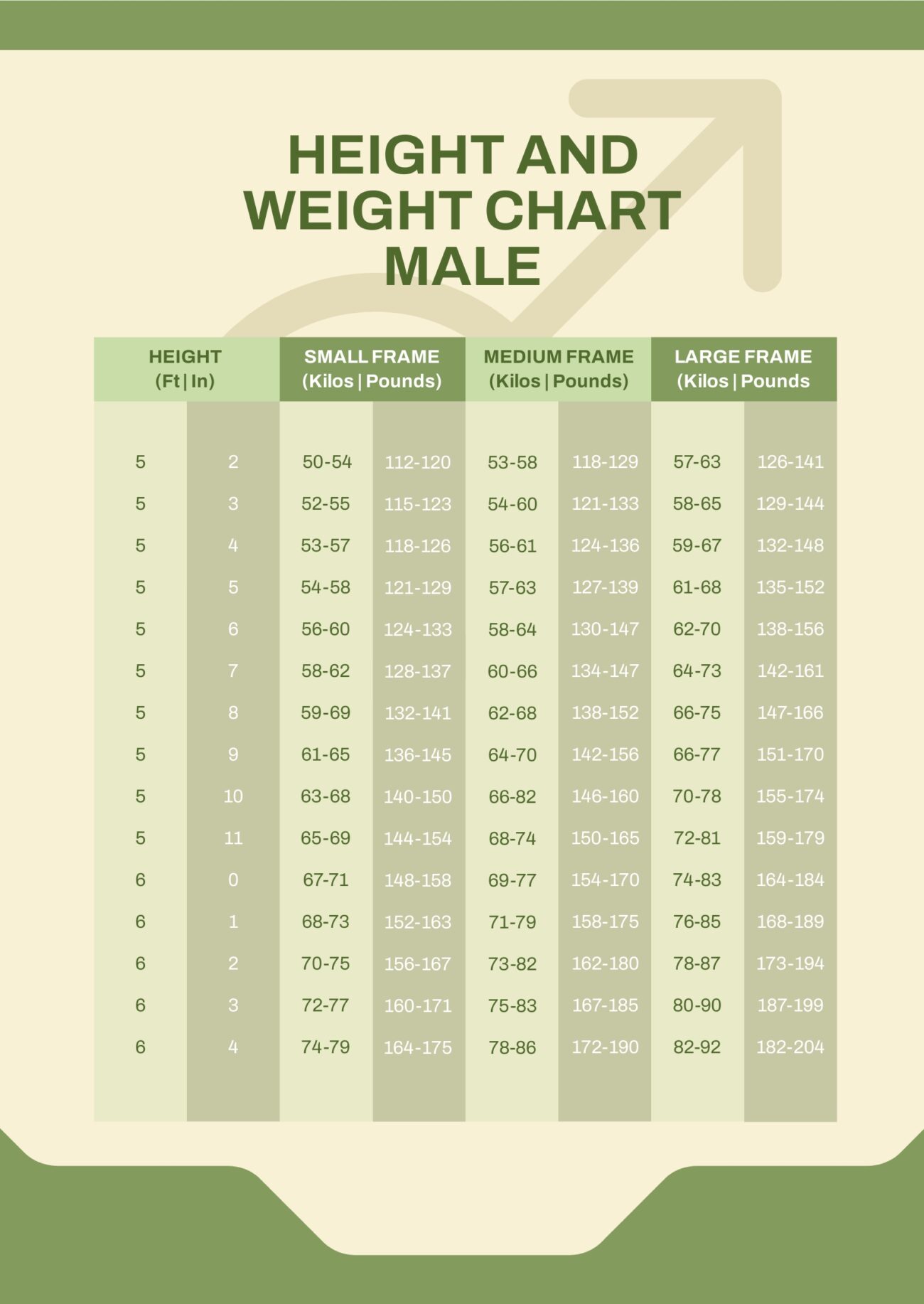
Understanding your ideal weight can be a bit tricky, especially when it comes to height variations. That’s where the Weight Chart By Height For Males comes in handy. This resource is specifically designed to help you understand how height correlates with weight, providing a clear guide for maintaining a healthy lifestyle. If you are looking to lose weight, gain muscle, or simply keep track of your health, this chart can be an invaluable tool in your journey.
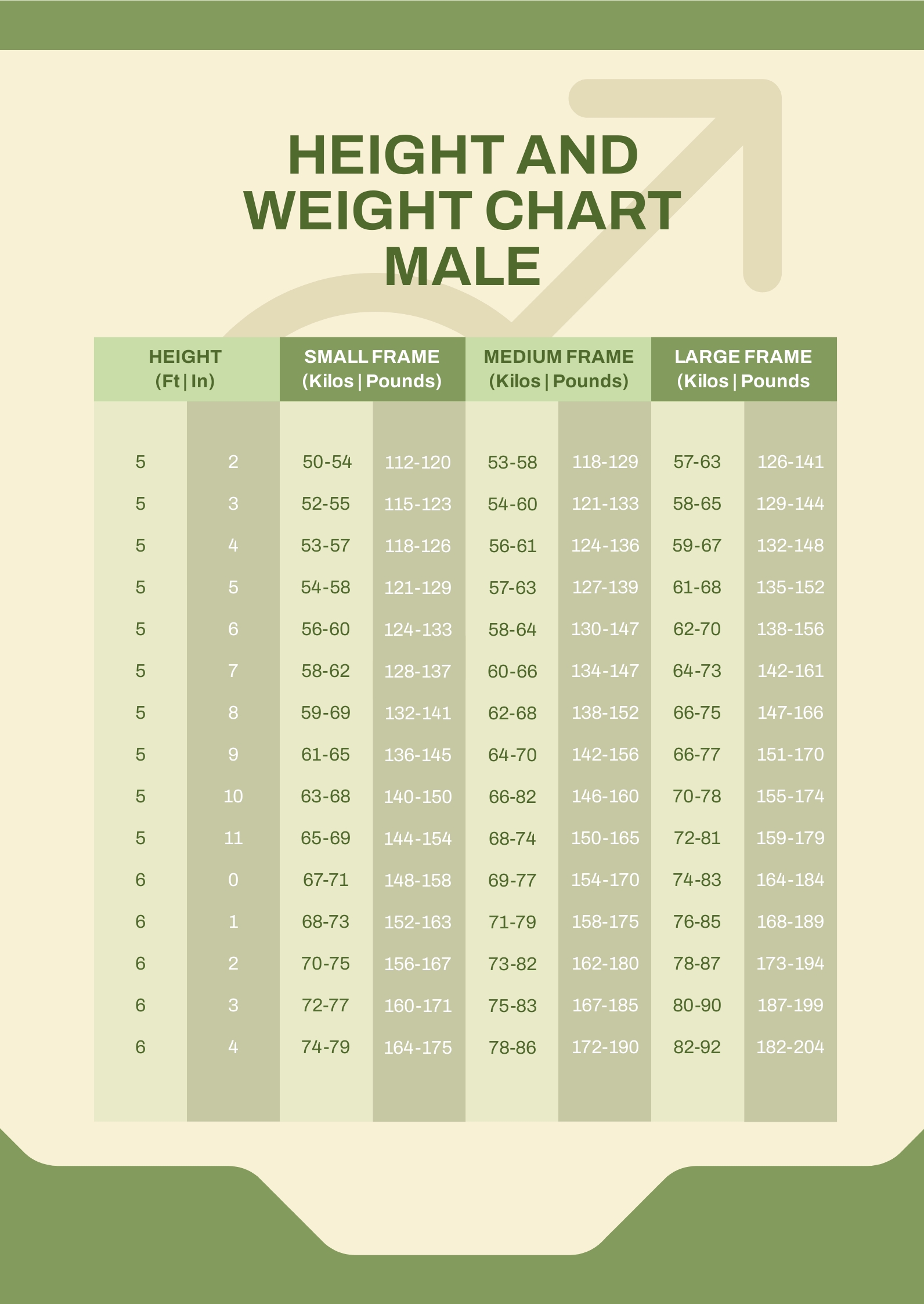
What Is a Weight Chart By Height For Males?
A weight chart serves as a visual guide that correlates height with ideal weight ranges for adult males. This chart typically includes various heights alongside corresponding weight ranges that are considered healthy. The format is straightforward, allowing you to quickly locate your height and see the recommended weight range.
When using the chart, it’s essential to remember that these are general guidelines. Individual factors such as muscle mass, bone density, and overall body composition can affect what is considered a healthy weight for you. Still, the weight chart can serve as a good starting point for understanding where you stand.
How to Read the Weight Chart
Reading the Weight Chart By Height For Males is quite simple. The chart is usually laid out in a tabular format, where one axis lists heights (often in inches or centimeters) and the other lists weight ranges (typically in pounds or kilograms).
- Locate Your Height: Find your height on the left side of the chart.
- Identify Your Weight Range: Move horizontally across to find the corresponding weight range next to your height.
- Assess Your Goals: With your height and the associated weight range in mind, you can evaluate where you currently fall within that range and set your health goals accordingly.
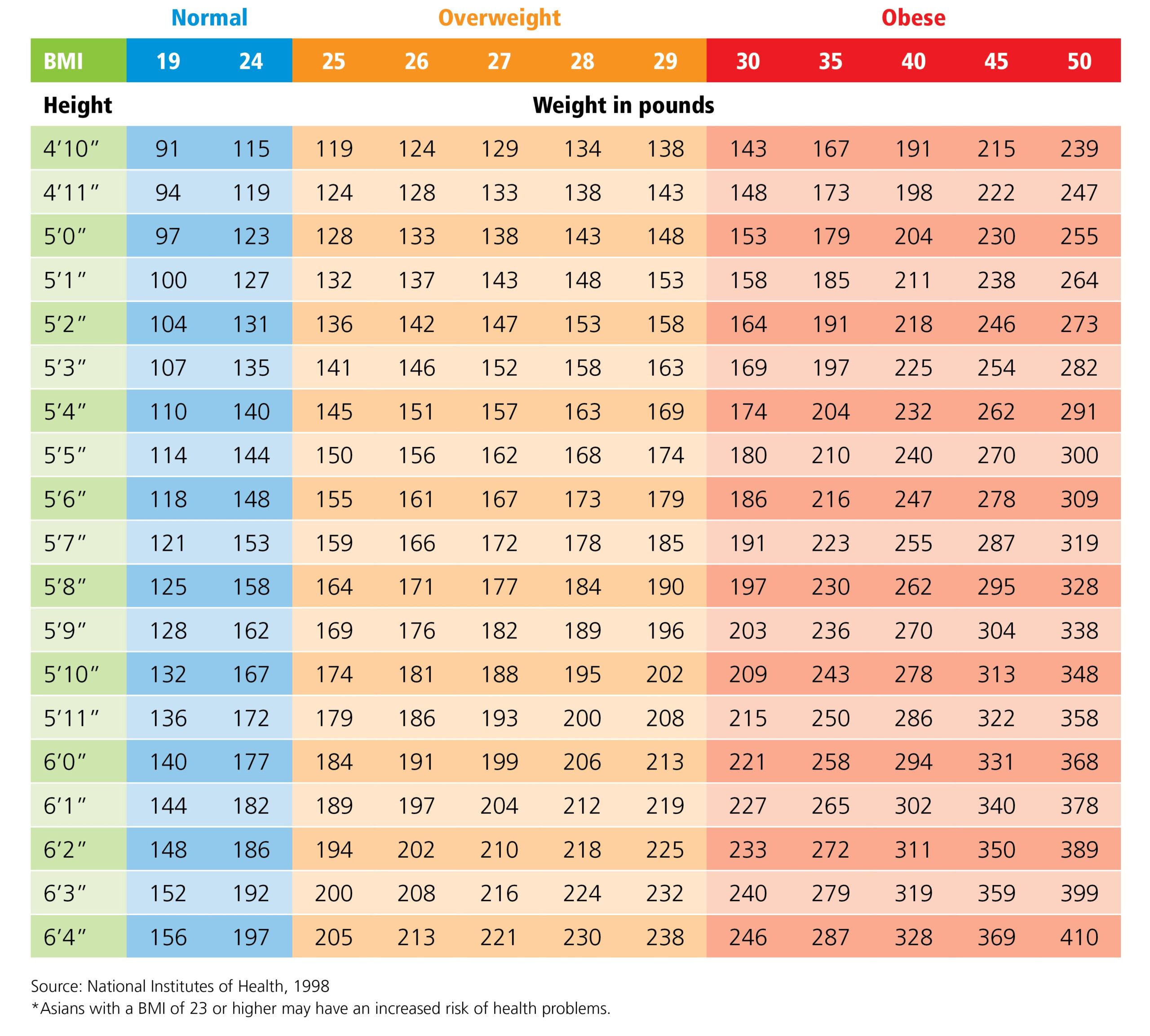
It’s worth noting that some charts may also include BMI (Body Mass Index) categories, which classify weight ranges as underweight, normal, overweight, or obese. This can provide additional context to help you understand where you fit in terms of overall health.
Benefits of Using a Weight Chart
Using a Weight Chart By Height For Males offers several advantages:
- Quick Reference: It gives you immediate information without needing to calculate anything.
- Goal Setting: Helps you identify where you want to be in terms of weight, allowing for better planning in your health journey.
- Visual Aid: The chart provides a clear visual representation, making it easier to grasp your weight status compared to numerical data alone.
When you print out the chart, you can easily hang it somewhere visible, such as on your fridge or in your home office, ensuring you have constant access to your health goals.
Digital Vs. Printable Formats
While many people prefer printed charts for easy reference, you might also find digital versions available. Here’s a quick comparison of both formats:
Printable Weight Chart
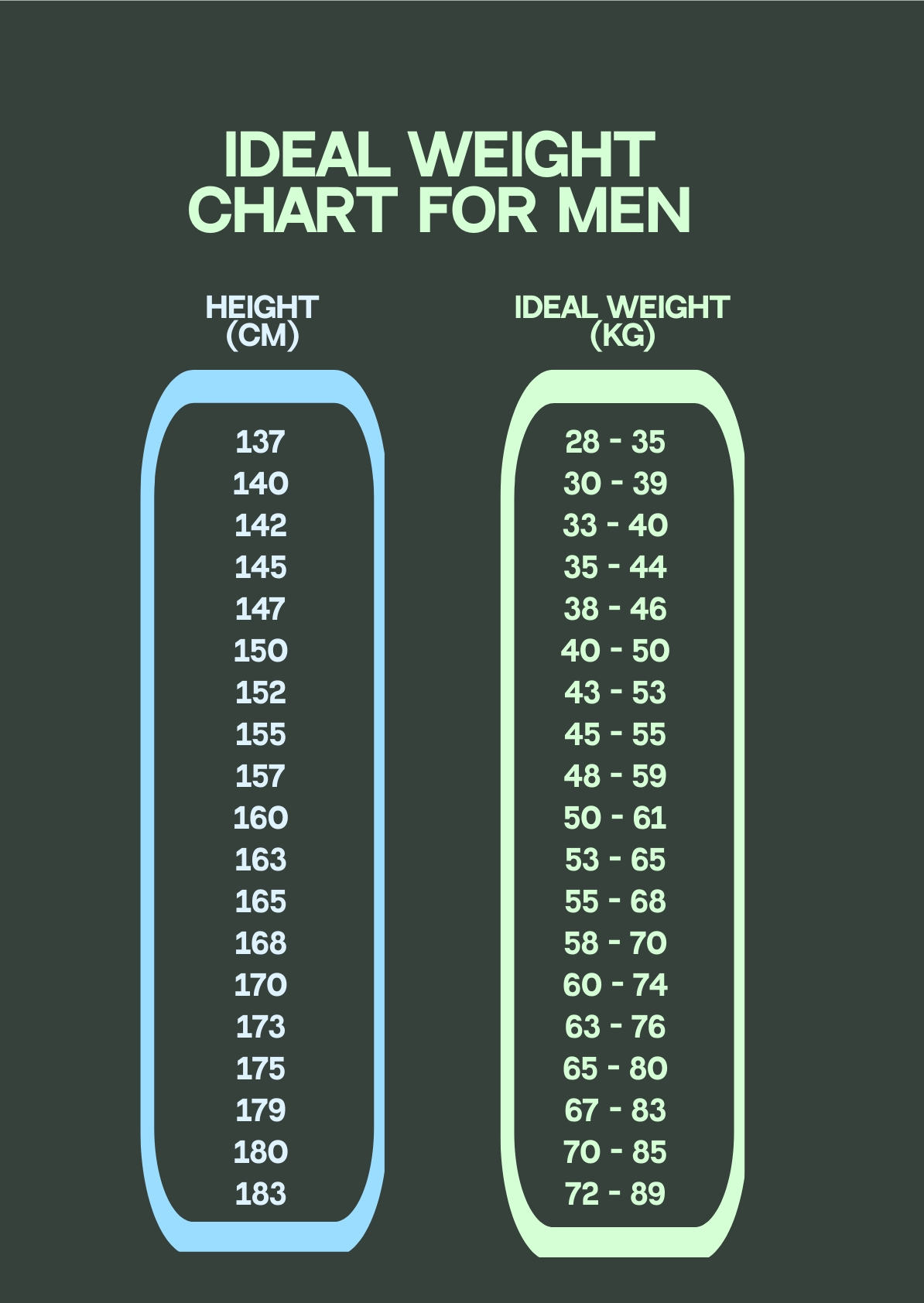
- Physical Copy: Once printed, you can write on it, highlight your target weight, or make notes about your health goals.
- No Tech Needed: You won’t need a device to access the information, which can be beneficial in areas with limited internet access.
Digital Weight Chart
- Interactive Features: Some digital versions may allow you to input your weight and height to see where you stand in real-time.
- Easy Sharing: You can easily share your goals or progress with a healthcare provider or personal trainer.
Ultimately, the choice between digital and printable formats depends on your personal preference and how you plan to use the chart.
Incorporating the Weight Chart Into Your Routine
To effectively utilize the Weight Chart By Height For Males, consider incorporating it into your weekly routine. Here are a few tips:
- Weekly Check-Ins: Set aside time each week to check your weight against the chart. This can help you stay accountable and make necessary adjustments to your diet or exercise plan.
- Combine with Other Resources: Pair the weight chart with other resources like meal planners or workout logs for a more comprehensive approach to health management.
- Consult Professionals: If you’re unsure about your weight goals, consider discussing the chart with a healthcare provider or nutritionist who can provide personalized guidance.
By making the chart a part of your health routine, you can keep your weight goals aligned with your overall wellness strategy.
The most useful detail to remember is that while the Weight Chart By Height For Males is a helpful guideline, it should be used in conjunction with other health metrics and personal wellness strategies for the best results.
