Understanding how to maintain a healthy weight can be a challenge, especially with all the conflicting information out there. That’s where a Healthy Weight Chart For Men comes in handy. This resource simplifies tracking your weight against recommended guidelines based on height and age, helping you set achievable goals. Let’s explore how to effectively use this chart for your journey to better health.
What is a Healthy Weight Chart?
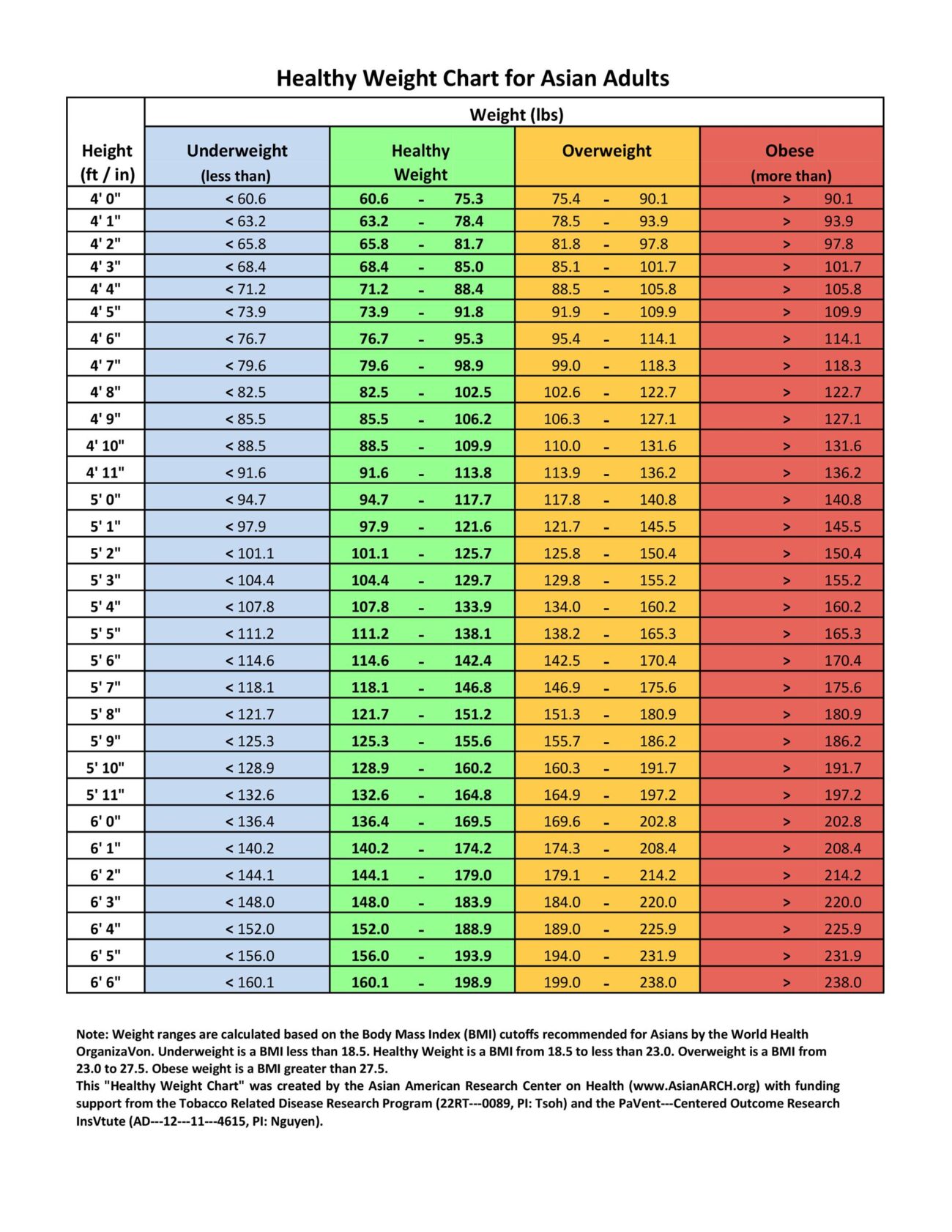
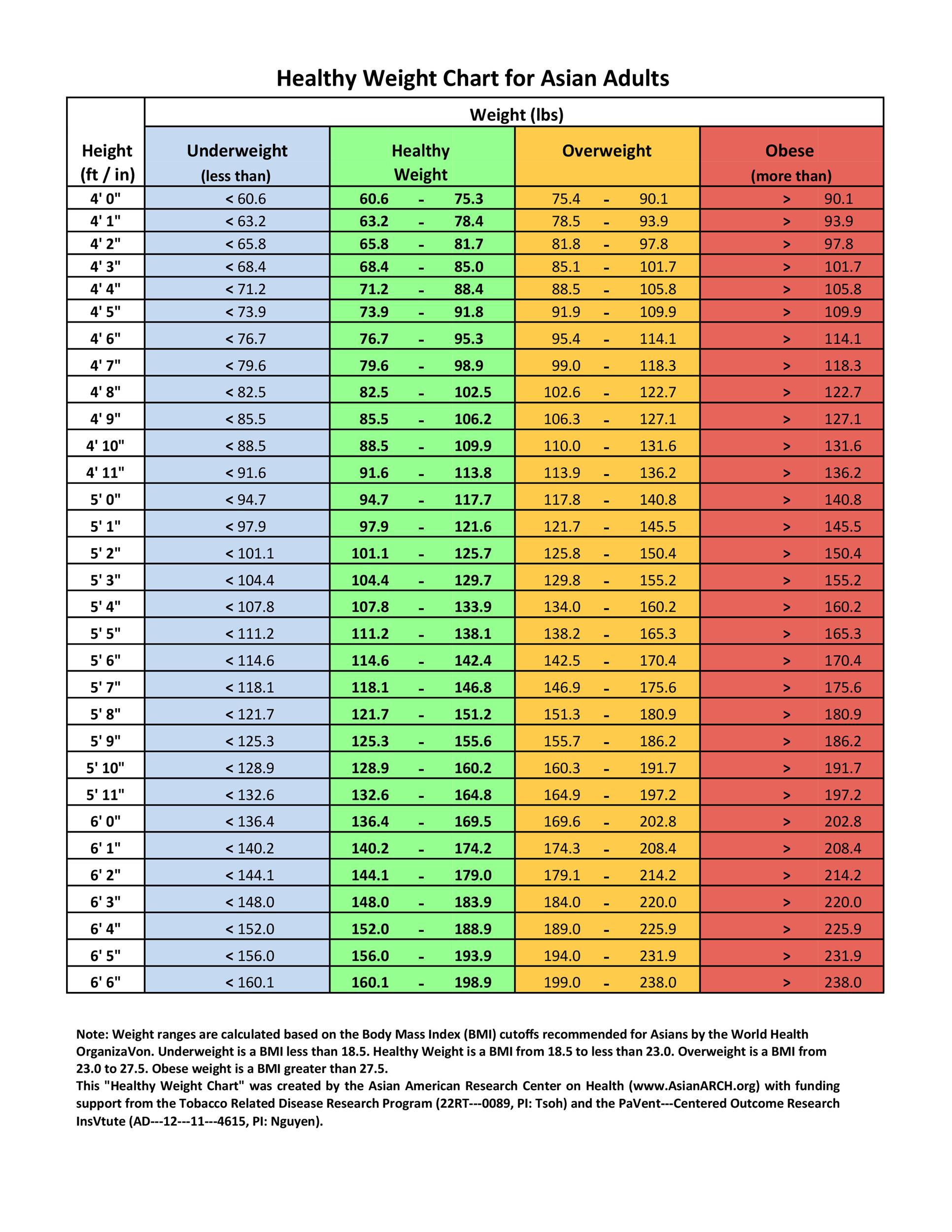
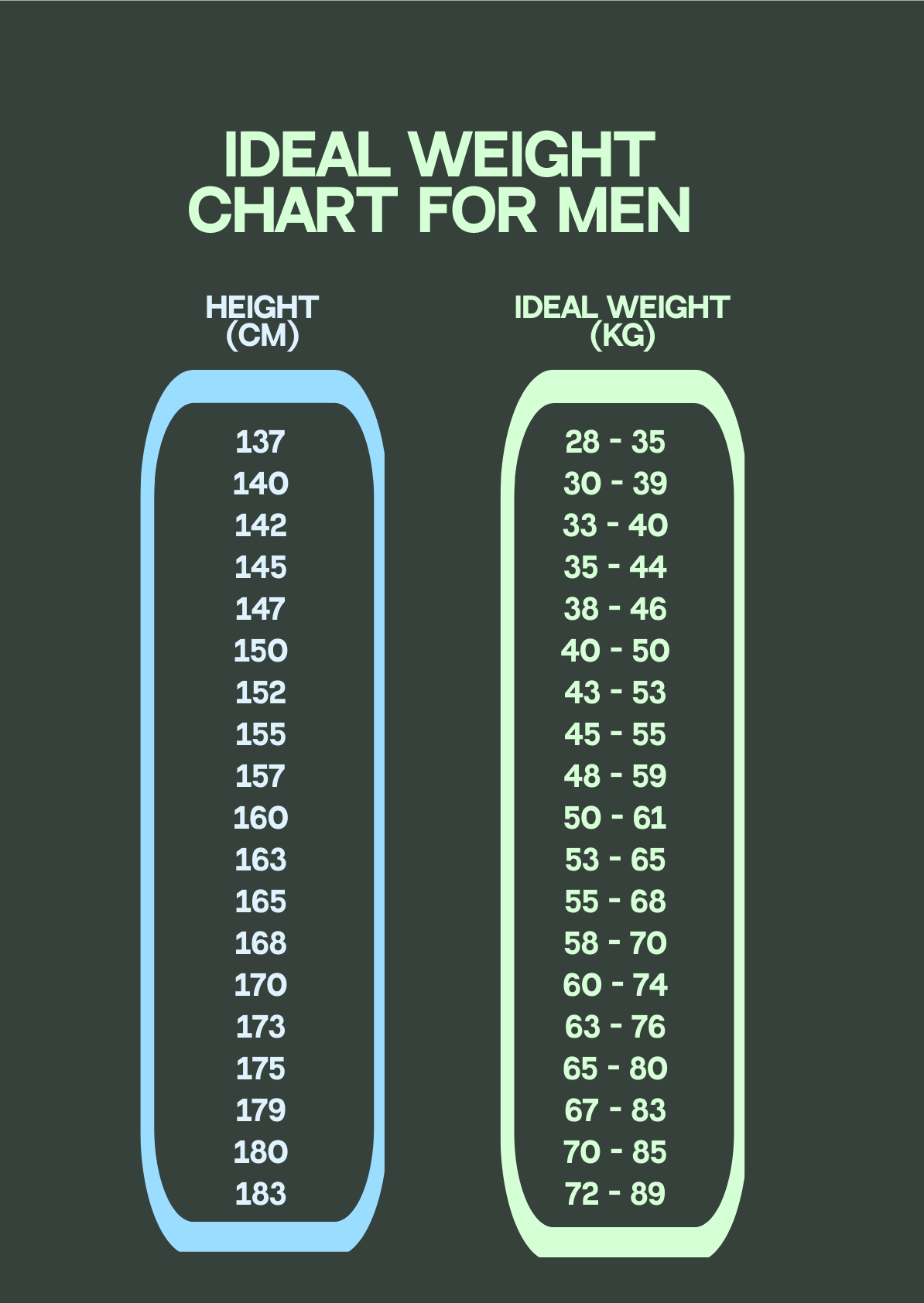
A Healthy Weight Chart is a visual tool that provides weight ranges for men based on height. It typically includes body mass index (BMI) categories, such as underweight, normal weight, overweight, and obesity. By comparing your weight to the chart, you can see where you stand and make informed decisions about your health.
How to Read the Chart
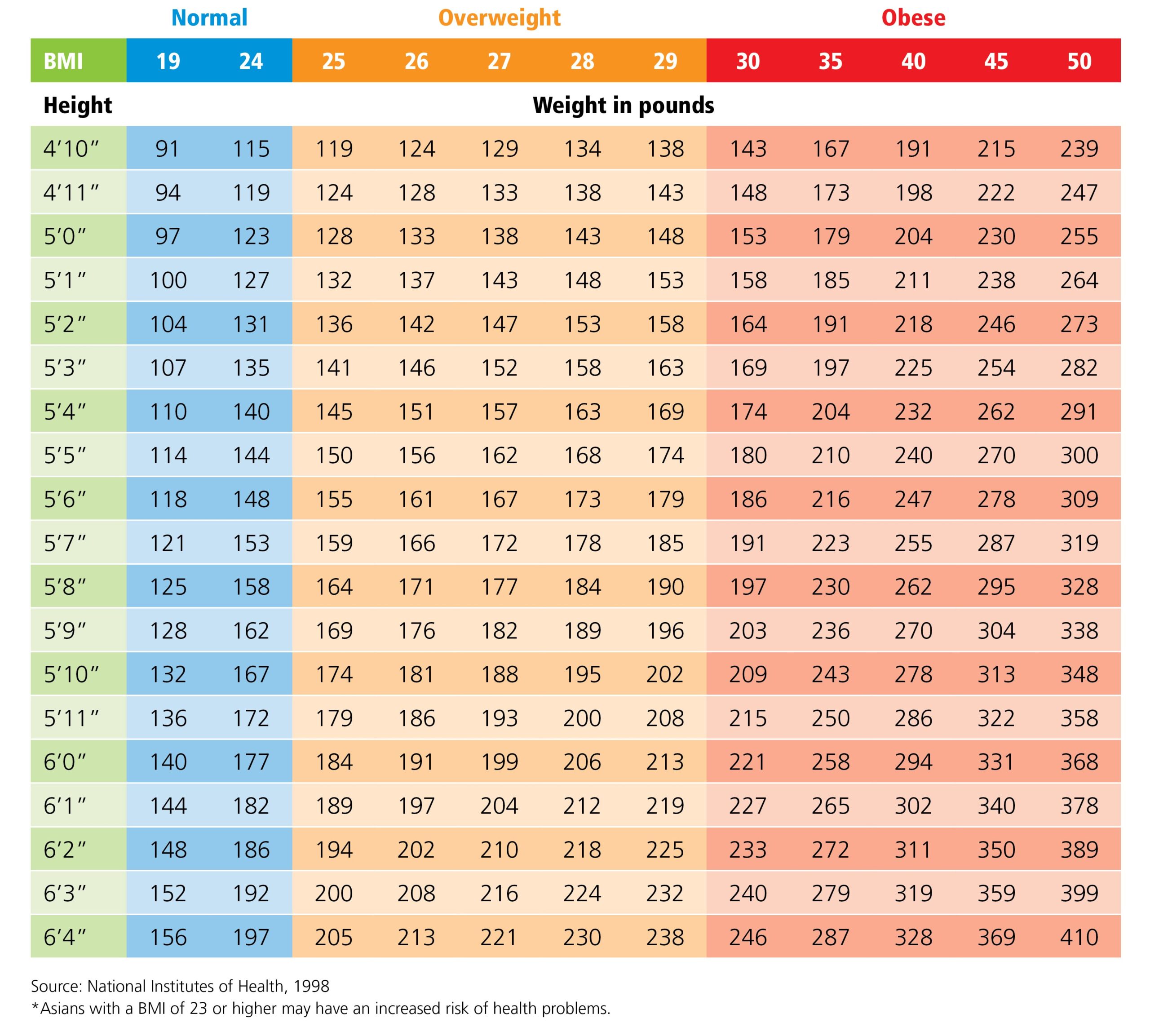
Interpreting a Healthy Weight Chart is straightforward. Follow these steps:
- Locate Your Height: Find your height on the left side of the chart. This is usually measured in inches or centimeters.
- Find Your Weight Range: Move across the row to see the corresponding weight ranges. Each range indicates a category (underweight, normal, overweight, and obese) based on BMI calculations.
- Check BMI Categories: Most charts will also include BMI values, which you can use to understand your health status better.
It’s essential to be aware that while the chart provides a general guideline, individual health varies based on factors like muscle mass, bone density, and overall fitness.
Why Use a Healthy Weight Chart?
Using a Healthy Weight Chart for Men can help you in several ways:
- Goal Setting: It gives you a clear target to aim for, making weight management less overwhelming.
- Progress Tracking: You can regularly check your weight against the chart to track changes over time.
- Health Awareness: It raises awareness about what constitutes a healthy weight, encouraging healthier lifestyle choices.
Steps to Effectively Use the Healthy Weight Chart
To make the most out of your Healthy Weight Chart, follow these practical steps:
1. Gather Your Information
Before you can fill in your chart, make sure you have the following:
- Your Height: Measure your height accurately, preferably without shoes.
- Your Current Weight: Use a reliable scale. Weigh yourself at the same time each day for consistency.
2. Download and Print the Chart
Look for a printable version of the Healthy Weight Chart For Men. PDF formats work best, as they maintain the layout when printed. Here are a few tips for printing:
- Use Quality Paper: A heavier cardstock will hold up better if you plan to handle it frequently.
- Portrait Layout: This is usually easier to work with for charts. Most home printers handle this format well.
3. Fill in the Chart
Now that you have your chart and measurements:
- Start by writing your height next to the corresponding weight range.
- Mark your current weight on the chart to see where you fall.
4. Regularly Update Your Progress
Make it a habit to weigh yourself regularly, perhaps once a week. Update the chart each time you weigh in. This will help you visualize your journey and motivate you to stay on track.
5. Set Realistic Goals
Based on your findings, set achievable weight goals. Aim for gradual changes, such as losing 1-2 pounds per week, which is generally considered safe and sustainable.
Incorporating Healthy Habits
While the Healthy Weight Chart is a great starting point, it’s equally important to adopt healthy habits. Here are a few tips:
- Balanced Diet: Focus on whole foods like fruits, vegetables, lean proteins, and whole grains. Avoid excessive processed foods and sugars.
- Regular Exercise: Aim for at least 150 minutes of moderate aerobic activity each week, combined with strength training exercises.
- Hydration: Drink plenty of water throughout the day. Staying hydrated can aid in weight management.
