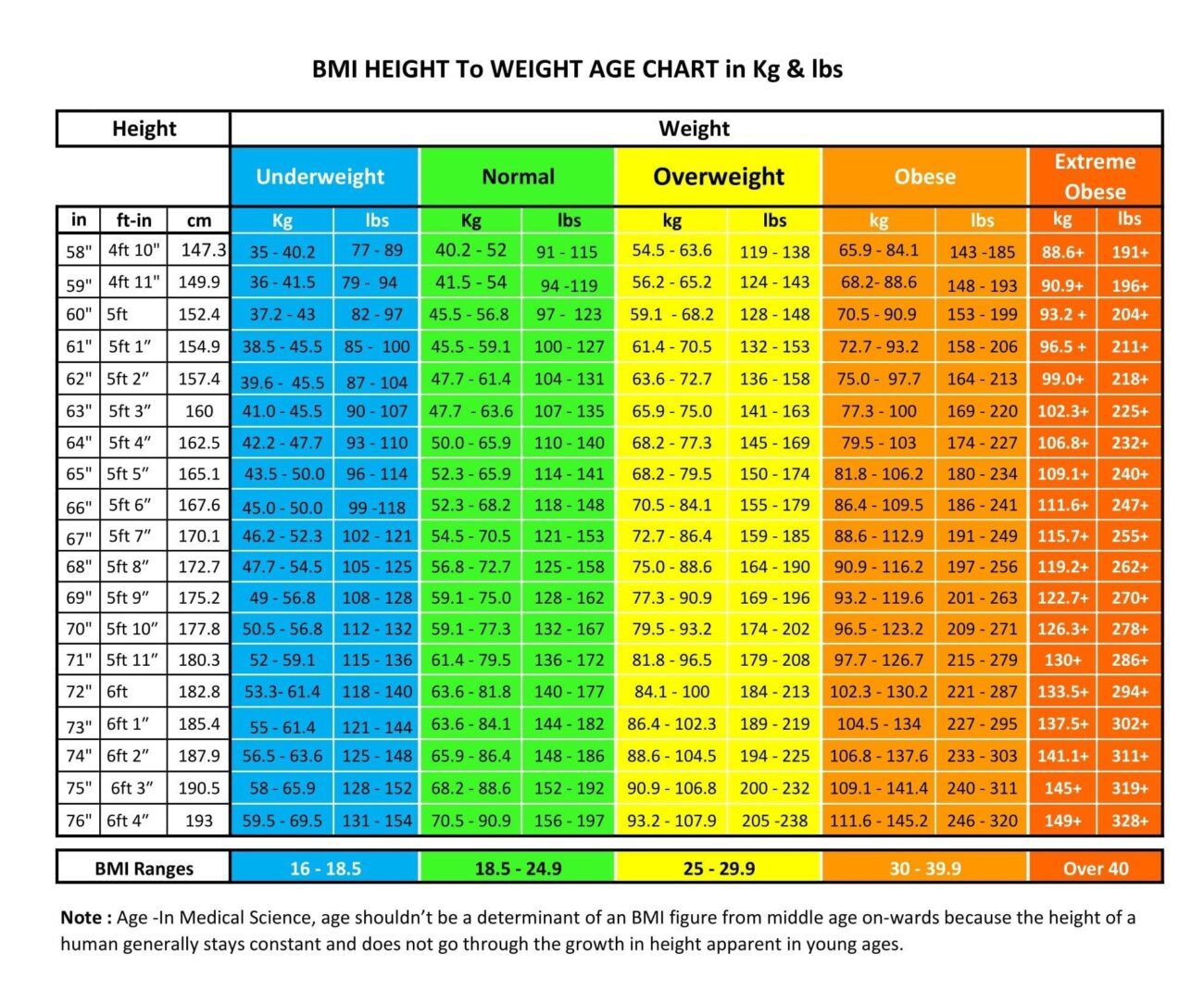
Tracking your child’s growth is essential, especially when it comes to their weight. Parents often wonder if their little ones are on track, and that’s where a Weight Chart According To Age comes in handy. This resource helps you visualize where your child stands compared to established growth standards. Let’s explore how to effectively use this chart to monitor your child’s development, ensuring they’re healthy and thriving.
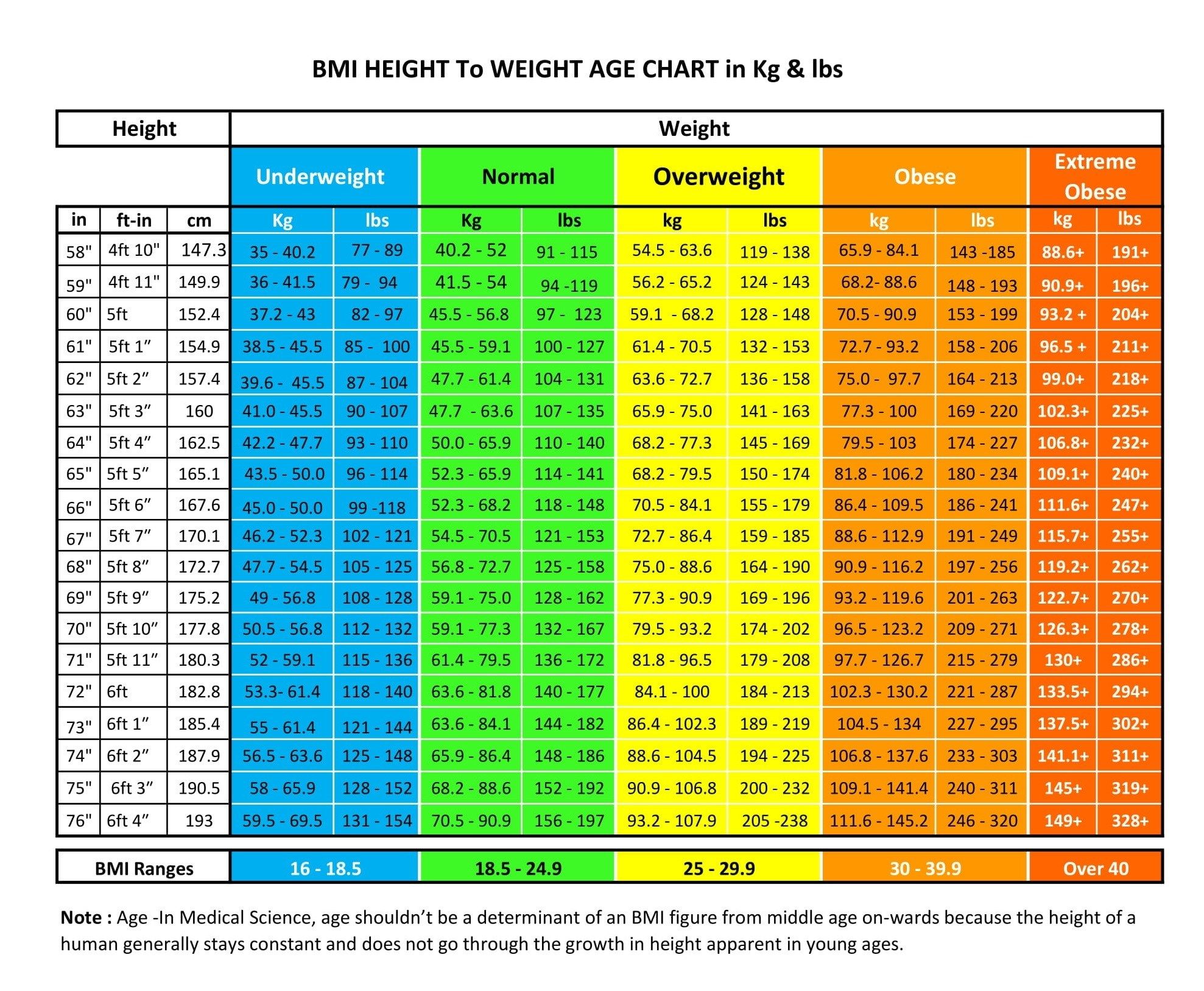
Understanding the Weight Chart
A Weight Chart According To Age is a graphical representation of weight ranges for children at various ages. These charts typically include percentiles that indicate how your child’s weight compares to that of other children. For instance, if your child is in the 50th percentile, that means they weigh more than 50% of children their age.
These charts are often provided by pediatricians and can be found in health books or downloaded from reliable websites. They usually cover different age groups, often from birth to 18 years. Understanding how to read the chart is crucial.
How to Read the Chart
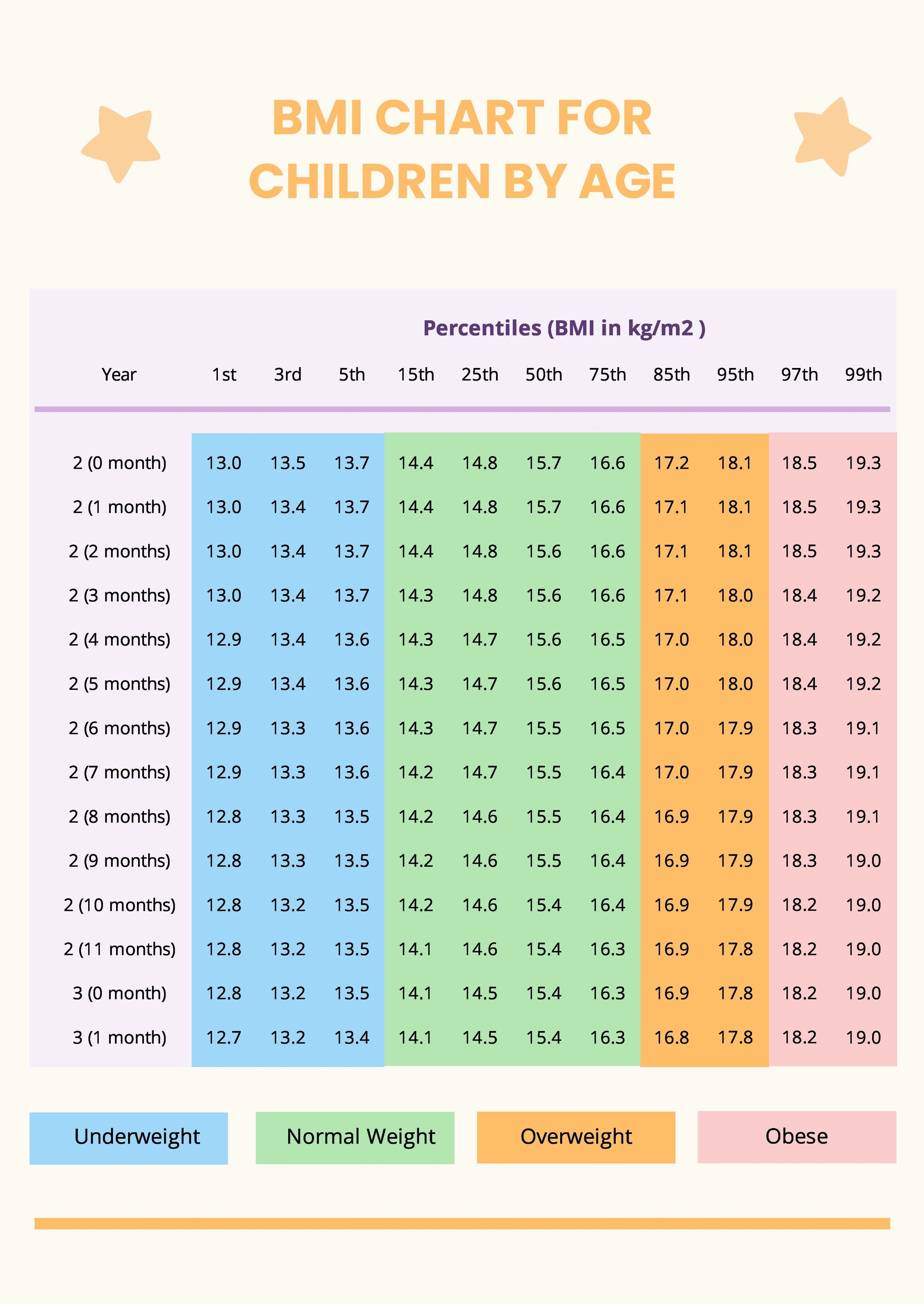
- Locate the Age: Start by finding your child’s age on the bottom axis of the chart.
- Check the Weight: Move vertically up to find the corresponding weight range.
- Percentiles: Look for the lines that indicate percentiles (like 5th, 50th, and 95th). This will show you where your child’s weight falls.
Understanding these details helps you track growth effectively. If you’re unsure where your child stands, don’t hesitate to consult your pediatrician.
When to Use the Weight Chart
It’s best to use the Weight Chart According To Age during regular check-ups, typically scheduled every six months or annually, depending on your child’s age. Keeping a consistent record helps you notice trends over time.
For instance, if your child is consistently in a lower percentile and suddenly drops, it could indicate an underlying health issue. On the other hand, if they are rapidly climbing the percentiles, it might be worth discussing their diet and physical activity levels with a healthcare provider.
Setting Up a Tracking System
Creating a simple tracking system can enhance your experience with the weight chart:
- Download the Chart: Print a copy of the weight chart for easy reference.
- Log Regularly: Record your child’s weight during each check-up. A simple notebook or a digital app can help you keep track.
- Visualize Progress: Consider marking the percentiles on the chart as you go. This visual aid can be motivating and informative.
Using this method not only keeps you organized but also provides a tangible way to see your child’s growth over time.
Common Mistakes to Avoid
When using a Weight Chart According To Age, there are a few common pitfalls to watch out for:
- Using Inaccurate Weights: Always use a reliable scale and ensure your child is weighed in similar clothing conditions for consistent results.
- Ignoring Growth Trends: A single measurement is less telling than a pattern over time. Pay attention to gradual trends rather than focusing on one-off weights.
- Comparing with Peers: Each child grows at their own pace. While it’s natural to compare your child to friends or siblings, remember that every child is unique.
By avoiding these mistakes, you’ll be better equipped to understand your child’s growth journey.
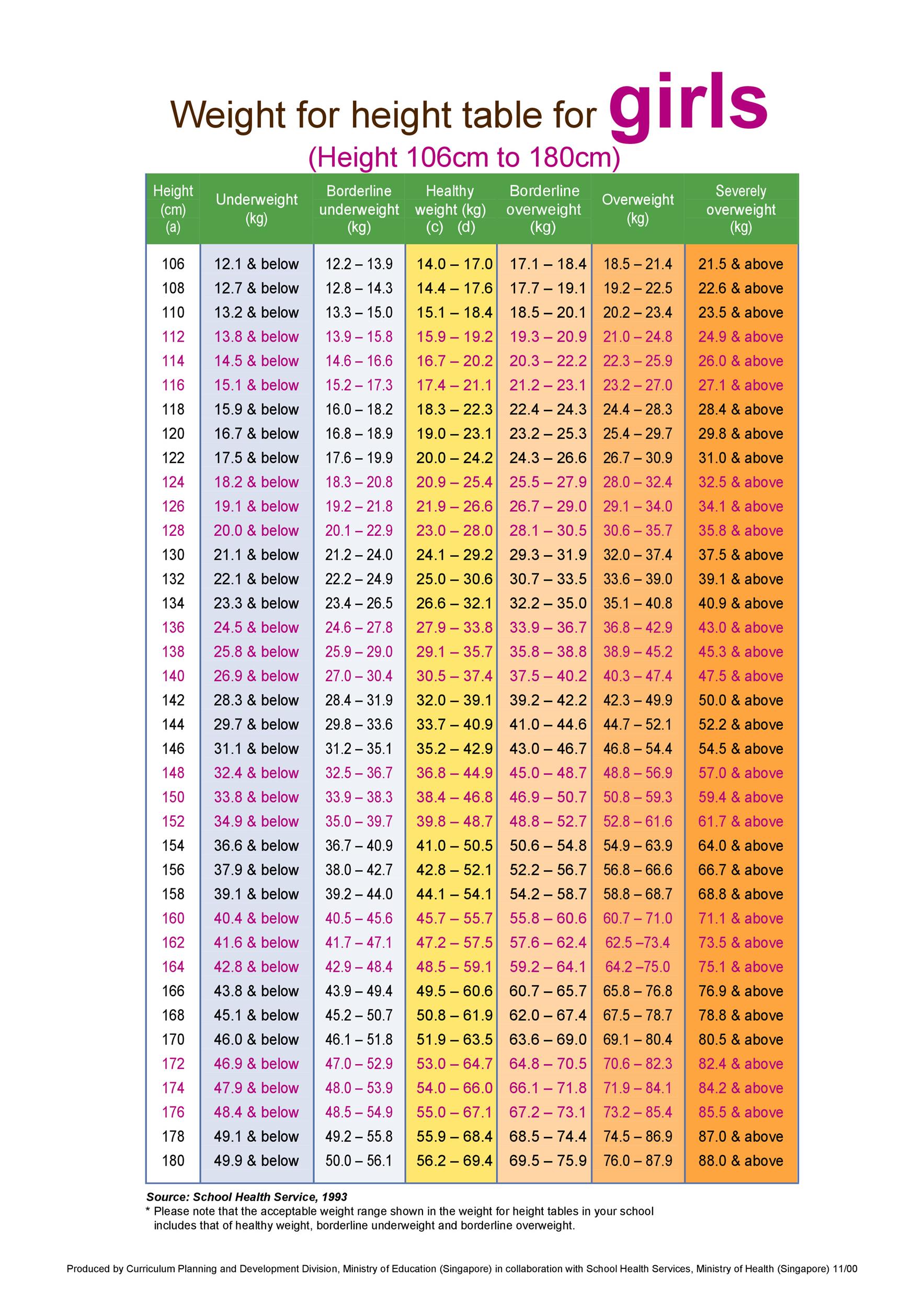
Encouraging Healthy Growth
Maintaining a healthy weight is vital for your child’s overall well-being. Here are some practical tips to encourage healthy growth:
- Balanced Diet: Ensure your child has a well-rounded diet rich in fruits, vegetables, whole grains, and lean proteins.
- Regular Activity: Encourage physical activity through play, sports, or outdoor adventures. Aim for at least 60 minutes of activity each day.
- Limit Sugary Snacks: While treats are okay occasionally, try to limit sugary snacks and drinks that can contribute to unhealthy weight gain.
Implementing these habits can support your child’s development while keeping weight in check.
