When it comes to understanding how to maintain a healthy lifestyle, an Ideal Weight And BMI Chart can be a useful option. This printable resource provides a clear and organized way for you and your family to keep track of body mass index (BMI) and ideal weight ranges. If you are a parent looking to encourage healthy habits in your children or just want to monitor your family’s health, having this chart on hand can simplify the process immensely.
Understanding the Layout of the Chart
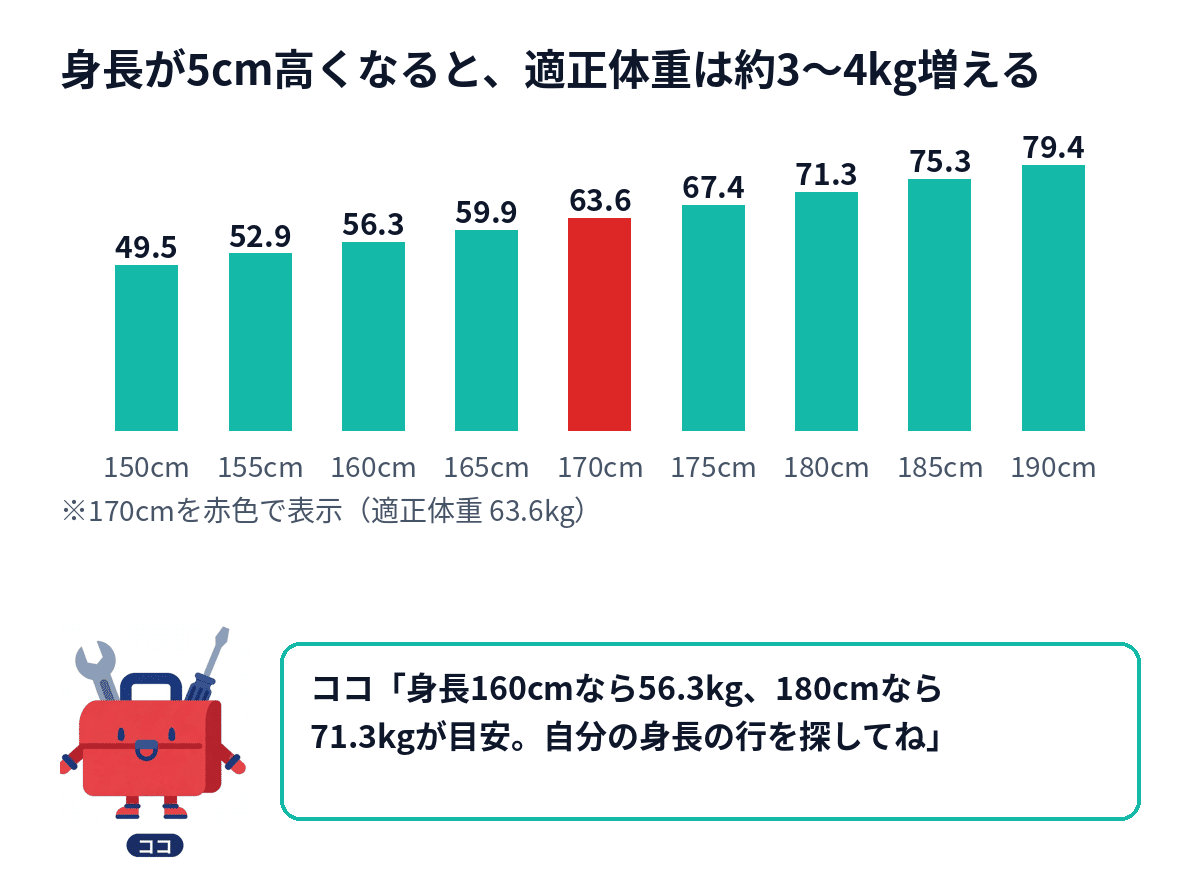
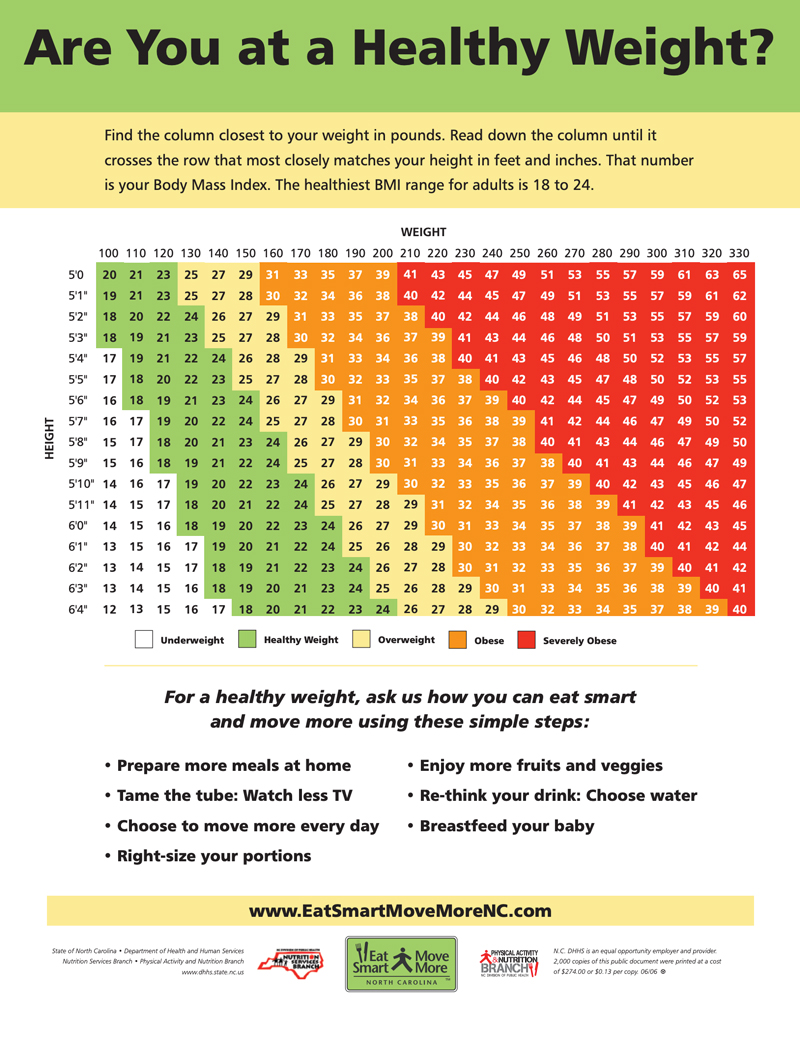
The Ideal Weight And BMI Chart typically comes in a straightforward format that allows for easy reading and filling in. Most often, you’ll find two main sections: one for height and one for weight. The height is usually listed vertically along the left side, while the weight is displayed horizontally across the top.
This layout not only helps you quickly identify the BMI category for a specific height and weight combination, but it also makes it easy to see how changes in weight can affect BMI. For example, if your child is growing taller, you can refer to the chart to see how their weight should adjust to stay within a healthy range.
Keep in mind that this chart is usually set up for various age groups, which makes it suitable for children and adults alike. So, you can print out different versions depending on who in your family will be using it.
How to Use the Ideal Weight and BMI Chart
Using the Ideal Weight And BMI Chart is as simple as it gets! First, measure the height of the person whose BMI you want to calculate. Next, locate their height on the left side of the chart. From there, move horizontally across the row to find the corresponding weights. Each weight will have an associated BMI value.
For example, if your child is 4 feet 10 inches tall, you would start at that height, then look across to see what weights fall into the “normal” BMI range. This allows you to visualize where your child stands in relation to their ideal weight.
It’s essential to note that while these charts are a great starting point, they don’t take into account factors like muscle mass, bone density, and overall composition. So, they should be used as a guideline rather than a strict rule.
Where to Place Your Chart for Maximum Use
To get the most out of your Ideal Weight And BMI Chart, consider where you’ll keep it. A visible and accessible location can encourage regular use. Here are a few ideas:
- On the fridge: This is a perfect spot for busy parents to quickly reference the chart while preparing meals or snacks.
- In a family planner: If you keep a centralized planner for your family’s schedule, include the chart for easy access during health discussions.
- In a child’s room: If your child is old enough, placing the chart in their room can encourage them to take responsibility for their health.
By having the chart in a common area, it serves as a constant reminder of health goals and can spark conversations about nutrition and fitness.
Common Mistakes to Avoid
While using the Ideal Weight And BMI Chart, it’s easy to make a few common mistakes. Here’s what to watch out for:
- Ignoring Age and Gender Differences: Make sure to use the appropriate chart for the age and gender of the individual. BMI charts differ for children and adults, and there can be variations based on gender.
- Not Updating Regularly: As children grow, their ideal weight ranges can change rapidly. Make it a routine to check and update the chart at least every few months.
- Neglecting Other Health Factors: Remember, BMI is only one measure of health. Factors like diet, exercise, and mental well-being are just as important.
By being aware of these pitfalls, you can ensure that the chart is used effectively and wisely within your family.
Choosing the Right Format for Your Chart
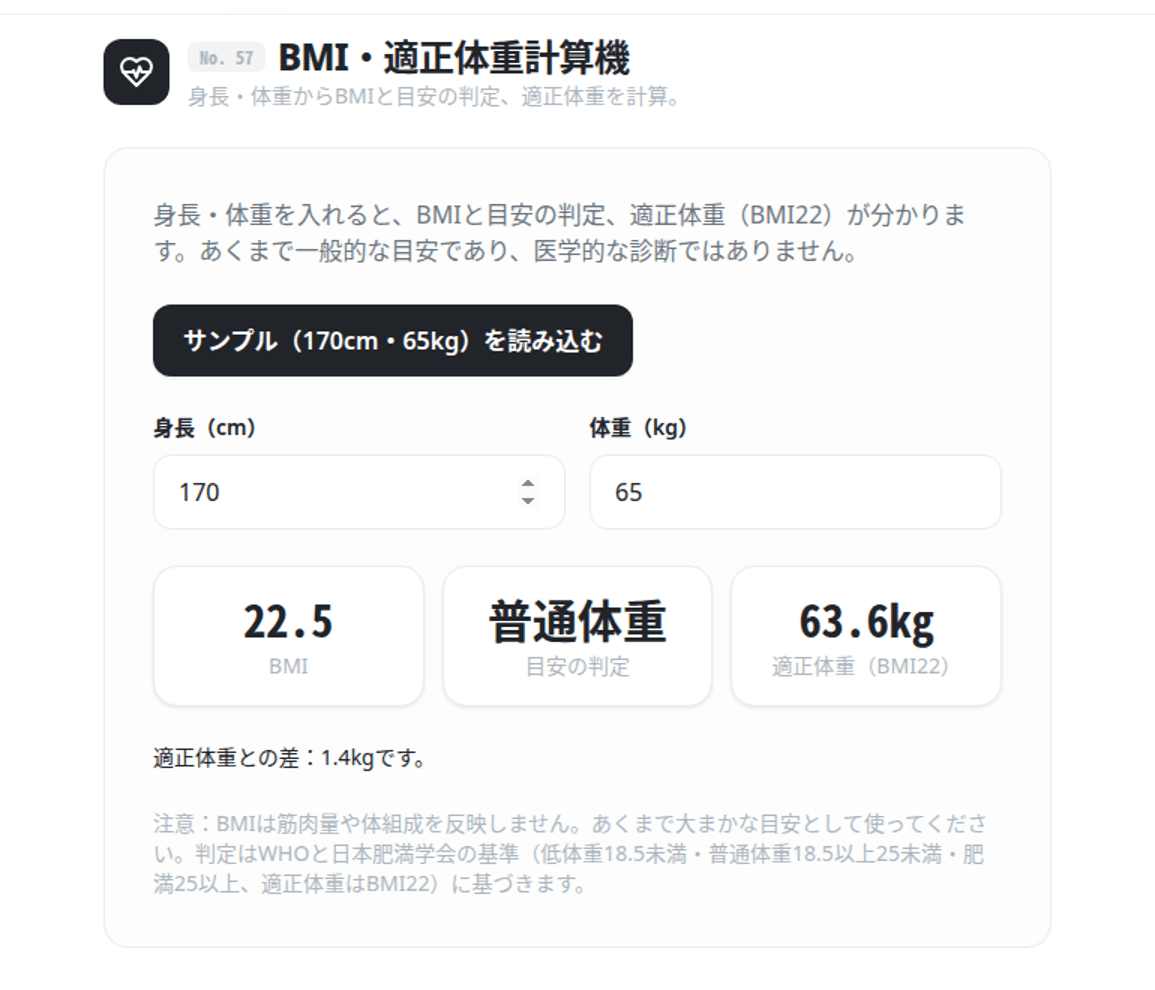
When downloading or printing the Ideal Weight And BMI Chart, you have a few options. Typically, the chart is available in PDF format, which is widely recommended because it maintains its layout across different devices and printers. Here are a couple of formats you might consider:
- PDF: This format is easy to print and ensures that the design remains intact. You won’t have to deal with reformatting issues that can arise with other file types.
- Image File: If you want to quickly access the chart on your phone or tablet, an image file can be handy. Just be cautious that the layout might change when viewed on different screens.
For most families, the PDF version is the most practical choice. It allows for easy printing on standard letter-sized paper (8.5 x 11 inches), which fits perfectly in binders or can be hung on the wall.
By considering these factors, you can maximize the utility of the Ideal Weight And BMI Chart for your family’s health journey.
