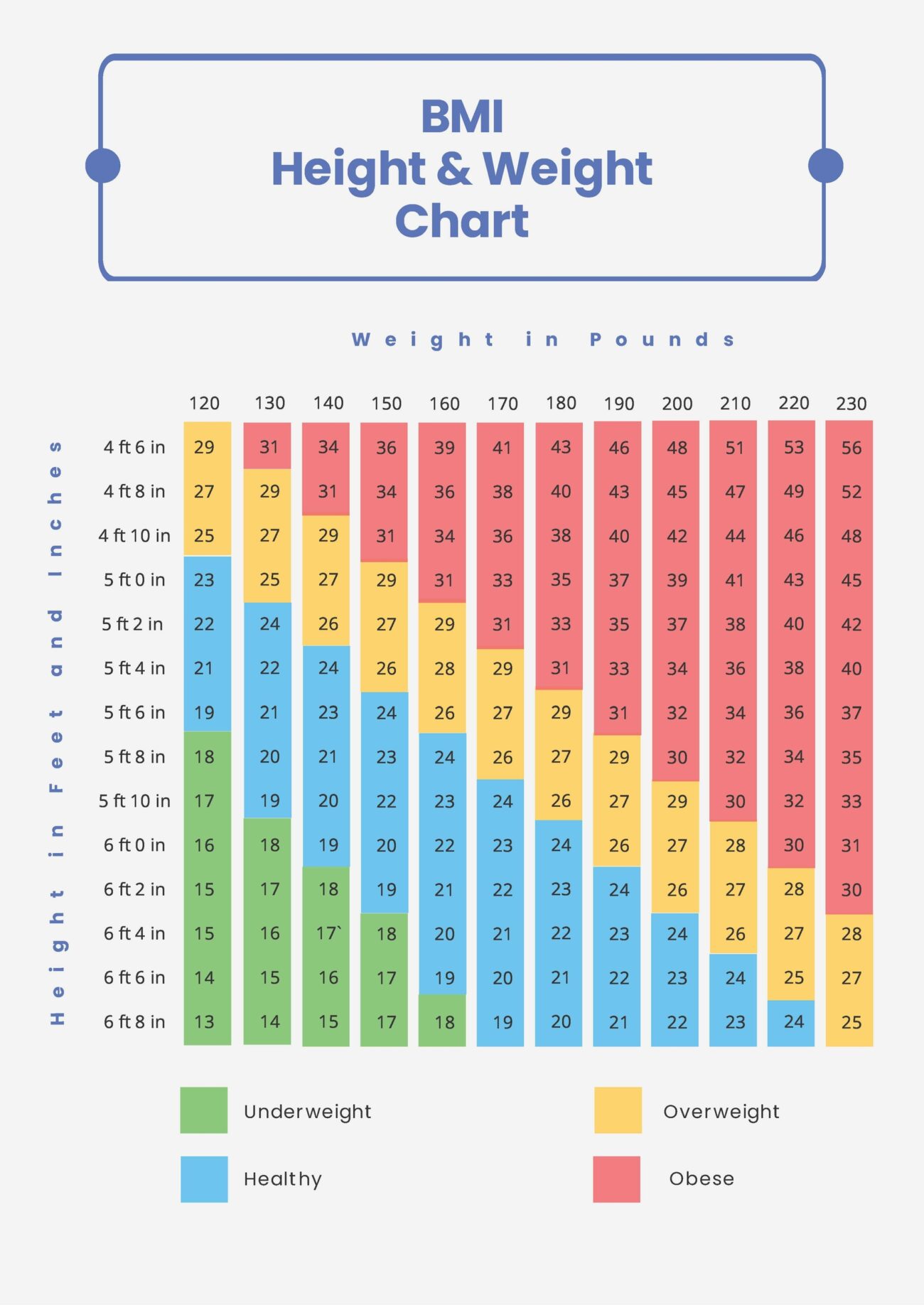
Understanding the appropriate weight for height is essential for both adults and children, especially when it comes to managing obesity and promoting better health. The Height To Weight Obesity Chart is a practical tool that provides a clear visual representation of weight classifications based on height. This resource can help you assess whether your family members are within a healthy weight range, and it’s easy to use for planning and organizing health goals.
What is the Height To Weight Obesity Chart?
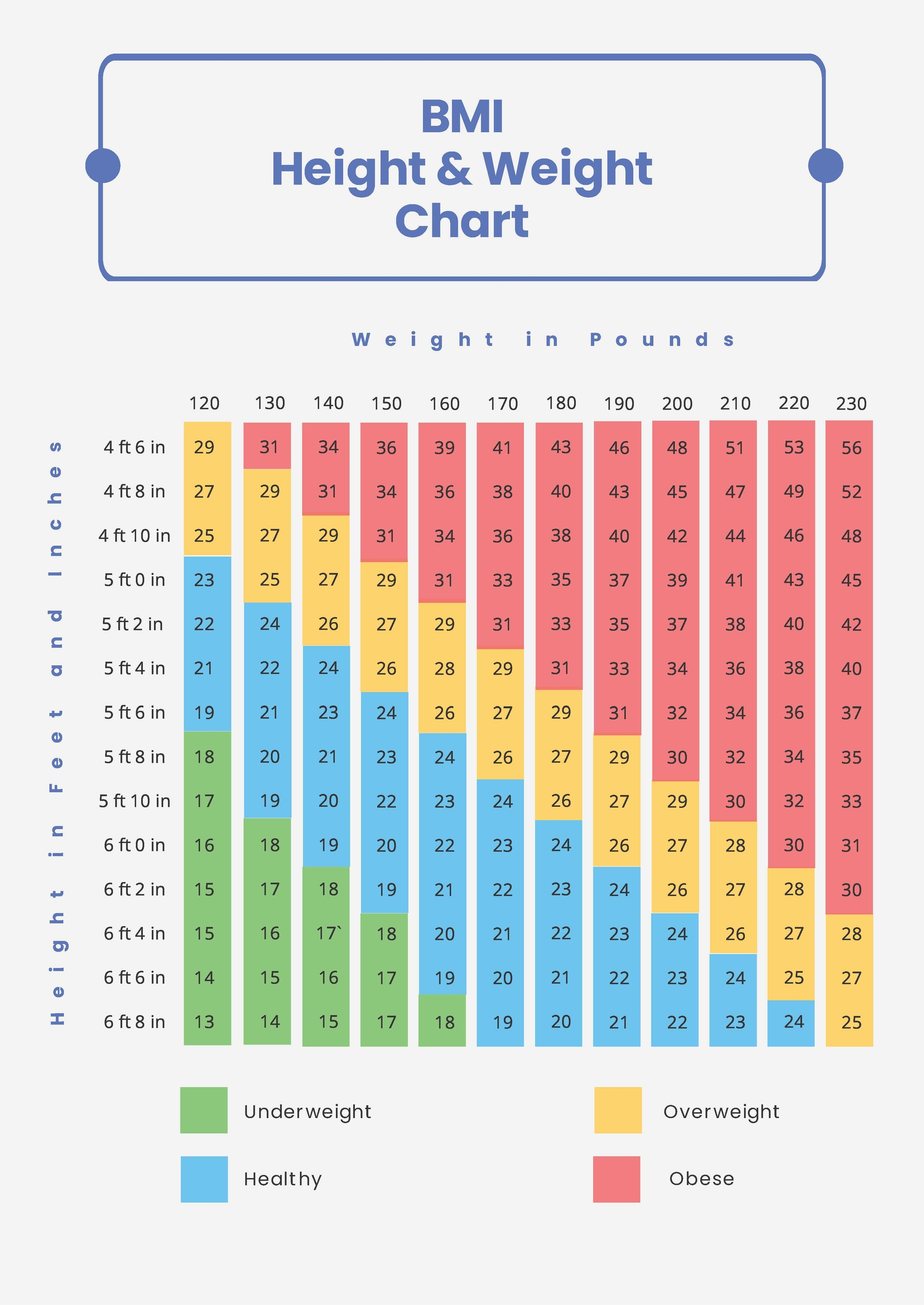
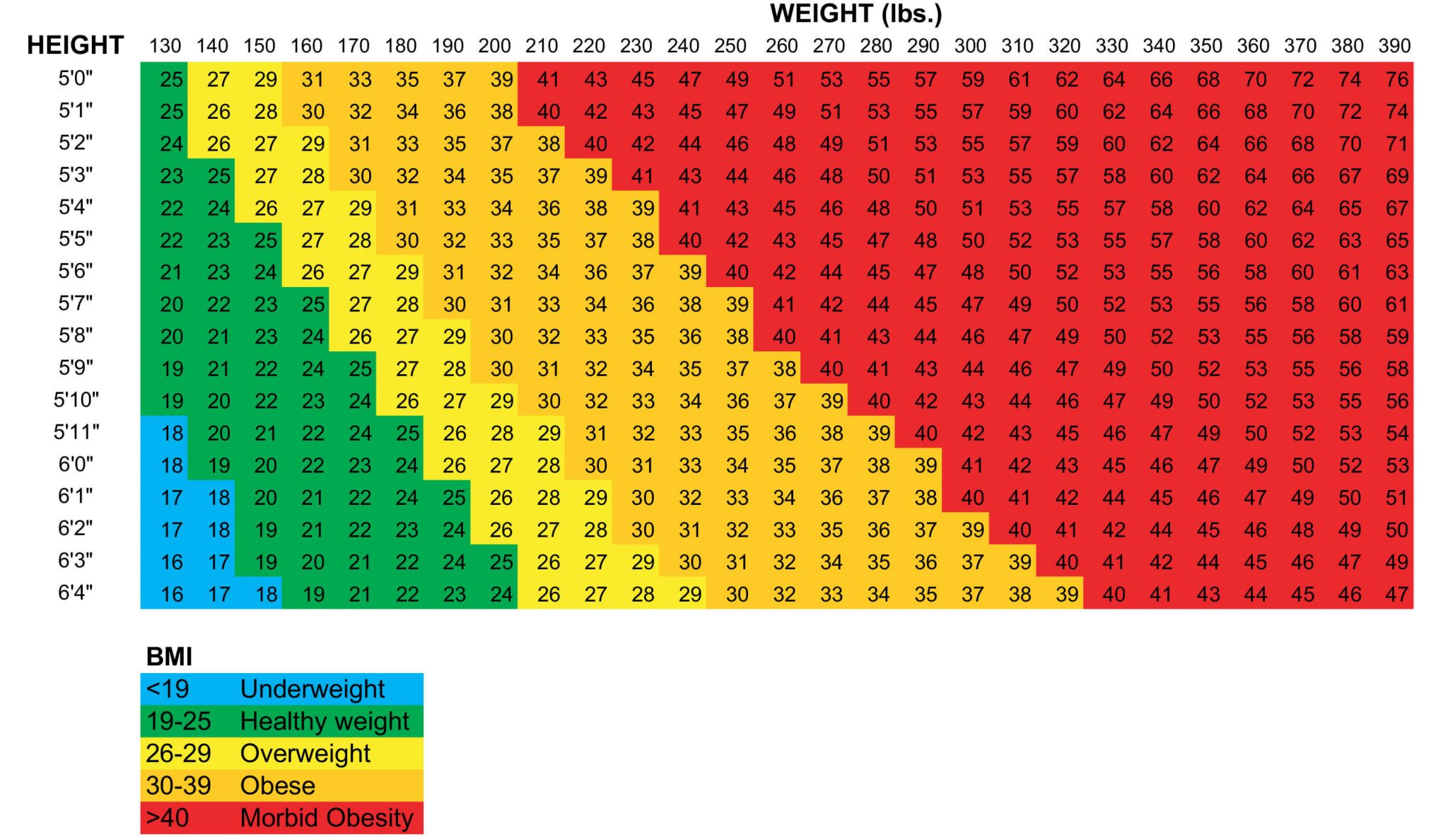
The Height To Weight Obesity Chart displays weight ranges corresponding to various heights. This chart typically categorizes individuals into different classifications: underweight, normal weight, overweight, and obese. The classifications are usually based on Body Mass Index (BMI), which is calculated using height and weight data.
For example, a person who is 5 feet 5 inches tall and weighs 150 pounds might fall into the “normal weight” category, while someone of the same height who weighs 200 pounds would be classified as “obese.” Understanding these classifications can help you make informed decisions about your family’s health.
How to Use the Height To Weight Obesity Chart
Using the Height To Weight Obesity Chart is straightforward. Here’s a step-by-step guide to help you get the most out of this resource:
- Download and Print the Chart: Look for a printable version of the Height To Weight Obesity Chart. You can find it in various formats, often as a PDF, which makes it easy to print. Use standard paper sizes like A4 or letter size for optimal printing.
- Measure Height and Weight: Accurately measure the height and weight of the individual you’re assessing. It’s best to use a scale for weight and a stadiometer for height to ensure precision.
- Locate Height on the Chart: Find the height of the person on the left side of the chart. The heights are usually listed in inches or centimeters.
- Check Weight Range: Move horizontally across the chart to see the corresponding weight ranges for that height. Each section will typically show the classifications of underweight, normal weight, overweight, and obese.
- Interpret the Results: Based on where the individual’s weight falls on the chart, you can determine their weight classification. This can guide discussions about nutrition, physical activity, and health goals.
Benefits of Using the Height To Weight Obesity Chart
The Height To Weight Obesity Chart offers several benefits for families:
- Easy Reference: It’s a quick and accessible way to assess weight status without complicated calculations.
- Visual Representation: The chart provides a clear visual guide, making it easier for parents to understand where their children stand in relation to healthy weight standards.
- Promotes Healthy Choices: By understanding weight classifications, families can make informed decisions about diet and exercise, encouraging healthier lifestyles.
- Tracking Progress: Keep a copy of the chart at home to track your family’s weight over time. This can be particularly useful for children as they grow.
Digital Vs. Printable Versions of the Chart
When considering how to use the Height To Weight Obesity Chart, you might wonder whether to opt for a digital version or print it out. Here are some considerations for both options:
Digital Versions
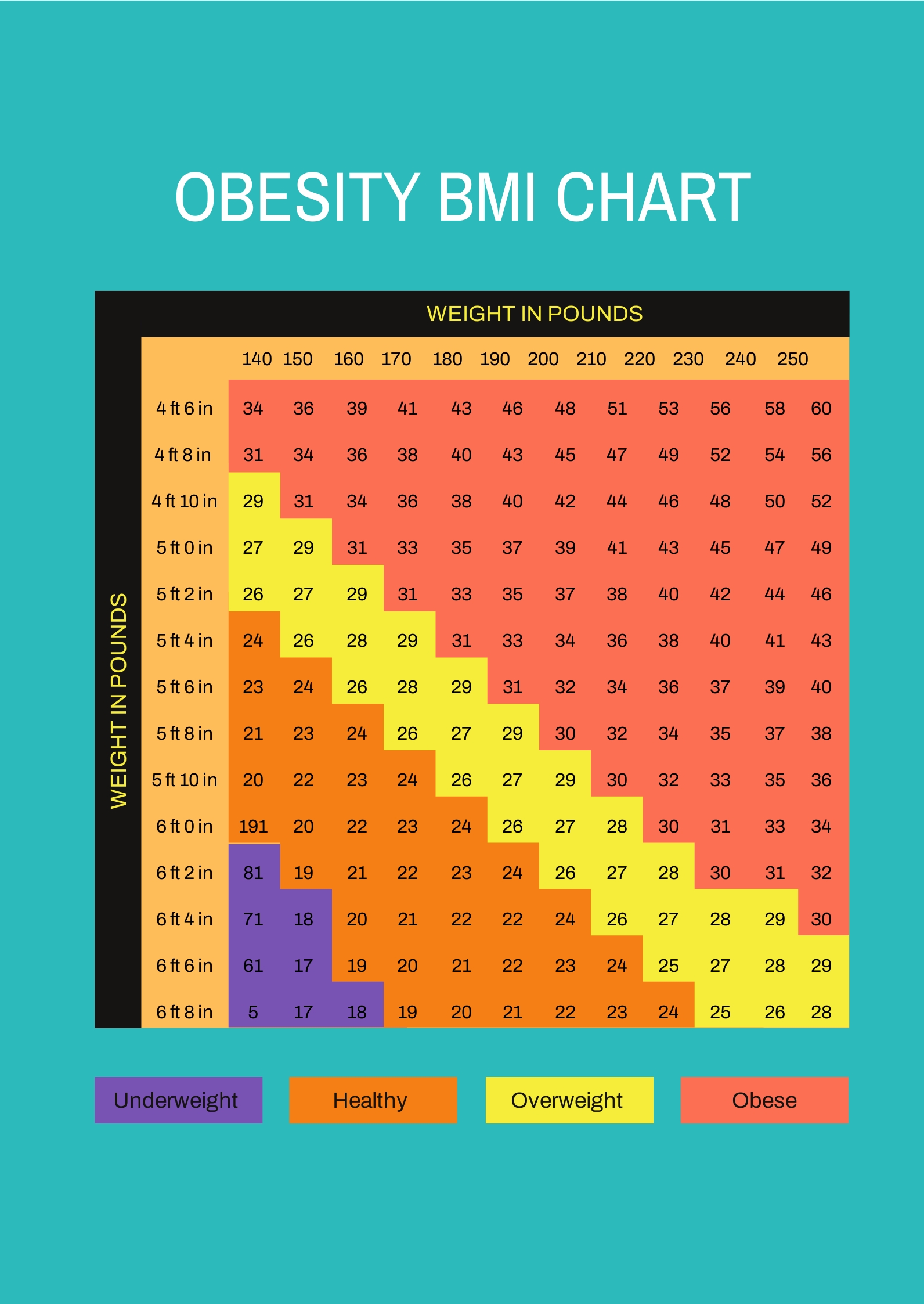
- Fillable PDF: Some versions may allow you to enter weight and height digitally, which can help you save and track changes over time.
- Accessibility: You can access digital versions from anywhere, which is handy for on-the-go assessments.
- No Printing Needed: If you want to save paper, a digital version is a great choice.
Printable Versions
- Hands-On Approach: Many people prefer to have a physical copy to refer to regularly. This can be pinned on a fridge or kept in a health binder.
- Easy to Share: If you’re discussing health with family or friends, a printed chart can be a great visual aid.
- Customization: You can write notes or highlight specific areas of interest directly on the printed chart.
Ultimately, the choice between digital and printable versions will depend on your family’s preferences and how you plan to use the resource.
