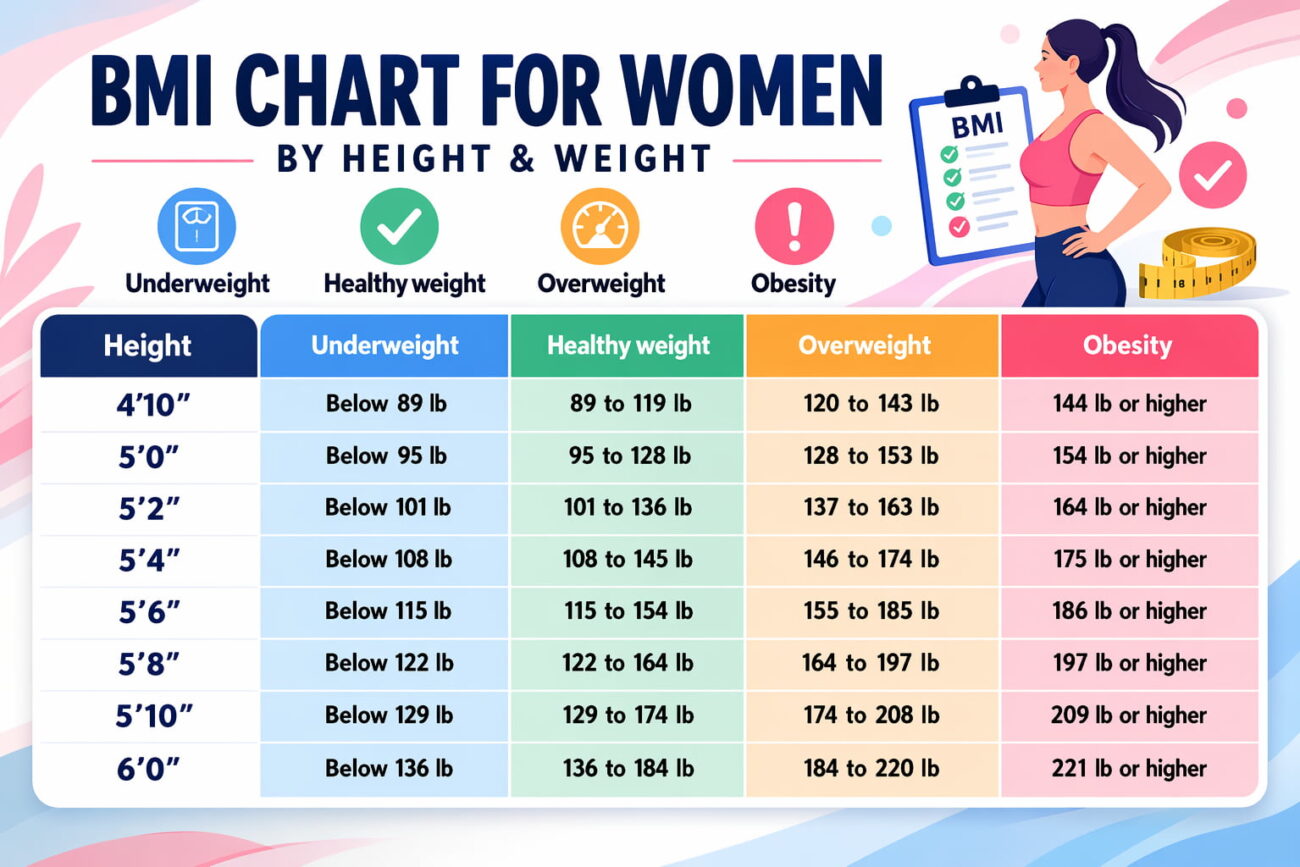
Tracking your health can sometimes feel overwhelming, especially if you’re looking for a clear and straightforward way to monitor your weight in relation to your height. A Weight BMI Chart For Females is a fantastic tool that can simplify this process. This chart helps you determine whether you’re within a healthy weight range, allowing for better planning and goal-setting. Let’s explore how you can effectively use this resource to support your health journey.
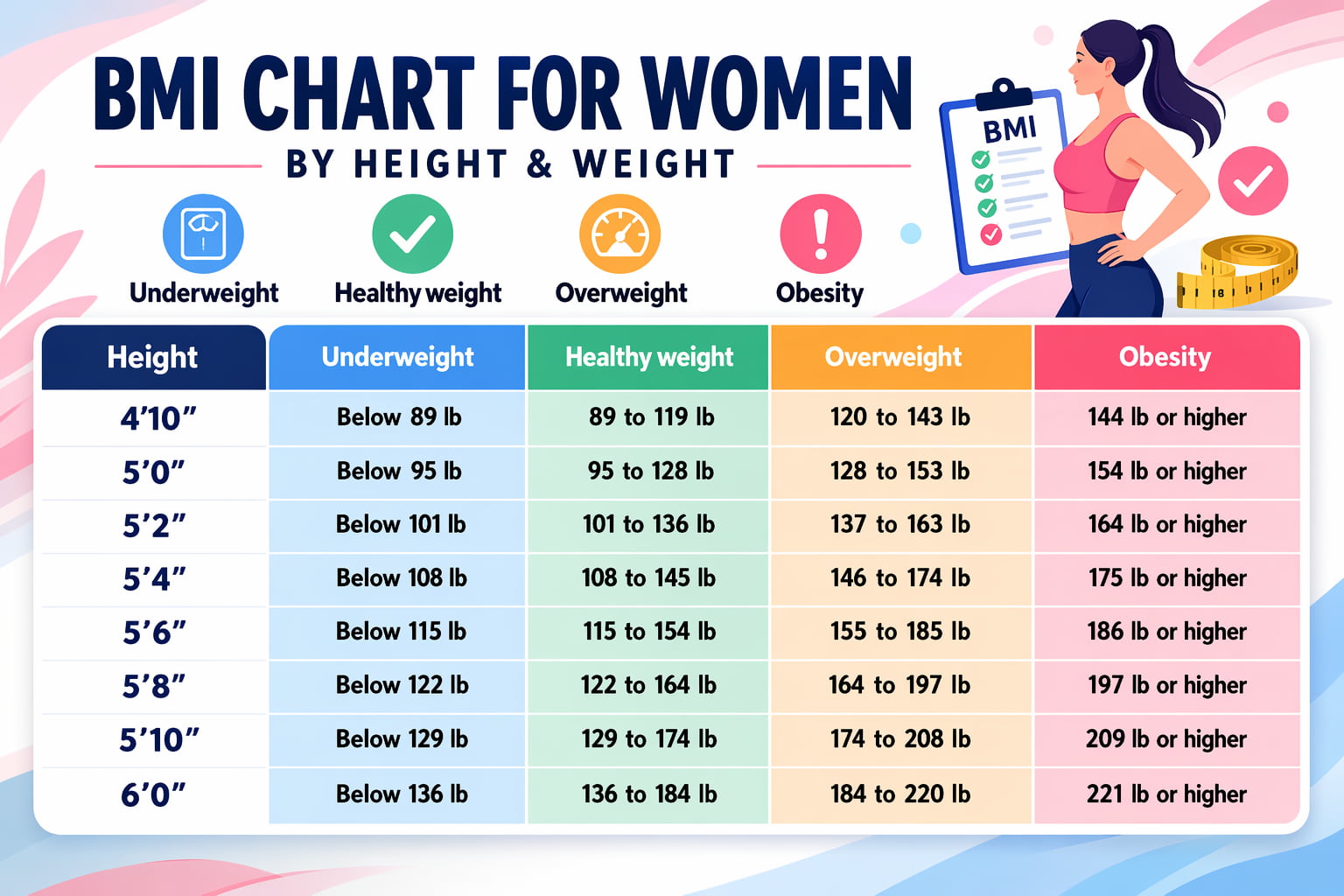
Understanding the BMI Chart
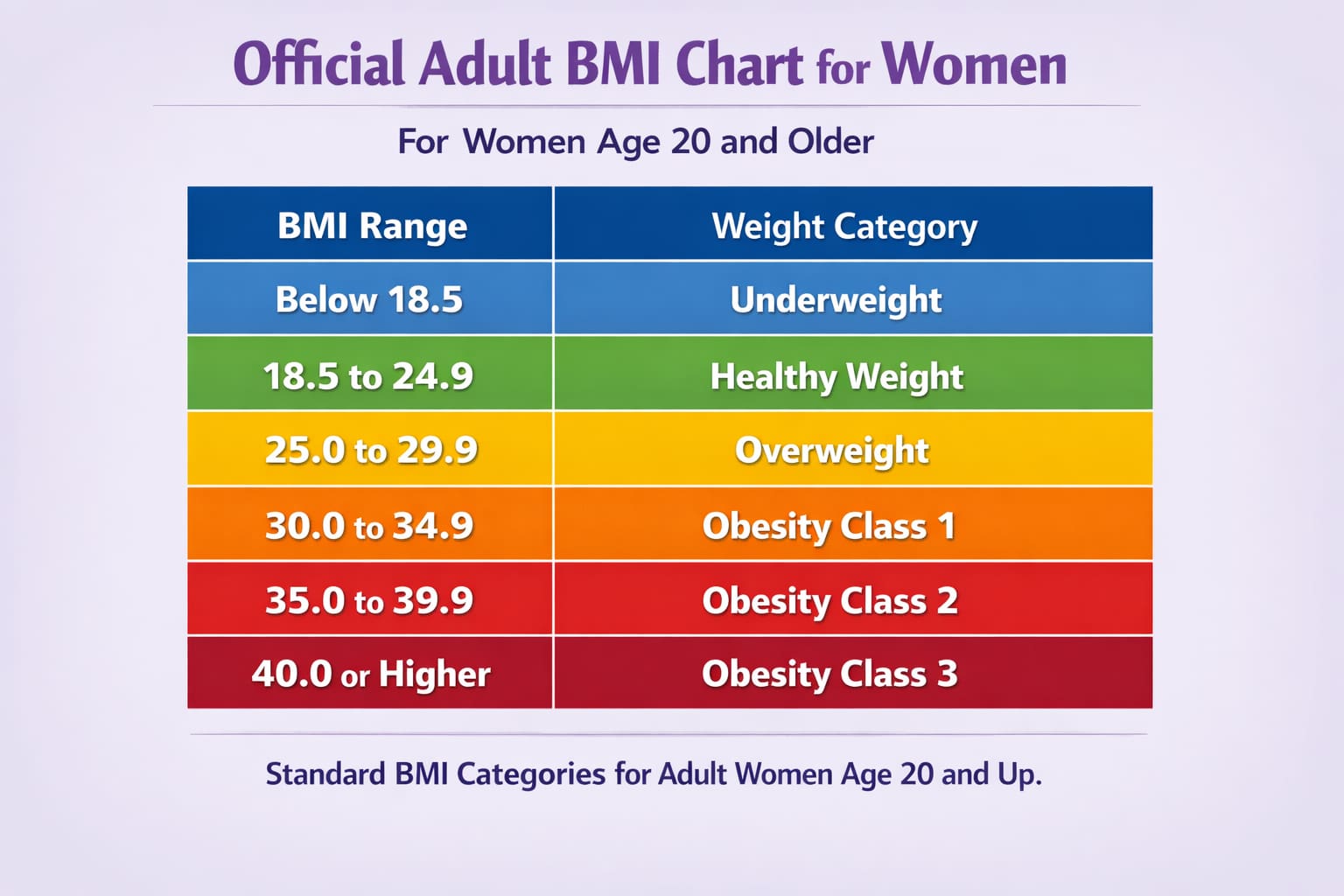
The Body Mass Index (BMI) is a simple calculation used to assess whether a person has a healthy body weight for their height. For women, the BMI chart categorizes weight ranges as follows:
- Underweight: BMI less than 18.5
- Normal weight: BMI 18.5 – 24.9
- Overweight: BMI 25 – 29.9
- Obesity: BMI 30 or greater
These categories help you understand where you stand in terms of weight in relation to your height. Knowing your BMI can be the first step in achieving a healthier lifestyle.
How to Use the Weight BMI Chart For Females
Using the Weight BMI Chart is straightforward. Here’s a step-by-step guide to help you navigate through it:
- Gather Your Information: Start by measuring your height in inches and your weight in pounds. It’s essential to use accurate measurements for the best results.
- Find Your Height on the Chart: Locate your height on the left-hand side of the BMI chart. The chart is typically organized by height in ascending order.
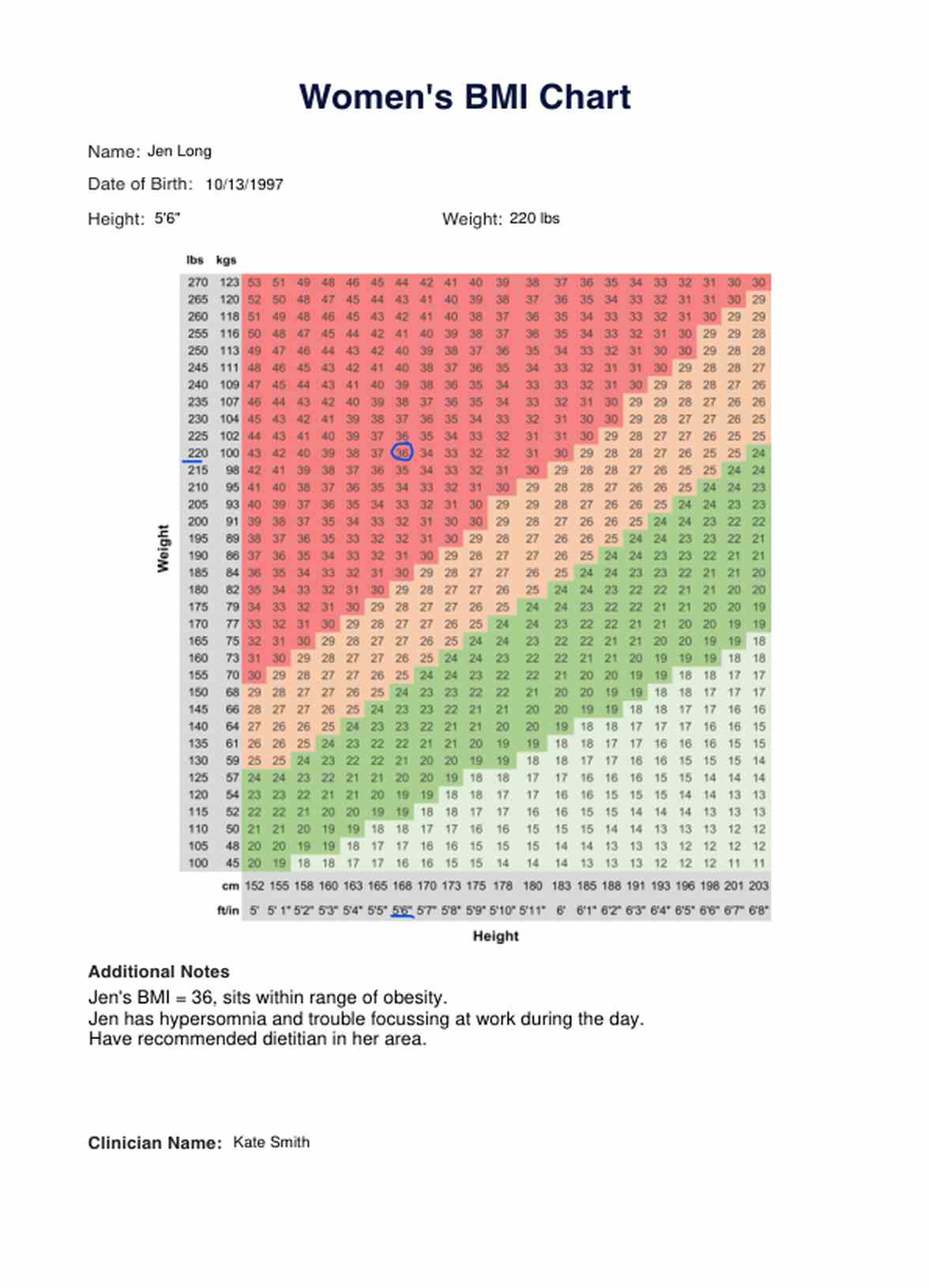
- Locate Your Weight: Move across the row of your height until you find your weight. The intersection point will indicate your BMI.
- Interpret the Results: Check which category your BMI falls into. This will help you understand if you’re in a healthy range or if you might need to make some adjustments to your diet or exercise routine.
- Set Goals: If your BMI suggests you’re overweight or underweight, consider setting realistic goals based on your lifestyle. This could include dietary changes, increased physical activity, or consulting with a healthcare provider.
Where to Find and Print Your BMI Chart
You can easily find a Weight BMI Chart For Females online to download. Many health websites and printable resource platforms offer free downloadable PDFs that you can print at home. Here’s how to proceed:
- Search Online: Look for reputable health sites or resources that offer BMI charts. Ensure they are up-to-date and accurate.
- Download and Print: Once you find a suitable chart, download it. For best results, print it on sturdy paper to avoid wear and tear. Cardstock is a good option as it holds up better over time.
- Keep It Accessible: Place your printed chart somewhere visible, like on your fridge or in your planner, so you can refer to it regularly.
Tracking Your Progress
Now that you have your Weight BMI Chart, it’s time to put it to use. Keeping track of your BMI over time is crucial for understanding your health trends. You can do this by:
- Regular Check-Ins: Weigh yourself and measure your height every month. This consistency will help you see changes over time.
- Record Your Results: Create a simple log where you can jot down your weight and BMI. This could be a spreadsheet, a journal, or even a dedicated app.
- Adjust as Needed: If you notice a shift in your BMI category, think about what changes may have led to this. Reflect on your eating habits, activity levels, and any life changes that could affect your weight.
Common Mistakes to Avoid
While using a Weight BMI Chart For Females is relatively simple, there are some common pitfalls to watch out for:
- Ignoring Other Factors: BMI does not account for muscle mass, bone density, or overall health. It’s just one measure. Always consider other health indicators as well.
- Relying Solely on the Chart: Use the chart as a tool in conjunction with a balanced diet and regular exercise. Don’t fixate on a number; focus on overall well-being.
- Not Consulting a Professional: If you’re unsure about your results or how to proceed, consider speaking with a healthcare provider or nutritionist. They can provide personalized advice based on your unique circumstances.
With your Weight BMI Chart For Females in hand, you’re now equipped to track your health effectively. Remember, the goal is to foster a healthier lifestyle, not just to hit a specific number on the scale. Celebrate your progress and keep pushing towards your wellness goals.
A practical tip: Consider creating a monthly health calendar where you can mark your weight check-ins and any fitness milestones. This can help keep you motivated and focused on your journey.
