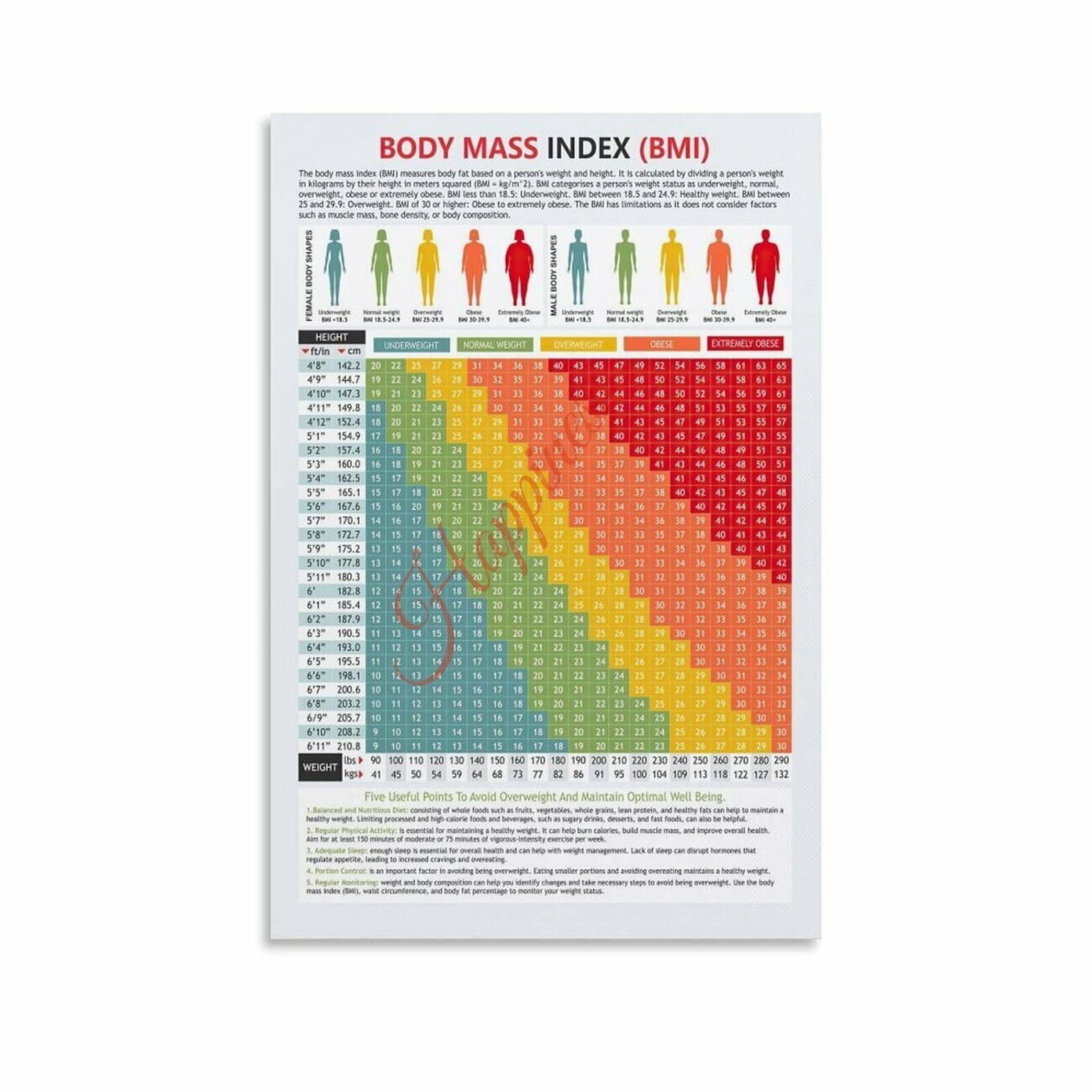
When it comes to tracking health, a Weight And Body Mass Chart can be your best friend. This handy resource allows you to monitor changes in weight and body mass index (BMI) over time, providing a clear visual representation of your progress. If you are helping your kids stay active or keeping tabs on your family’s health, understanding how to use this chart effectively is crucial.
Understanding the Layout of the Weight And Body Mass Chart
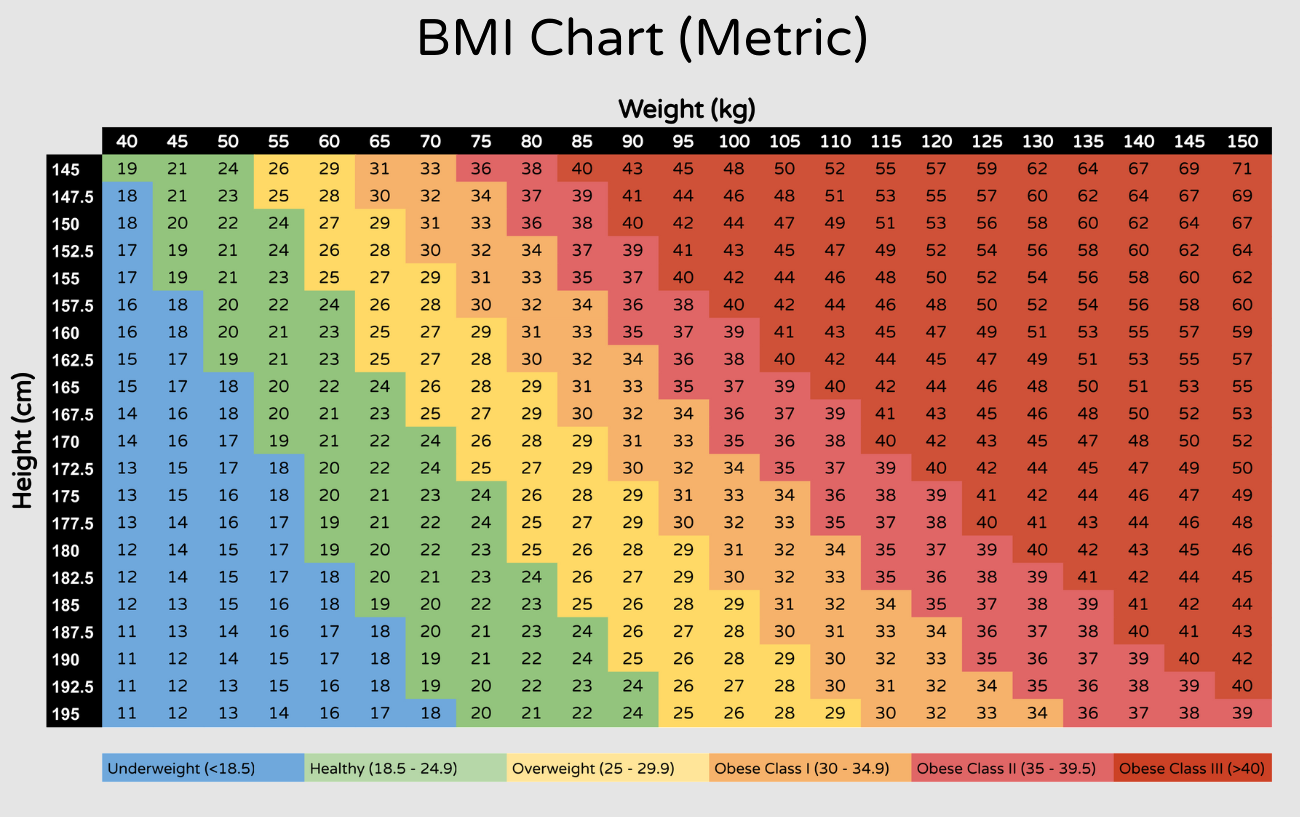
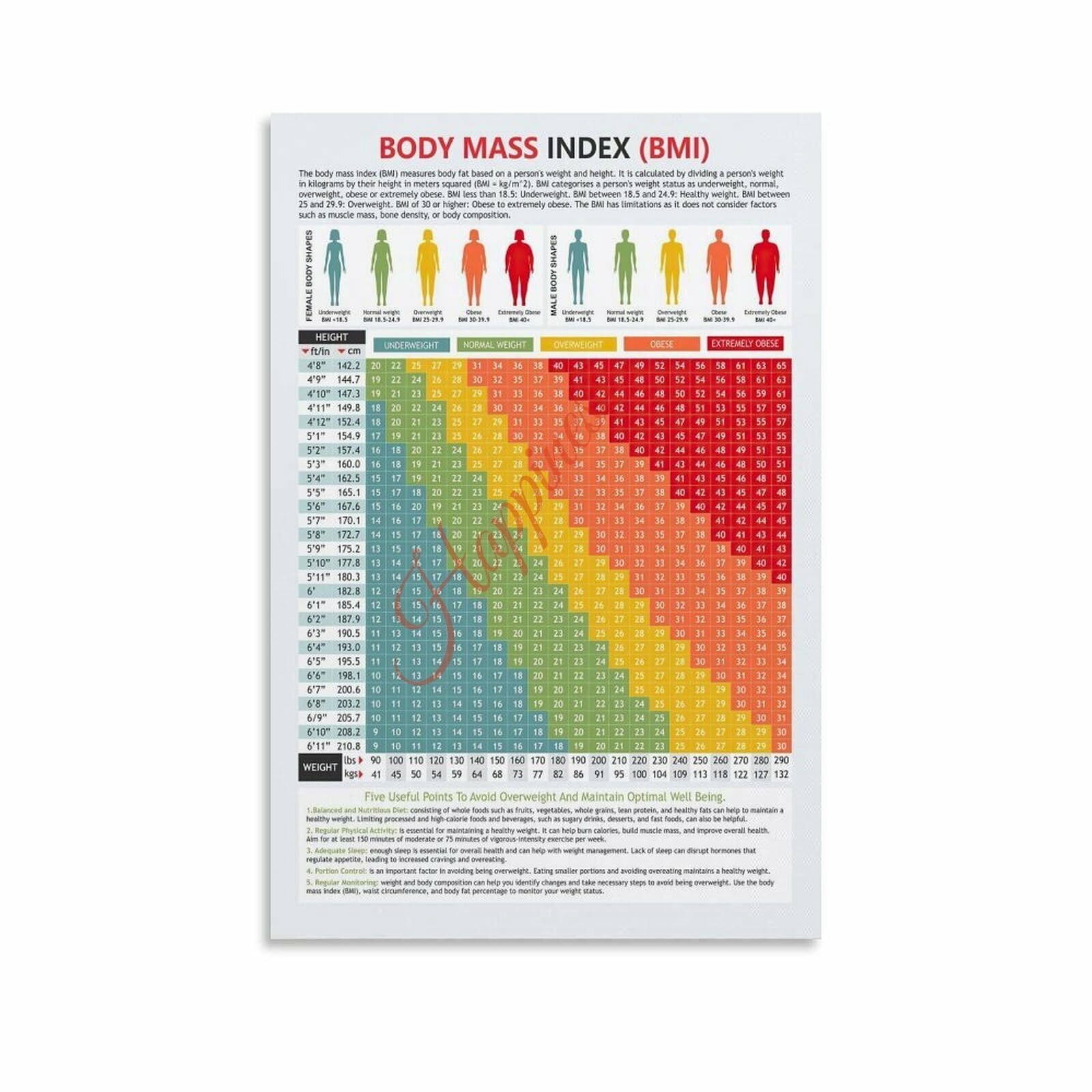
At first glance, a Weight And Body Mass Chart might seem like a simple table, but there’s more to it than meets the eye. Typically, you’ll find columns for age, weight, height, and BMI. Some charts may even include additional columns for growth percentiles, which can be particularly useful for tracking children’s growth patterns.
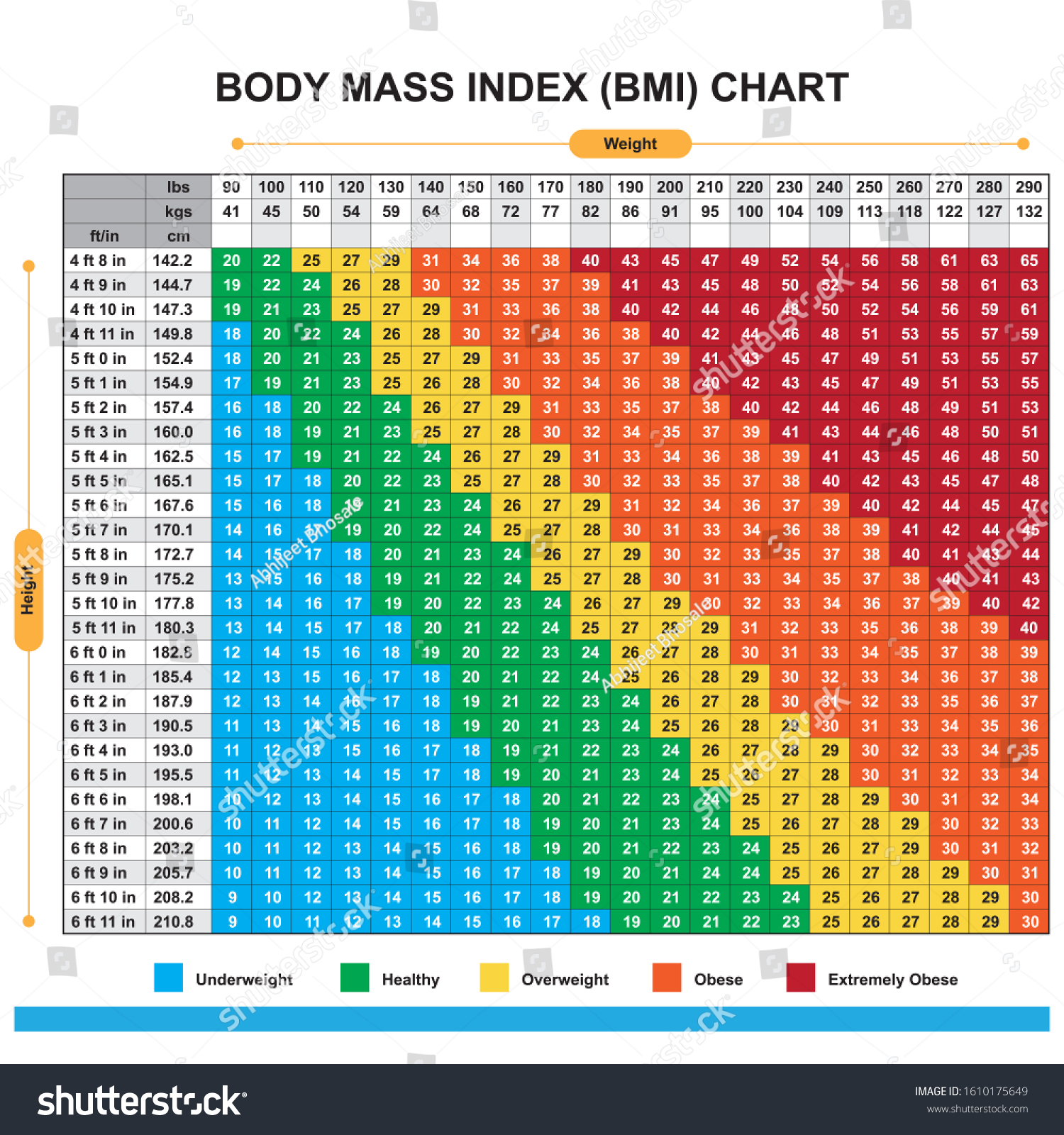
The rows are generally organized by age ranges, making it easy to find the relevant data for your child or family member. This layout ensures that you can quickly compare BMI values against standard categories such as underweight, healthy weight, overweight, and obesity. It’s a straightforward way to visualize where someone stands in relation to the average.
Filling Out the Weight And Body Mass Chart
To get started, you’ll need some basic measurements: weight, height, and age. For kids, it’s especially important to measure height accurately, as their growth can vary significantly. Use a stadiometer or a tape measure against a wall to get the most accurate height.
Once you have these numbers, you can fill in the chart. Start by locating the correct age range in the leftmost column, then input the weight and height in their respective columns. The BMI is typically calculated automatically if you’re using a printable template that has that feature, or you can calculate it using the formula: weight (kg) / (height (m))².
It’s worth noting that some common mistakes can occur during this process. For instance, using the wrong measurement units can lead to incorrect BMI calculations. Ensure you’re consistent—if you’re measuring weight in pounds, convert height to inches, and vice versa.
Where to Use the Weight And Body Mass Chart
Once you’ve filled out the Weight And Body Mass Chart, you may be wondering where to keep it. It’s a good idea to store it somewhere accessible, like on the fridge or in a family binder where you keep health records. This way, you can easily refer back to it during routine check-ups or family health discussions.
Additionally, many parents find it helpful to use these charts during school health initiatives or sports physicals. Schools often have programs that encourage kids to maintain a healthy lifestyle, and having a record of weight and BMI can support those efforts.
Tracking Progress Over Time
The beauty of using a Weight And Body Mass Chart regularly is that it allows you to track progress over time. After you’ve filled in the chart a few times, you’ll start to notice trends. Is your child’s BMI moving closer to the healthy range? Are they growing taller while maintaining a stable weight? These observations can inform your family’s health decisions, such as adjusting diets or increasing physical activity.
To make this process even easier, consider using colored pens or markers to highlight significant milestones or changes. This little touch can make the chart not only functional but also fun for kids to engage with!
Choosing the Right Format for Your Weight And Body Mass Chart
When it comes to printing your Weight And Body Mass Chart, you have a few options. Most families prefer a standard letter size (8.5” x 11”) for easy printing and storage. However, if you want to create a larger display, consider using a legal size (8.5” x 14”) paper for more space to write or add annotations.
If you plan to laminate the chart for durability, cardstock is a great choice since it holds up better than standard printer paper. Plus, using dry-erase markers on laminated sheets allows for easy updates without needing to reprint each time.
Another option is to keep a digital version. Many downloadable templates are available online that you can save as PDFs. This way, you can adjust and print as needed, ensuring you always have an up-to-date chart.
By keeping these tips in mind, you can effectively use a Weight And Body Mass Chart to support your family’s health journey. If you are tracking changes for kids or adults, this resource can help you visualize progress and motivate everyone to stay active and healthy.
