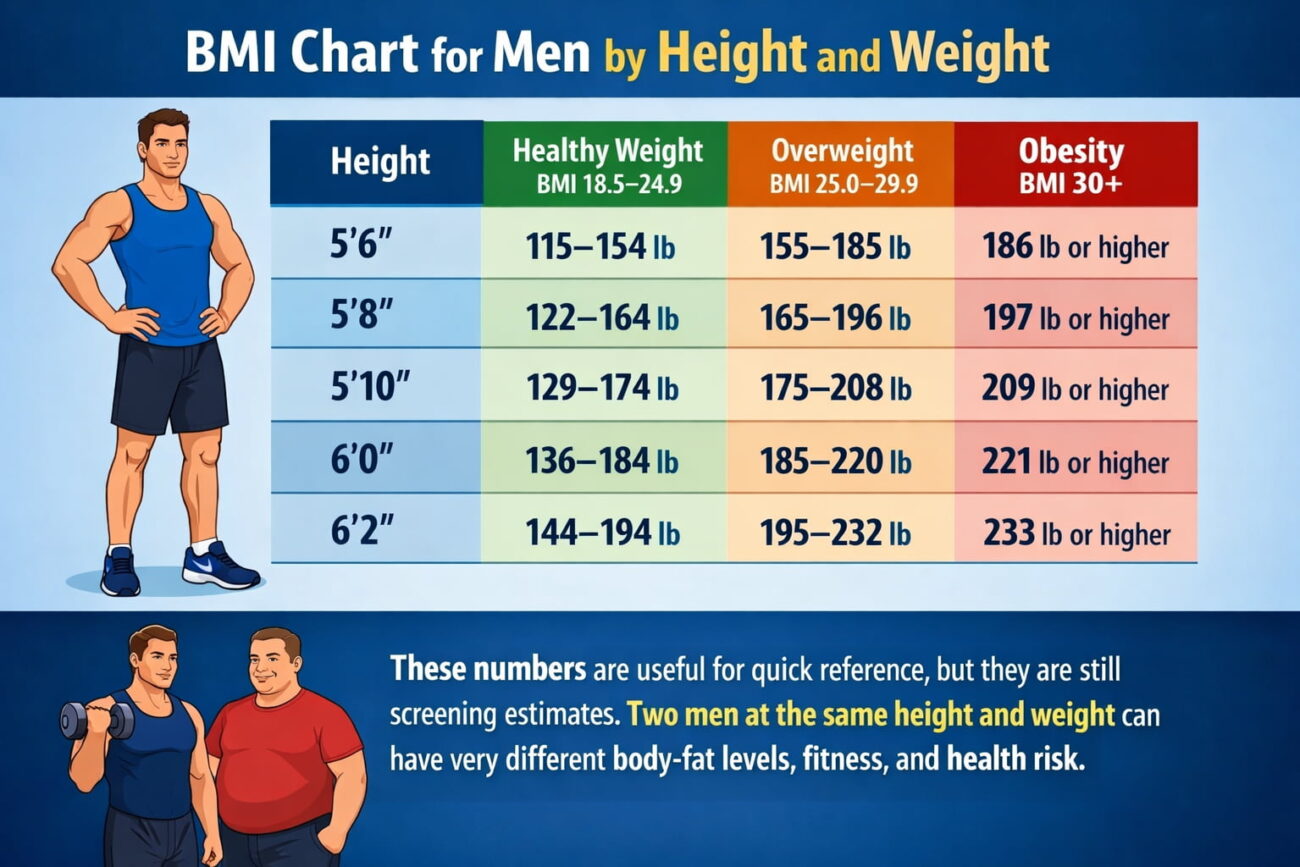
Understanding your weight and Body Mass Index (BMI) can be a vital part of maintaining a healthy lifestyle, particularly for men. A Bmi Weight Chart For Men is a practical tool that can help you visualize where you stand in terms of weight categories based on your height. This chart is not only easy to read but also straightforward to use, making it an essential resource for anyone looking to monitor their health.
What is a BMI Weight Chart?
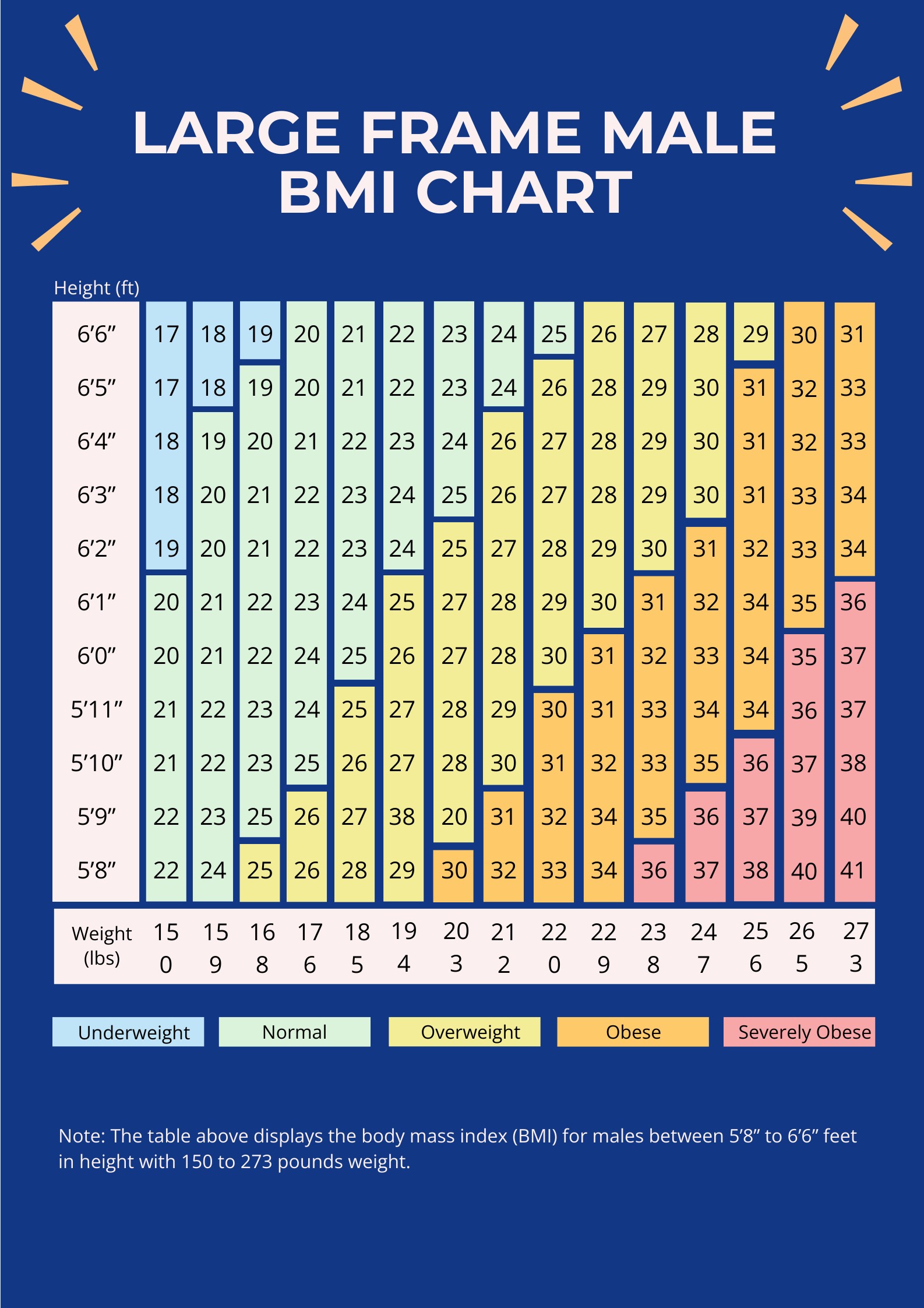
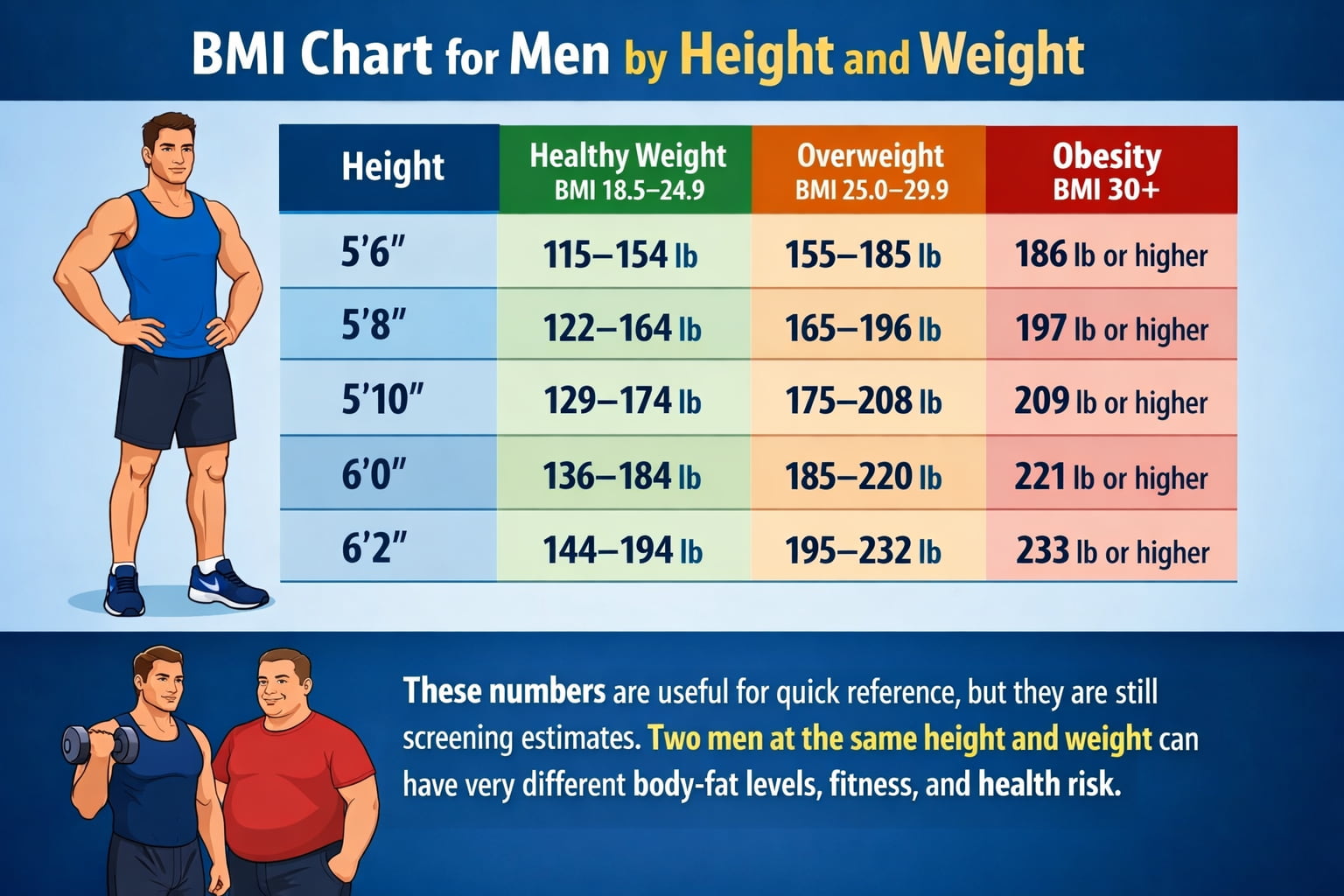
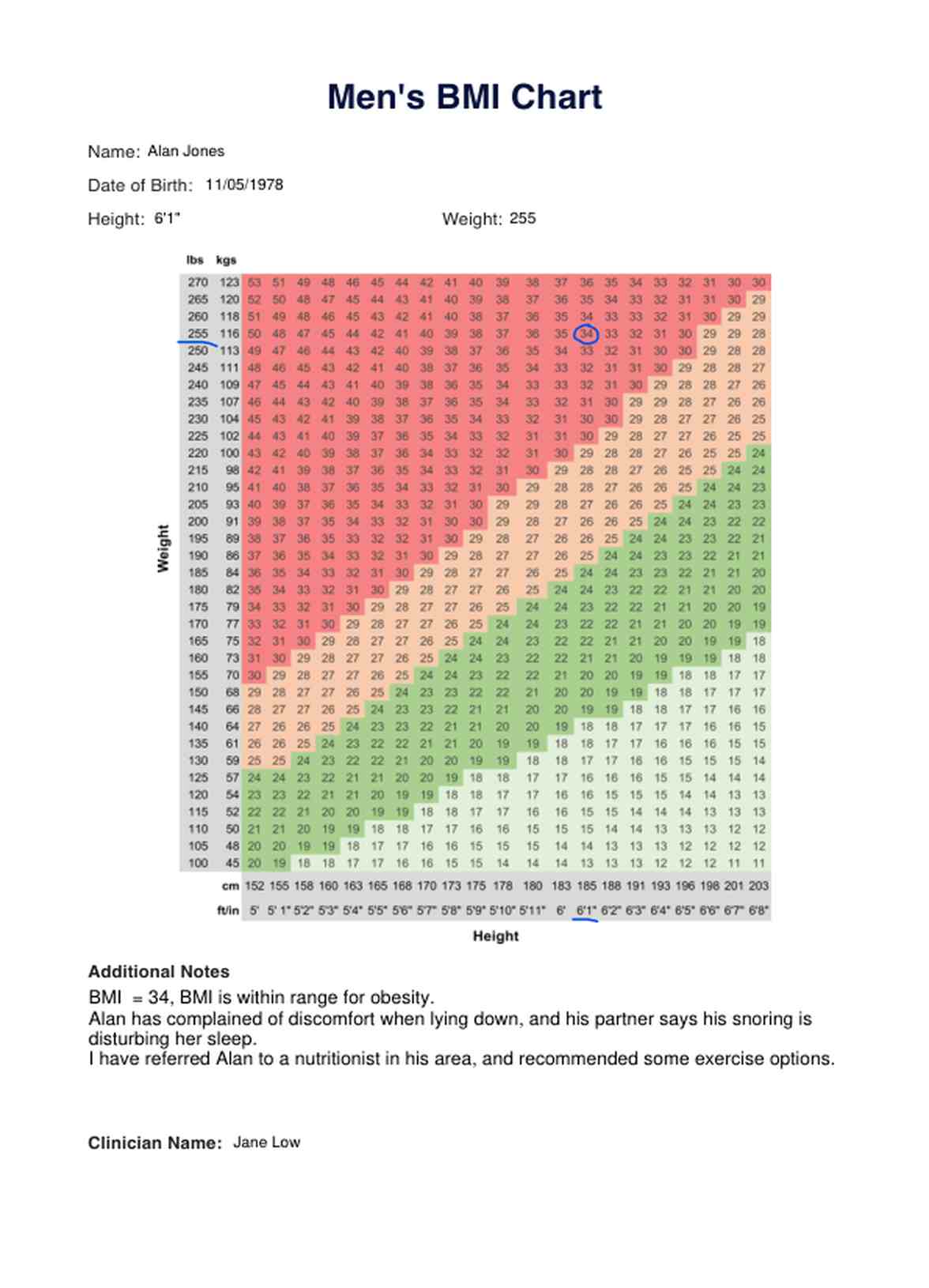
A BMI weight chart is a graphical representation that categorizes weight based on height and BMI values. It helps you understand If you are underweight, at a healthy weight, overweight, or obese. The chart typically features a range of heights on one axis and corresponding weights on the other. The BMI is calculated using the formula: weight (kg) / (height (m))^2.
The beauty of this chart lies in its simplicity. You can quickly find your height on the left side, move across to your weight, and see where you fall within the BMI categories. This can be particularly useful if you’re trying to set weight goals or monitor changes over time.
How to Use the BMI Weight Chart for Men
Using the Bmi Weight Chart For Men is a straightforward process. Here’s how you can effectively use this resource:
- Measure Your Height: Stand straight against a wall without shoes and measure your height in centimeters or inches. Make sure to take the measurement accurately for the best results.
- Weigh Yourself: Use a reliable scale to weigh yourself. It’s best to do this at the same time each day, preferably in the morning before eating.
- Locate Your Height on the Chart: Find your height on the left side of the chart. This will guide you to the corresponding weight range.
- Check Your Weight: Move horizontally across the chart to see where your weight falls. The numbers will indicate different BMI categories: underweight, normal weight, overweight, or obese.
- Interpret Your Results: Based on where you land on the chart, you can determine which category you fall into. This can guide conversations with healthcare providers about your weight and health.
A common print size for these charts is A4 or letter size, which fits well on most home printers. You might want to print it on cardstock for durability, especially if you plan to hang it somewhere visible for regular reference.
Benefits of Using a BMI Weight Chart
There are several advantages to using a Bmi Weight Chart For Men:
- Visual Reference: It provides a clear visual representation of your weight status, making it easier to understand your health.
- Goal Setting: If you’re aiming to lose or gain weight, this chart can help you set realistic goals based on your height.
- Health Awareness: Regularly tracking your BMI can make you more aware of your body and health, encouraging a proactive approach to wellness.
- Convenience: Having a printable version allows you to keep track of your BMI at home, making it easy to refer back to whenever needed.
Tips for Accurate Measurements
To ensure your BMI readings are as accurate as possible, here are some tips to consider:
- Time of Day: Weigh yourself at the same time each day, preferably in the morning after using the bathroom but before eating or drinking.
- Clothing: Wear minimal clothing when weighing yourself to get the most accurate reading.
- Height Measurement: Ensure that your head is aligned with your spine when measuring height, as slouching can lead to inaccurate results.
- Multiple Measurements: Consider weighing yourself several times a week and averaging the results for a more consistent view of your weight.
This approach can help you track trends over time rather than focusing on daily fluctuations.
Where to Place Your BMI Weight Chart
Once you have your Bmi Weight Chart For Men printed, think about where you’ll keep it. Here are a few ideas:
- On Your Fridge: A great place to keep health reminders visible. You can see it while preparing meals.
- Home Office: If you work from home, place it near your workspace to remind you to take breaks for movement and wellness.
- Bathroom: A common spot where you typically weigh yourself. Keeping it here can make it convenient to check your BMI regularly.
- Fitness Area: If you have a designated space for workouts, having the chart nearby can motivate you to stay on track with your weight goals.
The location matters because it’s about creating a consistent habit of checking your BMI and adjusting your lifestyle accordingly.
The most useful detail to remember is that the BMI weight chart is a tool to help you understand your health better, but it should not replace professional medical advice. Always consult with a healthcare provider for personalized guidance based on your individual health needs.
