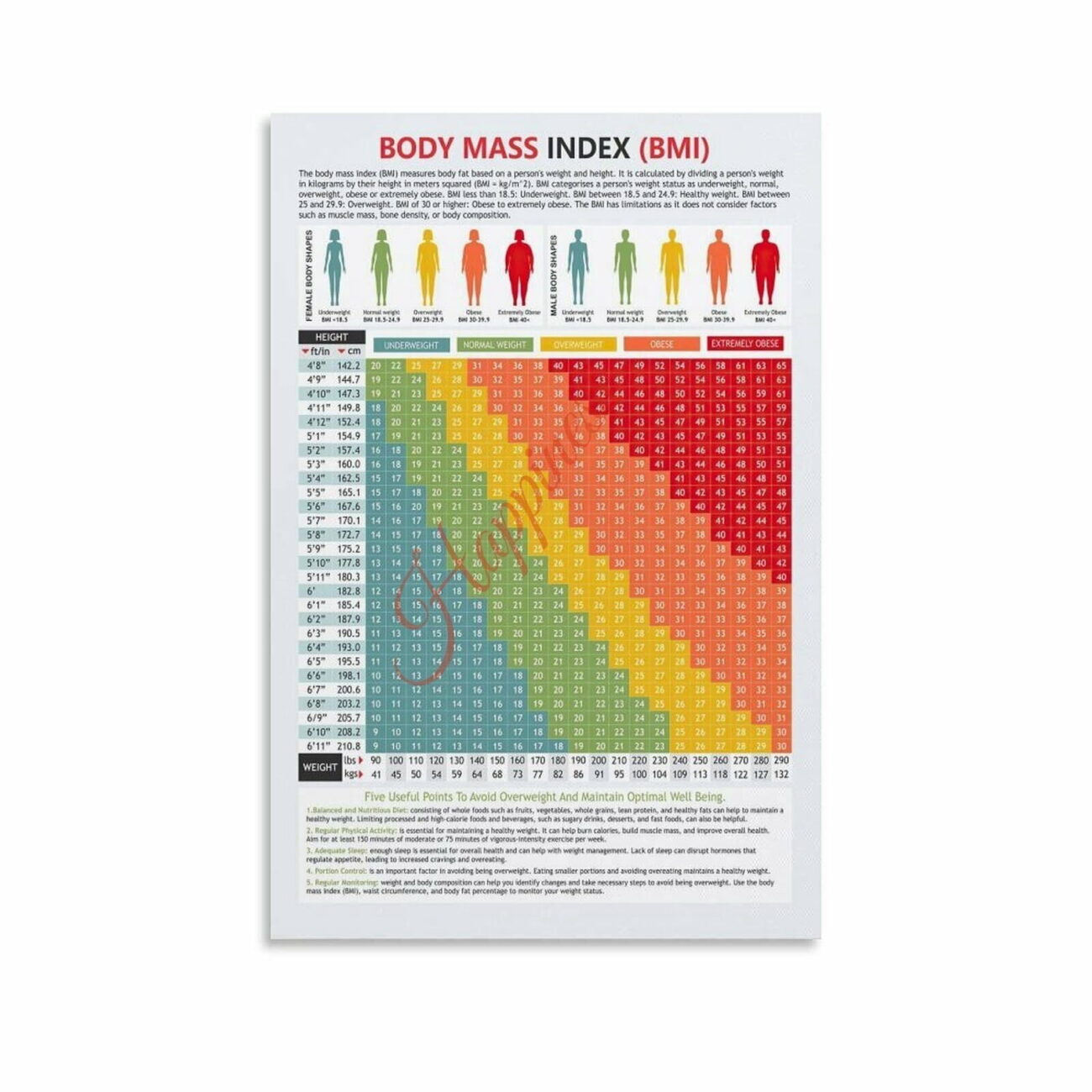
Managing your health can feel overwhelming, but a Height Weight Body Mass Index Chart can simplify the process. This chart is an essential tool to help you understand your body mass index (BMI) based on your height and weight. It provides a clear visual representation of where you stand on the BMI scale, making it easier for you to assess your health and set realistic goals.
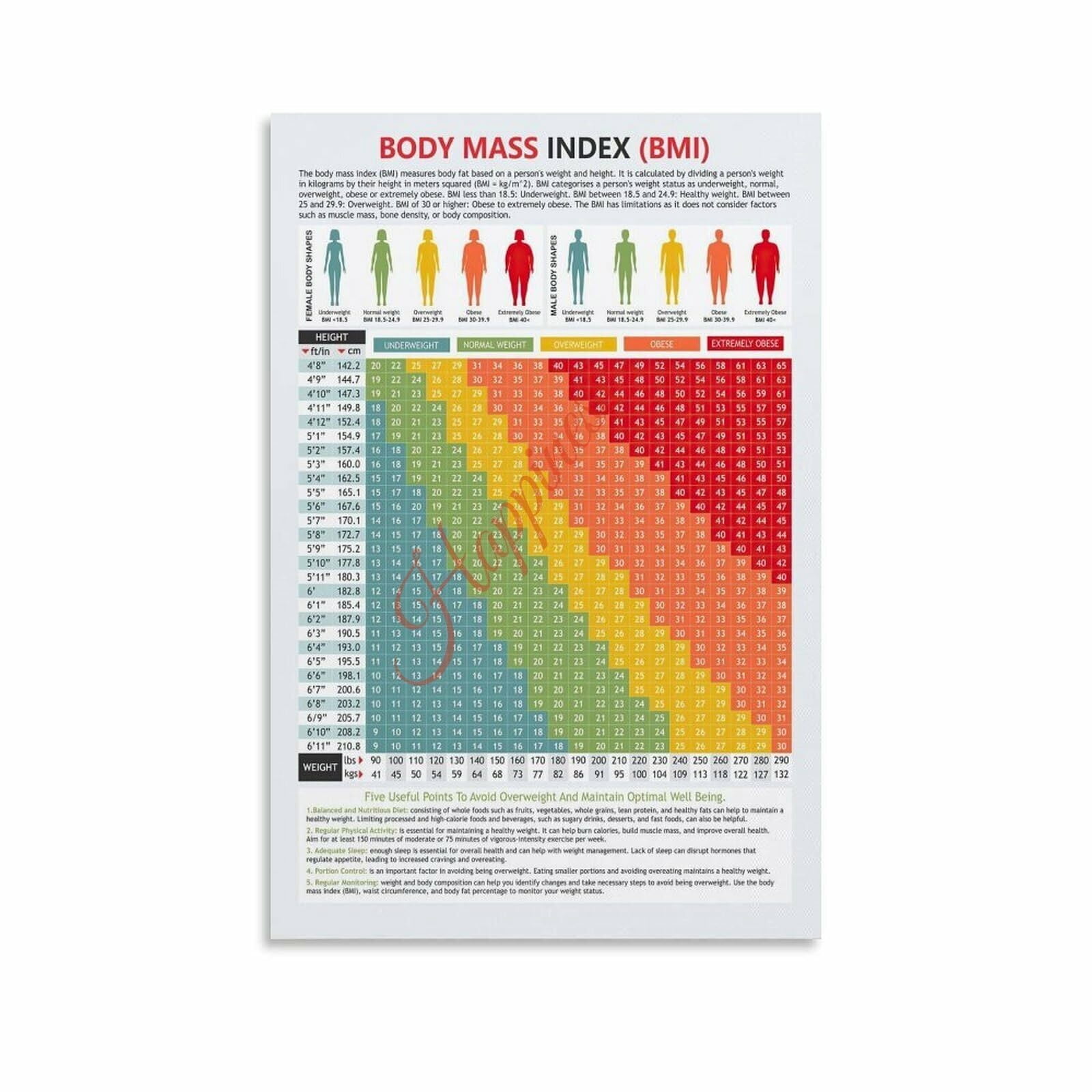
Understanding the Height Weight Body Mass Index Chart
The Height Weight Body Mass Index Chart is a simple guide that correlates your height and weight to calculate your BMI. BMI is a widely-used method to categorize individuals into different weight categories, such as underweight, normal weight, overweight, and obese. By understanding where you fit into these categories, you can make informed decisions about your health.
How to Read the Chart
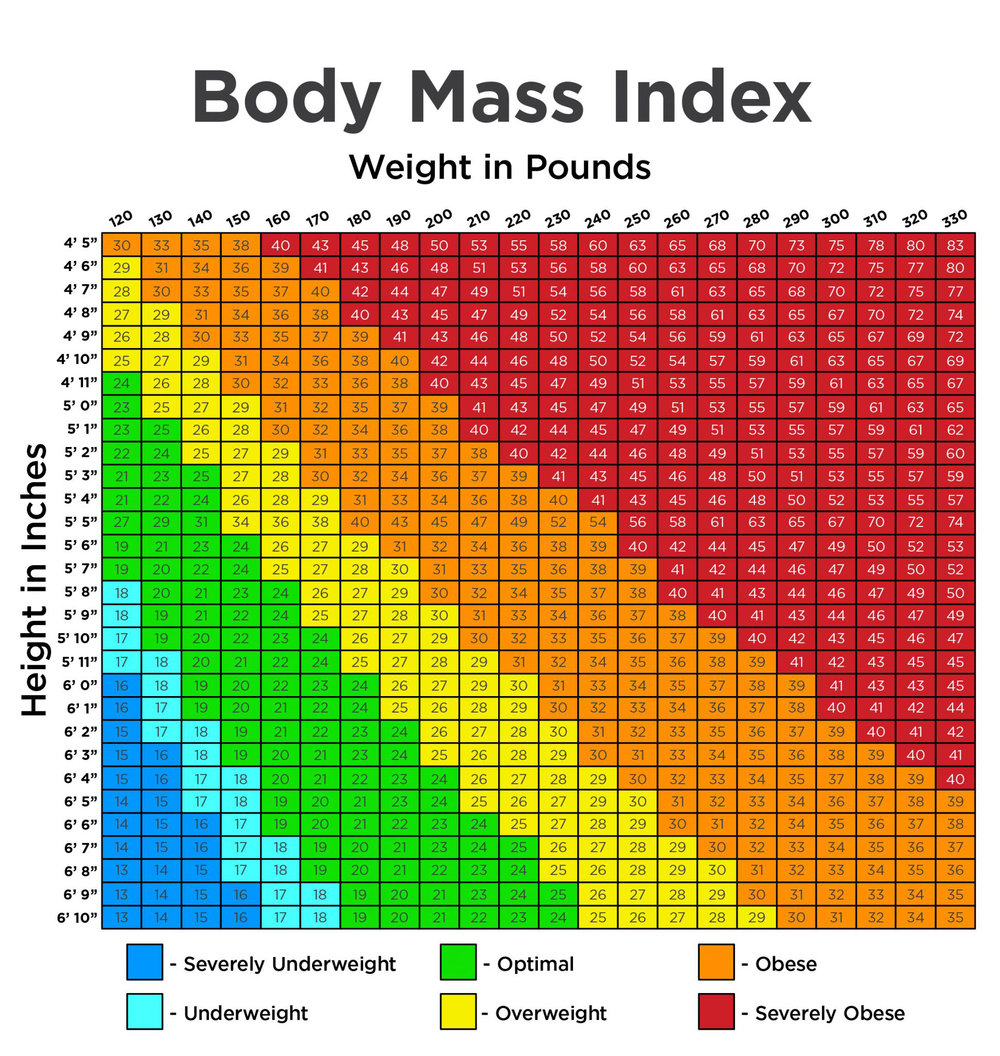
Reading the chart is straightforward. It typically has height listed along one axis and weight along the other. Here’s how you can use it:
- Locate Your Height: Find your height on the vertical axis. This is usually measured in inches or centimeters.
- Find Your Weight: Move horizontally to find your weight on the chart’s horizontal axis.
- Determine Your BMI: Where your height and weight intersect gives you your BMI category. The categories are typically noted alongside the chart.
It’s a quick way to visualize your weight status without needing to perform any calculations.
Benefits of Using a BMI Chart
Using a Height Weight Body Mass Index Chart offers several benefits:
- Quick Reference: You can quickly check your BMI category without complex calculations.
- Goal Setting: Understanding your BMI can help you set realistic health and fitness goals.
- Health Awareness: It raises awareness about being underweight or overweight, prompting necessary lifestyle changes.
For many adults, this chart serves as a motivational tool, providing clarity in their health journey.
Printable and Downloadable Versions
You can find various printable and downloadable versions of the Height Weight Body Mass Index Chart online. Here are a few tips on how to choose and use them effectively:
- PDF Formats: Opt for PDF versions as they maintain formatting across different devices. This will ensure that the chart prints out correctly without distortion.
- Color vs. Black and White: If you’re printing at home, consider black and white versions to save ink, unless you prefer color for better visibility.
- Size and Layout: Portrait layout is generally better for printing on standard letter-sized paper (8.5 x 11 inches). Check the dimensions before printing to avoid cutting off any information.
Digital Vs. Print Completion
You can choose to fill in your measurements either digitally or by hand. A fillable PDF allows you to enter your height and weight directly on your device, making it easy to save and print. This is convenient if you want to track your progress over time.
On the other hand, if you prefer a more tactile approach, printing the chart and filling it in by hand can be satisfying. You can place it somewhere visible, like on your fridge, to remind you of your goals.
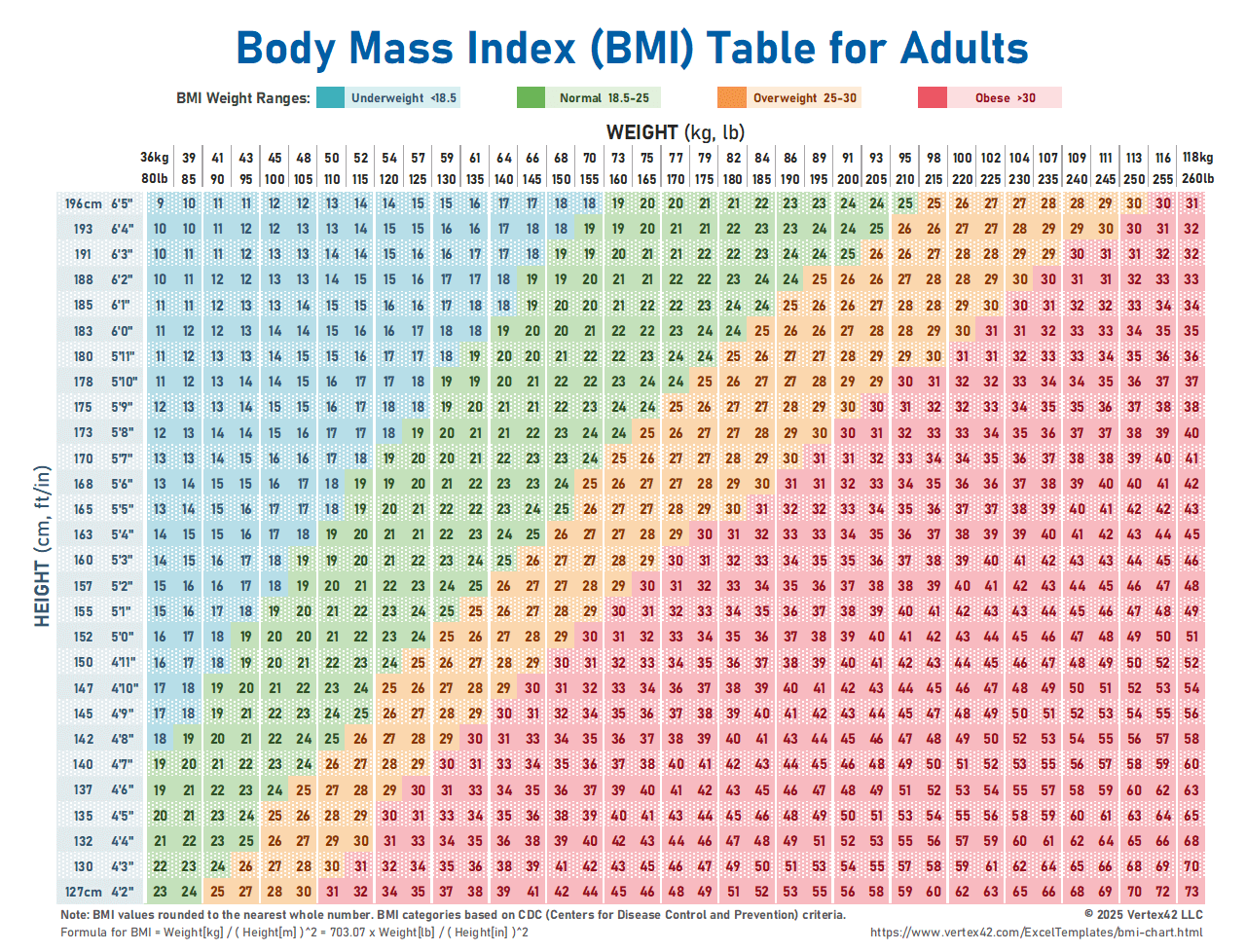
Incorporating the Chart Into Your Routine
To get the most out of your Height Weight Body Mass Index Chart, consider incorporating it into your routine:
- Regular Updates: Make it a habit to update your chart regularly, perhaps monthly or quarterly. Tracking changes can help you stay motivated.
- Pair with Other Tools: Use the chart alongside other resources, such as food diaries or fitness trackers, to get a comprehensive view of your health.
- Consult a Professional: If you’re unsure about what your BMI means for your health, consider discussing it with a healthcare provider. They can offer personalized advice based on your specific circumstances.
By integrating the Height Weight Body Mass Index Chart into your wellness toolkit, you can take proactive steps towards achieving your health goals. Download your chart today and start tracking your progress!
