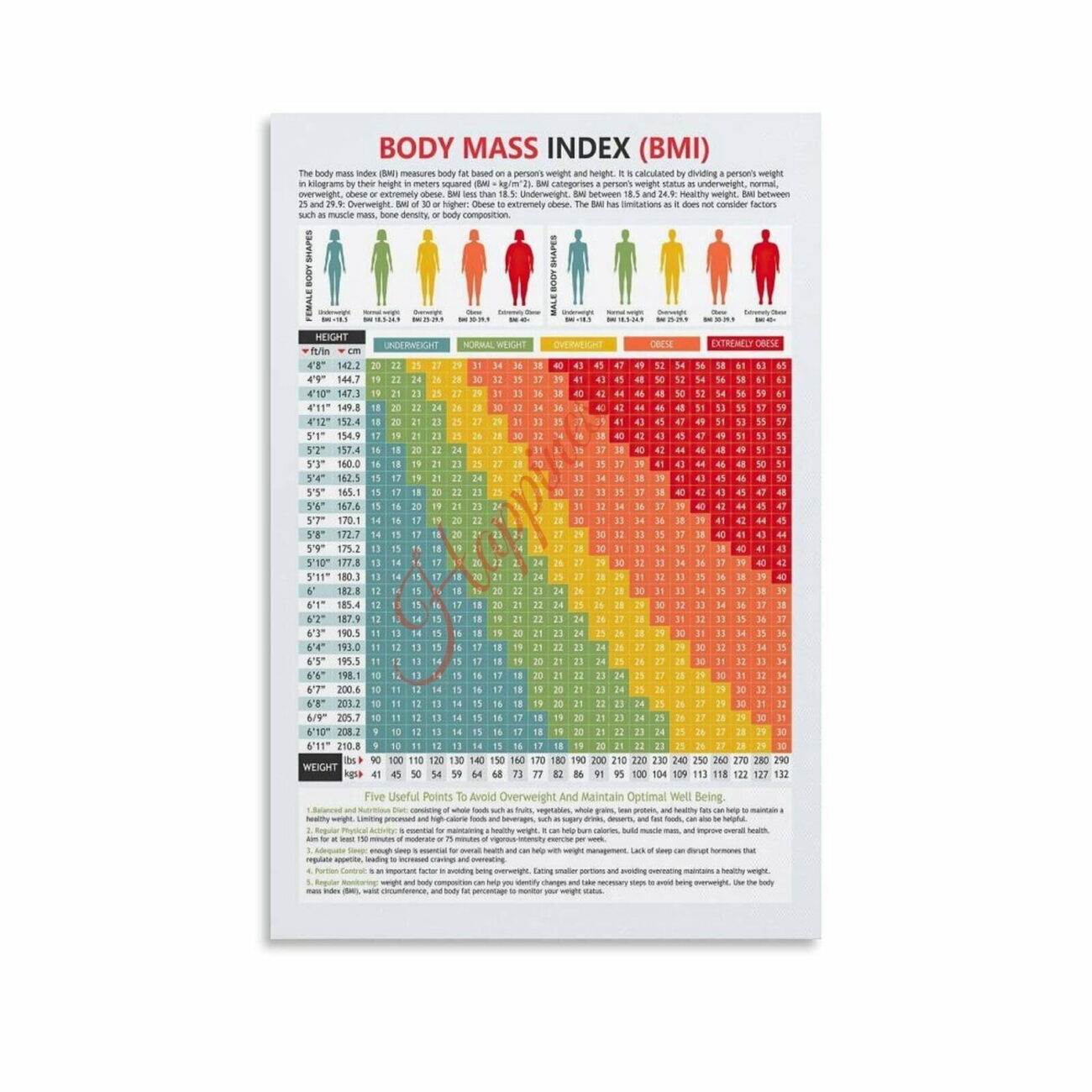
When you’re looking to track your family’s health and growth, a Human Body Weight And Height Chart can be incredibly useful. This resource helps you visualize where your children fall on the growth spectrum, allowing for informed discussions with healthcare providers. In this article, we’ll explore how to effectively use this chart and the benefits of having one readily available in your home.
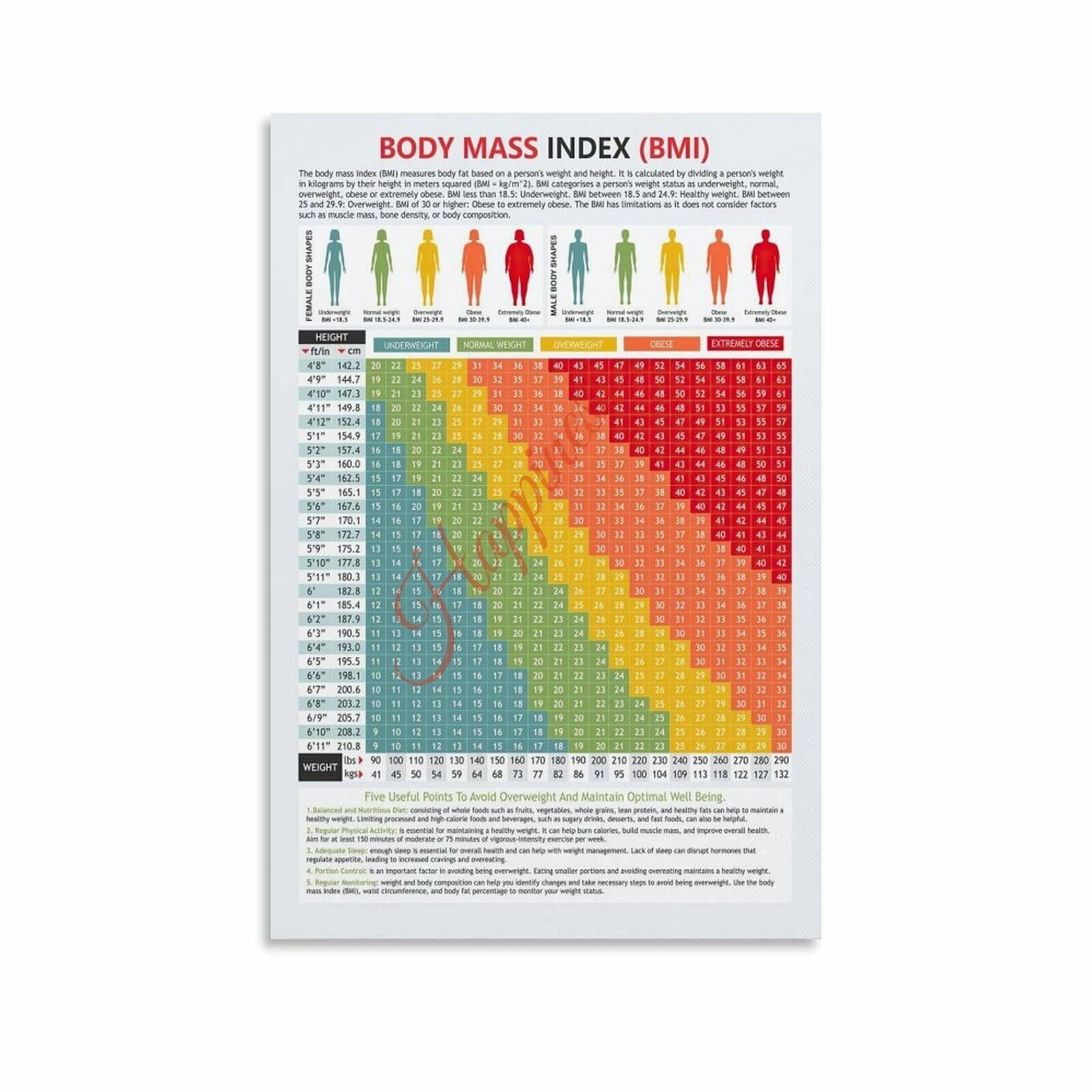
Understanding the Human Body Weight And Height Chart
A Human Body Weight And Height Chart typically consists of a grid that displays height on one axis and weight on the other. These charts are often divided into percentiles, helping you see how your child’s measurements compare to those of their peers. For example, if your child is in the 75th percentile for height, it means they are taller than 75% of children their age.
Key Features of the Chart
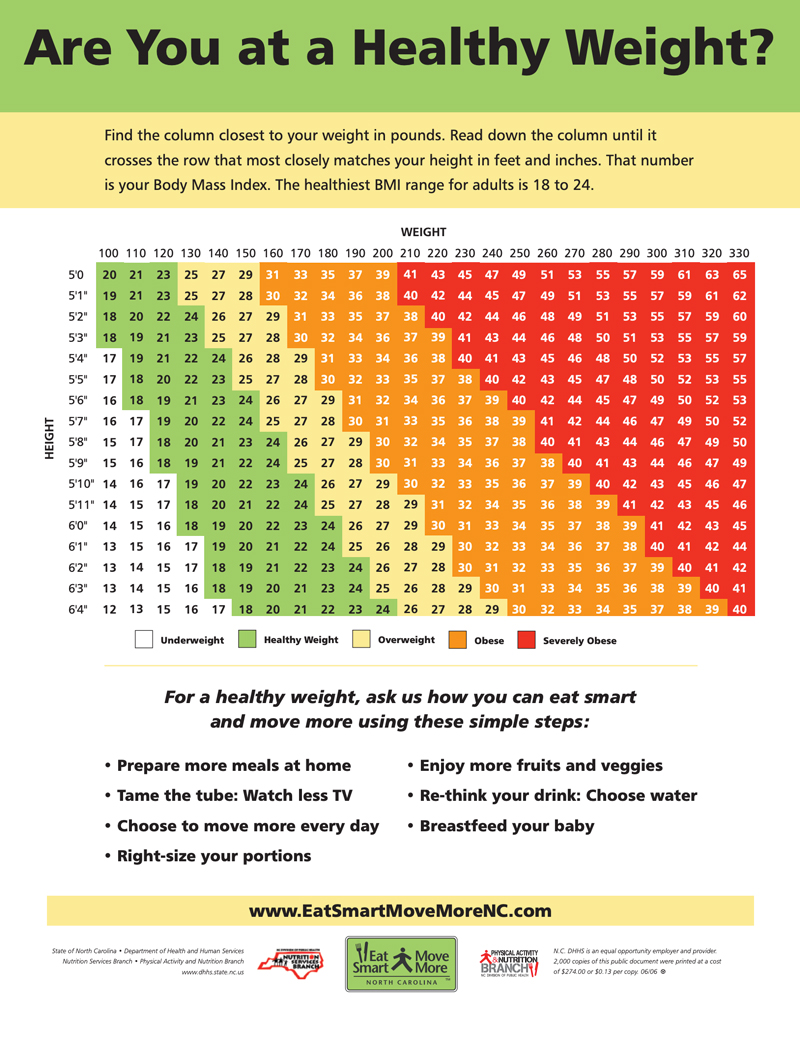
The chart generally includes:
- Height measurements: Often listed in inches or centimeters.
- Weight measurements: Displayed in pounds or kilograms.
- Percentile lines: Indicating the range of healthy weight for each height.
This layout allows you to pinpoint your child’s growth patterns quickly. You can fill in the chart as your child grows, making it easy to see progress over time.
How to Use the Chart Effectively
When using the Human Body Weight And Height Chart, here are some practical tips to keep in mind:
- Regular Measurements: Measure your child’s height and weight regularly—ideally during annual check-ups or every few months. This consistency helps maintain an accurate record of their growth.
- Fill It Out: You can download and print a fillable version of the chart, which makes it easy to enter measurements digitally. Alternatively, if you prefer, print it out and fill it in by hand.
- Assess Growth Patterns: Look for trends in growth. Is your child consistently hitting a specific percentile? If there’s a significant drop or rise, it might be time to consult a healthcare professional.
- Discuss with Healthcare Providers: Bring the completed chart to your child’s doctor appointments. It provides a visual aid that can help in discussions about growth and development.
Digital Vs. Print Options
When deciding whether to use a printed or digital version of the Human Body Weight And Height Chart, consider the following:
- Digital Versions: These are usually fillable PDFs, allowing you to enter data directly on your device. They can be easily saved, shared, and updated without the mess of paper. However, ensure you have proper software to avoid formatting issues.
- Printed Versions: Printing the chart can be more straightforward if you prefer writing by hand. It can also serve as a visual reminder when displayed in a common area, like the kitchen or your child’s room. Use cardstock for durability, especially if your kids are likely to handle it frequently.
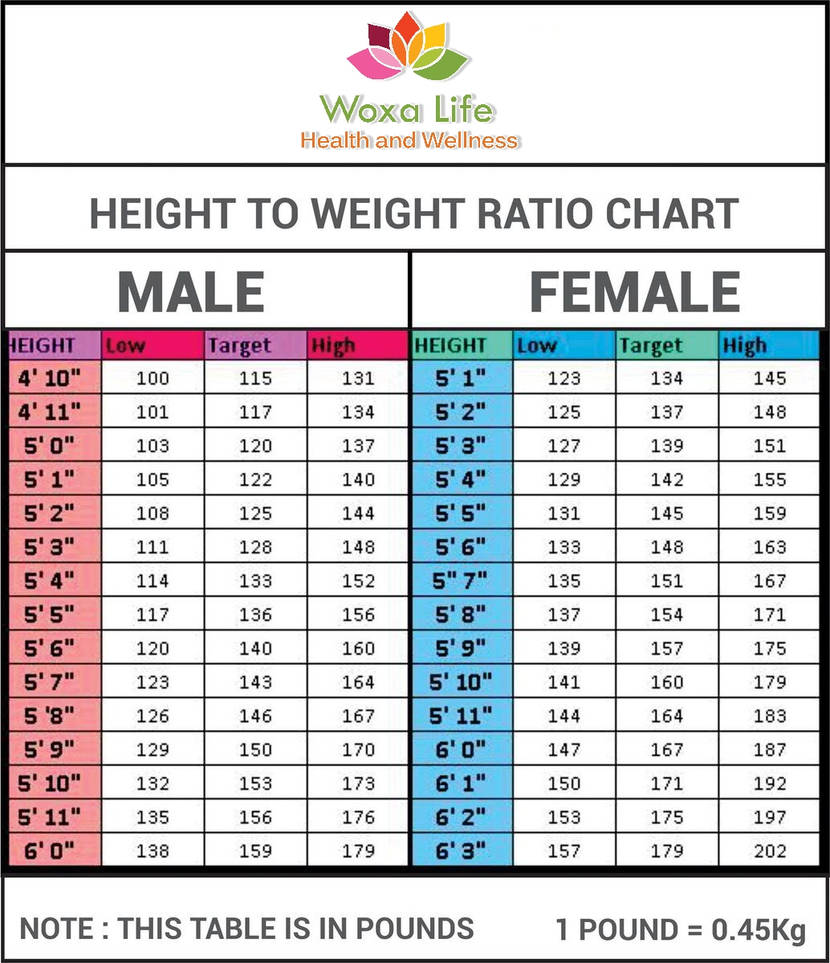
Where to Find Printable Resources
You can find various resources online for downloading Human Body Weight And Height Charts. Look for reputable sites that offer printable charts for free or at a low cost. Ensure the charts are up-to-date and reflect current growth standards, as these can change over time.
Recommended Sources
When searching for printable charts, consider:
- Educational websites
- Health organizations
- Pediatric resources
Make sure to choose a chart that is appropriate for your child’s age range. Most charts are designed for children aged 2 to 19, but you can also find resources for infants.
