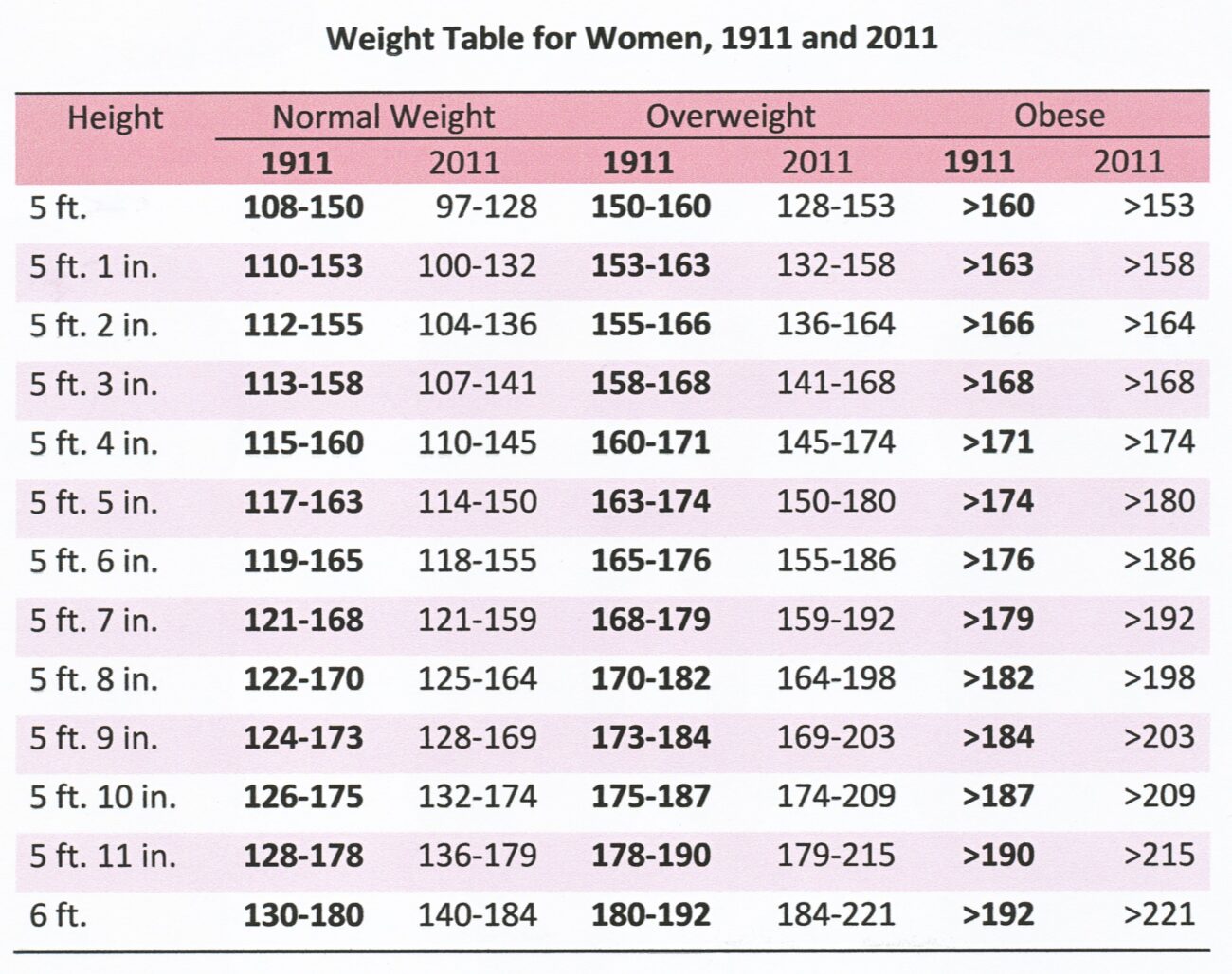
Understanding your child’s growth is essential for their overall health and development. A Weight And Height Chart Women By Age can be a fantastic tool for parents looking to monitor this important information over time. This chart typically features the average weights and heights for women, segmented by age, allowing you to compare your child’s stats against standard growth patterns. Let’s look at how you can effectively use this resource for your family’s well-being.
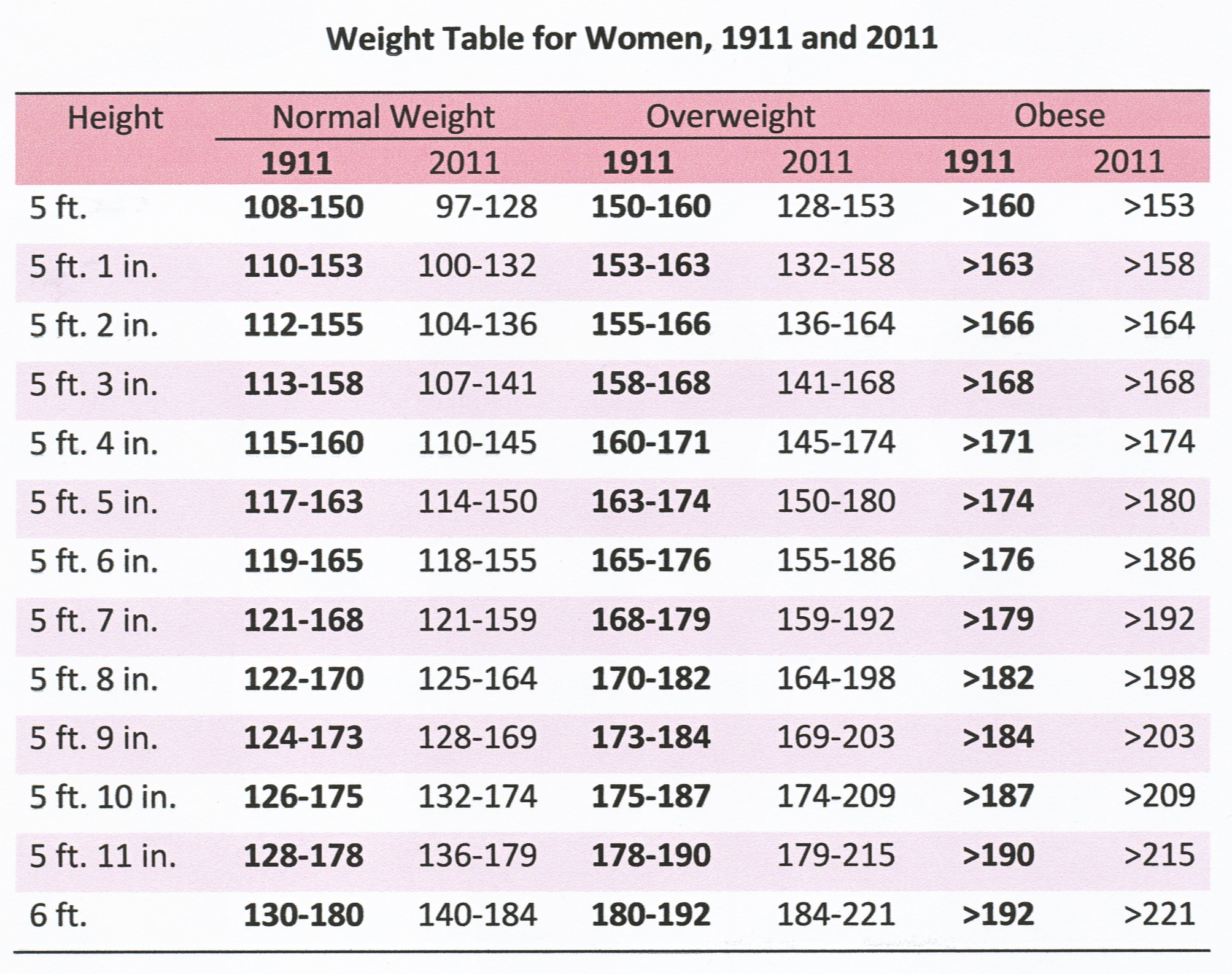
What is a Weight and Height Chart?
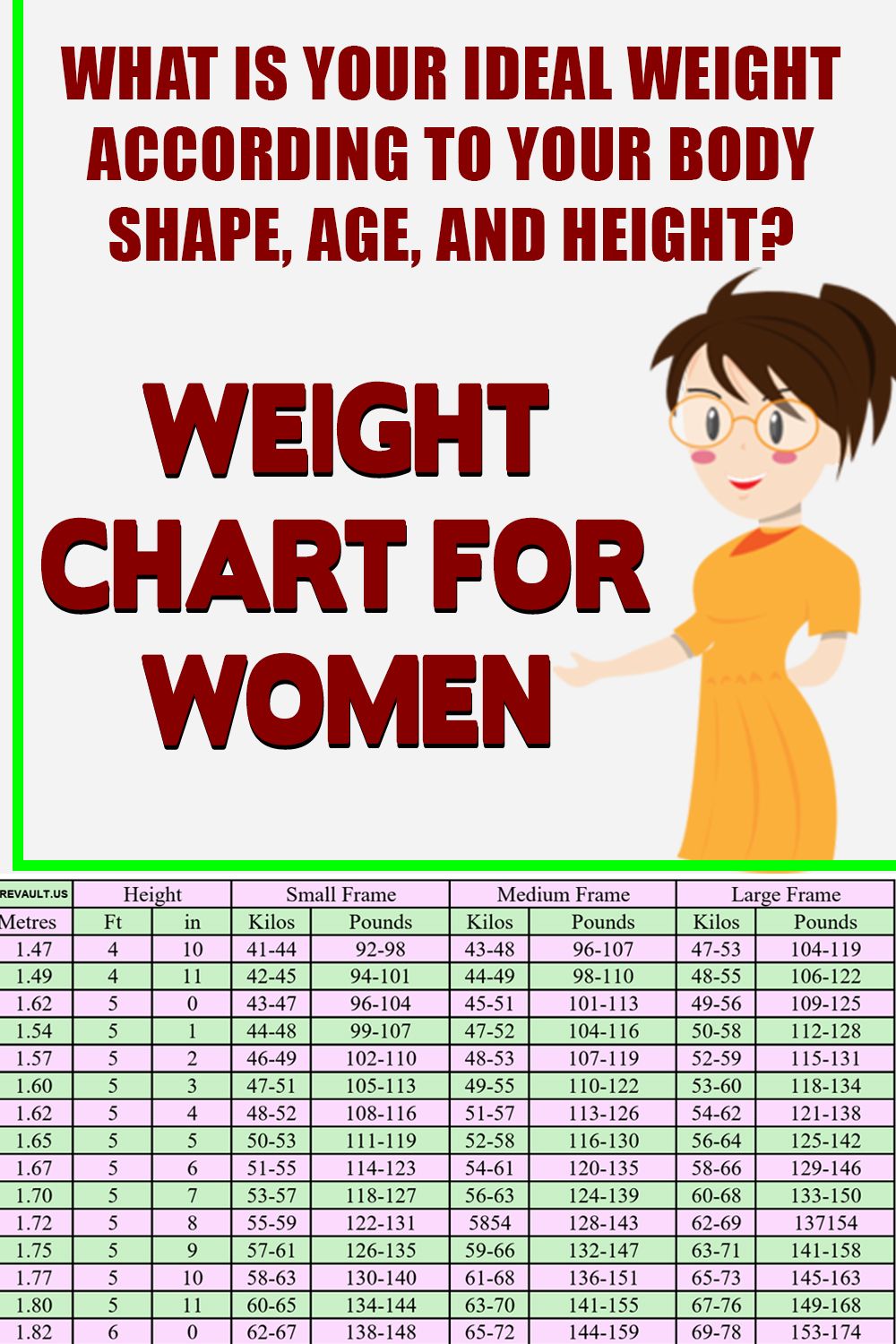
A Weight and Height Chart is a visual representation that indicates the expected weight and height of women at various age milestones. It’s often based on data from health organizations and provides a benchmark for assessing whether an individual is within a healthy range. For parents, this chart can be a valuable reference when discussing growth with pediatricians or during health check-ups.
How to Use the Weight and Height Chart
Using the Weight and Height Chart Women By Age is straightforward, but understanding how to interpret it is crucial. Here’s a step-by-step guide on how to get started:
- Download the Chart: First, find a reliable source for the printable Weight and Height Chart. Make sure it’s up-to-date and reflects the latest health guidelines.
- Print the Chart: Use a standard printer with good quality paper. Cardstock is often recommended for durability, especially if you plan to keep it for a while. A portrait layout typically works best for home printers.
- Gather Your Data: Measure your child’s height and weight accurately. It’s best to do this at a similar time each week or month to maintain consistency. Using a stadiometer for height and a digital scale for weight can yield the most accurate results.
- Locate Age on the Chart: Find your child’s age on the chart. The chart will usually display age ranges in years or months along one axis.
- Plot the Measurements: Once you locate your child’s age, find the corresponding weight and height ranges. Mark your child’s measurements on the chart. This visual representation can help you see where they fall in relation to the average.
- Evaluate the Data: Look at where your child’s measurements land on the chart. Ideally, you want to see them within the 5th to 85th percentile, which indicates they are growing in a healthy manner. If your child is consistently below the 5th percentile or above the 85th, it may be worth consulting with a healthcare provider.
Benefits of Using the Weight and Height Chart
The Weight and Height Chart Women By Age offers several benefits for parents:
- Visual Tracking: Seeing measurements plotted on a chart provides a clear visual of your child’s growth trajectory. This can be especially reassuring during growth spurts or periods of slower growth.
- Health Conversations: Having this data on hand can facilitate conversations with your pediatrician. It allows for more informed discussions regarding nutrition, physical activity, and any concerns you may have.
- Setting Goals: If you’re aiming for specific health goals, such as maintaining a healthy weight or encouraging more physical activity, this chart can serve as a motivational tool.
Common Mistakes to Avoid
While using the Weight and Height Chart can be beneficial, there are some common pitfalls to watch out for:
- Infrequent Measurements: Measuring your child’s height and weight inconsistently can lead to inaccurate assessments. Aim for regular intervals, such as monthly or quarterly.
- Ignoring Percentile Ranges: It’s easy to get caught up in the numbers and forget to consider the percentile ranges. A child growing steadily, even if slightly below average, might still be perfectly healthy.
- Comparison with Peers: Every child grows at their own pace. Comparing your child directly with others can lead to unnecessary concern. Focus on their individual growth pattern instead.
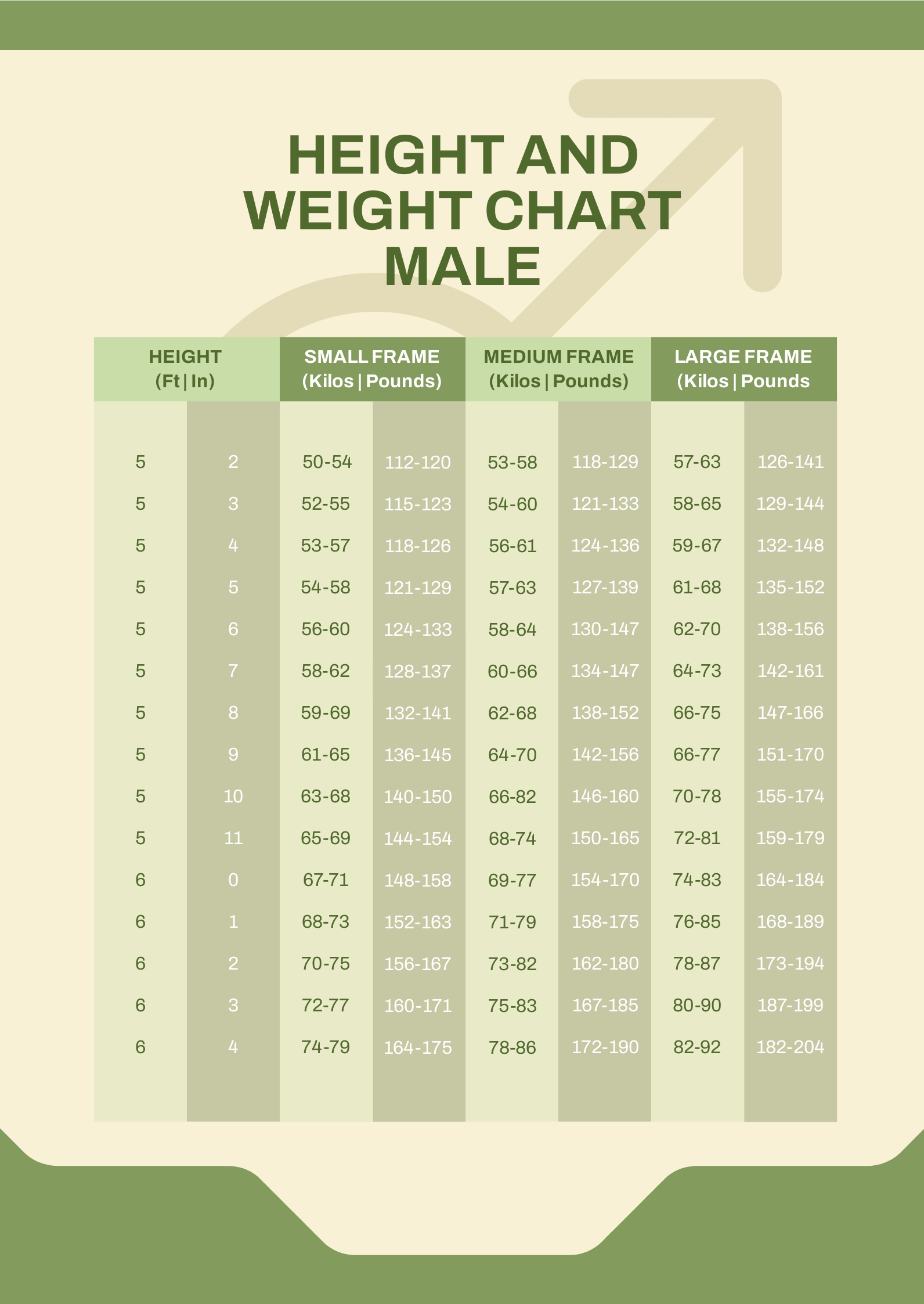
When to Seek Professional Guidance
If you notice that your child’s weight or height consistently falls outside the normal range, it may be time to consult a healthcare professional. Conditions like growth hormone deficiencies, nutritional issues, or other underlying health concerns can impact growth. Early intervention can be crucial, so don’t hesitate to seek advice if you have concerns.
As you navigate your child’s growth journey, remember that the Weight and Height Chart Women By Age is a tool to help you monitor their development. It’s about understanding their unique growth pattern and ensuring they are on the right track. Regular measurements, a focus on healthy lifestyle choices, and open dialogue with healthcare providers will support your child’s health and well-being.
