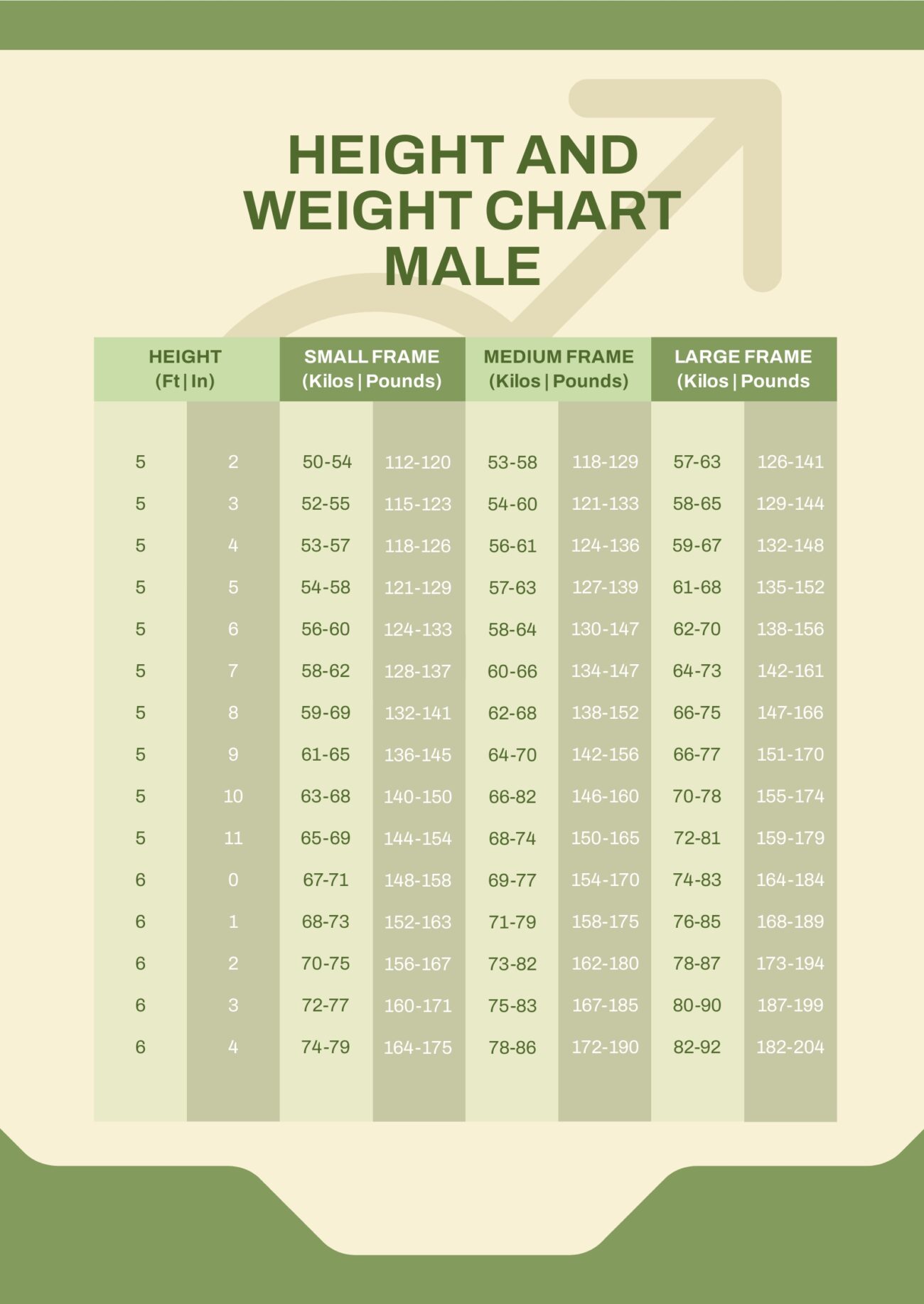
Tracking your health can feel overwhelming, especially when you’re trying to find the right balance between weight and height. The Perfect Weight And Height Chart is a fantastic resource that simplifies this process. It provides a clear visual representation of what constitutes a healthy weight for various heights, helping you set and achieve your personal health goals.
Understanding the Chart Layout
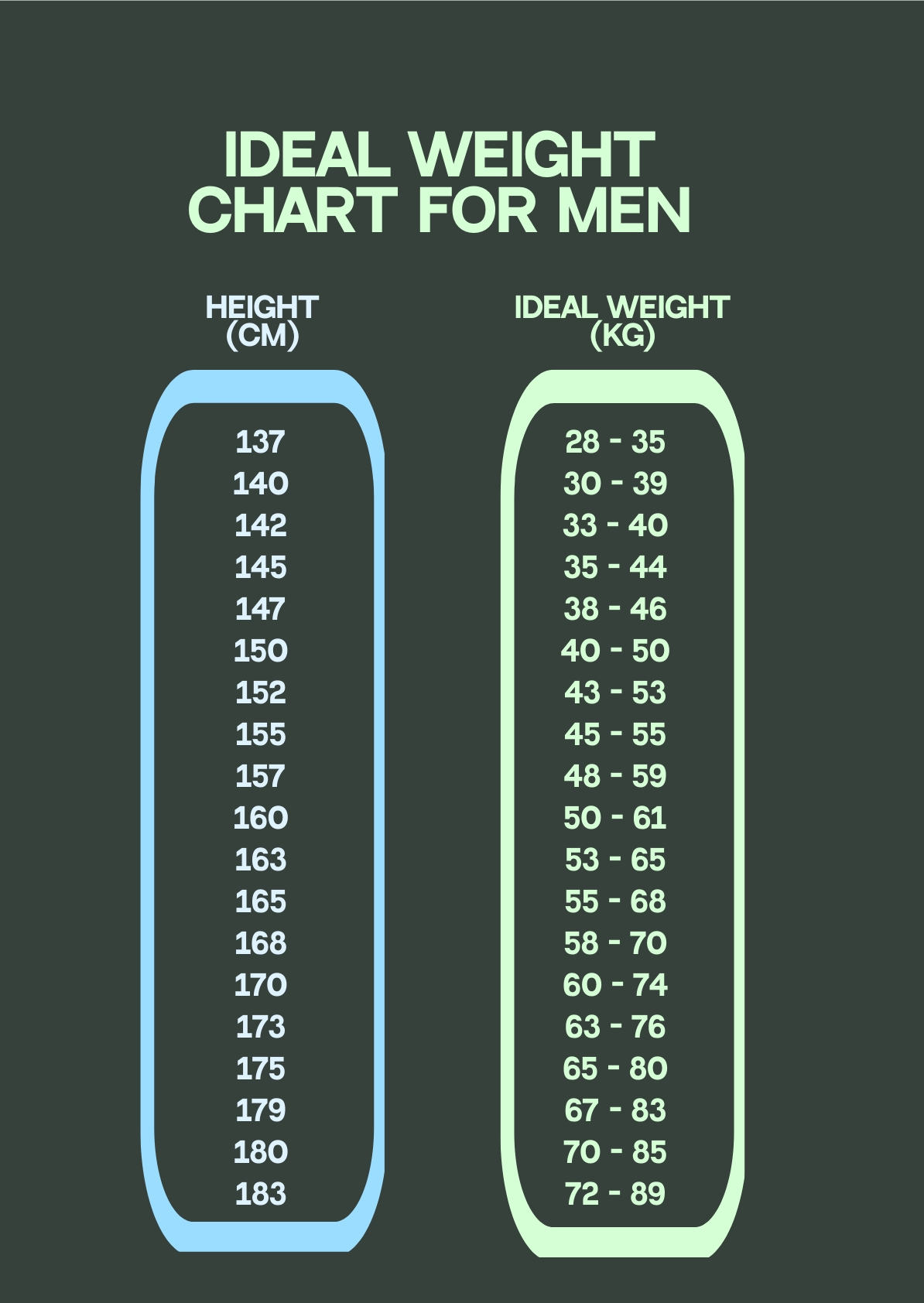
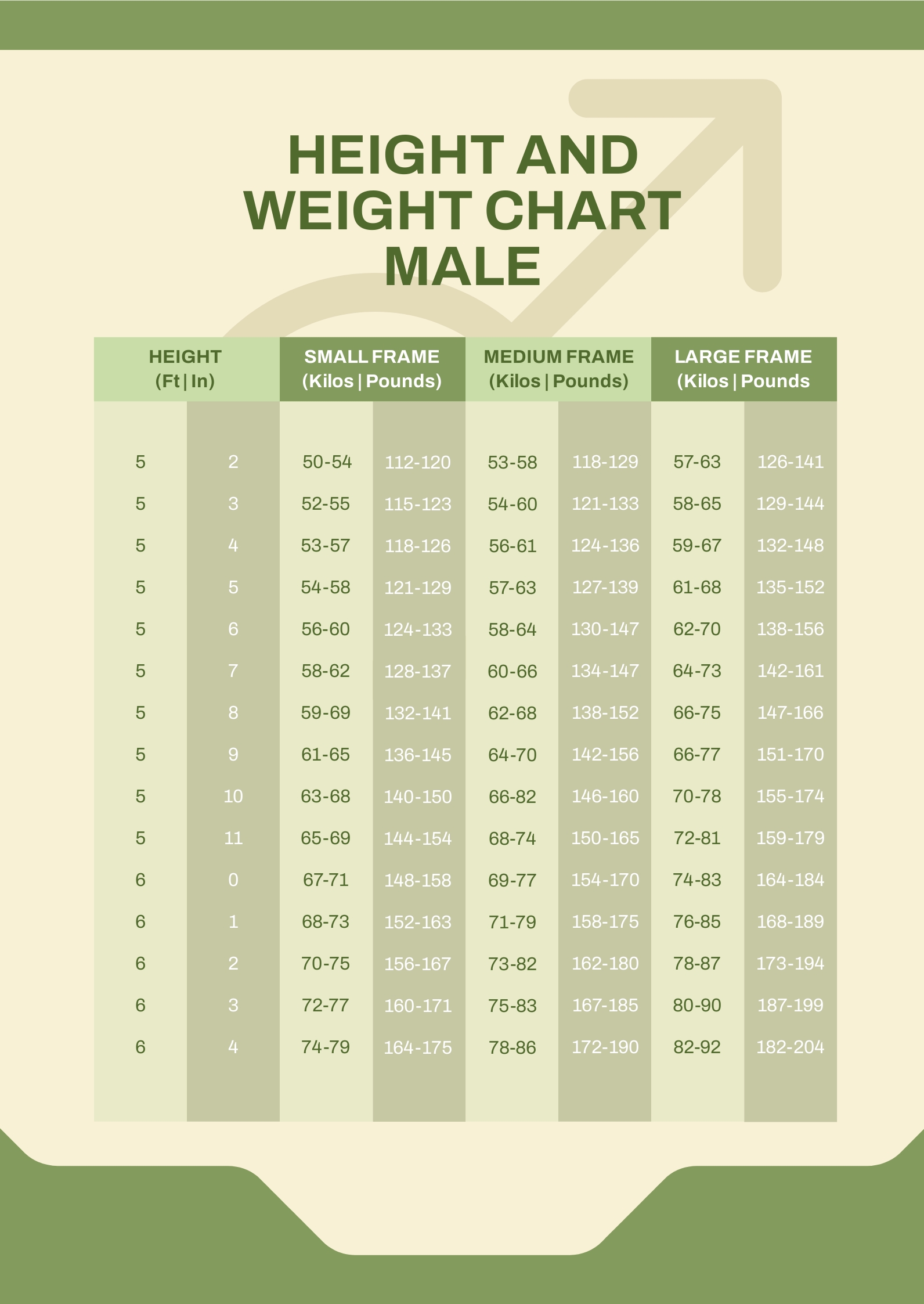
The Perfect Weight And Height Chart typically displays height along one axis and weight along the other. This layout makes it straightforward to locate your height and find the corresponding weight range considered healthy. Most charts use Body Mass Index (BMI) standards to define these ranges, which are generally divided into categories like underweight, normal weight, overweight, and obesity.
When using the chart, start by measuring your height accurately. Stand against a wall with a flat surface, ensuring your heels, back, and head touch the wall. Use a straight edge to mark your height on the wall and measure it with a ruler.
Once you have your height measurement, look for it on the chart. From there, you can see the weight range that corresponds to your height. This can help you understand if you are within a healthy range or if adjustments are needed.
How to Use the Perfect Weight And Height Chart
Using the Perfect Weight And Height Chart effectively involves a few simple steps:
- Download and Print the Chart: Make sure to choose a high-quality version of the chart. A PDF format is often best, as it maintains the layout and can be printed in various sizes. Standard letter size (8.5 x 11 inches) usually works well for home printing.
- Measure Your Height: As mentioned earlier, accurate measurement is key. If you’re measuring for children, ensure they stand straight and flat-footed.
- Find Your Height on the Chart: Once printed, locate your height on the chart.
- Identify Your Weight Range: Read across to see the range of weights that are considered healthy for your height.
- Track Progress: If you’re working towards a specific weight goal, keep a record of your weight over time. You can even create a personal tracker next to the chart to visualize your journey.
Common Mistakes When Using the Chart
While the Perfect Weight And Height Chart is a helpful tool, there are common pitfalls to avoid:
- Ignoring Muscle Mass: If you’re an athlete or someone who lifts weights regularly, remember that muscle weighs more than fat. This means you may fall into a higher weight category without being unhealthy. Always consider your body composition along with the chart.
- Not Considering Age and Gender: The ideal weight can vary based on age and gender. For instance, children and teens have different growth patterns, and women may have different healthy weight ranges than men.
- Focusing Solely on the Numbers: Health is not just about weight. Factors such as diet, exercise, and mental well-being are equally important. Use the chart as a guide, but don’t let it dictate your self-worth.
Where to Keep the Chart for Easy Reference
Once you’ve printed the Perfect Weight And Height Chart, think about where it will be most effective:
- Kitchen: Hang it on your fridge. This way, you can refer back to it before meals or when considering snacks.
- Home Gym: If you have a workout space, place the chart where it’s visible. It can serve as motivation when you’re exercising.
- Bathroom: Keeping it near your scale can remind you to check in on your progress regularly.
Make sure it’s in a spot where you’ll see it often. This will help keep your goals at the forefront of your mind.
Additional Tips for Tracking Progress
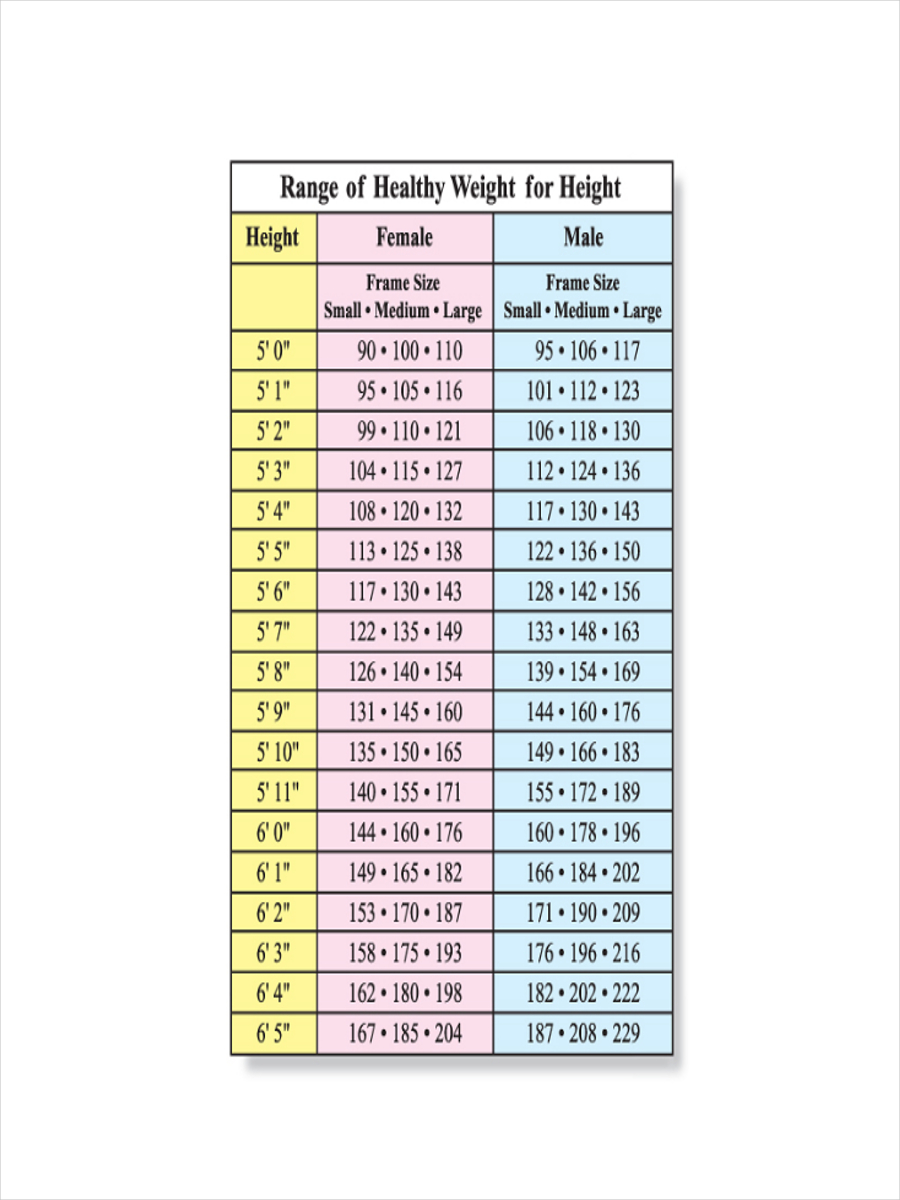
To get the most out of your Perfect Weight And Height Chart, consider these tips:
- Set Realistic Goals: Aim for gradual weight changes, such as 1-2 pounds per week. This is a healthier approach than drastic changes, which can be unsustainable.
- Keep a Journal: Document your meals, workouts, and how you feel. This can help you identify patterns and make adjustments.
- Consult a Professional: If you’re unsure about your weight or health status, consider seeking advice from a healthcare provider or nutritionist. They can offer tailored guidance based on your individual needs.
Tracking your weight and height is a journey, and the Perfect Weight And Height Chart is an excellent tool to help you along the way. Make sure to use it wisely, stay motivated, and remember that your health encompasses much more than just numbers.
Take a moment to print out your chart today, and start your path towards a healthier you!
