Tracking your infant’s growth can be one of the most important aspects of parenthood, and an Infant Weight Chart By Week is an invaluable tool for this. These charts provide a clear visual representation of your baby’s weight relative to age, helping you ensure they are growing at a healthy rate. In this article, I’ll guide you through how to read and utilize these charts effectively, so you can stay on top of your baby’s development.
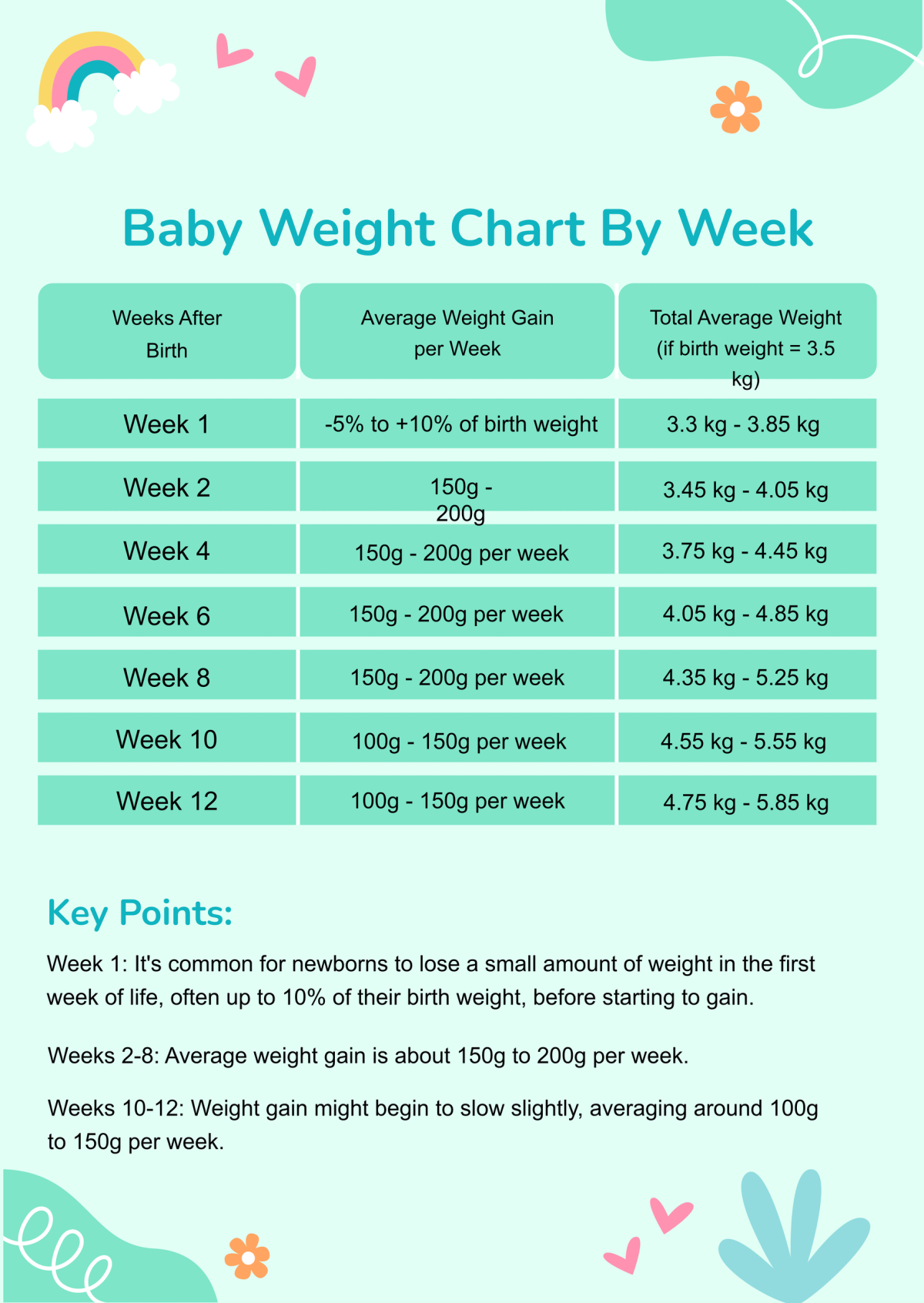
Understanding the Infant Weight Chart By Week
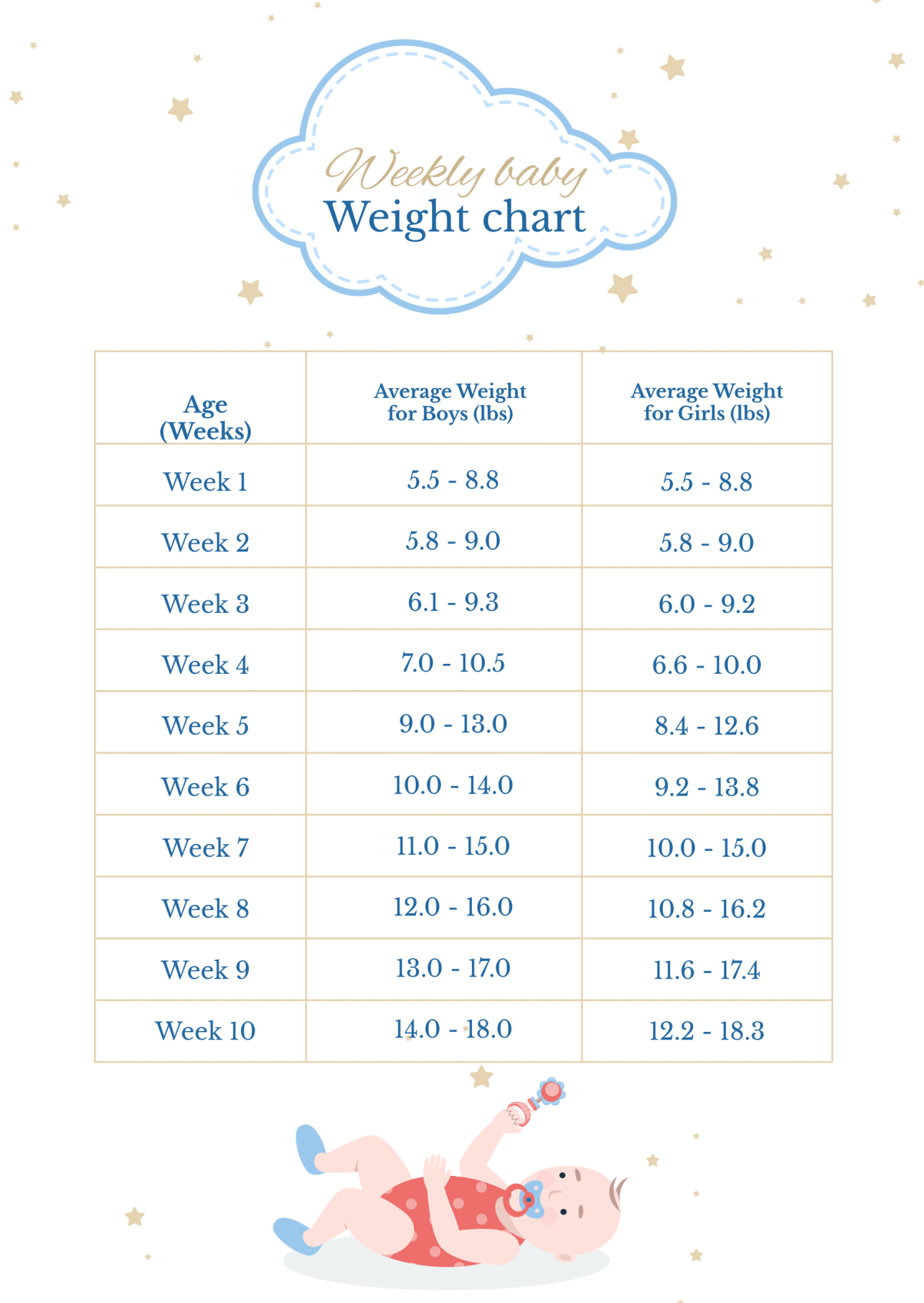
An Infant Weight Chart By Week typically displays weight ranges for infants from birth to 12 months. The chart is designed to show the average weight for each week of life, allowing parents to compare their baby’s weight against standard growth patterns.
The chart usually includes:
- Age in Weeks: A clear indication of your baby’s age, usually starting from birth and going up to 52 weeks.
- Weight Ranges: These are often broken down by percentile, showing where your baby’s weight falls compared to other infants. This can help indicate if your baby is underweight, average, or overweight.
- Percentile Lines: The lines on the chart represent the 5th, 10th, 25th, 50th (average), 75th, 90th, and 95th percentiles.
To read the chart effectively, locate your baby’s age on the left side, then find their weight along the top or right side. This will allow you to see where your child’s weight falls on the percentile scale.
How to Use the Chart Regularly
Incorporating the Infant Weight Chart into your routine can help you stay informed about your baby’s growth. Here are some practical steps to make the most of it:
- Weigh Your Baby Regularly: Use a reliable scale to weigh your baby at the same time each week. This consistency helps you track growth accurately.
- Record the Weight: Keep a log of your baby’s weight and the corresponding week. This can be done on paper or digitally using a spreadsheet or app designed for tracking infant growth.
- Compare Against the Chart: After recording, refer to the Infant Weight Chart By Week to see where your child’s weight falls. Note any trends, such as steady growth or fluctuations.
- Consult Your Pediatrician: If you notice your baby’s weight falls outside the typical ranges, it’s important to discuss this with your pediatrician. They can provide additional insights and recommendations.
Tips for Downloading and Printing the Chart
When you’re ready to download your Infant Weight Chart By Week, consider these practical tips to ensure a smooth process:
- Choose the Right Format: PDF files are often the best option for printing charts, as they maintain their formatting across different devices. Check if the resource offers a PDF version.
- Select Appropriate Paper Size: Most charts are designed for standard letter-size paper (8.5″ x 11″), but ensure your printer settings match this to avoid any scaling issues.
- Use Quality Paper: If you plan to keep the chart for a long time, consider printing on cardstock for durability. This will hold up better if you want to laminate it for repeated use.
- Check Print Settings: Set your printer to the correct quality settings. A high-quality print will make the fine details of the chart clearer and easier to read.
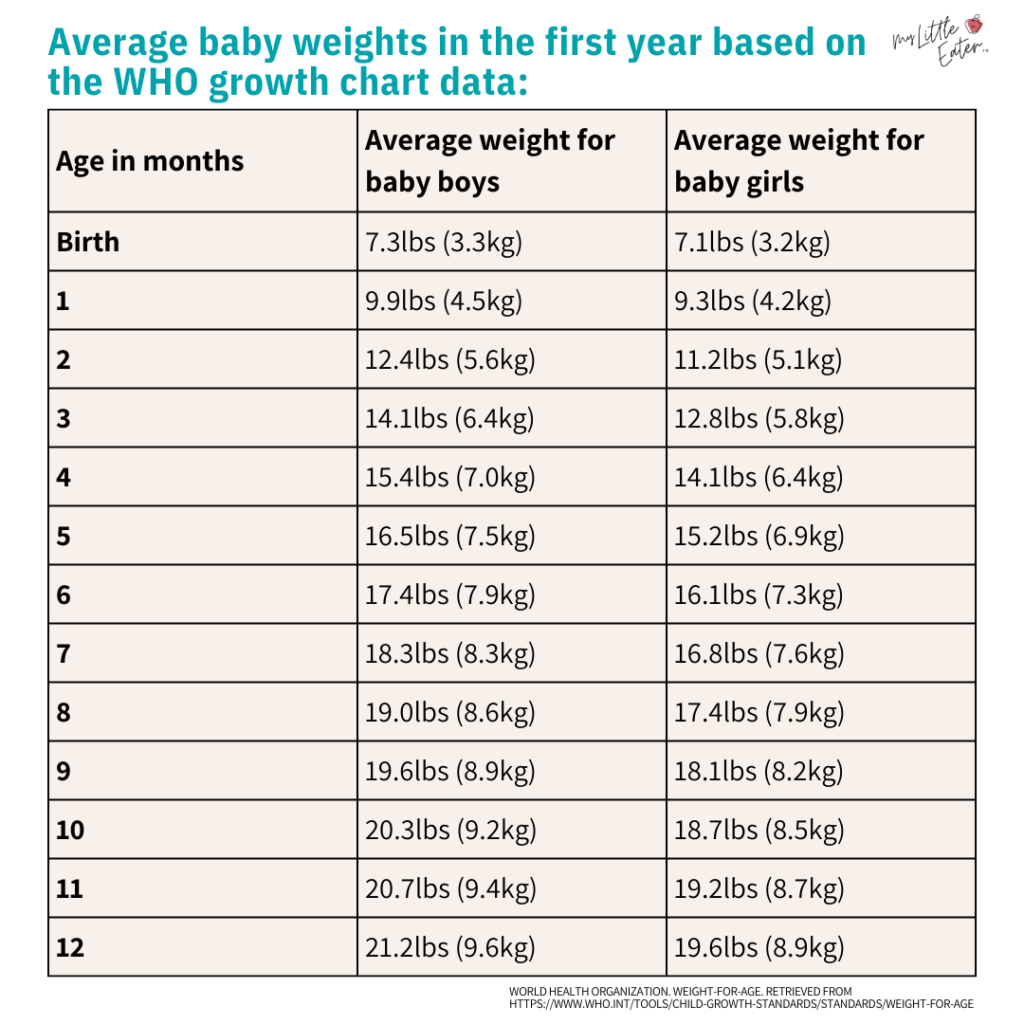
Incorporating the Chart Into Your Routine
To maximize the usefulness of your Infant Weight Chart By Week, integrate it into your regular parenting routine. Here are some suggestions:
- Monthly Reviews: Set aside time each month to review your baby’s growth using the chart. This can be a good opportunity to reflect on their development and any changes in feeding or sleeping patterns.
- Share with Family: Sharing your findings with family members can help create a supportive environment. It can also encourage family members to get involved in your baby’s health journey.
- Keep It Visible: Display the chart in a common area, like your kitchen or nursery. This will serve as a constant reminder to keep monitoring your baby’s growth.
By actively engaging with the Infant Weight Chart By Week, you can better understand your baby’s growth patterns. Regular tracking will help you feel more confident in your parenting decisions, ensuring that your little one is on the right path to healthy development.
As a quick tip, be sure to keep your baby’s growth chart in a safe place or easily accessible digital format for future reference. This way, you’ll always have it on hand when discussing growth with your healthcare provider.
