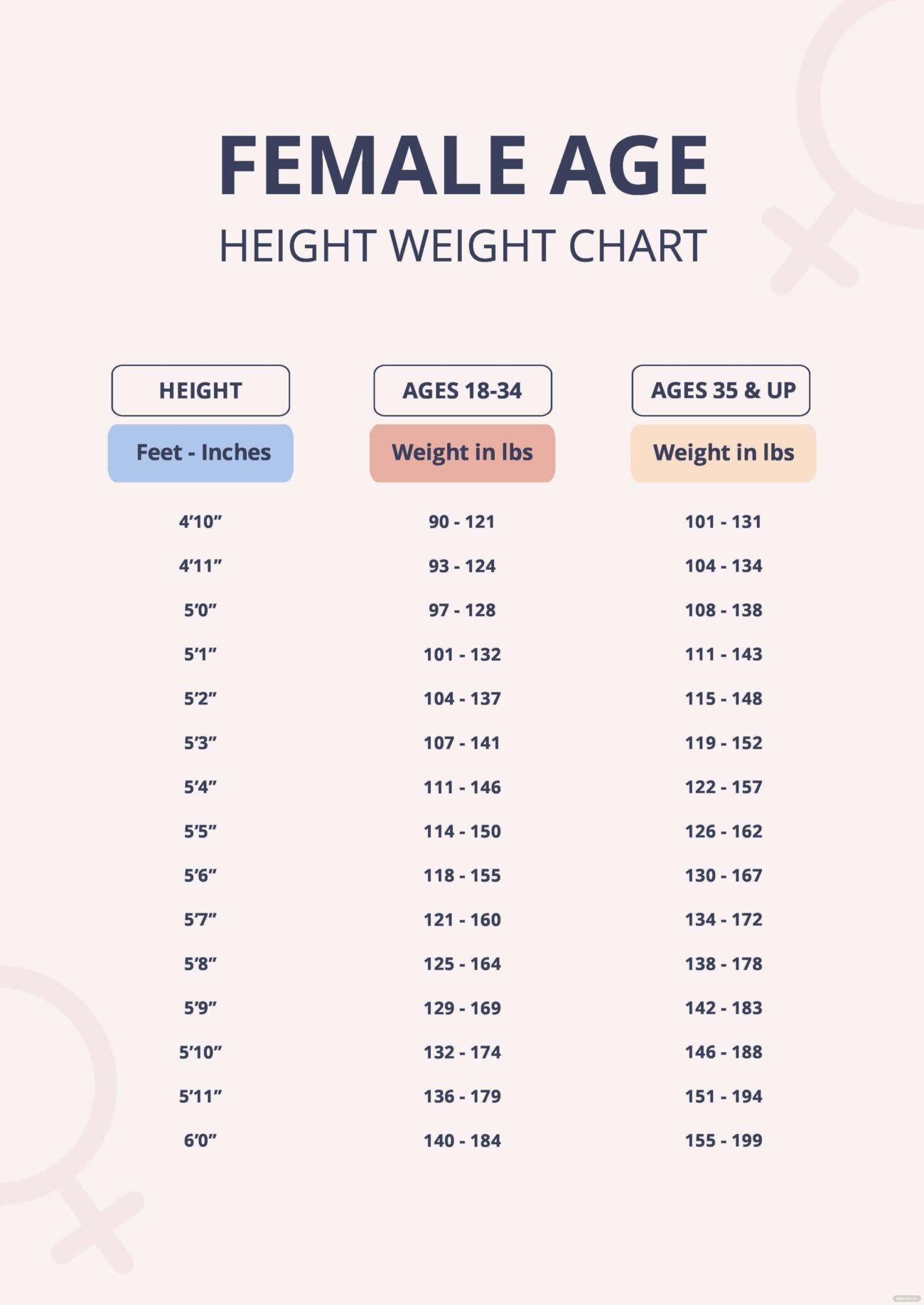
Maintaining a healthy weight is essential for overall well-being, especially for women. The Healthy Weight For Women Chart is a valuable resource that helps you determine a healthy weight range based on height and body composition. This chart is not just a simple table; it’s a practical tool that can guide you in tracking your progress and setting realistic weight goals. In this article, I’ll walk you through how to effectively use this chart and what to look for when filling it out.
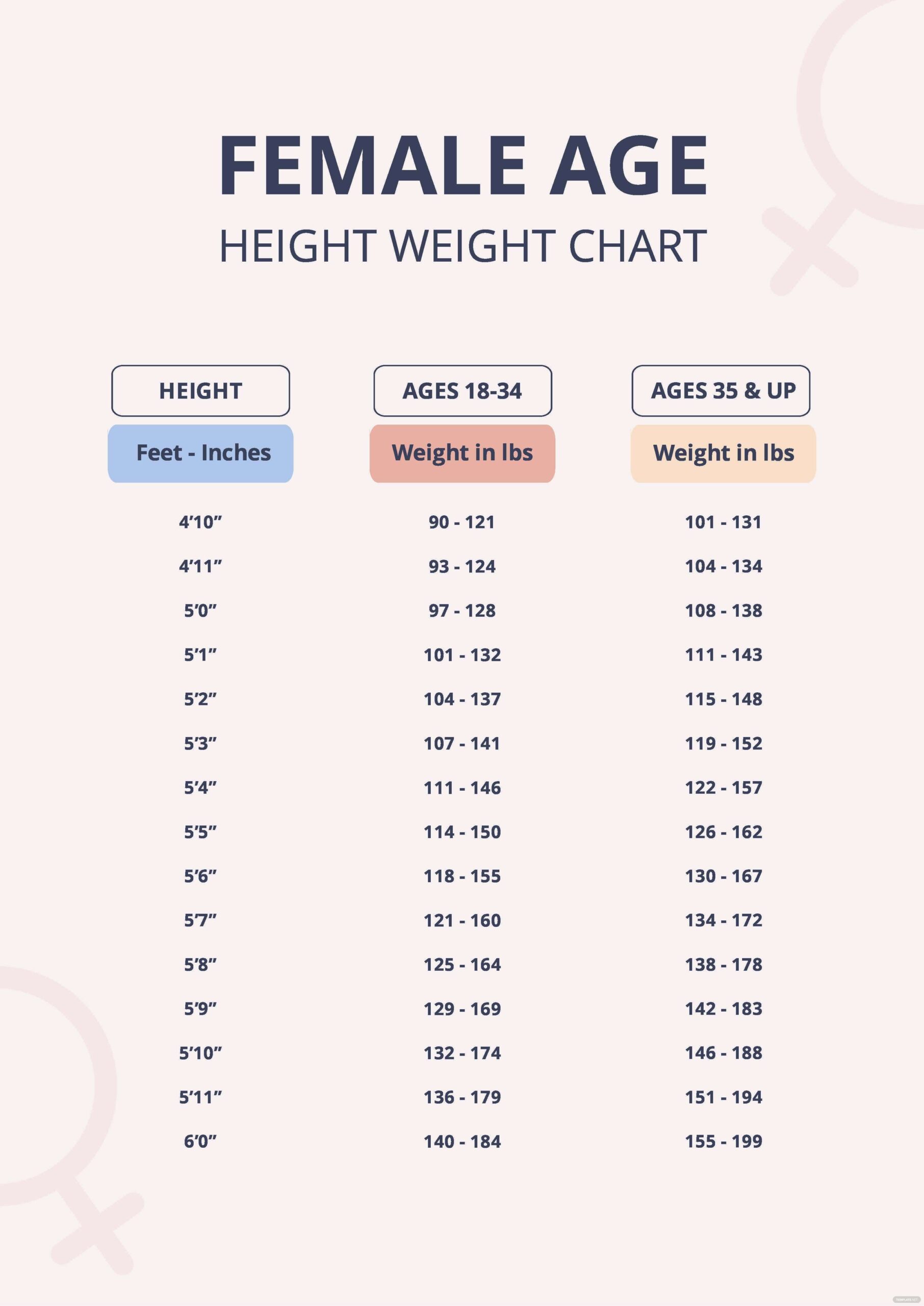
Understanding the Layout of the Healthy Weight For Women Chart
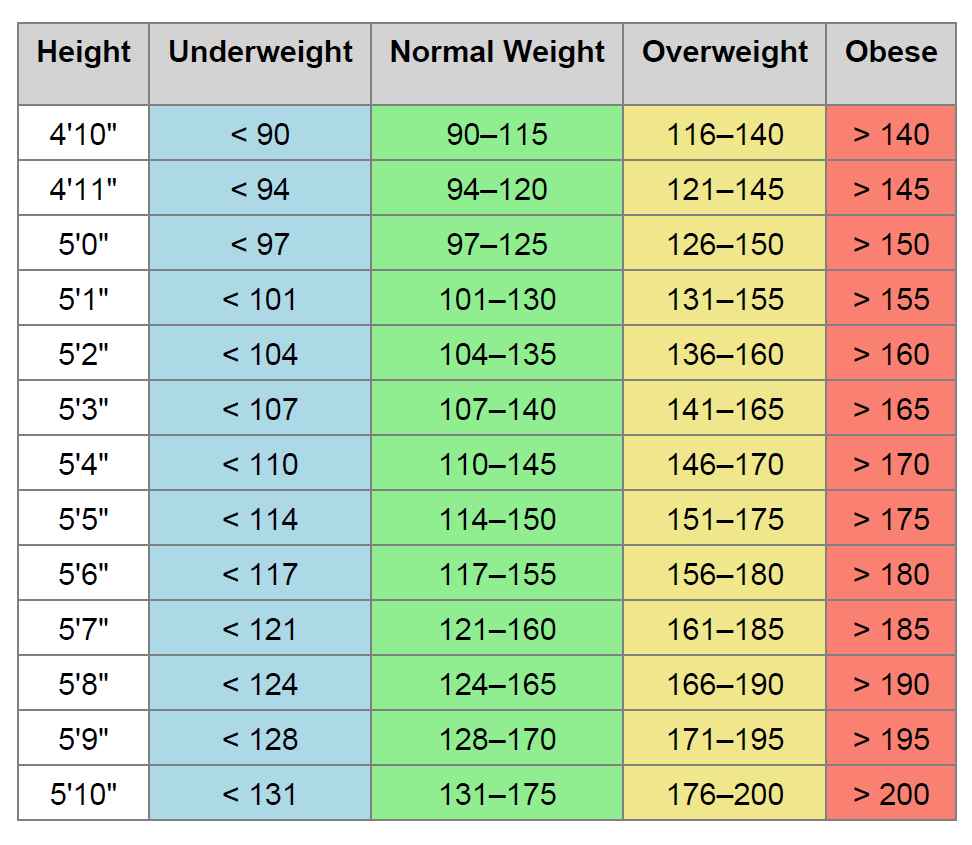
The Healthy Weight For Women Chart typically features a vertical layout, listing heights on one side and corresponding weight ranges on the other. This design makes it easy to locate your height and see the recommended weight range at a glance. Most charts will include a variety of weight categories, such as underweight, normal weight, overweight, and obese, which can help you understand where you fall within these ranges.
When using this chart, it’s important to have your height measured accurately. Stand straight against a wall, and use a flat object to mark your height, then measure the distance from the floor to the mark. This ensures that you’re looking at the correct row on the chart.
How to Fill in Your Healthy Weight For Women Chart
Filling in the Healthy Weight For Women Chart can be an enlightening experience. Start by noting your height in inches or centimeters, depending on the chart format. Next, find the corresponding weight range for your height. This is where the practical aspect of the chart comes into play.
You may want to keep track of your current weight alongside the recommended weight range. Use a simple format such as:
- Height: 5’5″ (165 cm)
- Current Weight: 150 lbs (68 kg)
- Recommended Weight Range: 125-150 lbs (57-68 kg)
This approach allows you to see not only where you stand but also how far you are from your target if you have weight loss goals.
Tracking Your Progress With the Chart
One of the most beneficial aspects of the Healthy Weight For Women Chart is its ability to help you track progress over time. I recommend creating a dedicated space in your planner or a separate worksheet where you can record your weight weekly or monthly. This will give you a visual representation of your journey.
Here’s a simple way to set it up:
- Date: Record the date you weigh yourself.
- Current Weight: Write down your current weight.
- Comparison: Note if you’re within the recommended range, above, or below it.
This method not only helps you see trends but also keeps you motivated. You can celebrate small victories, such as reaching the lower end of your weight range or maintaining your weight within the healthy zone.
Incorporating the Chart Into Your Routine
Using the Healthy Weight For Women Chart isn’t just about numbers; it’s about integrating it into your lifestyle. Consider setting aside a specific time each week to review your chart. This could coincide with your regular weigh-in, making it easier to stay consistent.
Additionally, if you’re working with a healthcare professional, share your chart with them. They can provide insights and advice tailored to your individual health needs. This collaborative approach can enhance your understanding of weight management and health.
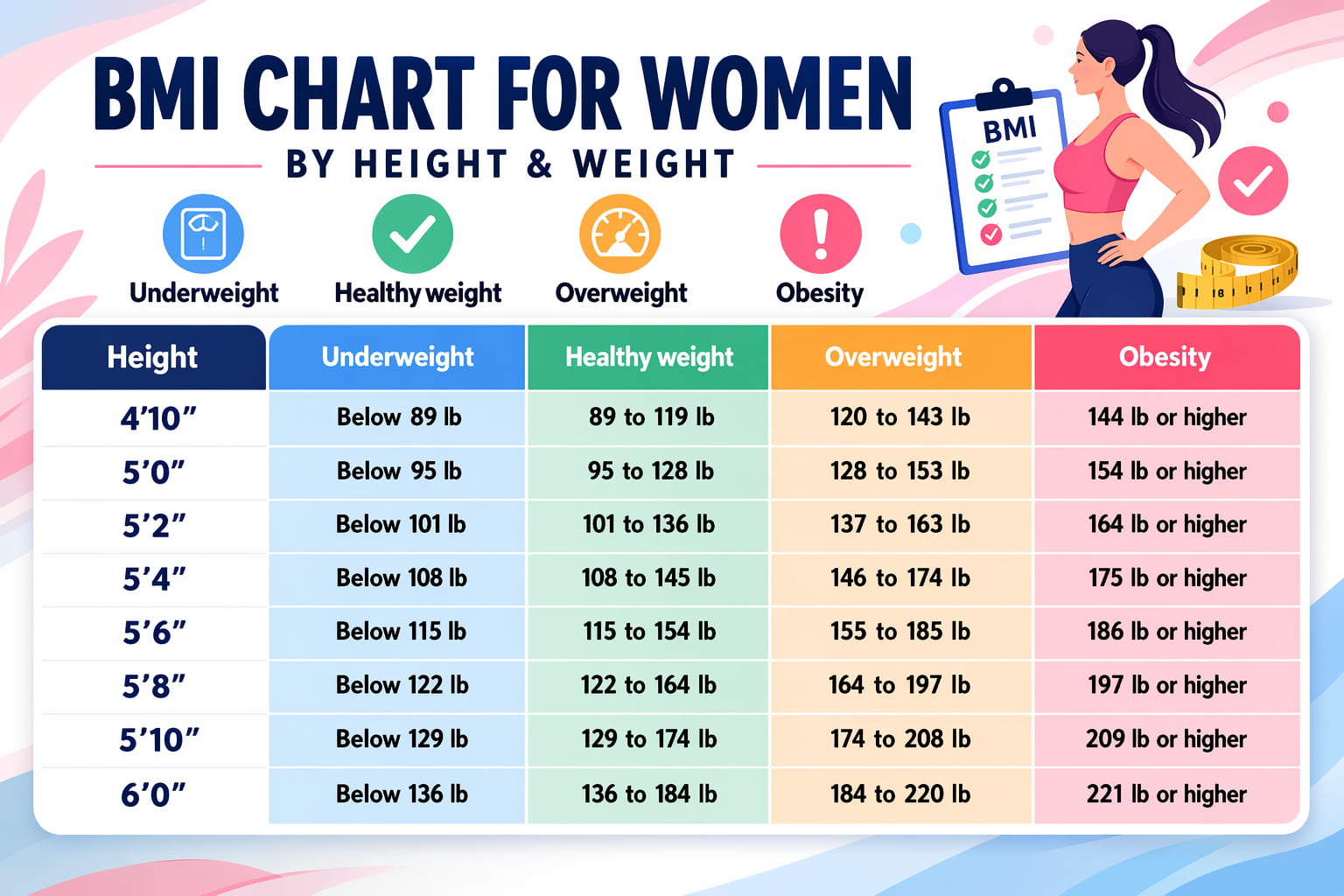
Customizing Your Chart Experience
While the Healthy Weight For Women Chart provides a general guideline, remember that everyone’s body is unique. Factors like muscle mass, bone density, and overall health can influence what a healthy weight looks like for you. Some women may find it helpful to add notes or observations directly on their chart. For instance:
- Note any changes in activity levels that may affect weight.
- Track dietary changes that correspond with weight fluctuations.
This personalized touch can give you deeper insights into how your lifestyle changes impact your health.
In terms of paper choice, consider printing your Healthy Weight For Women Chart on cardstock if you plan to keep it for a long time. Cardstock is more durable and can withstand wear and tear, especially if you’re jotting down notes or tracking progress over time.
