Creating a weight loss plan can feel overwhelming, especially when you’re trying to juggle family meals, busy schedules, and healthy eating. The good news? A Food Chart To Reduce Weight can simplify this process. This handy tool helps you visualize your meal options, track what you eat, and stay accountable to your health goals. Let’s explore how to make the most of this resource and incorporate it into your daily routine.
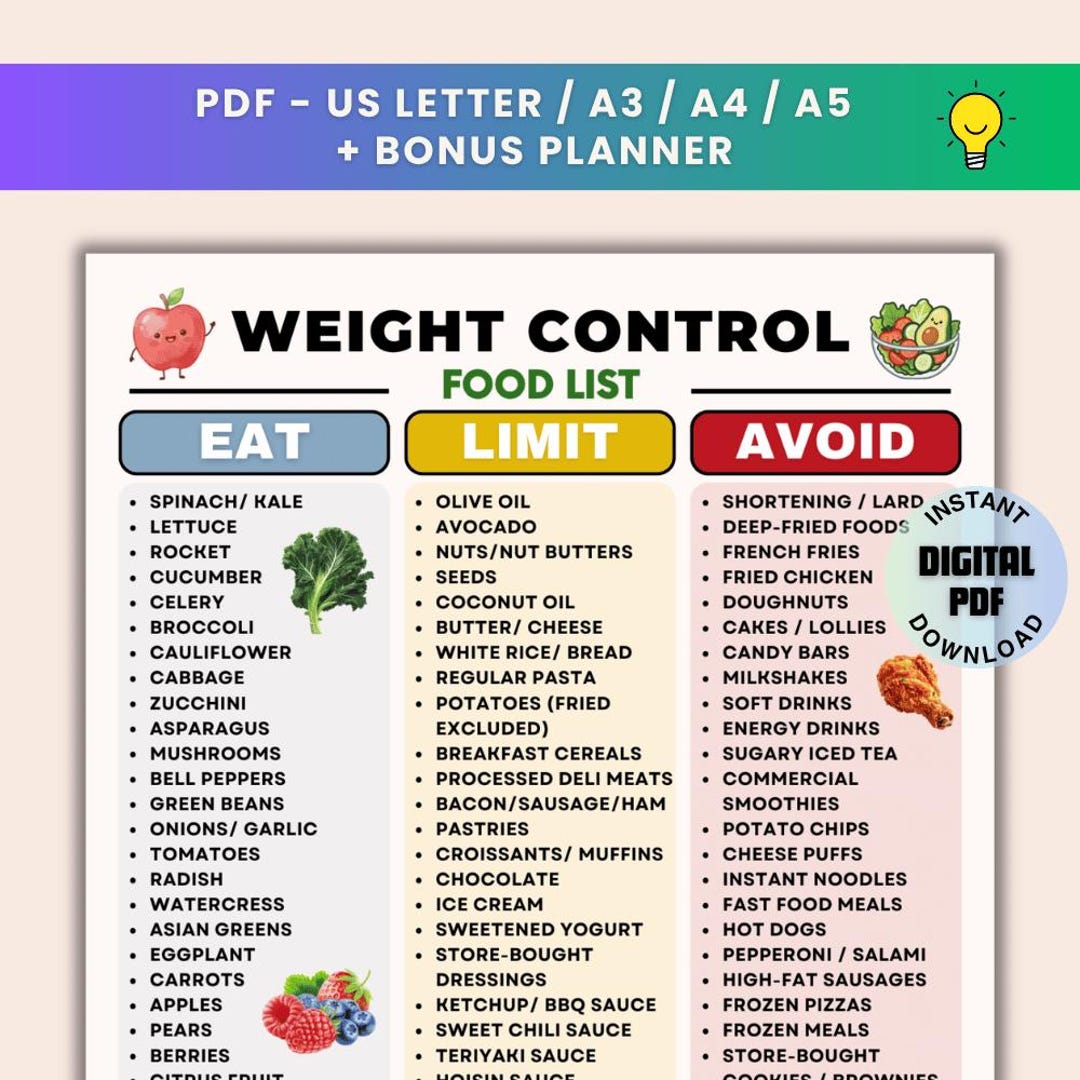
Understanding the Food Chart
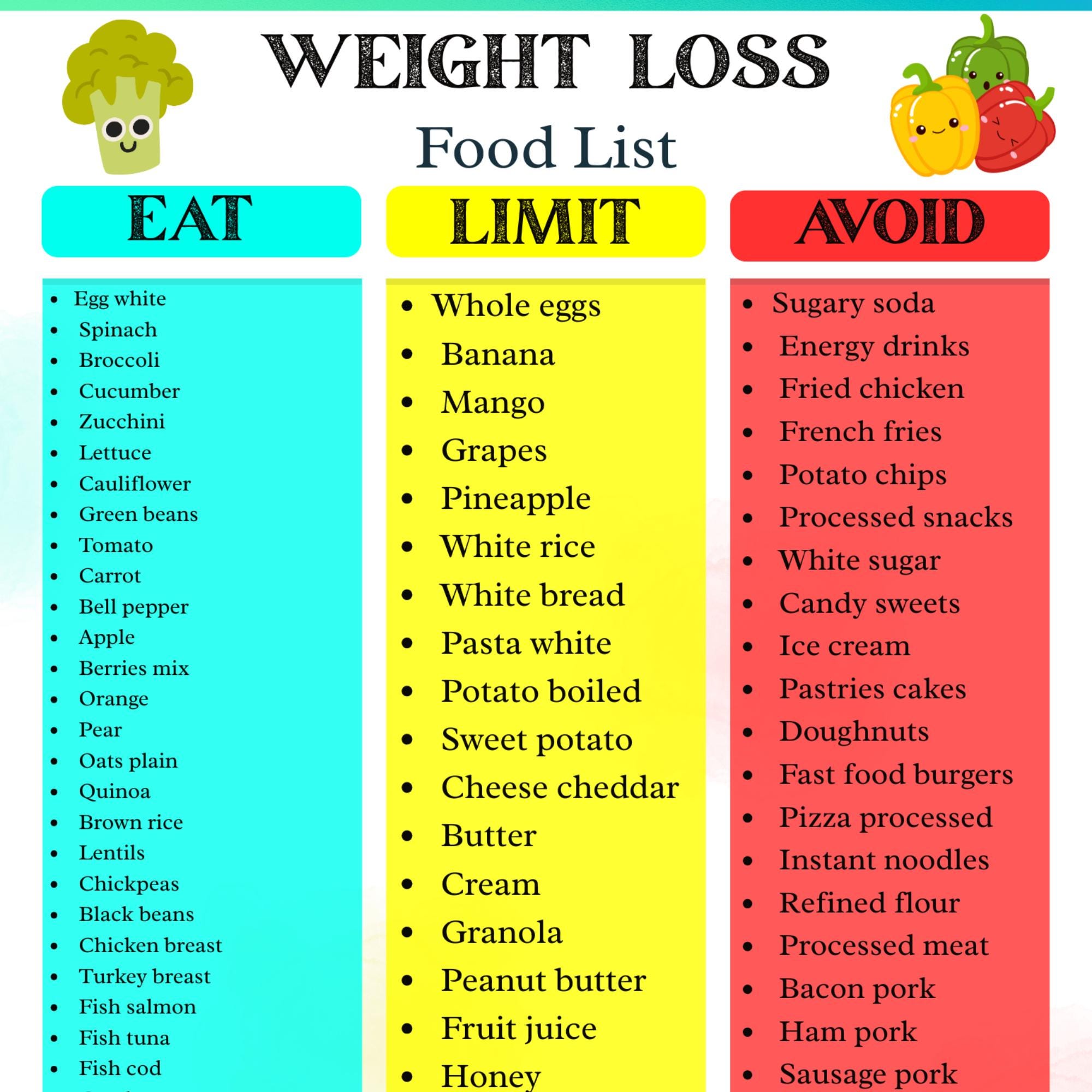
A Food Chart To Reduce Weight typically includes various food categories, portion sizes, and calorie counts. It serves as a quick reference guide to help you make healthier choices. But how do you read it?
- Categories: Most charts are divided into categories like proteins, carbohydrates, fats, and vegetables. This helps you balance your meals.
- Portion Sizes: Each category will show recommended portion sizes, making it easier to manage your intake without constant measuring.
- Calorie Counts: Knowing the calorie content can help you stay within your daily limit.
To get started, download the food chart in your preferred format, whether PDF or image. A printable version works best for quick reference in your kitchen.
Setting Up Your Chart
Before you fill in your Food Chart To Reduce Weight, take a moment to prepare. Here’s a step-by-step process to set it up effectively:
- Gather Your Data: List down your favorite foods from each category. Consider what you already have at home and what you enjoy eating. This will make meal planning much more manageable and enjoyable.
- Plan Your Meals: Use the chart to brainstorm meals for the week. For instance, if you like chicken, pair it with leafy greens and whole grains. Write down the meals next to the corresponding food groups.
- Portion Control: Take a moment to familiarize yourself with the portion sizes on the chart. This will help you serve appropriate amounts when preparing meals.
- Track Progress: As you use the chart, keep a small journal or an app to note any changes in your weight or how you feel. This will help you see what works and what doesn’t.
Utilizing Your Food Chart Daily
Now that your Food Chart To Reduce Weight is set up, it’s time to implement it into your daily life. Here’s how you can use it effectively:
- Meal Planning: Start each week by reviewing your chart. Plan out breakfast, lunch, and dinner based on the food categories. Make sure to include a mix for balanced nutrition.
- Grocery Shopping: Take your chart with you when shopping. Stick to the items you’ve listed to avoid impulse buys. This will help keep your pantry stocked with healthy options.
- Cooking and Serving: When preparing meals, use your chart as a guide for portion sizes. This will not only help you eat healthier but also prevent food waste.
- Stay Flexible: Life can be unpredictable, especially for parents. Don’t stress if you need to swap out a meal. Just make sure to stay within your food categories and portion sizes.
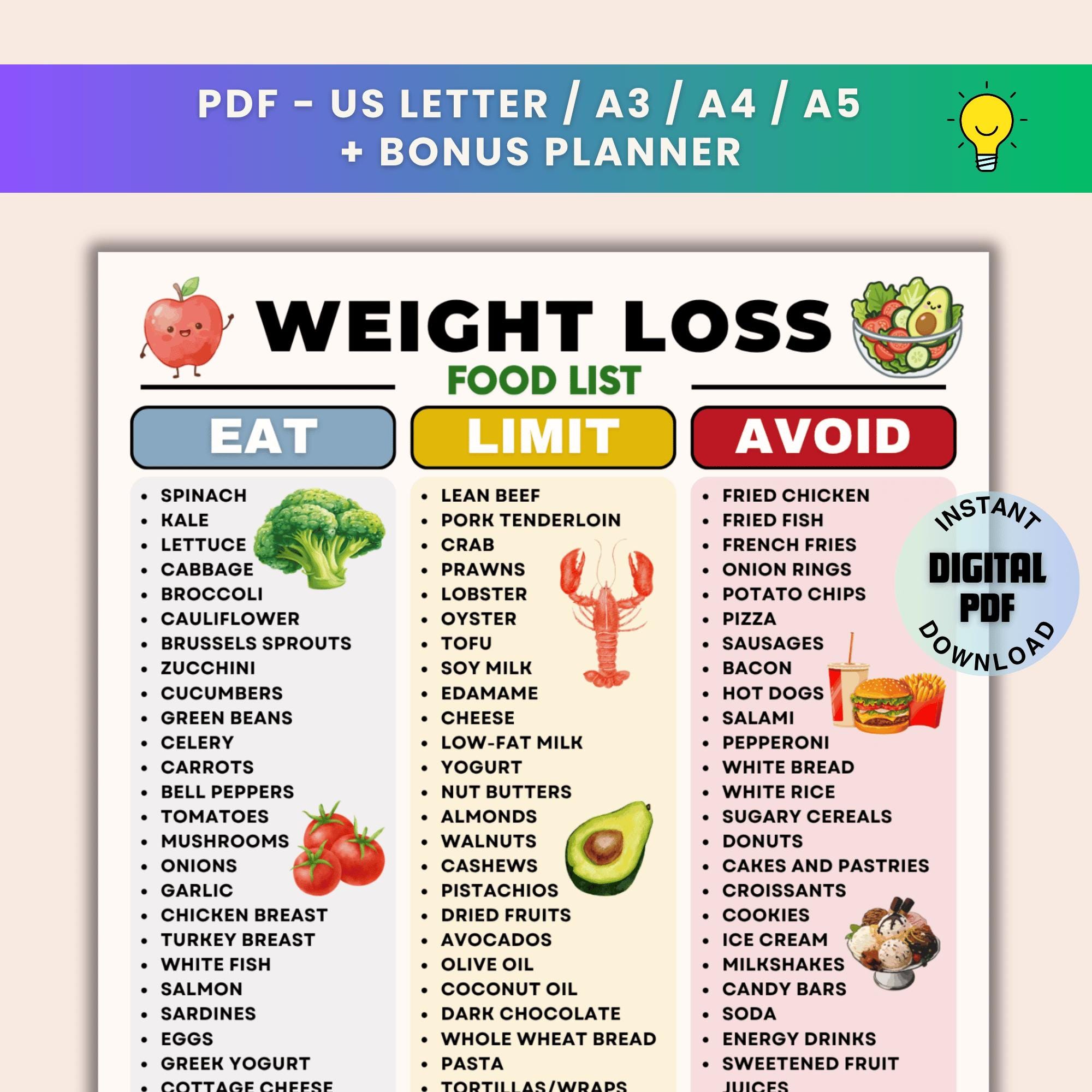
Reviewing and Adjusting Your Chart
As you progress on your weight loss journey, it’s important to review your Food Chart To Reduce Weight periodically. Here’s how to adjust it based on your needs:
- Evaluate What Works: After a few weeks, look at your weight loss progress. What meals did you enjoy? Were there any foods you didn’t like? This will help you refine your chart.
- Incorporate New Foods: If you find yourself getting bored, add new foods to your chart. Experiment with seasonal fruits and vegetables to keep things fresh.
- Adjust Portion Sizes: If you’re feeling hungry or overly full, tweak your portion sizes. Everyone’s body is different, so listen to your hunger cues.
- Seek Support: If you’re struggling, don’t hesitate to reach out for help. Whether it’s a nutritionist, a friend, or an online community, support can make a big difference.
Using a Food Chart To Reduce Weight doesn’t have to be a chore. With a little planning and creativity, it can become a fun part of your routine. Whether you’re a busy parent or just looking for ways to eat healthier, this resource can help you stay on track.
So, grab your chart, and start planning your meals! You’ll be surprised at how much easier it becomes to stay committed to your goals.
