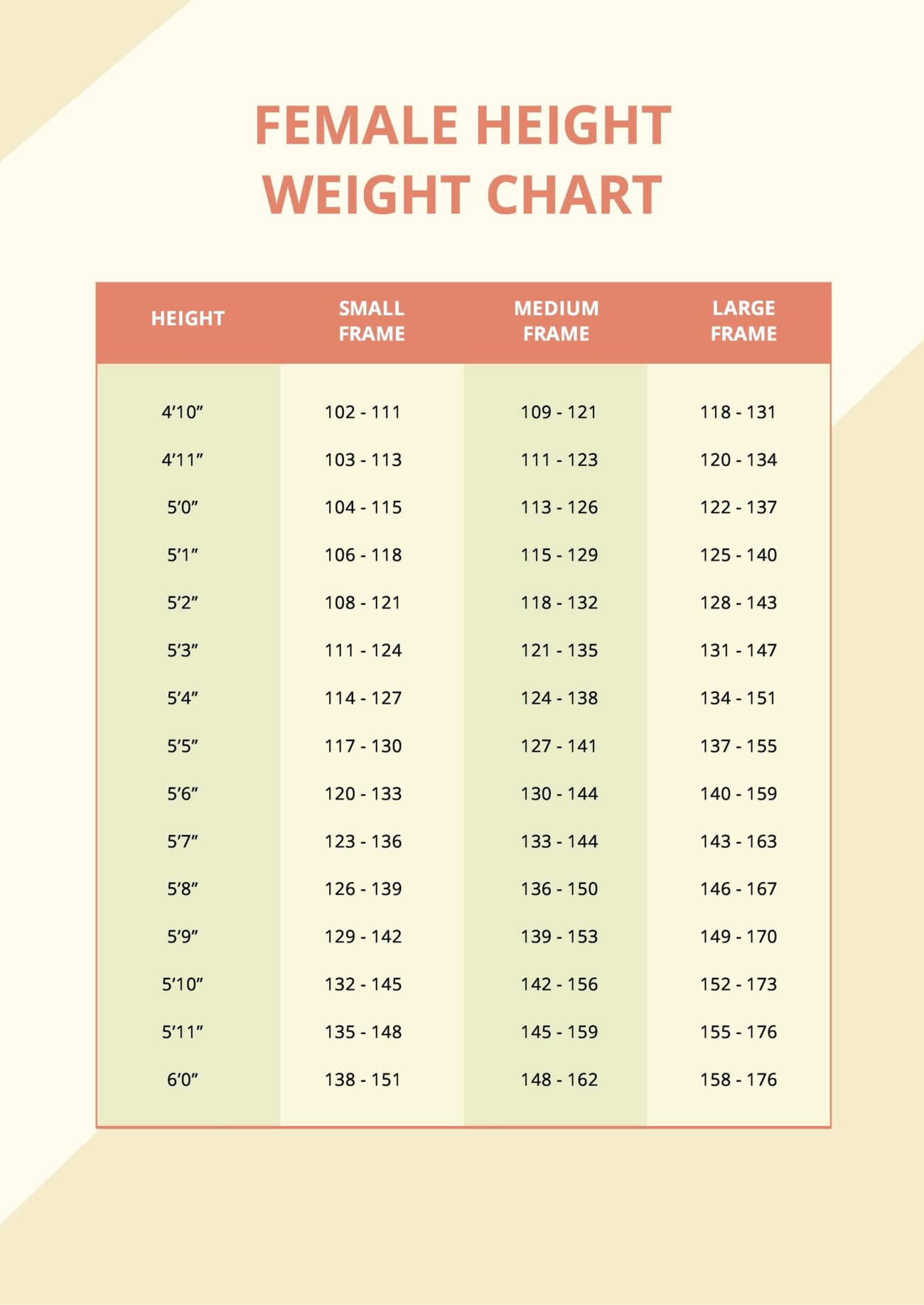
Understanding your weight in relation to your height is crucial for maintaining a healthy lifestyle. A Female Weight To Height Chart is an invaluable tool for parents looking to help their daughters establish healthy habits from a young age. This chart provides a clear visual representation of the appropriate weight ranges for different heights, making it easier to track growth and overall well-being.
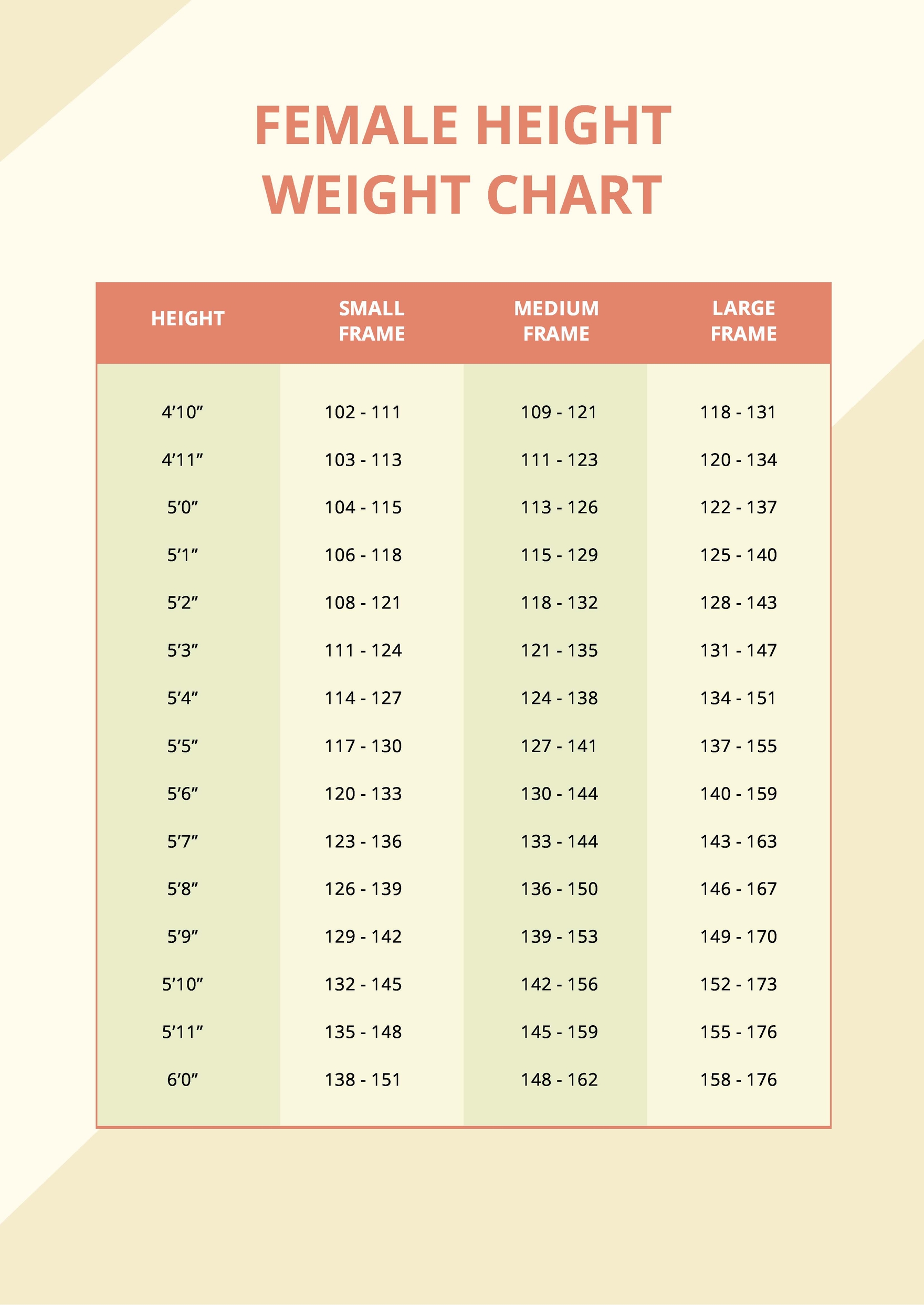
What is a Female Weight To Height Chart?
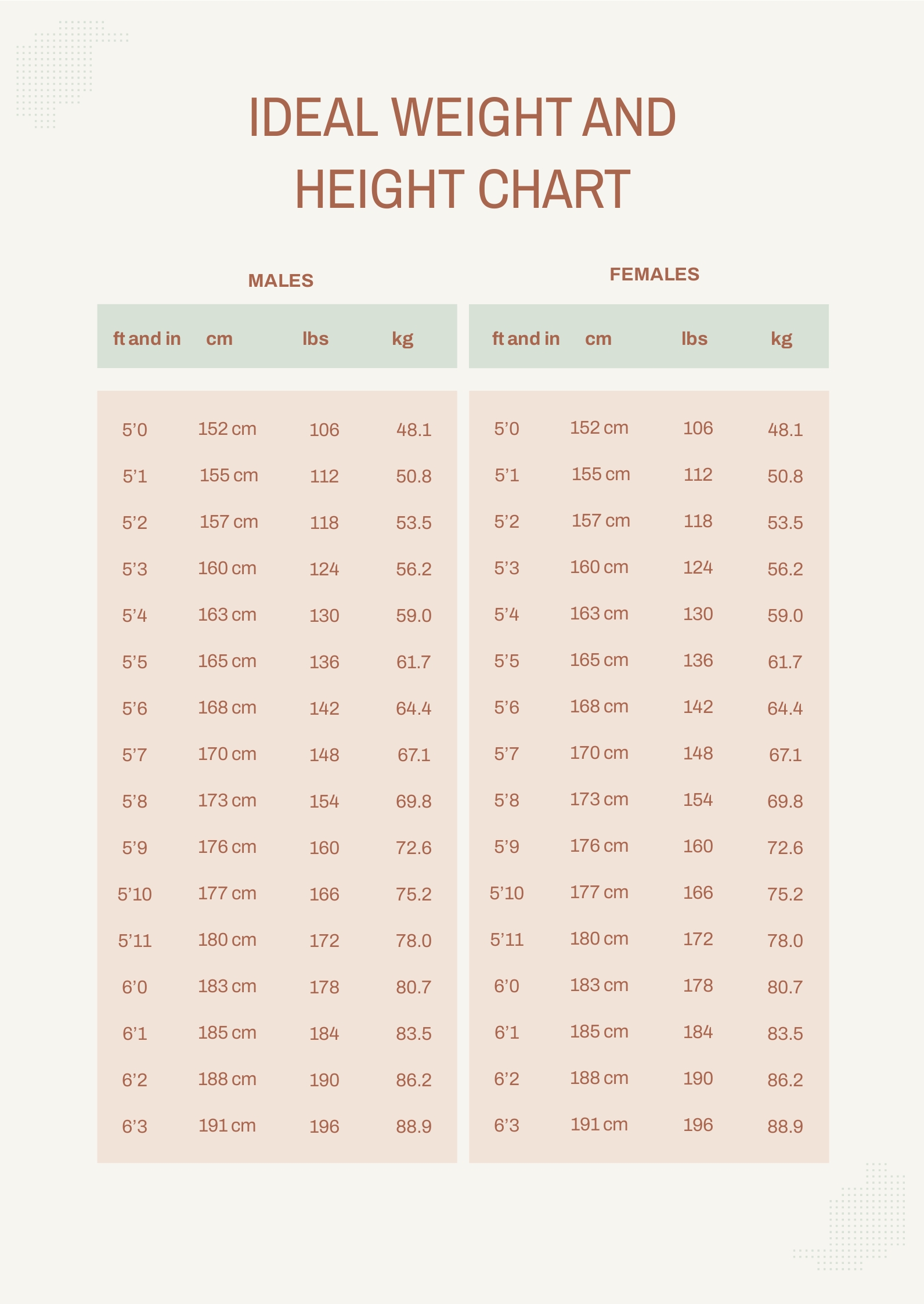
A Female Weight To Height Chart is a graphical representation that displays the ideal weight ranges for women based on their height. Typically, this chart includes a range of heights and corresponding weights, helping individuals understand where they fall within a healthy range. It’s designed to promote awareness of body composition and encourage healthy lifestyle choices.
This chart is particularly useful for parents who want to guide their daughters as they navigate growth spurts and changes in their bodies. It offers a straightforward reference point that can be easily accessed and understood.
How to Use the Chart Effectively
Using the Female Weight To Height Chart is simple. Here’s a step-by-step guide:
- Find the Height: Locate your daughter’s height on the left side of the chart. Heights are usually listed in inches or centimeters, so ensure you’re using the correct measurement.
- Identify the Weight Range: Once you find the height, look across the row to see the corresponding weight range. Each height will have a range to account for different body types—this is important for understanding that healthy can look different on everyone.
- Discuss the Findings: Talk with your daughter about what the numbers mean. It’s essential to frame this conversation positively, emphasizing health and fitness rather than solely focusing on numbers.
- Monitor Growth: Use the chart regularly to track changes as your daughter grows. This can help in identifying trends and understanding when to seek further guidance from a healthcare professional if necessary.
- Encourage Healthy Habits: Use the information from the chart to instill healthy habits, such as balanced eating and regular physical activity.
Presentation Quality and Printing Tips
When printing the Female Weight To Height Chart, consider the following tips to ensure it’s clear and usable:
- Paper Type: Use standard printing paper for everyday use. However, if you plan to laminate the chart for durability, cardstock is a better option. It holds up well and can withstand frequent handling.
- Print Settings: Choose a high-quality print setting to ensure all text and numbers are legible. A portrait layout typically works best, as it allows for clearer visibility of the chart’s rows and columns.
- Size Matters: The chart should be printed in a size that’s easy to read at a glance. A full-page print (8.5 x 11 inches) is usually ideal, but you can adjust based on your space and preference.
- Color vs. Black and White: While color prints can be visually appealing, black and white prints are often clearer for charts. Ensure the contrast is good enough to distinguish between different weight ranges easily.
When to Consult a Professional
While the Female Weight To Height Chart provides a great starting point for understanding healthy weight ranges, it’s essential to remember that every individual is unique. If your daughter consistently falls outside the recommended weight range or if you have concerns about her growth patterns, consider consulting a healthcare professional. They can offer personalized advice and help address any underlying issues.
Regular check-ups with a pediatrician are also beneficial. They can monitor growth and development and provide tailored recommendations that go beyond the chart.
Adapting the Chart for Personal Use
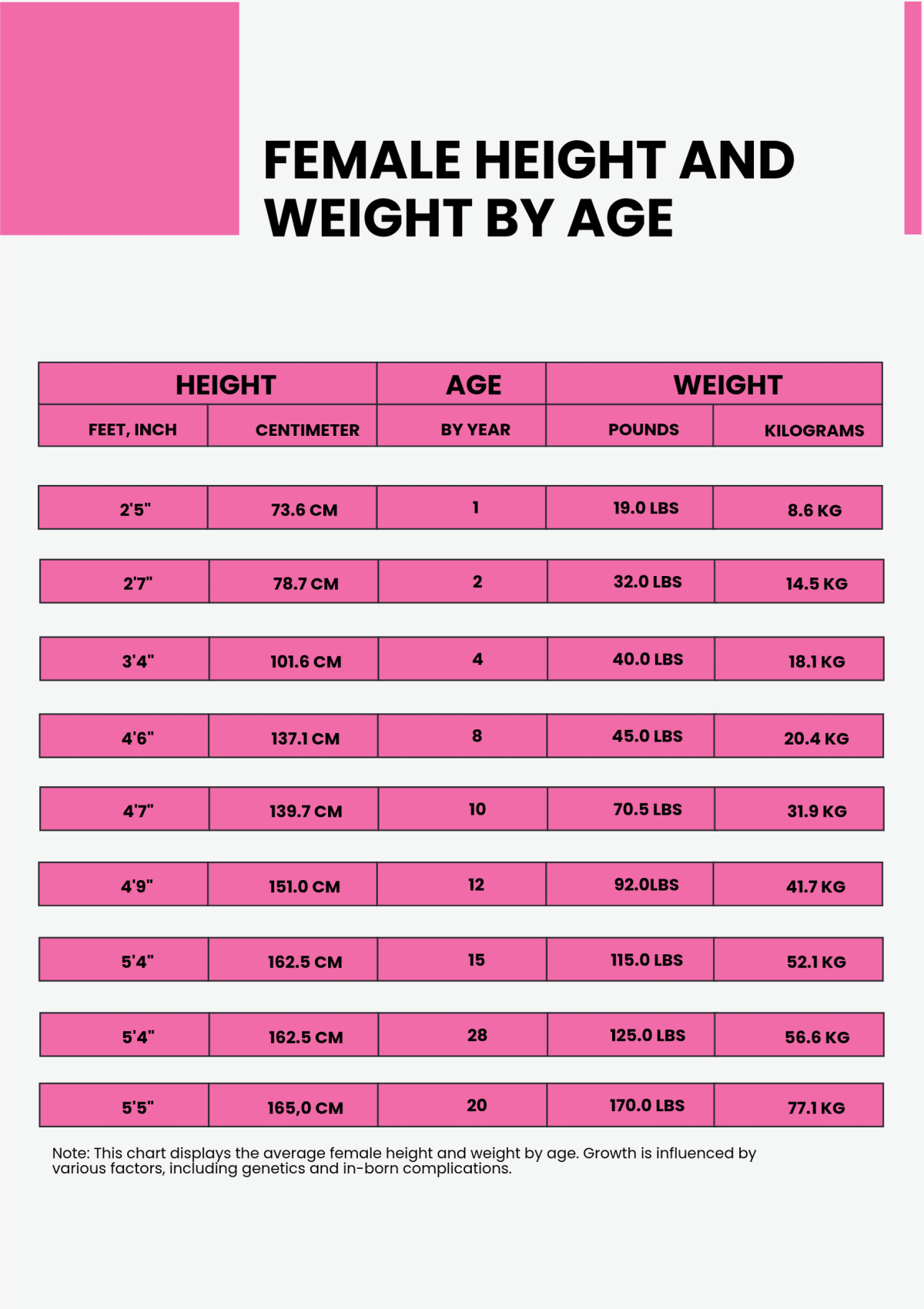
Feel free to adapt the Female Weight To Height Chart to better suit your needs. You can annotate it with notes about your daughter’s growth milestones, or even add motivational quotes to encourage a positive relationship with her body image.
If you prefer a more interactive approach, consider creating a growth tracker alongside the chart. This could involve noting her height and weight over time, which can help visualize her growth journey and foster open conversations about health and wellness.
By actively engaging with the chart and adapting it to your family’s needs, you can create a supportive environment that encourages healthy habits and self-esteem.
Now that you have a thorough understanding of how to use the Female Weight To Height Chart, consider downloading and printing it for your household. It’s a simple yet effective tool that can guide your family toward healthier choices and a better understanding of body positivity.
