Tracking your child’s growth can be both exciting and daunting. A 1 Year Old Weight Chart is a fantastic tool to help you monitor your baby’s weight and ensure they are developing as expected. With this chart, you can easily see if your child is within a healthy weight range, which is crucial for their overall development.
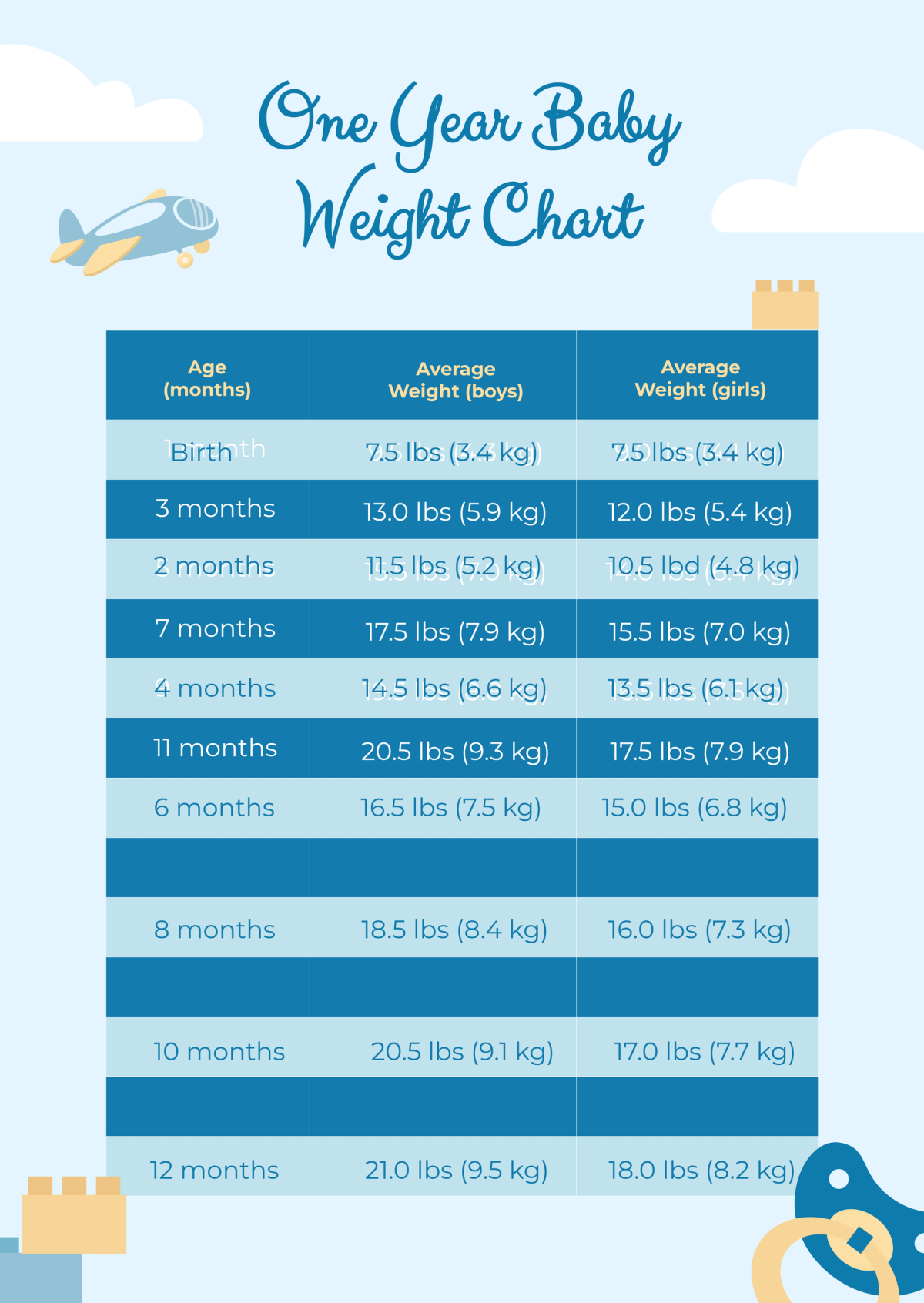
Understanding the 1 Year Old Weight Chart
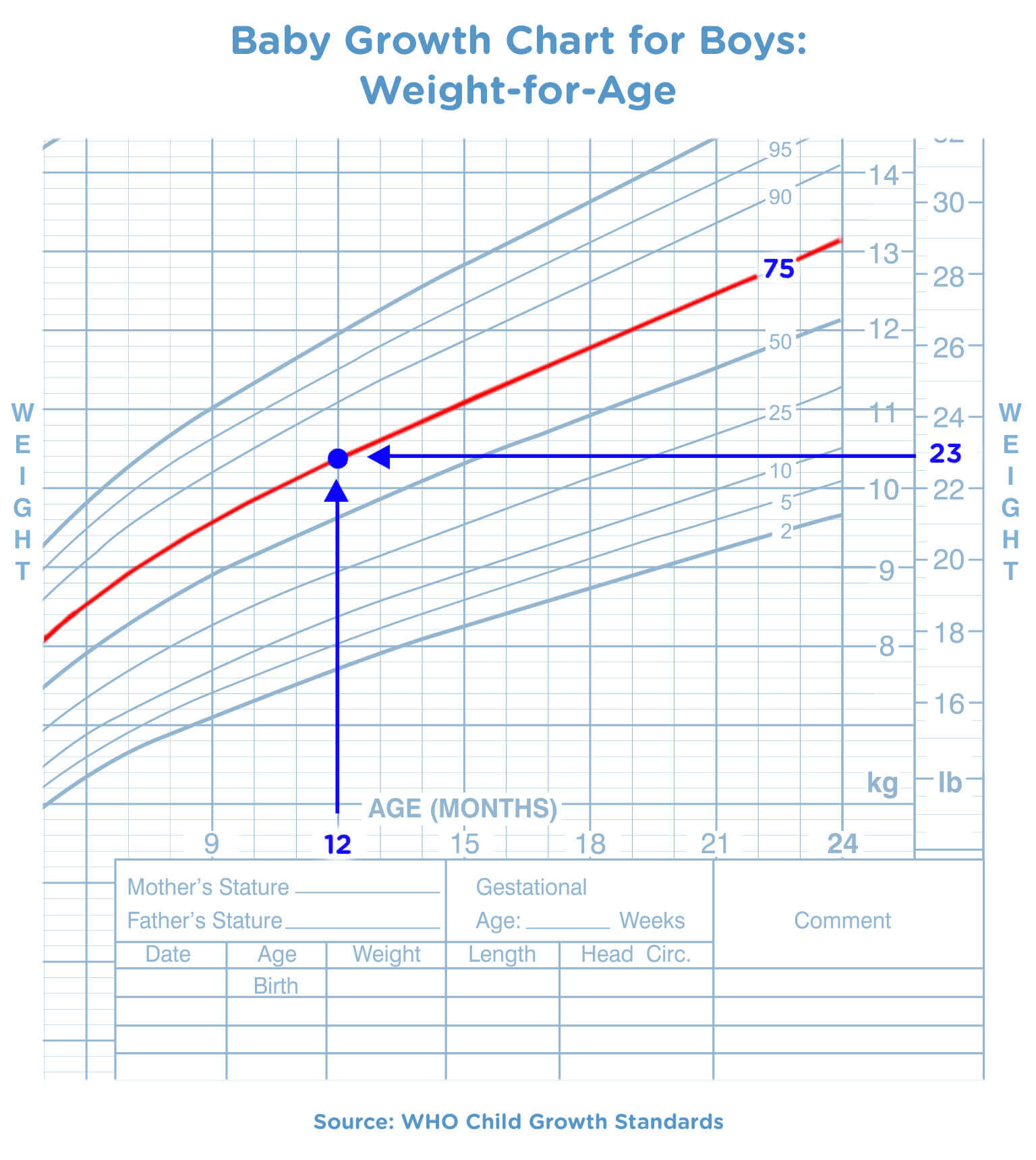
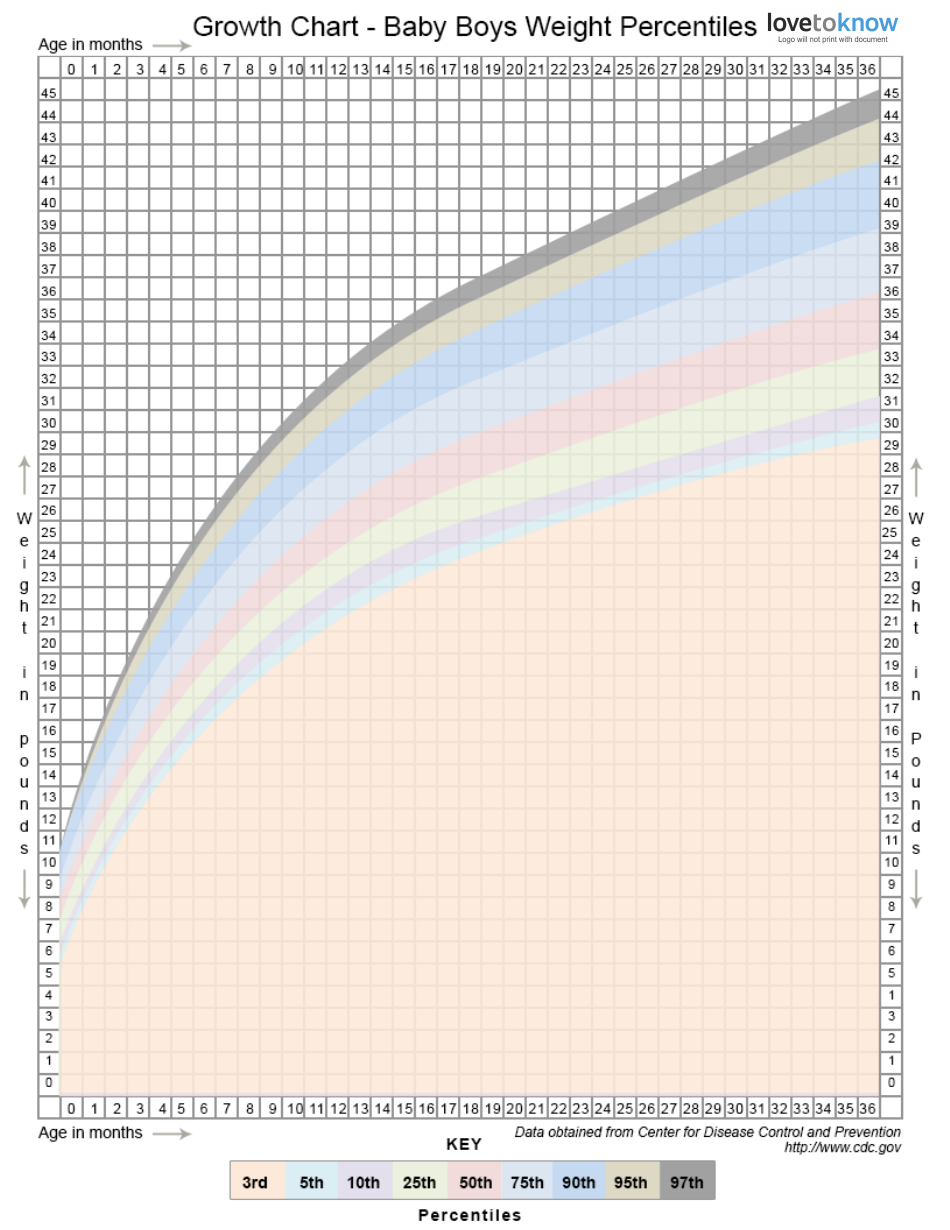
The 1 Year Old Weight Chart typically displays weight percentiles for boys and girls at various ages, including 12 months. These percentiles indicate how your child’s weight compares to other children of the same age and sex. For instance, if your child is at the 50th percentile, they weigh more than 50% of children their age.
To use the chart effectively, you’ll need to gather some essential information:
- Your child’s exact weight
- Their age in months
- Whether they are male or female
Having this data on hand before you begin will make the process smoother. Simply locate your child’s age on the chart and find their weight to see where they fall in the percentile range.
How to Read the Chart
Reading a 1 Year Old Weight Chart is straightforward once you understand the layout. Here’s how to interpret the information:
- Locate the Age: Start by finding the column that corresponds to your child’s age, which for this chart is typically 12 months.
- Find the Weight: Move across that row to find your child’s weight.
- Check the Percentiles: The chart will have several lines, each representing a different percentile (e.g., 5th, 10th, 25th, 50th, 75th, 90th, and 95th). If your child’s weight falls below the 5th percentile or above the 95th percentile, it’s advisable to consult with a pediatrician.
By understanding where your child falls within these percentiles, you can gain insights into their growth patterns and determine if they need any additional support or guidance.
Best Practices for Using the Chart
To make the most of your 1 Year Old Weight Chart, consider the following tips:
- Regular Weigh-Ins: Weigh your child regularly, ideally once a month, to track their growth accurately. This will provide you with a clearer picture of their development over time.
- Use a Consistent Scale: Whenever possible, use the same scale to avoid discrepancies. Different scales can yield different results.
- Document Changes: Keep a record of your child’s weight and the corresponding date. This can help you visualize growth trends and provide valuable information for your pediatrician during check-ups.
When to Consult a Pediatrician
While the 1 Year Old Weight Chart is an excellent tool, there are times when you should seek professional advice. If you observe any of the following, it may be time to consult a pediatrician:
- Your child consistently falls below the 5th percentile or above the 95th percentile.
- There are sudden changes in weight, either loss or gain.
- Your child seems lethargic or shows signs of poor nutrition.
A pediatrician can provide tailored guidance to ensure your child is healthy and developing as expected.
Additional Resources
In addition to the 1 Year Old Weight Chart, there are many other printable resources you can use to support your child’s growth and development. Consider downloading:
- Growth Tracking Worksheets: These can help you log your child’s height and weight over time.
- Healthy Eating Planners: These templates can guide you in planning nutritious meals that support your child’s growth.
- Developmental Milestones Checklists: Keep track of important milestones your child should reach in their first year.
These resources not only help you stay organized but also provide a comprehensive view of your child’s health and well-being.
By using the 1 Year Old Weight Chart and these additional resources, you can actively participate in your child’s growth journey. This proactive approach will give you peace of mind and help ensure your little one is on track for a healthy future.
