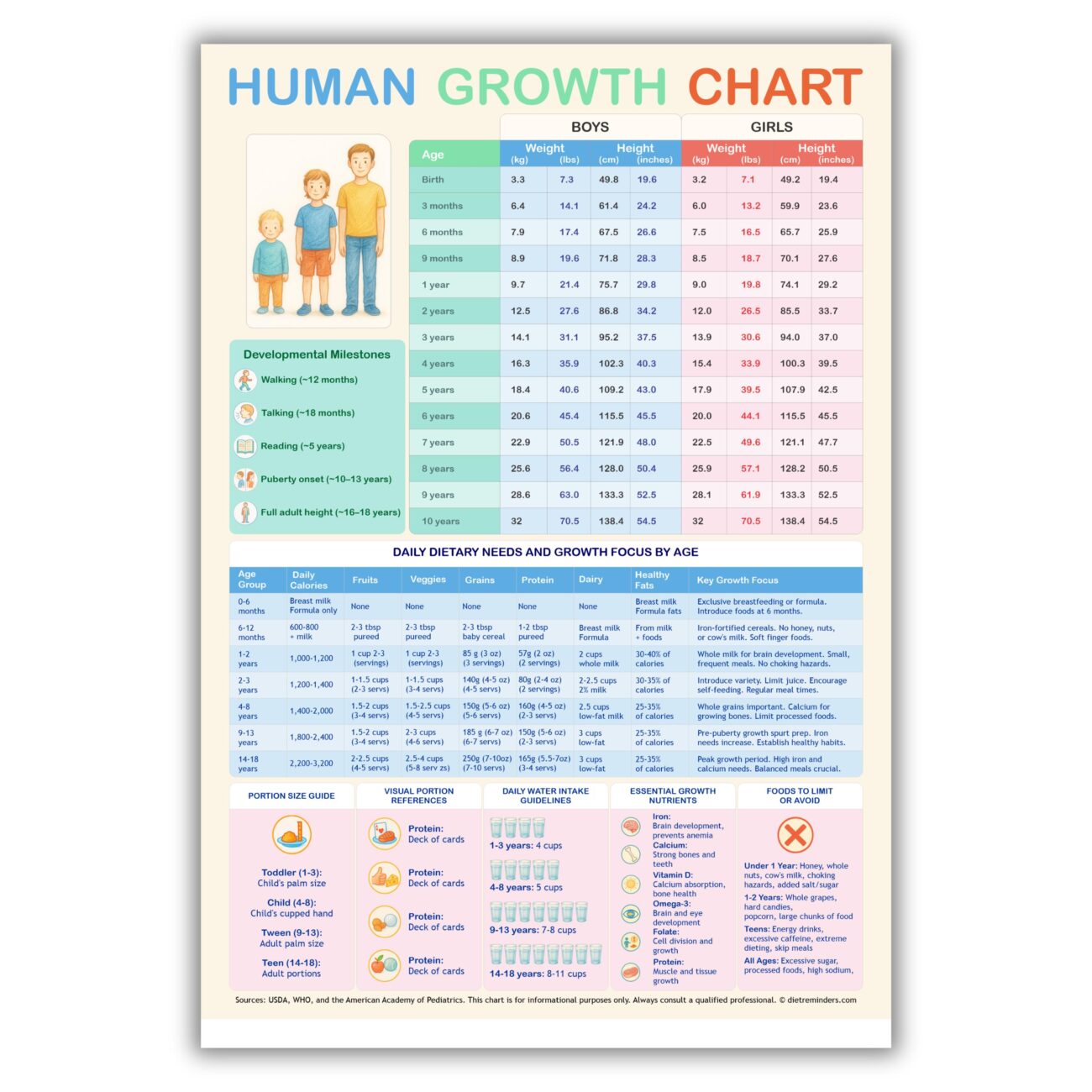
Using a Pediatric Weight And Height Chart can be an essential tool for parents wanting to monitor their child’s growth and development. This chart typically includes age-specific percentiles that help you understand how your child compares to others in the same age group. By organizing weight and height data, you can better assess whether your child is growing at a healthy rate.
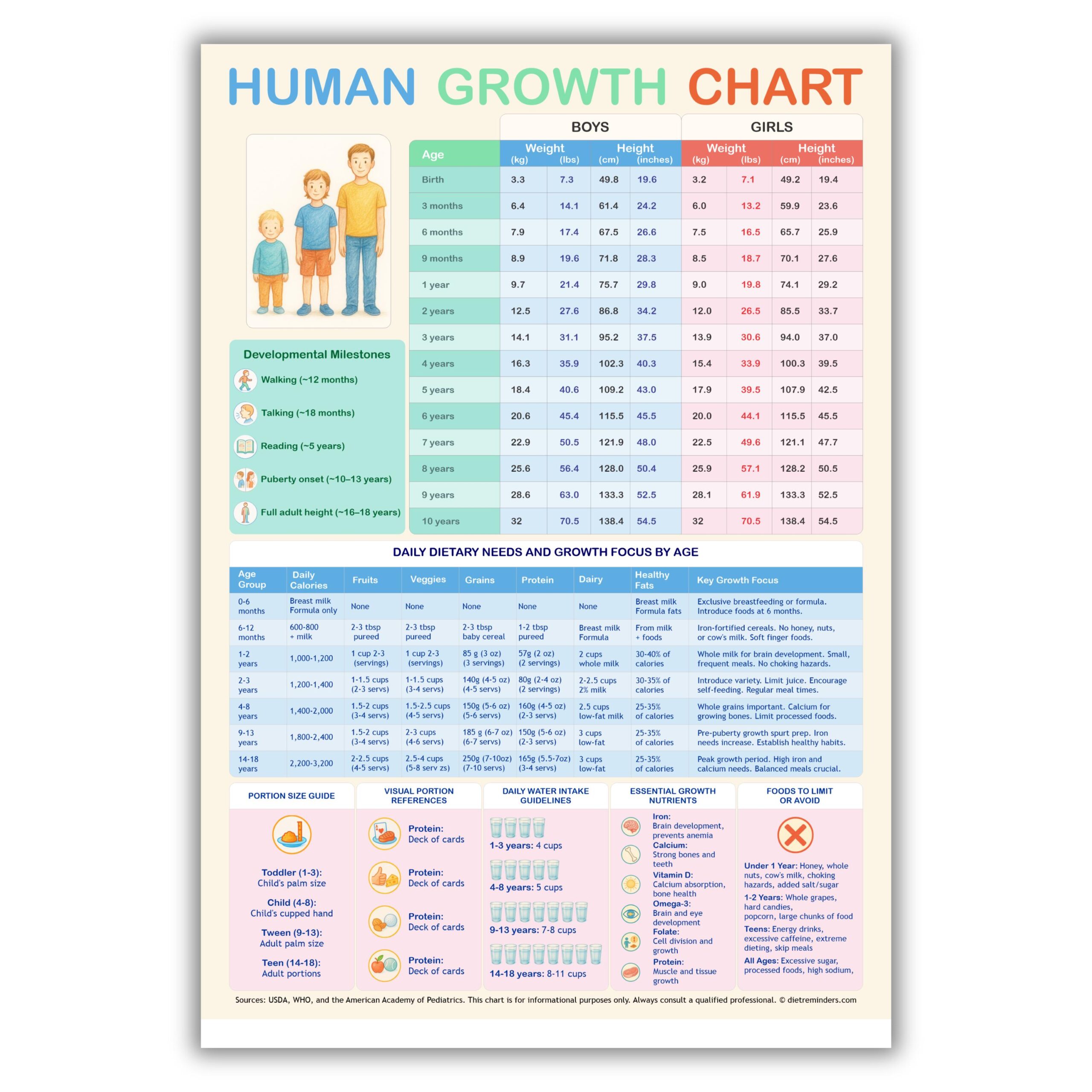
Understanding the Layout of a Pediatric Weight And Height Chart
A Pediatric Weight And Height Chart is usually structured in a grid format, with age along one axis and height and weight percentiles along the other. The chart is designed to help you easily visualize where your child stands compared to standard growth patterns.
Key Sections of the Chart
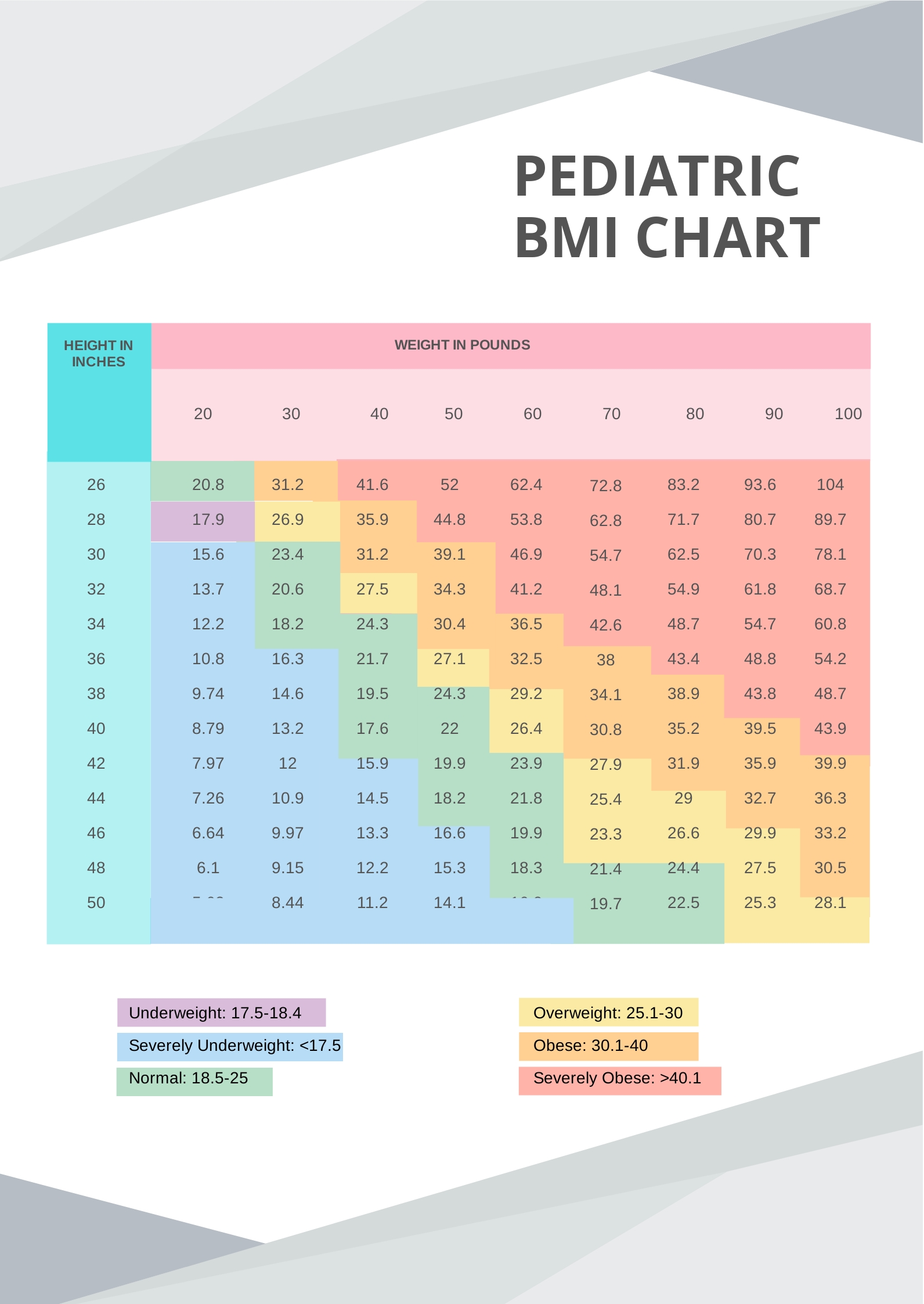
- Age Range: This section lists the various ages, often from birth to 18 years. It allows you to find the corresponding height and weight data for your child’s specific age.
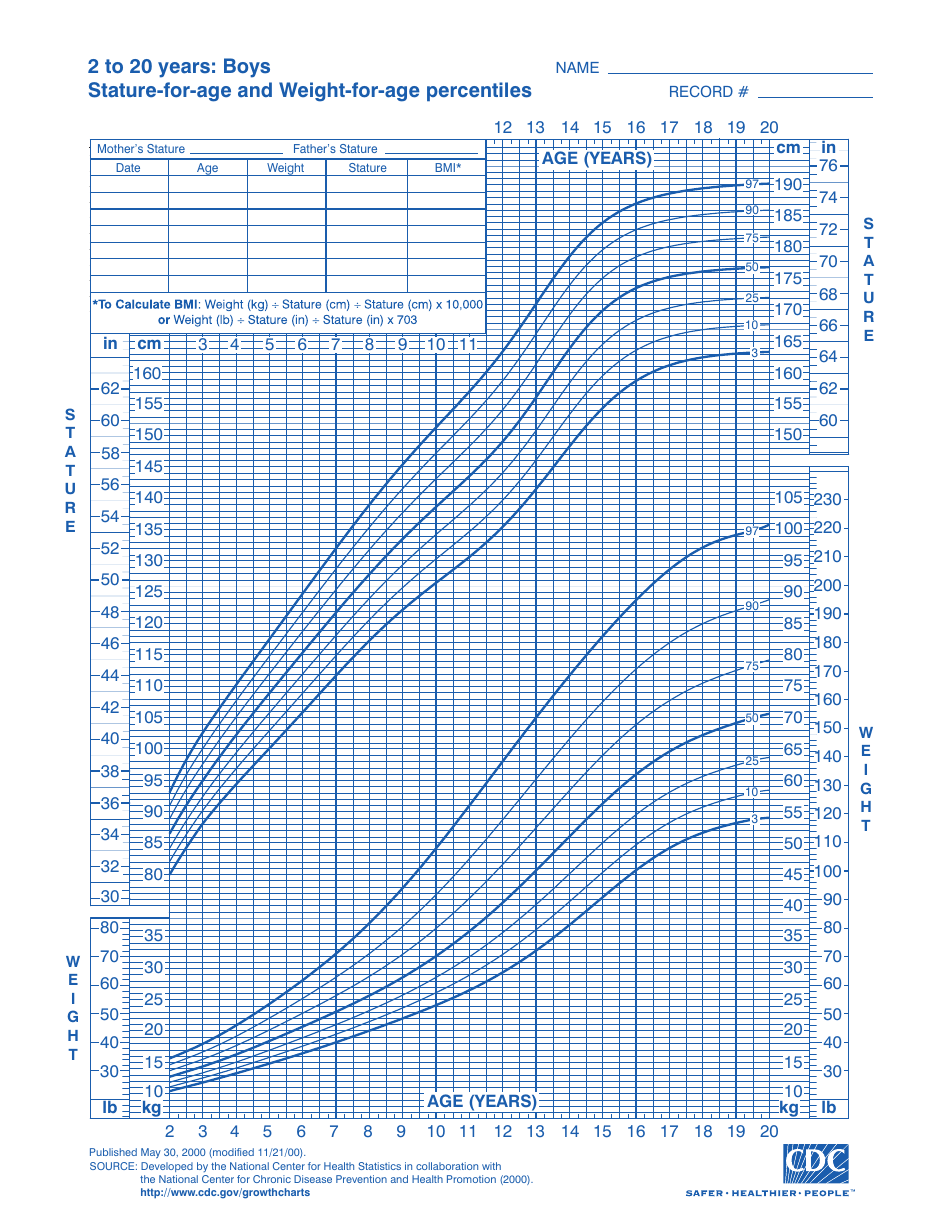
- Percentile Lines: The chart features several lines indicating different percentiles (like the 5th, 50th, and 95th percentiles). These lines help you see if your child is below, above, or at the average growth trends for their age group.
- Height and Weight Columns: This area displays the height and weight measurements. You can plot your child’s measurements here to see how they align with the percentiles.
- Growth Tracking: Some charts may include areas for you to write down your child’s measurements over time, making it easier to track growth trends at home.
How to Use the Pediatric Weight And Height Chart Effectively
Using the chart is straightforward, but a few steps can enhance your experience. Start by measuring your child’s height and weight accurately. Here are some tips on how to do this:
- Height Measurement: Stand your child against a flat wall, ensuring their heels are touching the wall. Use a flat object like a book to gently press down on the top of their head to get an accurate reading.
- Weight Measurement: Use a digital scale for precise weight measurement. Make sure the scale is on a flat surface and that your child is standing still.
Once you have the measurements, locate your child’s age on the chart. Draw a dot at the intersection of the height and weight measurements to see where they fall on the percentiles. This visual representation can be particularly helpful to quickly assess growth patterns.
Common Mistakes to Avoid
When using a Pediatric Weight And Height Chart, there are a few common pitfalls to watch out for:
- Inconsistent Measurements: Make sure to measure your child under the same conditions each time. For instance, measure at the same time of day and use the same scale for weight.
- Ignoring Growth Patterns: Growth can vary significantly from year to year. Instead of focusing on one measurement, look for trends over time. A single measurement may not accurately reflect your child’s overall growth.
- Comparing to Peers: Each child grows at their own pace. While it’s helpful to use the chart as a guideline, avoid making comparisons to other children. Focus instead on your child’s individual growth trajectory.
Integrating the Chart Into Your Routine
Incorporating the Pediatric Weight And Height Chart into your routine can create a positive habit for both you and your child. Here’s how to do it:
- Regular Check-Ins: Set a recurring date (like a birthday or the start of each school year) to measure your child’s height and weight. This creates a consistent routine and helps you keep track of their growth.
- Discuss Growth: Use the chart as a conversation starter. Talk with your child about their growth, what it means, and celebrate milestones together. This can help them develop a healthy relationship with their body.
- Share with Healthcare Providers: Bring the chart to your child’s regular check-ups. This can help your pediatrician see growth trends and address any concerns you might have.
- Visual Progress: Consider using the chart to create a visual growth timeline. You can take photos of your child next to the chart at different ages, making it a fun way to document their growth journey.
Choosing the Right Format for Your Needs
The Pediatric Weight And Height Chart can often be found in different formats, such as printable PDFs, interactive online tools, or even as part of parenting apps. Each format has its benefits:
- Printable Charts: Great for keeping a physical copy at home. You can easily write in your measurements and keep them handy.
- Interactive Online Tools: These often allow you to input your child’s data and generate graphs for easier visualization.
- Apps: Some parenting apps track growth and send reminders for when to measure your child, integrating seamlessly into your life.
Choose the format that best fits your lifestyle and preferences. Whether you prefer a digital option or a printed version, the goal is to make tracking your child’s growth as easy as possible.
By utilizing a Pediatric Weight And Height Chart effectively, you can ensure that your child’s growth is on track while fostering healthy habits and conversations about health and wellness.
