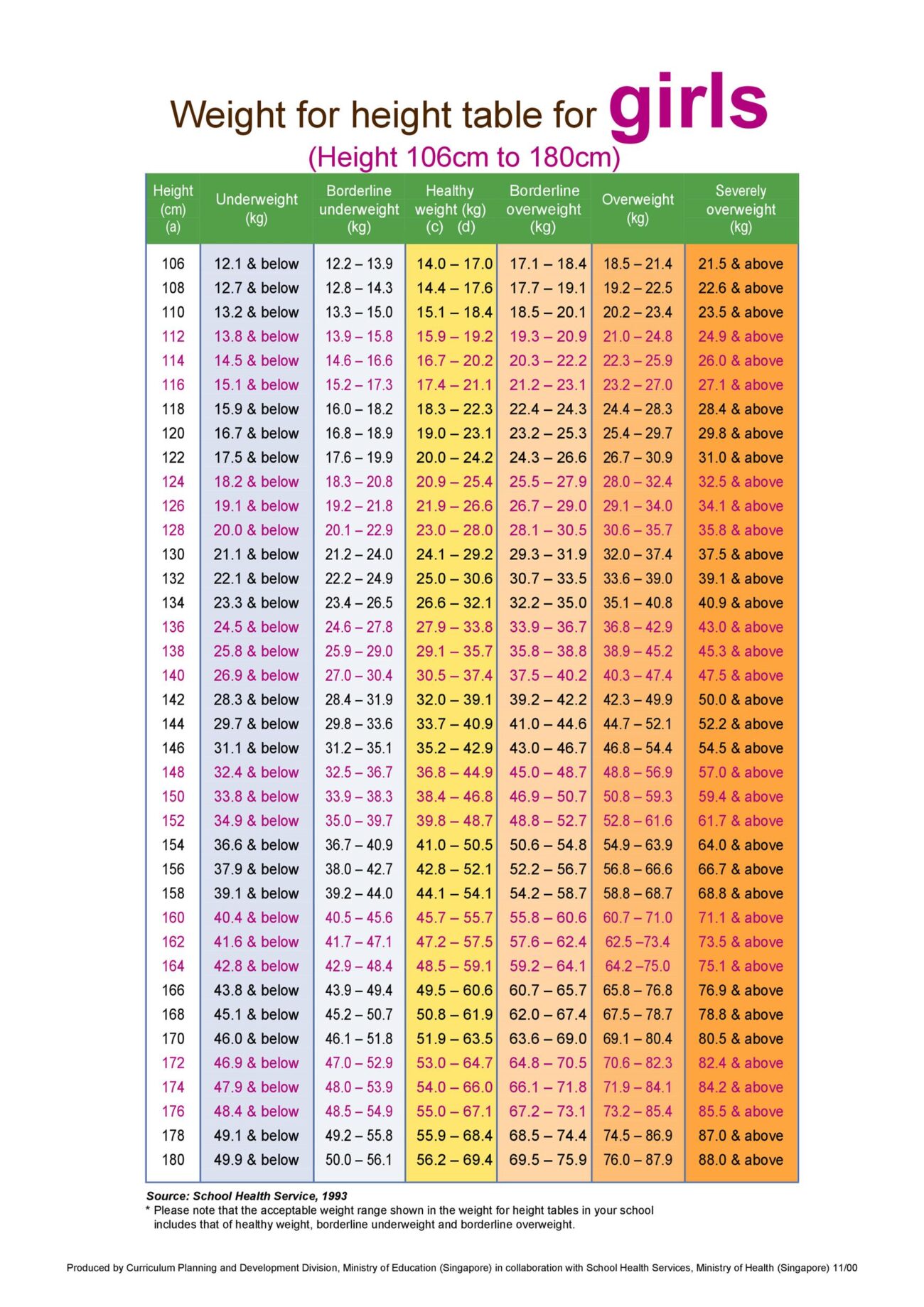
Understanding where you stand in terms of weight can be a pivotal part of your health and wellness journey. A 5’8 to weight chart provides a clear visual guide to help you understand what weight range is considered healthy for someone of that height. If you are aiming to shed a few pounds or maintain a healthy weight, this chart can serve as a useful tool in your planning and organizing efforts.
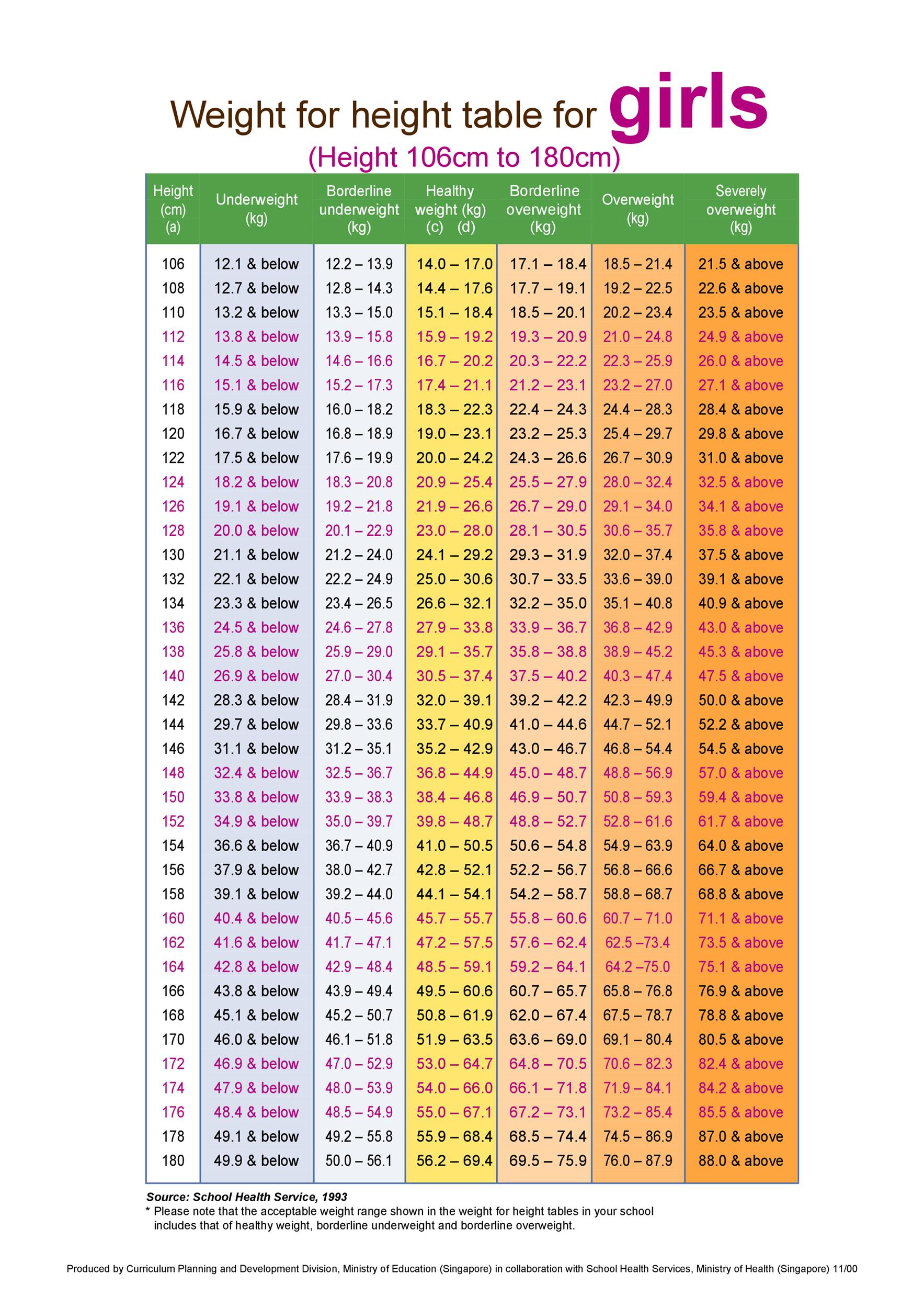
What is a 5’8 to Weight Chart?
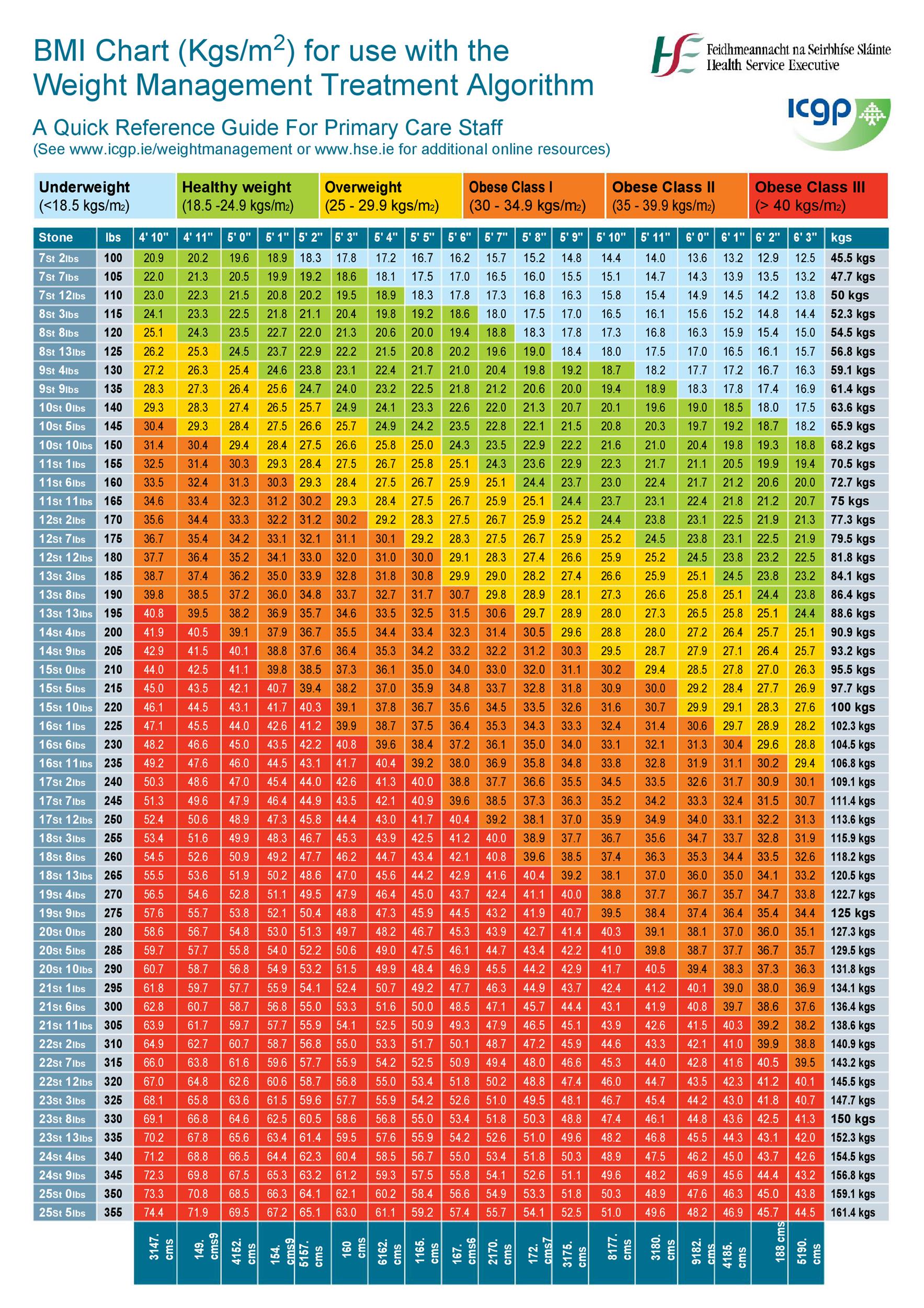
At its core, a 5’8 to weight chart is a reference tool that outlines the weight ranges considered healthy for individuals who are 5 feet 8 inches tall. This chart typically includes various weight categories such as underweight, normal weight, overweight, and obese, based on Body Mass Index (BMI) calculations. By looking at this chart, you can quickly assess where you fall within these categories and make informed decisions about your health.
When using this chart, it’s essential to understand that it serves as a guideline. Factors like muscle mass, body composition, and overall health also play significant roles in determining your ideal weight.
How to Read the Chart
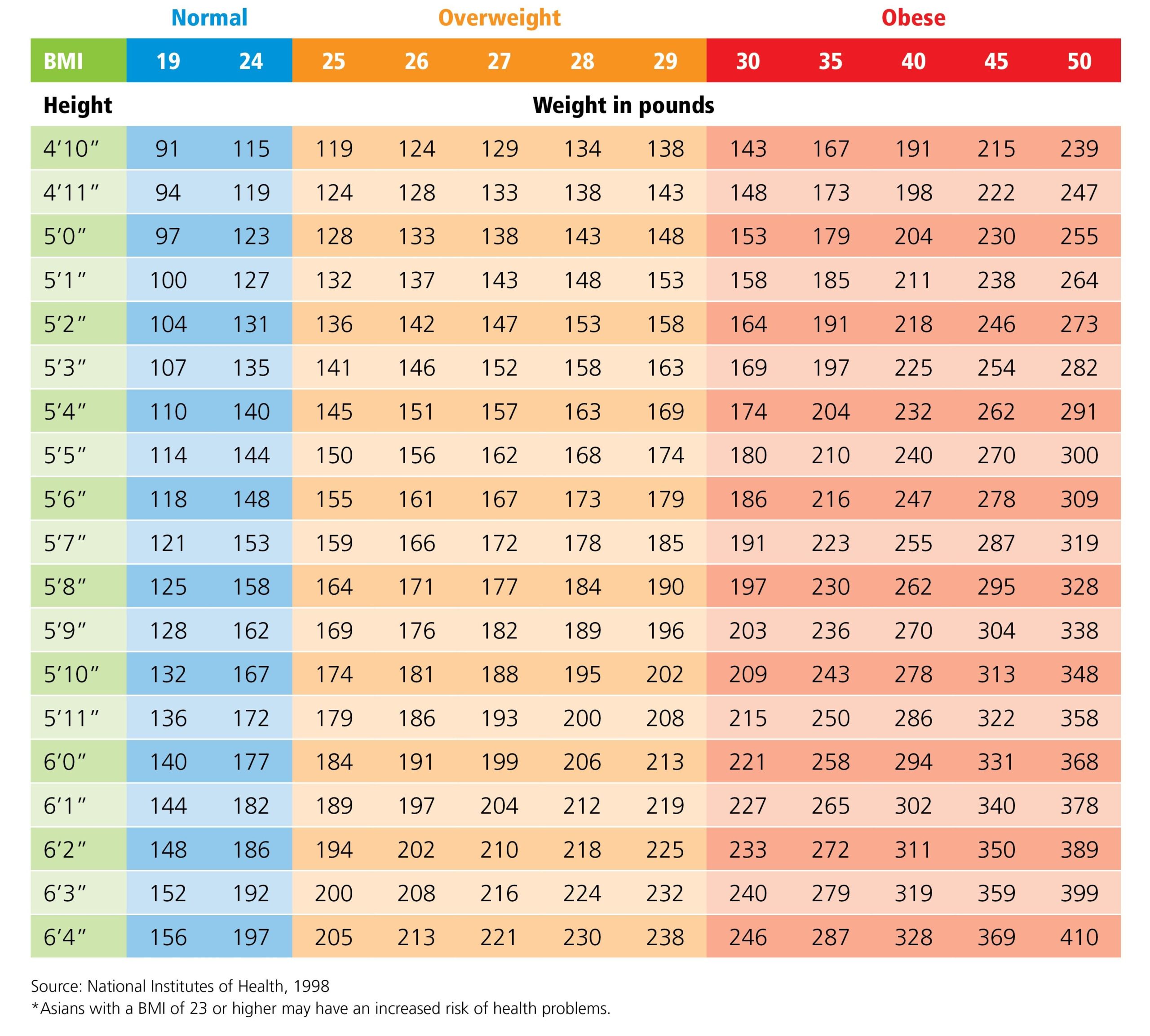
Reading the 5’8 to weight chart is straightforward. The vertical axis usually lists weight in pounds, while the horizontal axis might categorize weight ranges according to BMI. Here’s a simple breakdown of what you might see:
- Underweight: Typically defined as a BMI under 18.5
- Normal Weight: A BMI between 18.5 and 24.9
- Overweight: A BMI between 25 and 29.9
- Obesity: A BMI of 30 or higher
To determine your BMI, you can use the formula:
BMI = weight (lbs) / (height (inches) x height (inches)) x 703.
Once you calculate your BMI, locate it on the chart to see which category you fall into. This will help you understand if you’re in a healthy range or if adjustments are needed.
Using the Chart for Planning
Integrating the 5’8 to weight chart into your planning routine can be incredibly beneficial. Here’s how to make the most of this resource:
- Set Realistic Goals: Knowing your healthy weight range helps you set achievable weight goals. Instead of aiming for an arbitrary number, focus on what’s healthy for your height.
- Track Progress: You can create a printable version of the chart and mark your current weight and target weight. This visual representation can motivate you to stay on track.
- Adjust Your Diet and Exercise: Once you know your ideal weight, tailor your meal plans and workout routines accordingly. Aiming for a healthy weight often requires a combination of balanced nutrition and regular physical activity.
- Consult with Professionals: If you have specific health concerns, consider discussing your findings from the chart with a healthcare professional or a registered dietitian. They can provide personalized advice based on your unique health situation.
Printable Resources for Your Chart
Having a physical copy of the 5’8 to weight chart can enhance your planning. You can easily print it out and keep it visible in your kitchen or home office. Here are some tips for creating a useful printable resource:
- Use Clear Fonts: Make sure the text is easily readable. A larger font size can help with visibility.
- Include Color Coding: Different colors for each weight category can make it easier to visualize where you stand.
- Add a Space for Notes: Consider leaving a section where you can jot down your current weight, goals, or any changes you observe over time.
You might also want to create a fillable PDF version of the chart. This allows you to fill in your weight digitally, which can be useful for tracking over time without needing to reprint.
Digital Vs. Print Completion
When deciding between digital and printed versions of the 5’8 to weight chart, consider your personal preferences and lifestyle.
- Digital Version: A fillable PDF can be a great option if you prefer using your tablet or computer. You can access it from anywhere, and it won’t take up physical space. Plus, you can easily update your weight without needing to print again.
- Printed Version: If you like to have something tangible, printing the chart can be satisfying. It’s easy to jot down notes or make annotations. And, having it on your fridge or in your planner can serve as a daily reminder of your health goals.
Both options have their advantages, so choose the one that aligns best with how you plan to use the chart in your daily routine.
