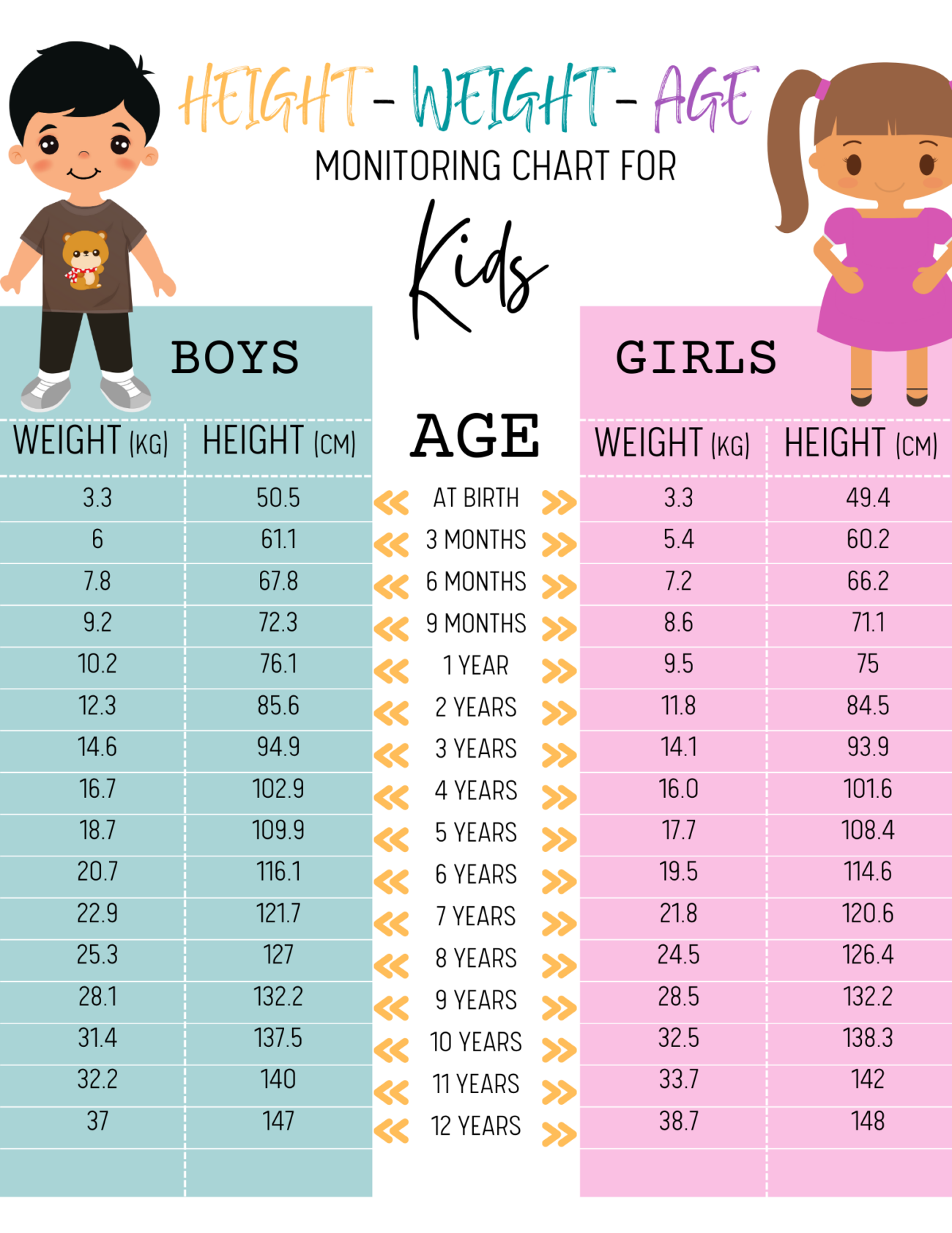
Tracking the growth of children is essential for parents and caregivers. A Height And Weight Chart For Children provides a straightforward way to monitor your child’s development over time, ensuring they’re on the right growth path. This chart helps you visualize how your child’s height and weight compare to standard growth percentiles.
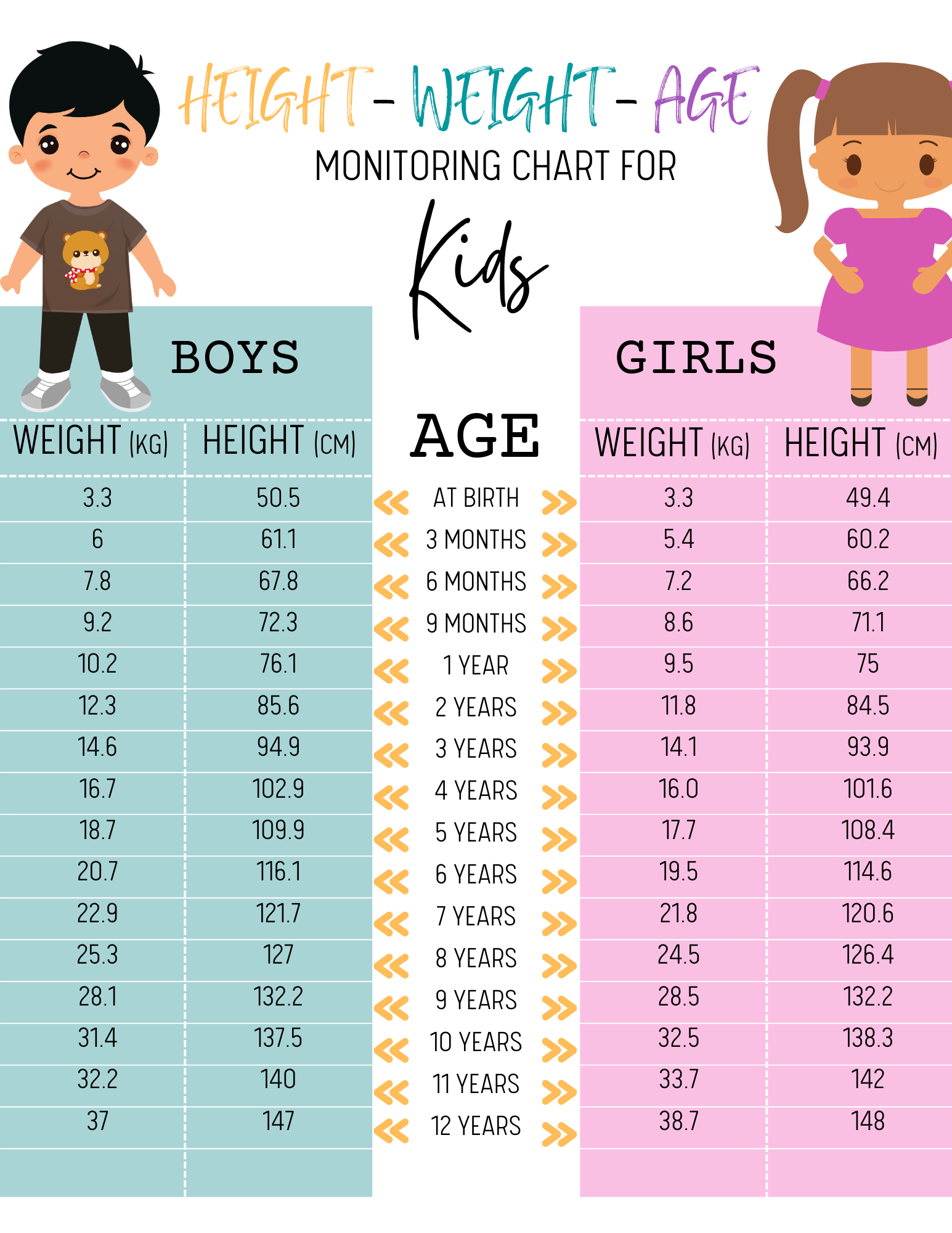
Understanding the Height and Weight Chart
A Height and Weight Chart is a visual tool that displays the average height and weight ranges for children at various ages. It typically features percentiles that indicate how a child measures against a large population. For example, if your child is in the 75th percentile for height, they are taller than 75% of their peers.
What Information is Included?
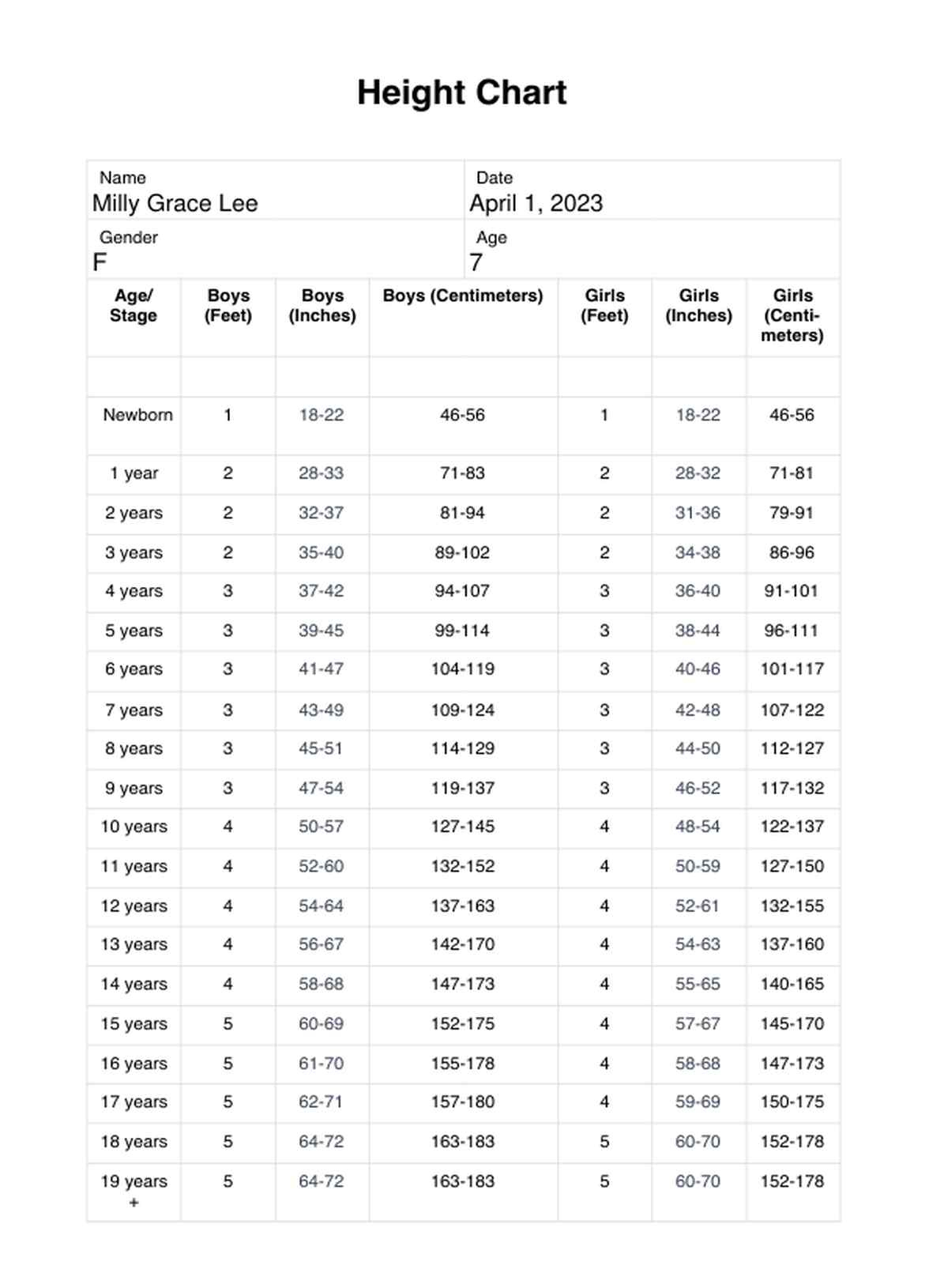
Most charts include:
- Age: Usually broken down by months or years.
- Height: Measured in inches or centimeters.
- Weight: Measured in pounds or kilograms.
- Percentiles: Indicators showing where the child’s measurements fall in relation to peers.
Understanding these categories helps you quickly assess whether your child’s growth is on track or if there might be concerns that need addressing.
How to Use the Height and Weight Chart
Using the Height and Weight Chart is simple, but having the right information ready makes it even easier.
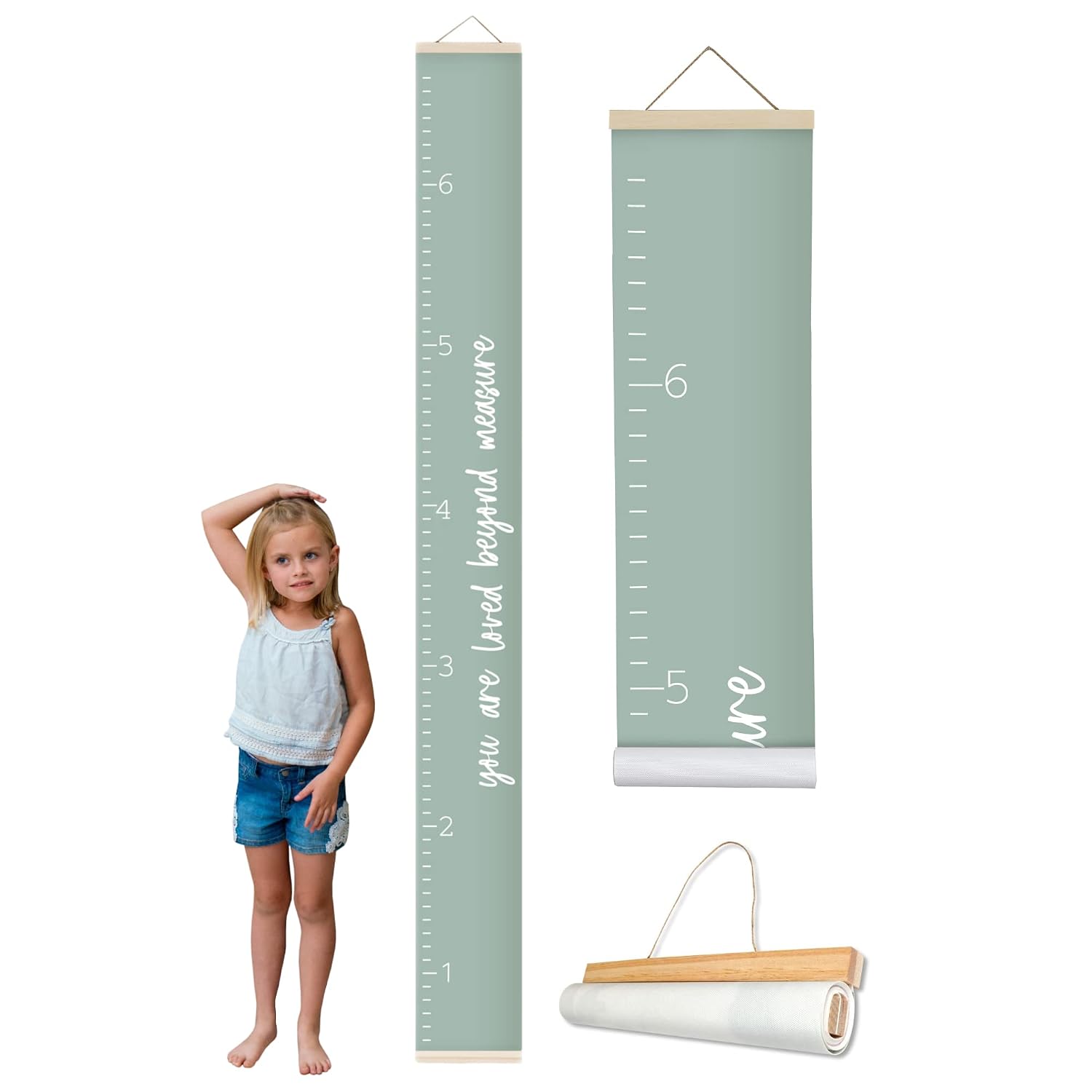
- Collect Measurements: Before you fill in the chart, ensure you have your child’s accurate height and weight. Use a stadiometer for height and a scale for weight. Make sure they’re wearing minimal clothing for the most accurate readings.
- Locate Age on the Chart: Find your child’s age on the horizontal axis of the chart. This is usually marked in months or years.
- Plot the Data: Using the height and weight you’ve collected, find the corresponding points on the chart. You can mark these points with a pencil or sticker.
- Assess Percentiles: Review where your child’s measurements fall in relation to the percentiles. This will help you determine if their growth is typical for their age group.
- Regular Updates: It’s a good idea to update the chart regularly, perhaps every few months, to track growth trends. This can help you notice patterns over time.
Why Tracking is Important
Regularly monitoring your child’s height and weight is vital for several reasons:
- Health Assessments: Tracking growth helps identify potential health issues early on. If your child is falling below or above the expected percentiles, it may warrant a discussion with a healthcare professional.
- Nutritional Guidance: Observing changes in growth can provide insight into your child’s nutritional needs. If growth is stagnant, it may indicate a need for dietary adjustments.
- Setting Goals: For older children, this chart can help set realistic health and fitness goals. It encourages children to be active and aware of their health.
Printable Height and Weight Chart Options
You can easily find printable Height and Weight Charts online. These resources often come in PDF format, allowing for easy downloading and printing. When selecting a chart, look for one that offers:
- Clear Layout: A well-organized chart makes it easier to read and fill out.
- Age Range Coverage: Ensure the chart covers the age range of your child.
- User-Friendly Design: Some charts may include space for notes or additional health information, which can be beneficial.
Tips for Printing
- Paper Size: Standard letter size (8.5 x 11 inches) is typically suitable for most home printers.
- Orientation: Landscape orientation often provides more space for data entry.
- Quality: Print on thicker paper for durability, especially if you plan to laminate the chart for long-term use.
Common Concerns and Considerations
While a Height and Weight Chart is a great tool, it’s essential to remember that each child grows at their own pace. Here are a few considerations:
- Genetic Factors: A child’s growth can be influenced by their genetics. If you or your partner were smaller or larger than average, this may reflect in your child’s growth pattern.
- Cultural Differences: Growth standards may vary depending on cultural and geographical factors. It’s crucial to consider these when interpreting the chart.
- Professional Guidance: Always consult a pediatrician if you have concerns about your child’s growth. They can provide personalized insights that a chart alone cannot.
Using a Height and Weight Chart For Children not only aids in tracking growth but also fosters an understanding of healthy development. By keeping an eye on these measurements, you can take proactive steps to ensure your child is growing up healthy and strong.
