Creating a diet chart to weight loss can feel like a daunting task, but it doesn’t have to be. With the right approach, this simple tool can help you and your family stay on track with healthy eating habits. In this article, I’ll share practical steps to create an effective diet chart that suits your needs, making it easier to manage meals and monitor progress.
Understanding the Importance of a Diet Chart
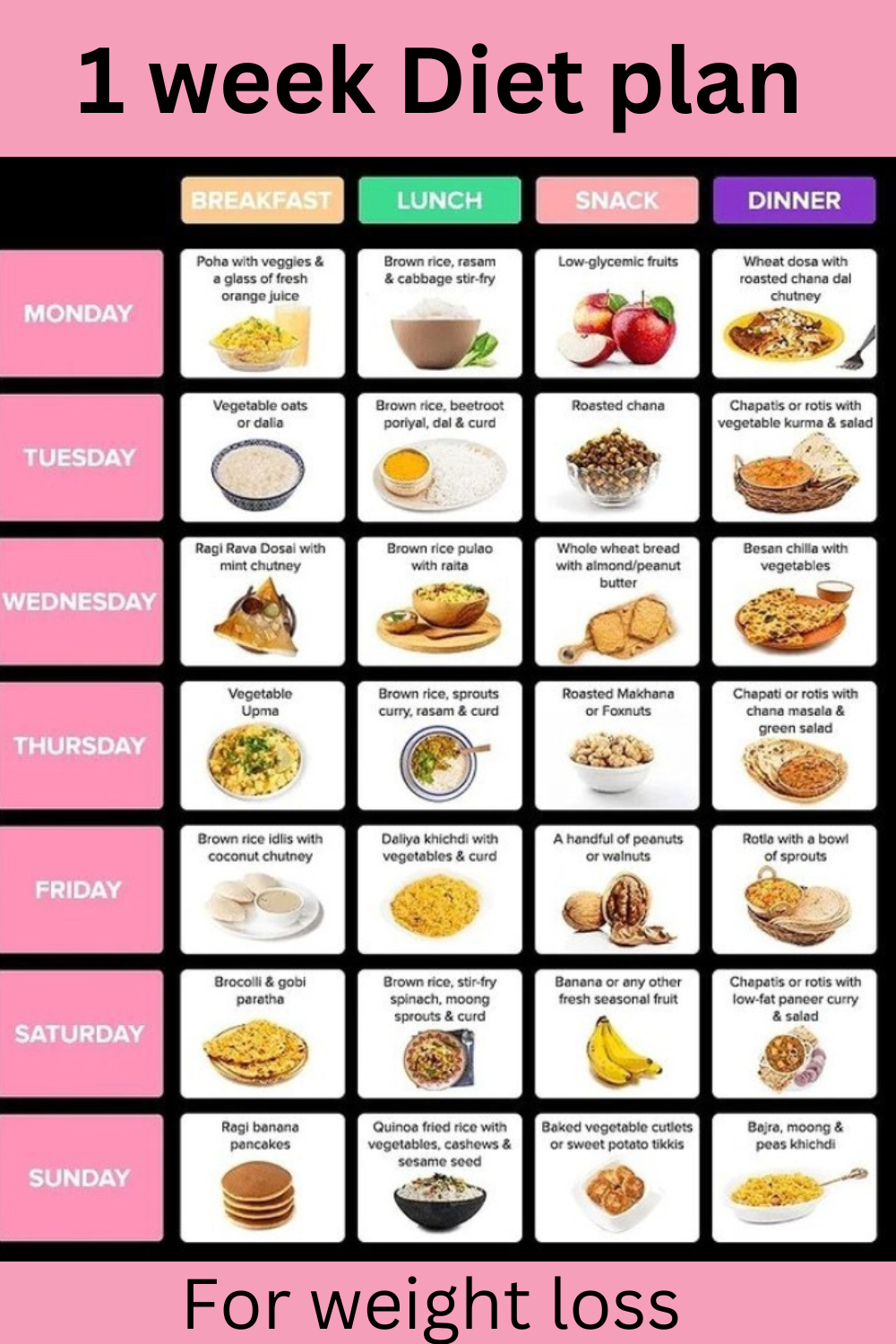
A diet chart serves as a structured guide for meal planning. It outlines what foods to eat and when, helping you maintain a balanced diet while pursuing your weight loss goals. By organizing your meals in advance, you can ensure that you’re consuming the right nutrients without unnecessary calories.
When you create a diet chart, you can include various food groups, ensuring a balanced intake of proteins, carbohydrates, fats, vitamins, and minerals. This approach not only aids weight loss but promotes overall health, making it suitable for the entire family.
How to Create Your Diet Chart
Creating your diet chart to weight loss is straightforward. Here’s a step-by-step guide that can help you put together an effective plan.
Step 1: Assess Your Needs
Begin by determining your specific dietary needs. Consider factors such as your age, gender, activity level, and any medical conditions. This assessment will help you set realistic weight loss goals and tailor your chart accordingly.
Step 2: Choose Your Format
Decide whether you want to create a digital chart or a printable one. A printable diet chart is great for hanging on the fridge for easy access. You can find templates online or create a simple table using a word processor or spreadsheet application.
If you opt for a printable version, consider using A4 or letter-size paper for easy printing. Portrait layout typically works better for most home printers.
Step 3: Plan Your Meals
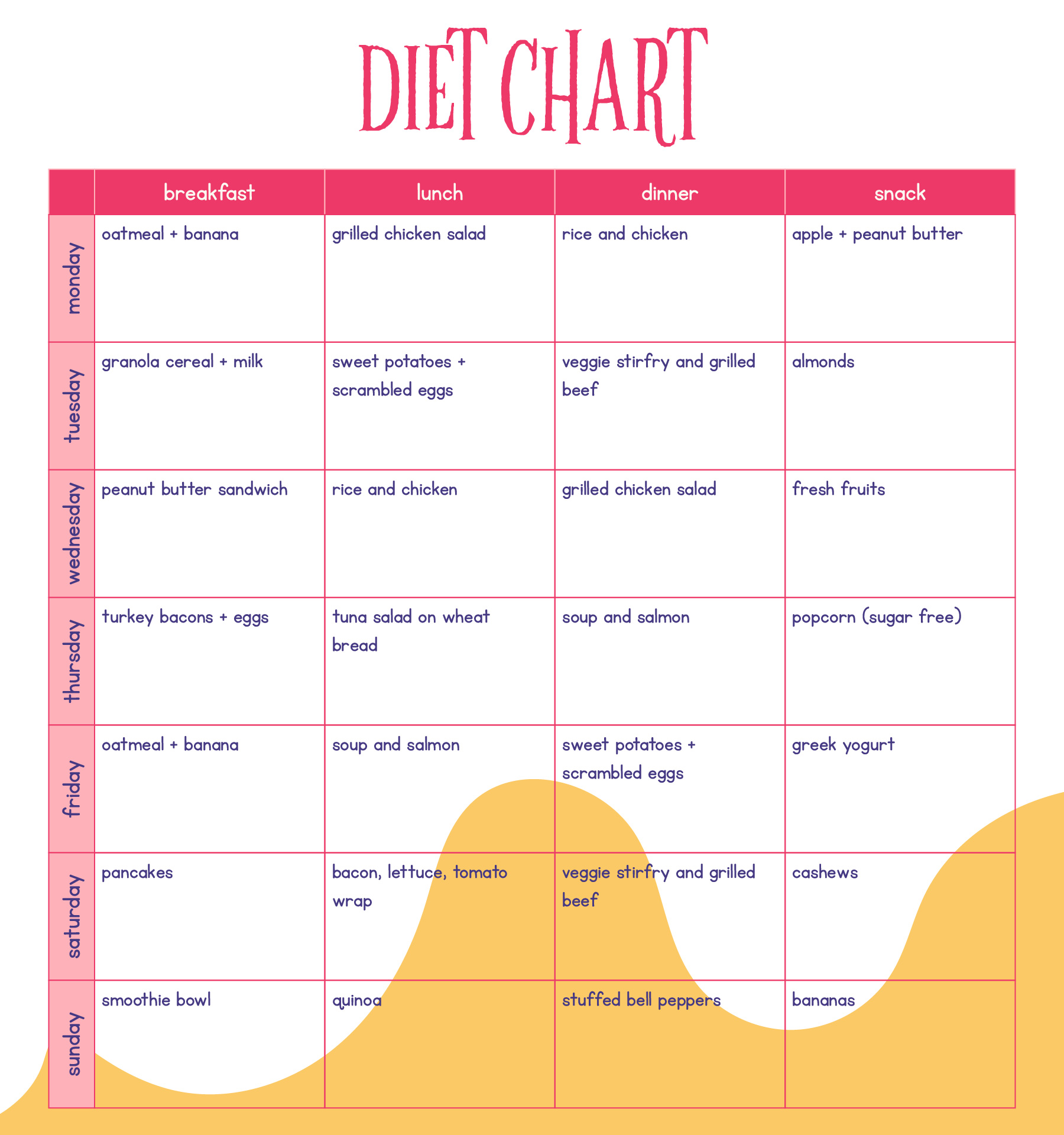
Now comes the fun part: planning your meals! Here’s a suggestion on how to structure your diet chart:
- Breakfast: High in protein to kick-start your day.
- Lunch: Balanced with lean proteins, whole grains, and veggies.
- Dinner: Lighter meals with plenty of vegetables and healthy fats.
- Snacks: Include healthy options like fruits, nuts, or yogurt.
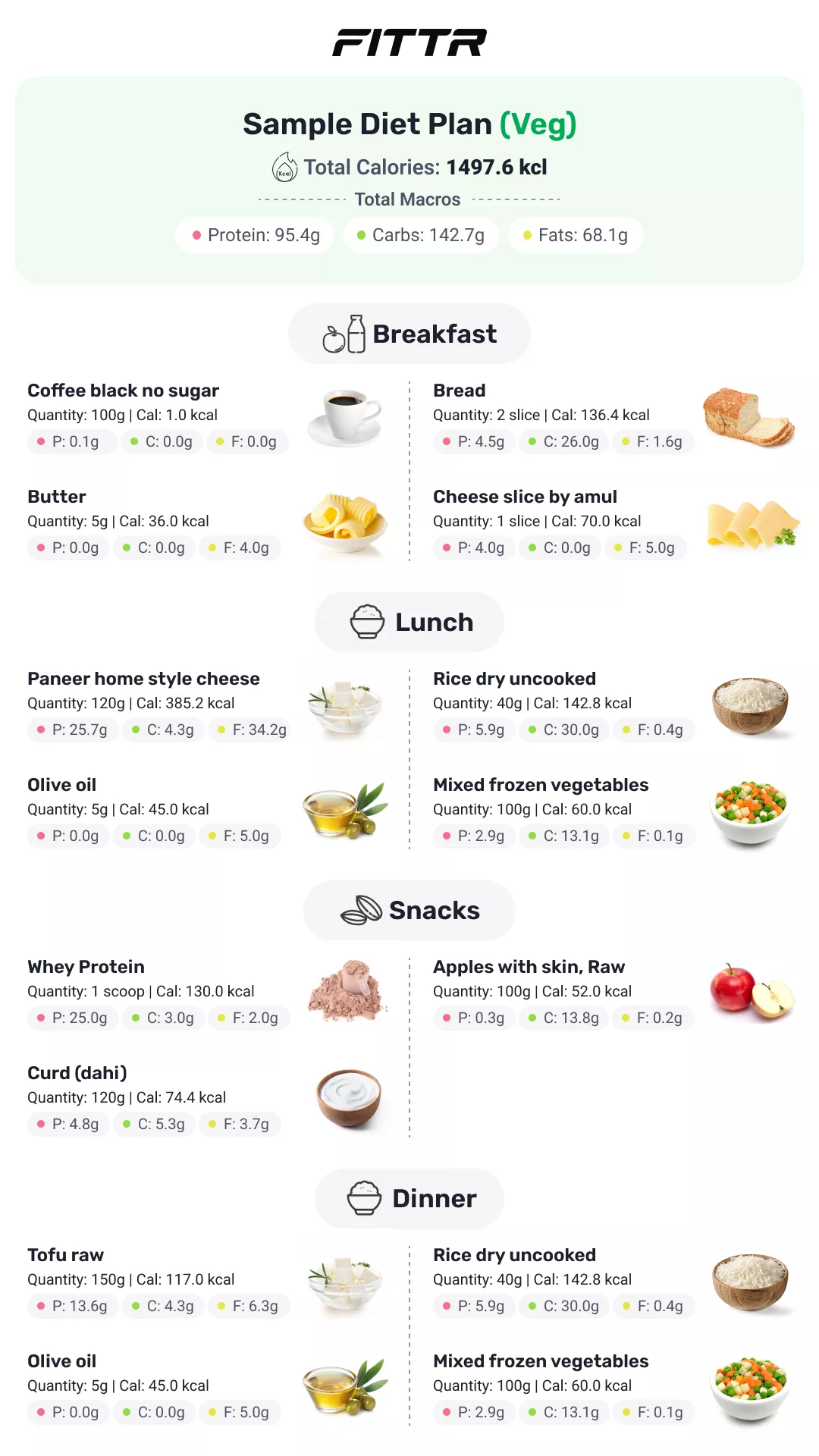
For each meal, list specific foods and portion sizes. This clarity makes it easier to prepare meals and reduces the temptation to stray from your plan.
Step 4: Include Hydration
Don’t forget to add a hydration section to your chart. Water is essential for weight loss and overall health. Aim for at least 8 glasses of water daily. You can note down your water intake each day to stay accountable.
Step 5: Monitor Progress
Incorporate a section in your diet chart for tracking your progress. This can include weekly weigh-ins or measurements. Seeing your progress can motivate you to stick with your plan. You can also jot down any changes in how you feel or energy levels.
Tips for Using Your Diet Chart
Once you’ve created your diet chart to weight loss, here are some practical tips to maximize its effectiveness:
- Print Multiple Copies: Keep copies in different areas of your home, like the fridge or pantry, to remind you of your goals.
- Be Flexible: Life happens, and sometimes you may need to adjust your meals. That’s okay! A diet chart is a guide, not a strict rulebook.
- Involve Your Family: If you’re trying to get the whole family on board with healthier eating, involve them in the planning process. This can make it more enjoyable and foster a supportive environment.
Quality of Presentation Matters
When printing your diet chart, use high-quality paper for durability. Cardstock holds up best if you plan to laminate it for long-term use. This prevents wear and tear and allows for easy updates with a dry-erase marker if you want to adjust your meal plan.
If you’re using a digital format, make sure it’s easily accessible on your devices. You can use apps or tools that allow you to track your meals and progress seamlessly.
Adapting Your Diet Chart
As you move forward, remember that your needs may change. You might find certain foods don’t work well for your body or that your weight loss plateaus. Be open to adapting your diet chart. Regularly revisit and revise it to reflect your current lifestyle and goals.
By following these steps to create a diet chart to weight loss, you’ll be equipped to embrace a healthier lifestyle. And with a little patience and persistence, you’ll see the results you’re aiming for. Start printing your chart today, and take that first step towards a healthier you!
