Understanding how much weight to gain during pregnancy can feel overwhelming. After all, this journey is not just about you anymore; it’s about your growing baby, too. The Normal Weight Gain In Pregnancy Chart serves as a practical tool to help you monitor your weight gain effectively and ensure it stays within healthy guidelines.
Why Monitoring Weight Gain Matters
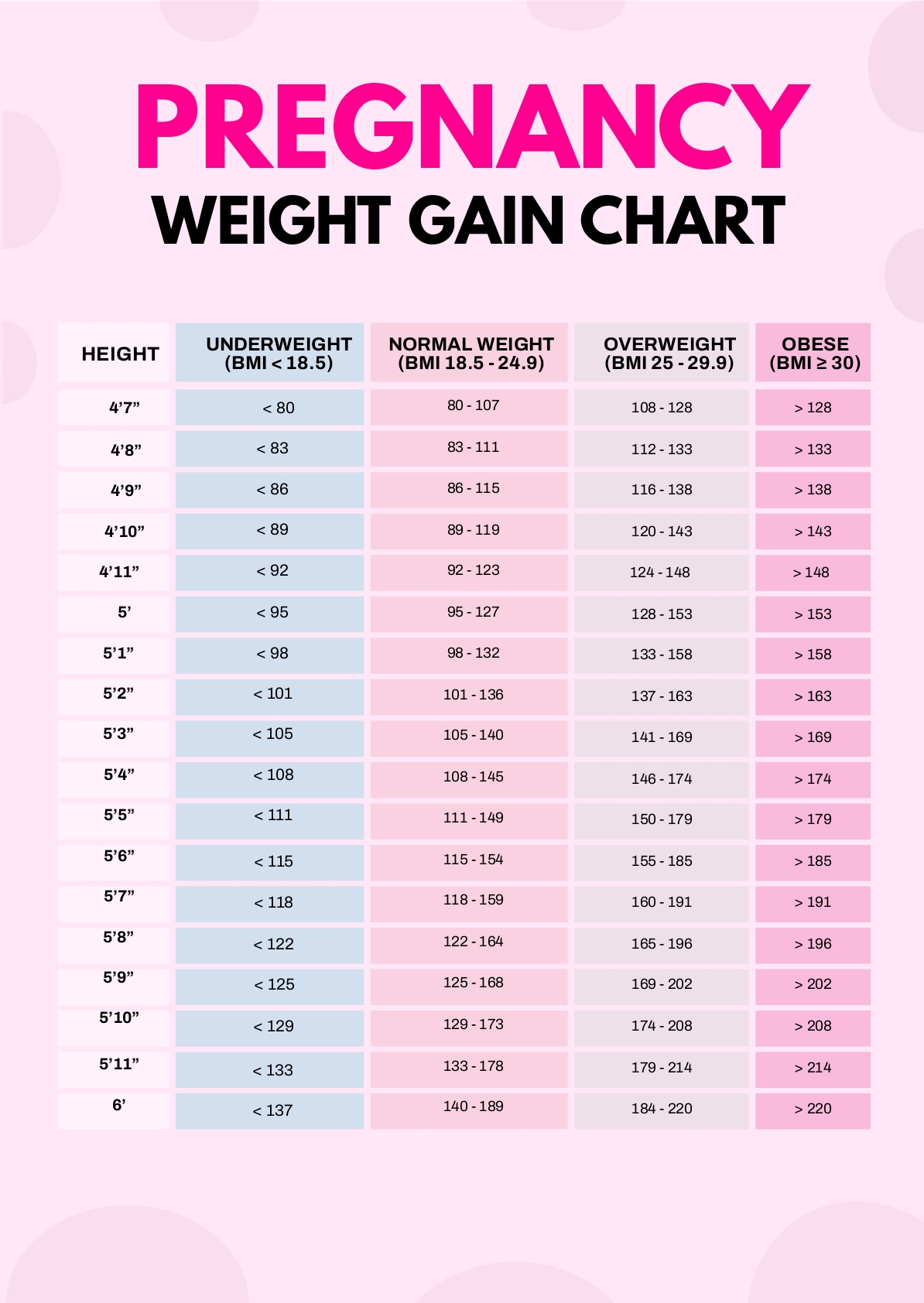
Weight gain during pregnancy is essential for both you and your baby. It supports your baby’s growth and development, but it’s also important for your health. Gaining too much or too little weight can lead to complications such as gestational diabetes, hypertension, or low birth weight. The Normal Weight Gain In Pregnancy Chart provides a guideline based on your body mass index (BMI) before pregnancy, helping you set realistic goals.
Understanding the Normal Weight Gain In Pregnancy Chart
The Normal Weight Gain In Pregnancy Chart is structured to guide you through the recommended weight gain based on your pre-pregnancy BMI. Here’s how to read it:
- Identify Your Pre-Pregnancy BMI: BMI is calculated using your height and weight. You can find calculators online or consult your healthcare provider.
- Refer to the Chart: The chart will list weight gain recommendations during pregnancy based on If you are underweight, normal weight, overweight, or obese.
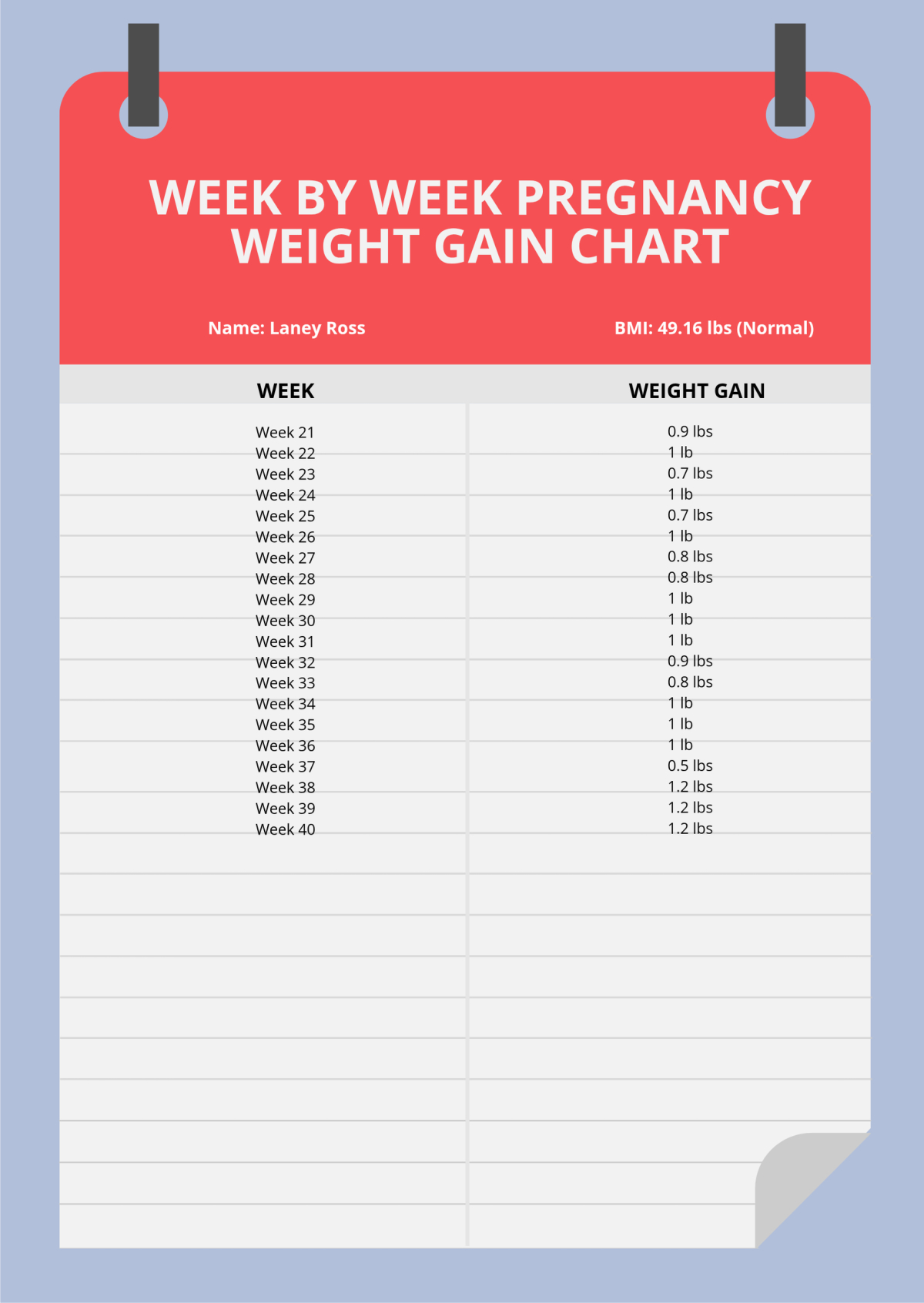
- Track Your Progress: Use the chart to log your weight at each prenatal visit. This will help you stay on track and discuss any concerns with your healthcare provider.
Pre-Pregnancy BMI Categories and Recommended Weight Gain
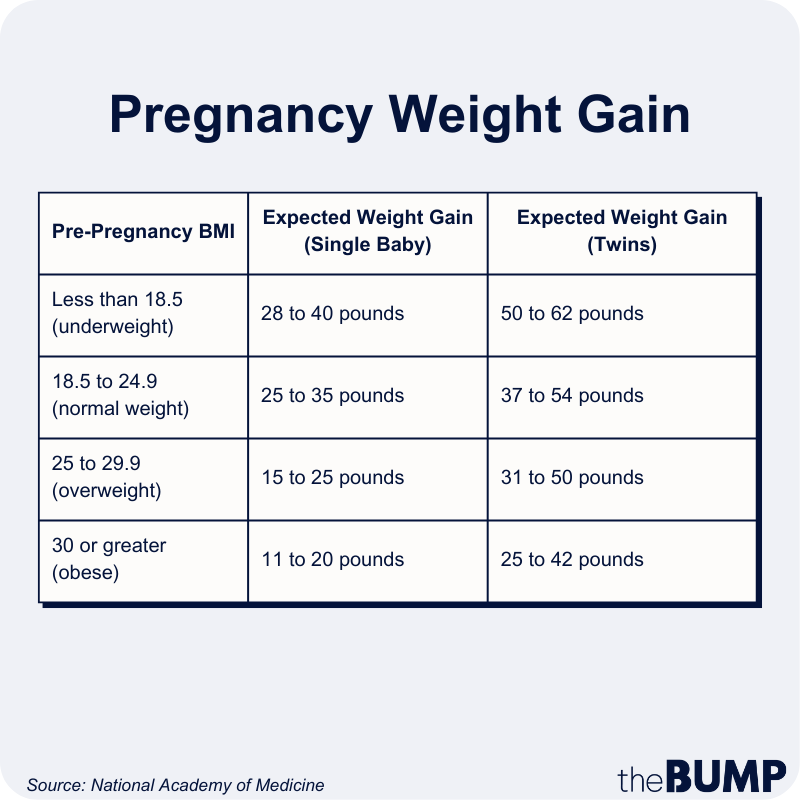
Here’s a quick overview of the BMI categories and the associated weight gain recommendations:
- Underweight (BMI less than 18.5): Gain 28-40 pounds
- Normal weight (BMI 18.5 – 24.9): Gain 25-35 pounds
- Overweight (BMI 25 – 29.9): Gain 15-25 pounds
- Obese (BMI 30 and above): Gain 11-20 pounds
These ranges are based on guidelines from the Institute of Medicine (IOM) and reflect the average weight gain needed to support a healthy pregnancy.
How to Use the Chart Effectively
To make the most of the Normal Weight Gain In Pregnancy Chart, follow these practical steps:
- Download and Print: Get a printable version of the chart to keep handy. This makes it easy to jot down your weight during each check-up.
- Set Goals: Based on the chart, set weekly or monthly weight gain goals. This helps you stay focused and motivates you to maintain a balanced diet and exercise routine.
- Regular Check-Ins: Weigh yourself at home weekly and compare your numbers against the chart. This will help you track if you’re on target or need to adjust your habits.
Tips for Healthy Weight Gain During Pregnancy
Maintaining a healthy weight during pregnancy involves more than just tracking numbers on a chart. Here are some practical tips:
- Eat Balanced Meals: Focus on fruits, vegetables, whole grains, lean proteins, and healthy fats. These foods provide the essential nutrients needed for both you and your baby.
- Stay Active: Engage in moderate exercise, like walking or prenatal yoga, as recommended by your healthcare provider. This can help manage weight and improve overall health.
- Stay Hydrated: Drink plenty of water throughout your pregnancy. Staying hydrated can help control hunger and support your body’s functions.
- Consult Your Doctor: Regular appointments with your healthcare provider can ensure that your weight gain is on track and healthy.
When to Seek Help
If you notice that your weight gain is significantly above or below the recommended guidelines on the Normal Weight Gain In Pregnancy Chart, it’s essential to speak with your healthcare provider. They can offer personalized advice and help you address any underlying issues.
