Creating a Diet Plan Chart For Weight Loss is a practical approach to help you manage your meals and track your progress effectively. As a parent, juggling a busy schedule while trying to maintain a healthy lifestyle can be challenging. Having a structured chart can simplify meal planning, making it easier to stay on track with your weight loss goals.
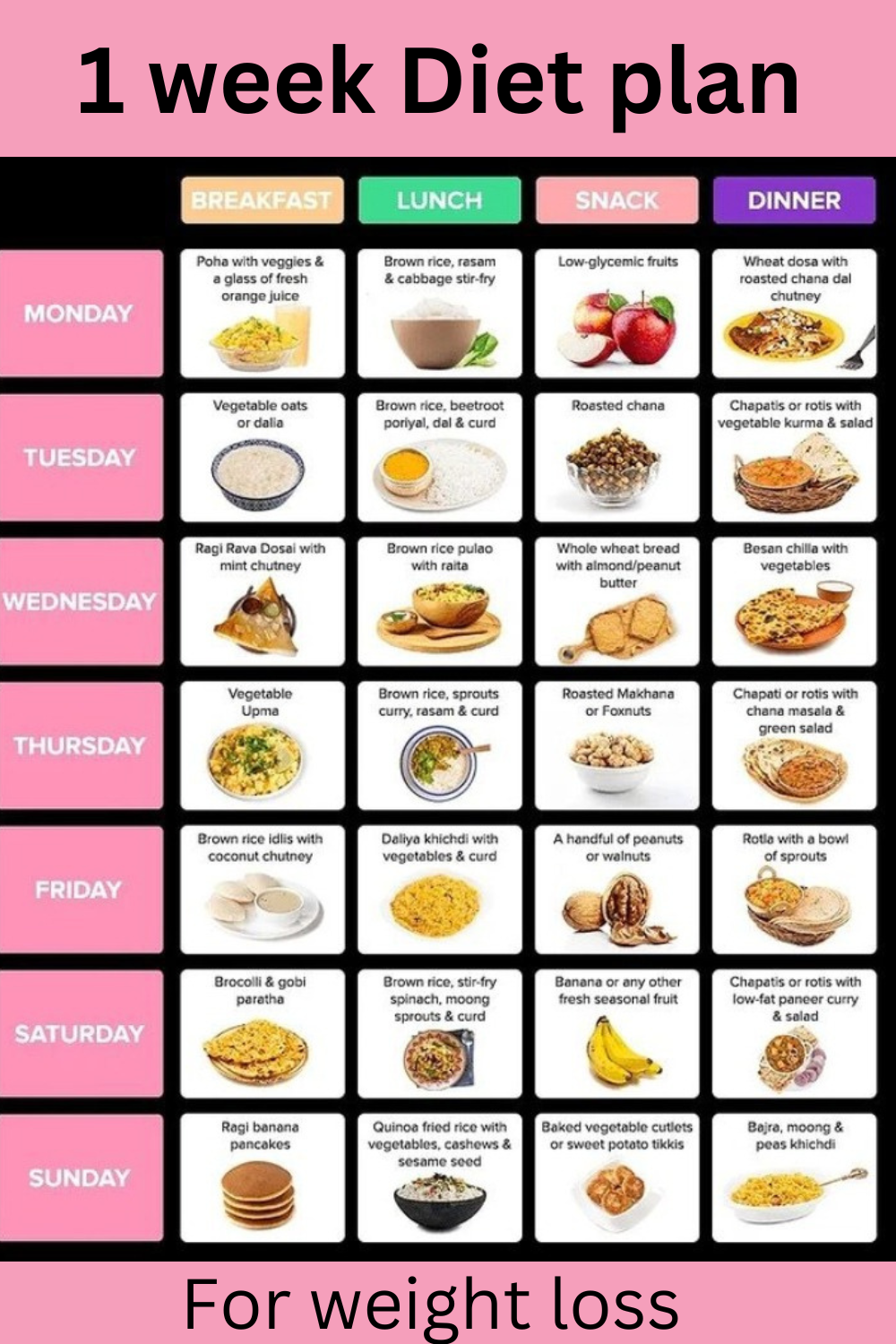
Understanding the Diet Plan Chart
A Diet Plan Chart typically includes sections for daily meals, snacks, calorie counts, and personal notes on how you felt after each meal. This layout helps you visualize your eating habits, making it easier to identify areas for improvement. When you fill it out regularly, you can also track your progress over time, which is key to staying motivated.
Key Sections of the Diet Plan Chart
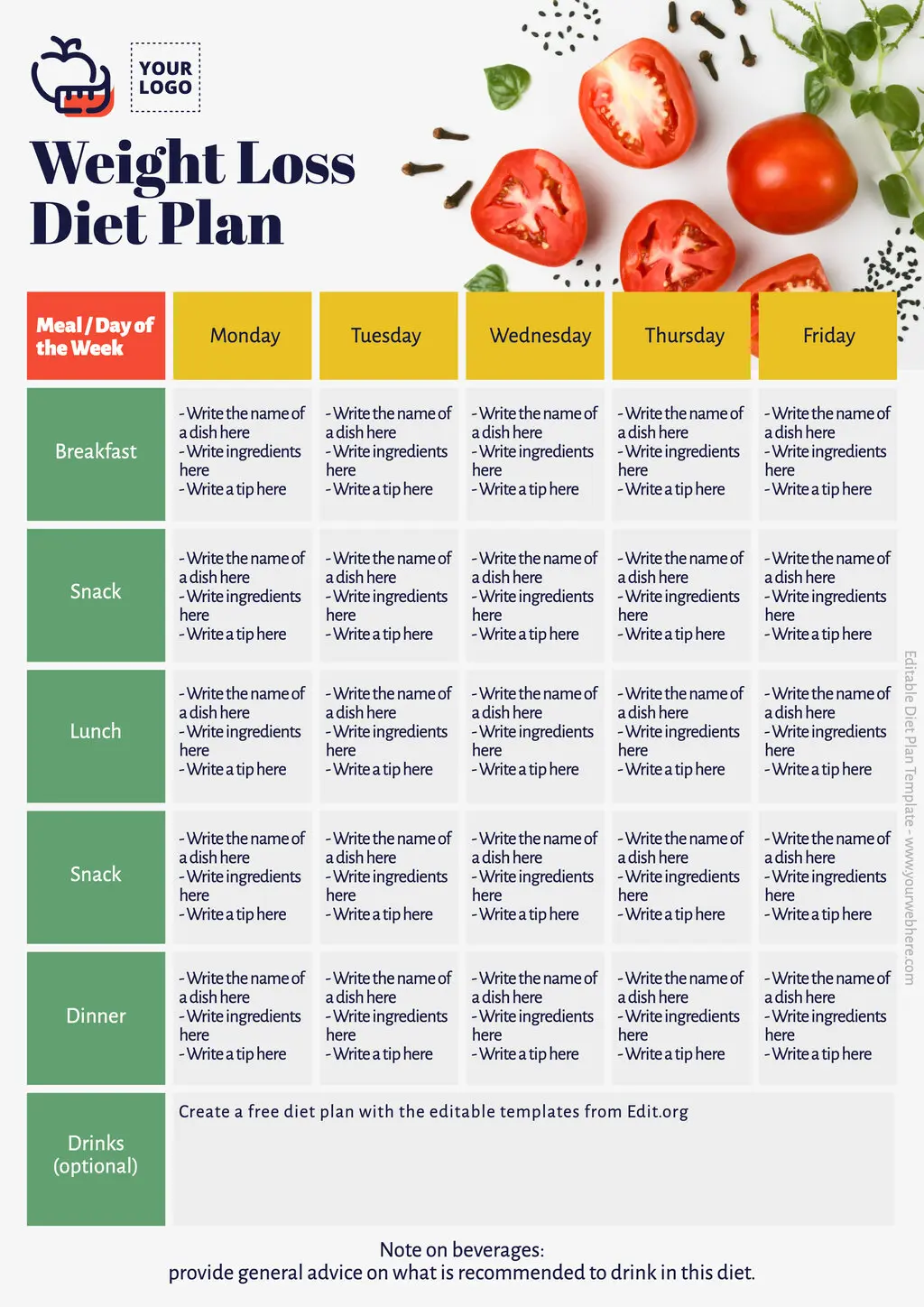
- Daily Meal Breakdown: This part is where you’ll write down breakfast, lunch, dinner, and snacks for each day. It’s beneficial to plan these meals in advance, so you don’t find yourself reaching for unhealthy options.
- Calorie Count: Monitoring your calorie intake is essential for weight loss. The chart should have a space where you can note the calories for each meal. This can help you stay within your daily calorie goals.
- Notes on Feelings and Energy Levels: After each meal, take a moment to jot down how you felt. Were you satisfied? Did you feel energized? This reflection can help you understand which foods work best for your body.
How to Use the Diet Plan Chart Effectively
Using your Diet Plan Chart effectively requires consistency and honesty. Here are some practical tips:
- Set a Weekly Schedule: Dedicate time each week to plan your meals. Sunday evenings often work well for this, allowing you to start the week with a clear plan.
- Use Simple Recipes: As a busy parent, you might not have hours to spend in the kitchen. Choose simple, healthy recipes that you can prepare quickly. List these alongside your meals in the chart.
- Stay Flexible: Life happens, and sometimes you’ll need to adjust your plan. If you find you can’t stick to what you’ve written, don’t be hard on yourself. Adapt your chart as needed.
Where to Get Your Diet Plan Chart
You can easily find downloadable Diet Plan Charts online. Many printable resources offer customizable templates that you can fill in digitally or print out. Look for designs that fit your style – some may prefer a minimalist layout while others might enjoy a more colorful approach.
- PDF Formats: These are usually the most straightforward to download and print. They maintain formatting, so you won’t have to worry about alignment issues when printing.
- Editable Formats: Some charts allow you to fill them out on your computer or tablet. This can be a great option if you want to keep a digital record as well.
Common Mistakes to Avoid
When using a Diet Plan Chart, it’s easy to fall into certain traps. Here are a few common mistakes and how to avoid them:
- Skipping Meals: It might seem like a good idea to skip meals to reduce calorie intake, but this can lead to overeating later. Ensure your chart includes healthy snacks to keep your energy levels stable.
- Ignoring Portion Sizes: Just because something is healthy doesn’t mean you can eat it in unlimited quantities. Pay attention to portion sizes and use measuring cups if necessary.
- Failure to Adjust: If you’re not seeing the results you want, it may be time to adjust your diet. Use the notes section of your chart to reflect on what’s working and what’s not, then make changes accordingly.
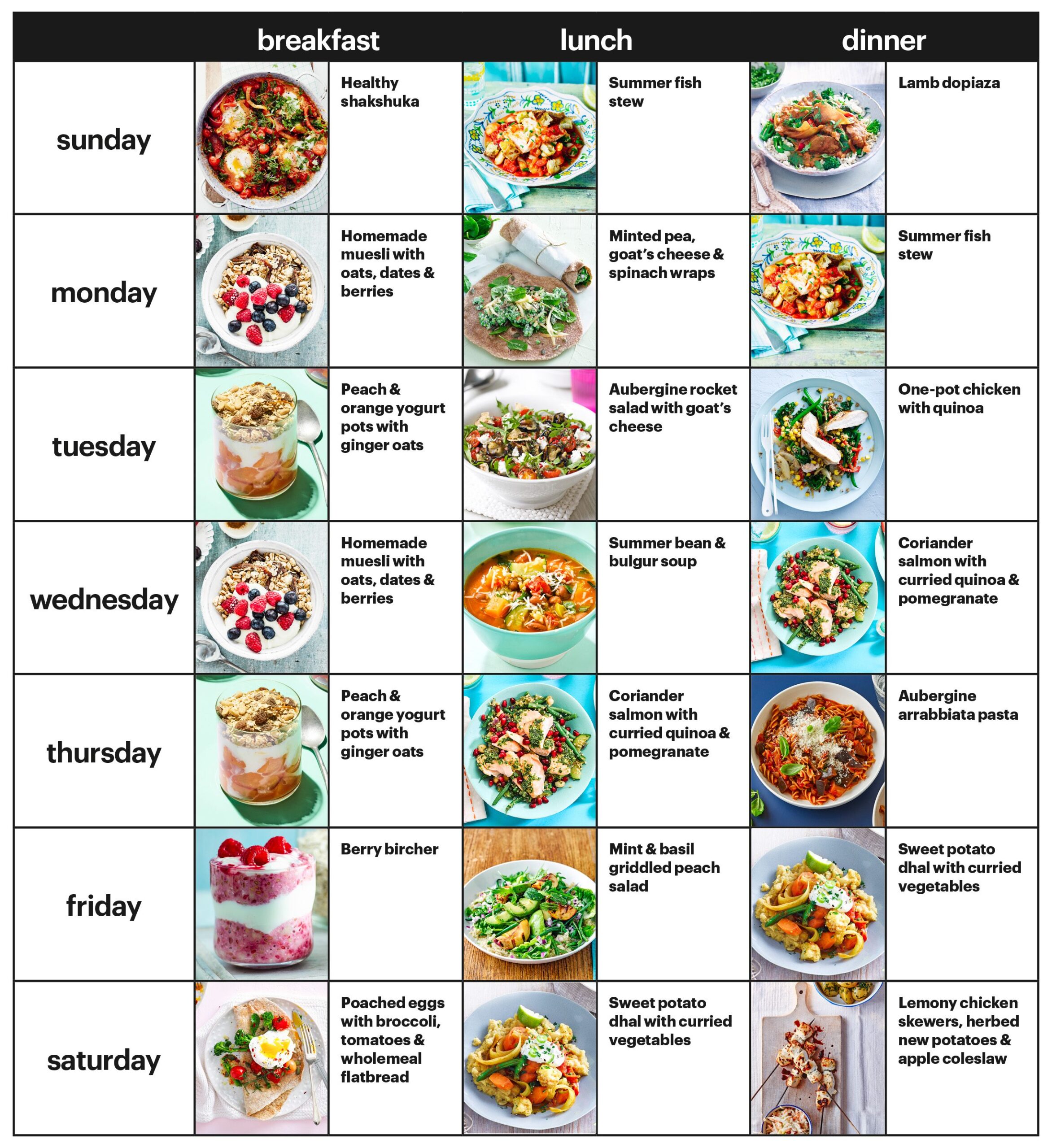
Tracking Your Progress Over Time
After using the Diet Plan Chart for several weeks, take some time to review your entries. Look for patterns in your eating habits, energy levels, and weight changes. This reflection is crucial for understanding how your diet affects your overall health.
- Weekly Check-Ins: Set aside time each week to review what you’ve accomplished. Celebrate your successes, no matter how small, and adjust your goals as needed.
- Involve the Family: If your family is on board with healthy eating, involve them in the planning. This can make meals more enjoyable and help everyone stay accountable.
A Diet Plan Chart For Weight Loss is more than just a simple tool; it’s a way to take control of your eating habits and make informed choices. By being consistent and reflective, you can turn your chart into a powerful resource that supports your health goals. Start by downloading a chart today, and take that first step toward a healthier lifestyle!
