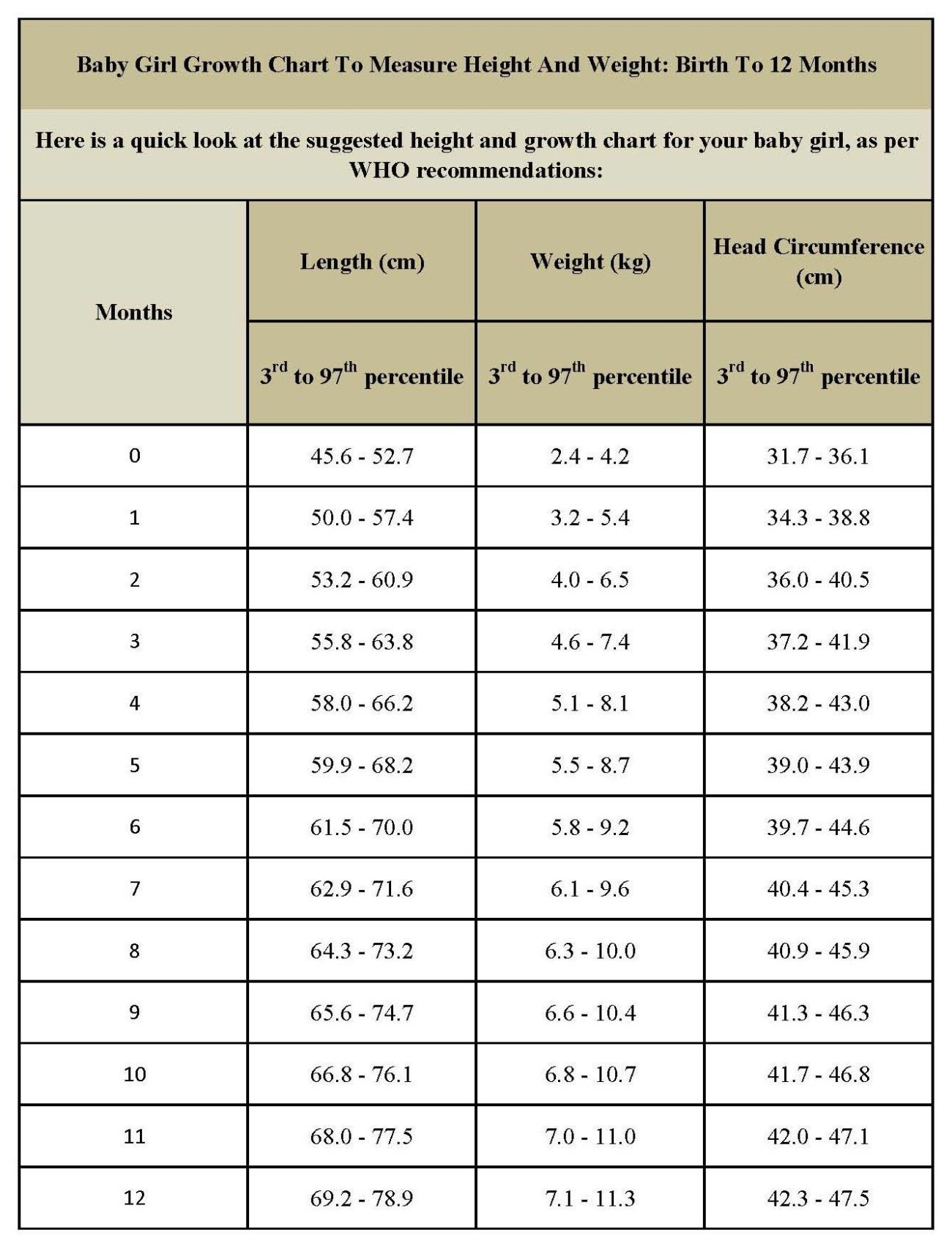
Tracking your child’s growth can be both exciting and essential. A well-organized growth chart height and weight template helps you visualize important milestones, ensuring your little one is on the right track. These charts provide a clear, accessible way to monitor height and weight over time, allowing you to celebrate achievements and address any concerns with your pediatrician.
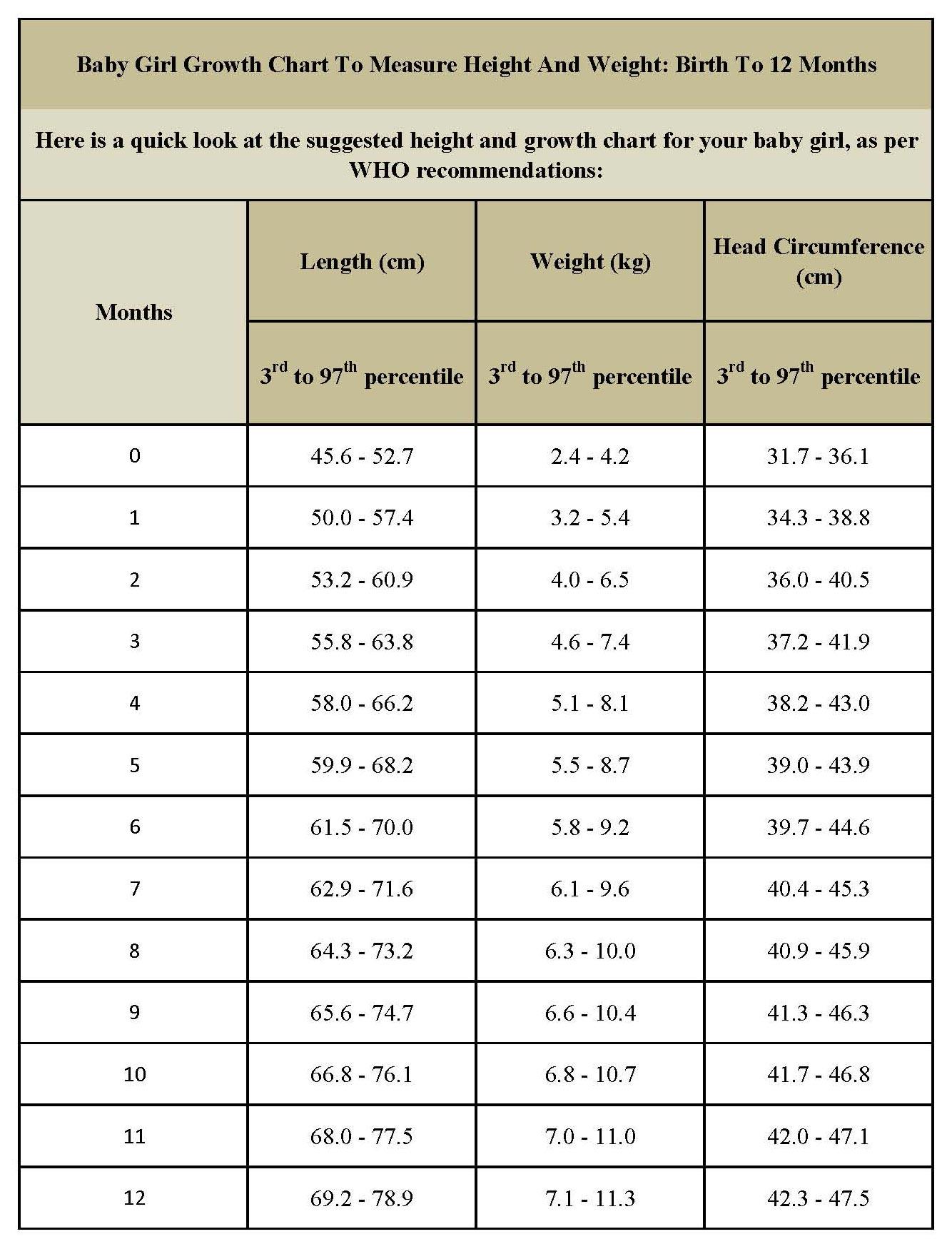
Understanding the Layout of a Growth Chart
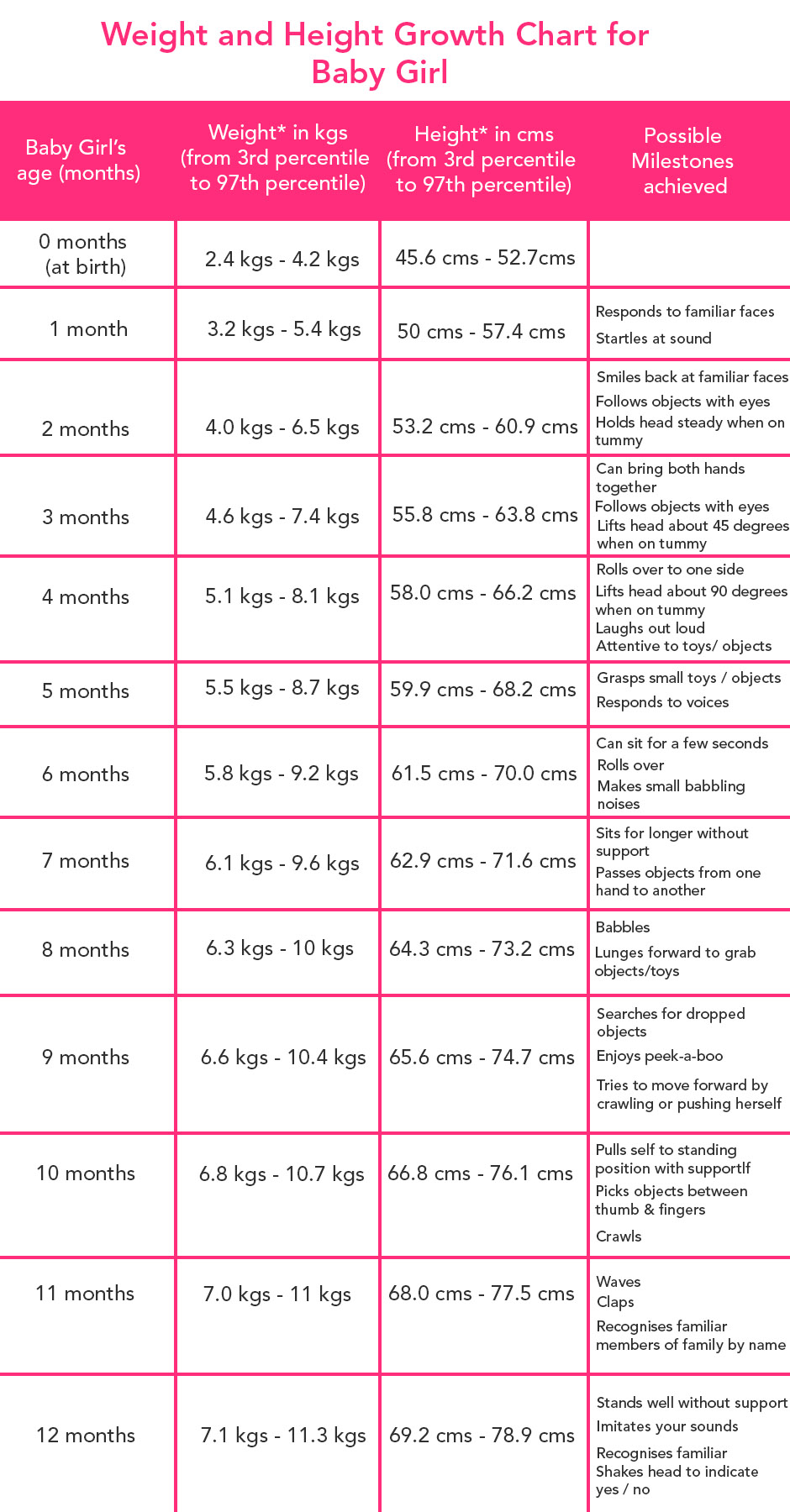
When you first look at a growth chart height and weight template, you’ll notice several key sections that make it easy to fill out and interpret. Typically, the chart will have vertical and horizontal axes: the vertical axis represents height, while the horizontal axis indicates weight. Most charts are designed to accommodate various age ranges, often from birth to 18 years.
- Age Range: Ensure you select a chart that matches your child’s age group. Many templates are available for specific age ranges, such as infants, toddlers, or older children.
- Percentile Lines: These lines help you see how your child’s measurements compare to national averages. For instance, if your child’s weight is at the 50th percentile, they are heavier than 50% of children their age.
Filling in the chart is straightforward. You’ll typically record the date, your child’s height, and their weight in the corresponding spaces. Make sure to update this regularly – monthly or quarterly is ideal – to keep an accurate record.
How to Use Your Growth Chart
Once you have your growth chart height and weight filled out, it’s time to put it to use. Here are a few practical ways to incorporate it into your routine:
- Regular Updates: Make it a habit to measure your child’s height and weight at the same time intervals. Consistency is key to tracking progress accurately.
- Compare Percentiles: After recording new measurements, check where your child falls on the percentile lines. This is a great way to visualize growth trends and catch any potential issues early.
- Medical Appointments: Bring your completed chart to your child’s pediatrician visits. It can help facilitate discussions about growth patterns and nutrition needs.
Common Mistakes to Avoid
While using a growth chart height and weight template is straightforward, there are a few common pitfalls you should be mindful of:
- Inconsistent Measurements: Always measure your child under similar conditions. For height, ensure they are standing straight against a wall without shoes. For weight, use the same scale each time.
- Forgetting to Update: It’s easy to forget to fill in the chart after a doctor’s visit or measurement session. Set reminders on your phone or keep the chart in a prominent place, like the fridge.
- Misreading Percentiles: Ensure you’re correctly interpreting the percentile lines. A common mistake is assuming that being in the lower percentile indicates a problem; it may simply reflect your child’s natural growth pattern.
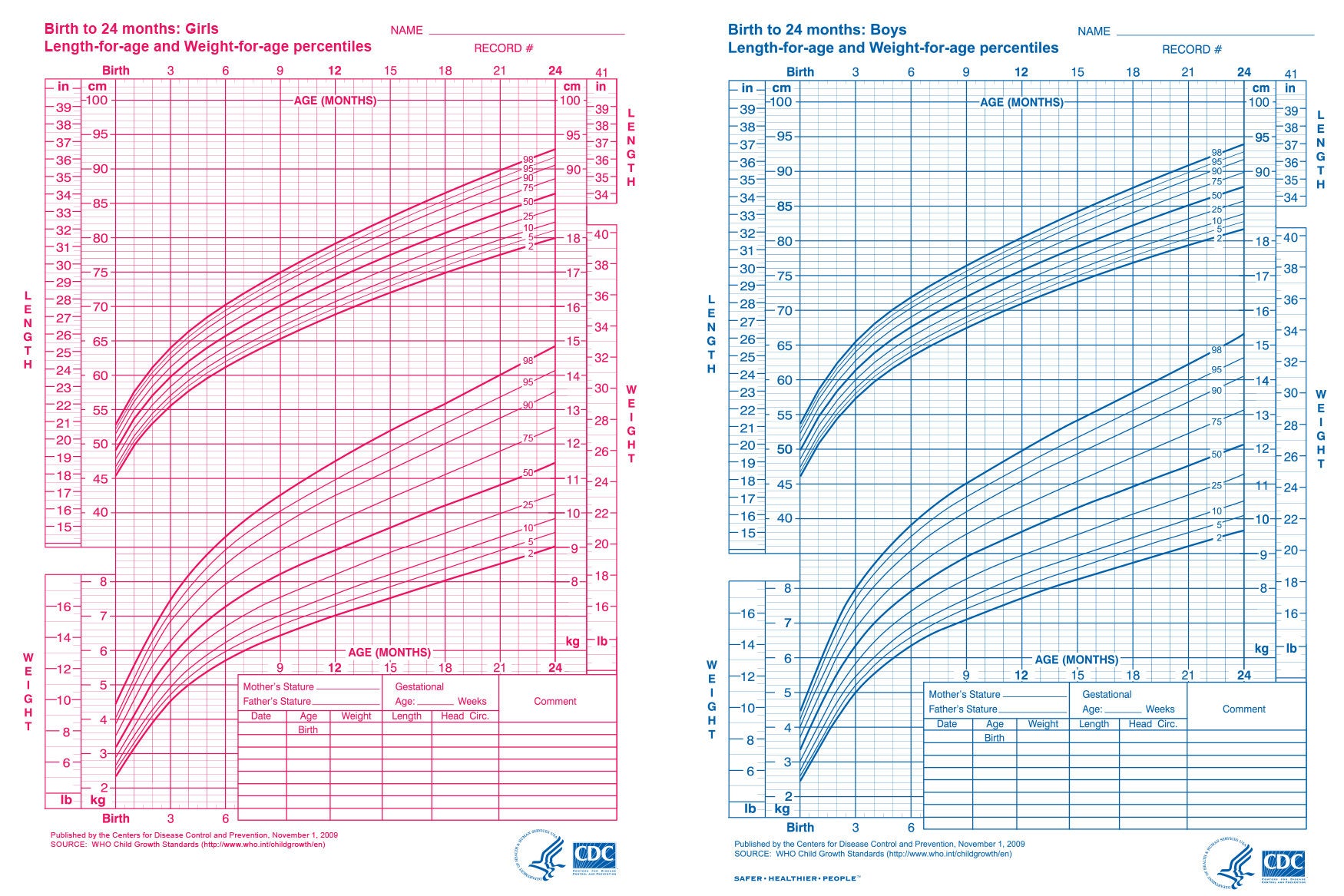
Where to Find Printable Templates
There are numerous online sources where you can find printable growth chart height and weight templates. Look for options that allow for easy downloading and printing. Here are a few features to consider when selecting a template:
- PDF Format: This format is generally best for maintaining layout integrity when printed.
- Customizable Fields: Some templates allow you to add your child’s name and other personal details, making them more special.
- Design Options: Choose a design that appeals to you and your child. Fun colors or themes can make the process of tracking growth more engaging.
