Monitoring your ketone levels is an essential part of any ketogenic diet focused on weight loss. A well-structured Ketone Levels Chart For Weight Loss can help you track your progress, understand your body’s responses, and stay committed to your goals. This chart typically comes in a printable format that you can easily customize to fit into your daily routine.
Understanding Ketone Levels
Before you start filling out your chart, it’s important to understand what ketones are and why tracking them matters. Ketones are organic compounds that your body produces when it breaks down fat for energy. This process is crucial for those on a ketogenic diet, as the goal is to enter a state of ketosis, where your body primarily uses fat for fuel instead of carbohydrates.
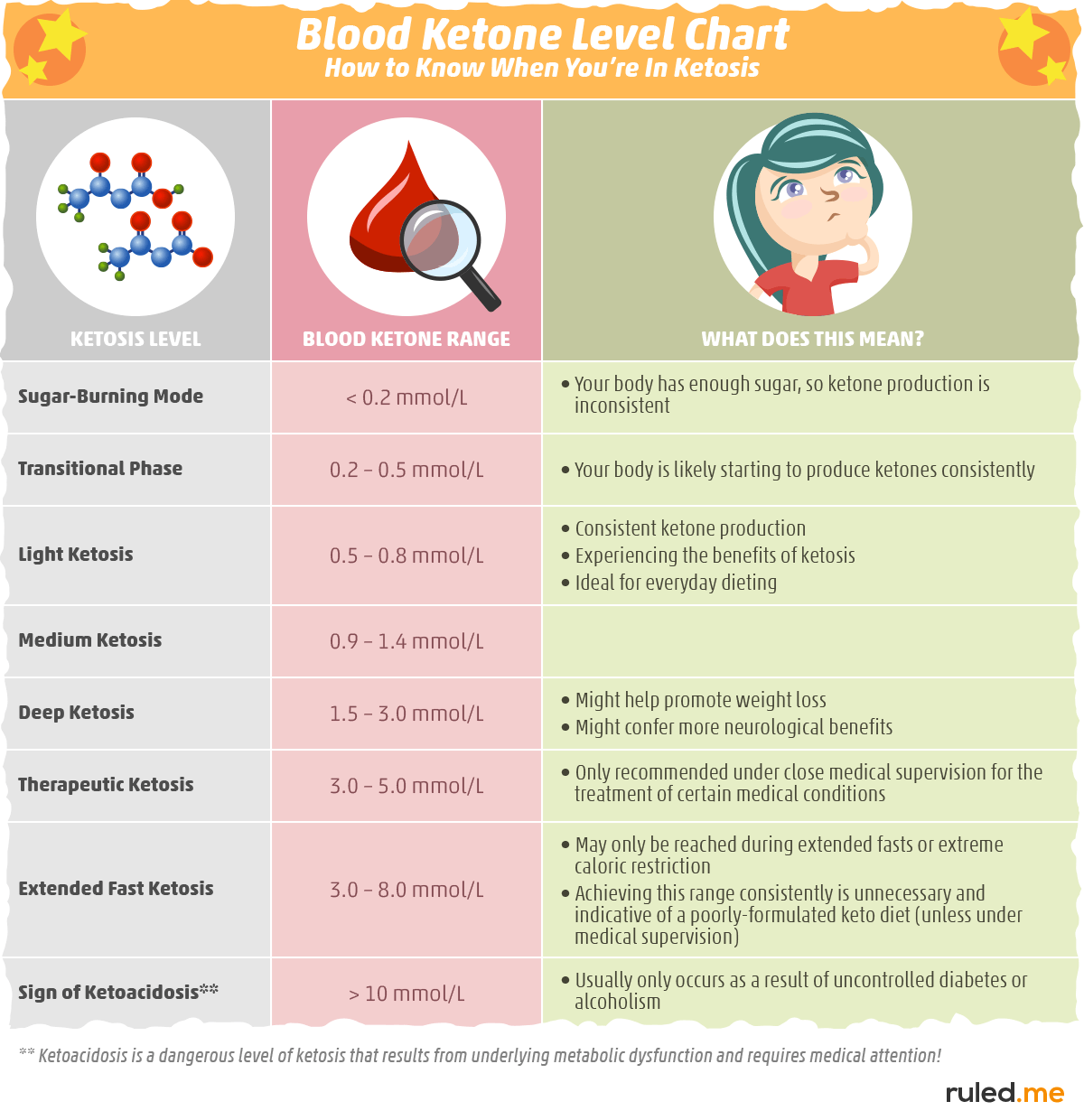
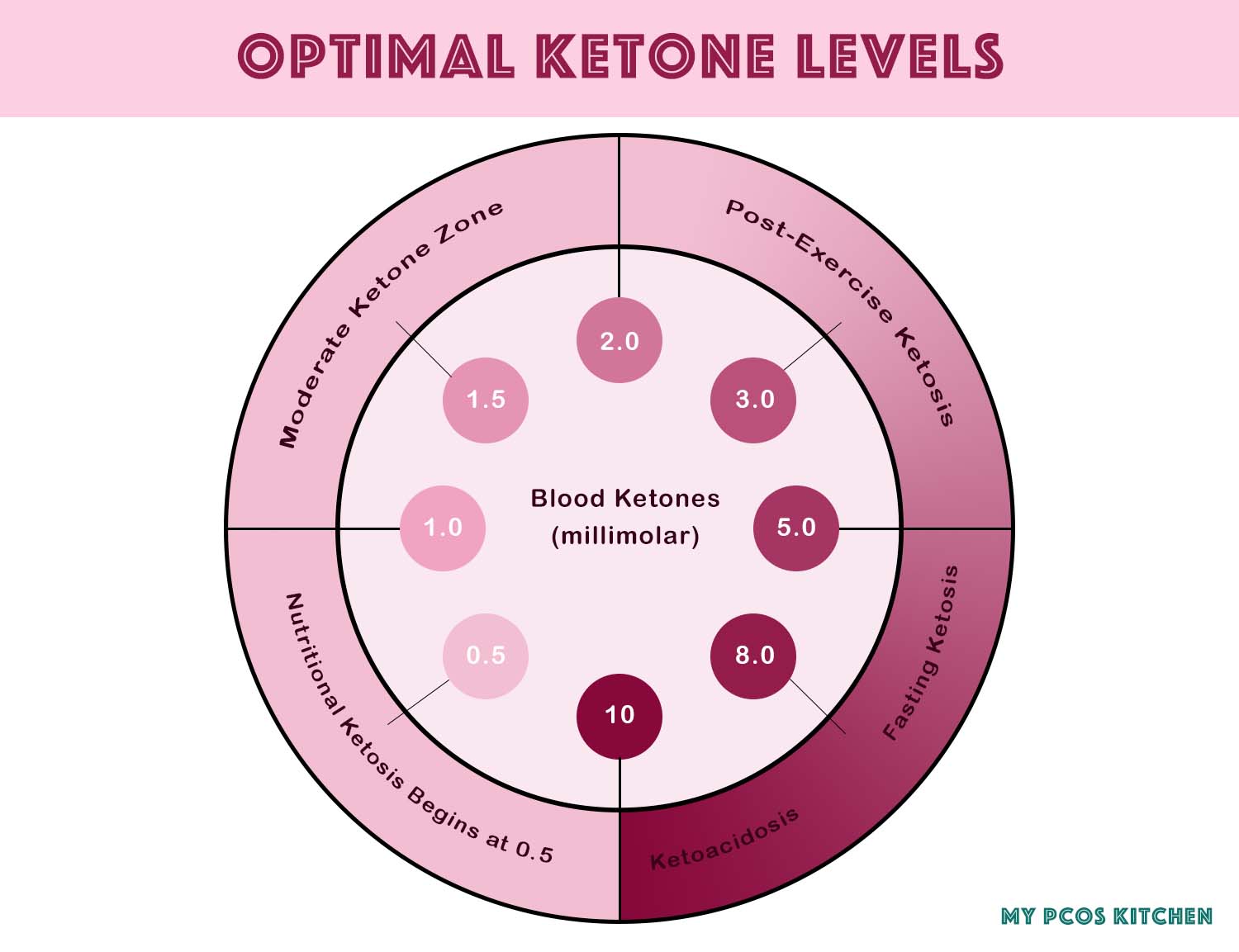
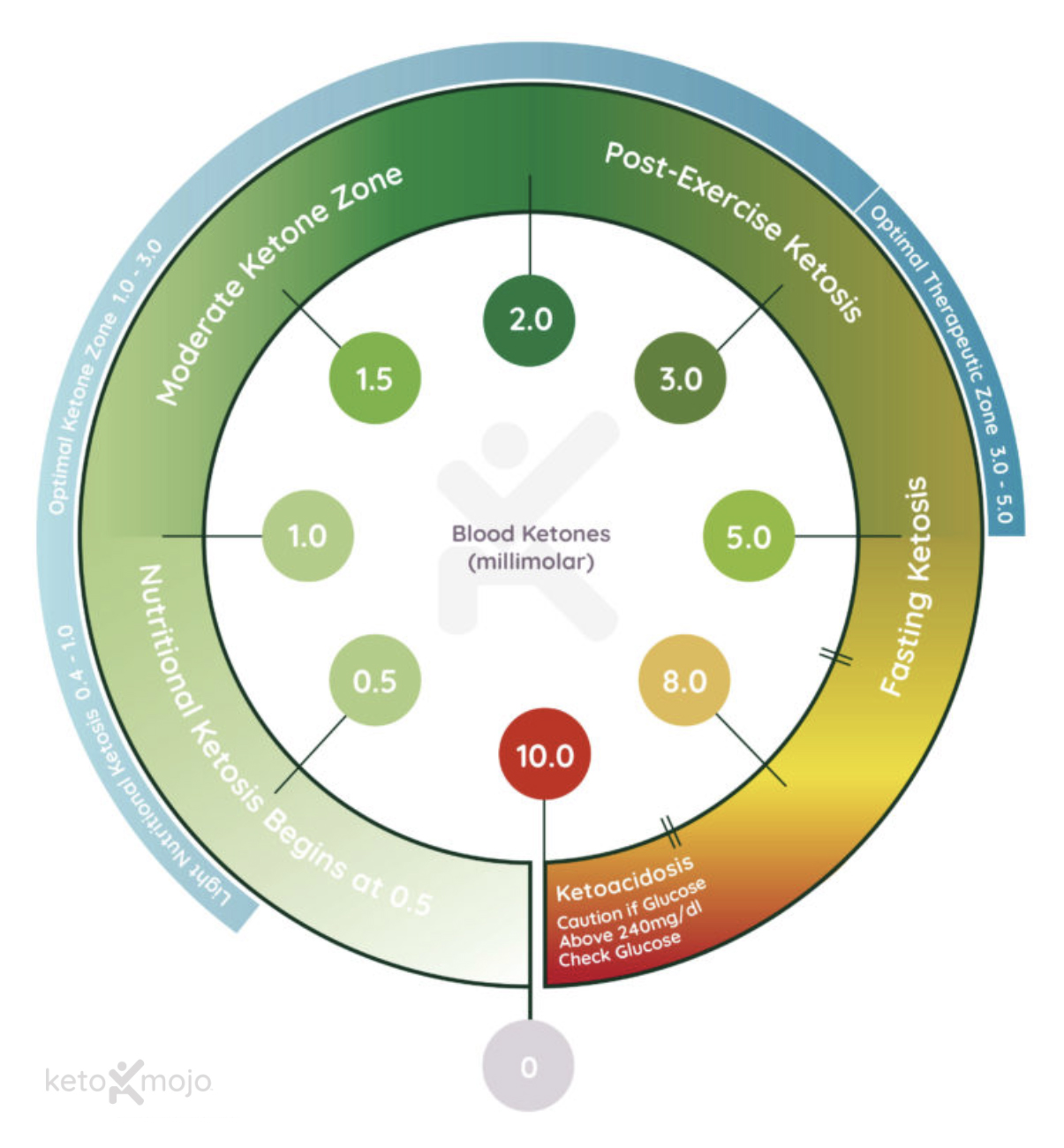
In your chart, you’ll want to identify the target ketone levels that indicate you’re in ketosis. Generally, a level between 0.5 to 3.0 mmol/L is considered optimal for weight loss. Knowing these ranges will help you interpret your results and adjust your dietary intake accordingly.
Layout of the Ketone Levels Chart
The layout of your Ketone Levels Chart is designed to make tracking straightforward and efficient. Here are the main sections you’ll typically find:
- Date: Record the date of each measurement. This helps you see trends over time.
- Time of Day: Note the specific time you check your ketone levels. Ketone levels can fluctuate throughout the day, so consistency is key.
- Ketone Level: This is where you’ll enter the measurement, typically taken from a blood ketone meter or breathalyzer.
- Dietary Notes: Include any changes to your diet or specific meals consumed that day, as these can affect your ketone levels.
- Physical Activity: Document any exercise or activity that could influence your metabolism and, consequently, your ketone production.
How to Fill in Your Chart
Filling in your chart is easy once you have your testing method down. If you’re using a blood ketone meter, ensure you have test strips on hand, and follow the instructions for obtaining a sample. For breath analyzers, follow the manufacturer’s guidelines for accuracy.
When you take your measurement, jot it down in the respective section. It’s advisable to take readings at the same time each day—many find it helpful to check in the morning, before eating. This consistency can help you better understand how your body responds to different foods and activities.
Using Your Chart for Weight Loss Progress
One of the primary benefits of using a Ketone Levels Chart is its ability to provide visual feedback on your progress. Over time, you should be able to see patterns that indicate whether you’re consistently reaching your desired ketone levels. If you notice fluctuations, use the dietary and physical activity notes to pinpoint potential causes.
Additionally, if your ketone levels are lower than expected, you might need to adjust your carbohydrate intake or increase your fat consumption. Conversely, if your levels are consistently high, it may be beneficial to ensure you’re not overdoing it on fats, as this can lead to unwanted weight gain.
Printable Options for Your Chart
When it comes to the format of your Ketone Levels Chart, having a printable version is incredibly useful. You can print multiple copies to keep on hand for daily tracking. Consider using cardstock for durability, especially if you plan to keep your chart in the kitchen or near your workout space.
If you prefer digital tracking, you can also create a digital version of your chart using spreadsheets or a dedicated app. Just make sure it includes the same key sections for consistency.
Additional Resources to Support Your Journey
Incorporating other resources alongside your Ketone Levels Chart can enhance your weight loss efforts. Consider using meal planners, workout logs, or even a hydration tracker to support your overall health.
- Meal Planners: Plan out your meals each week to ensure you’re hitting your macronutrient goals.
- Workout Logs: Keep track of your physical activities to see how they correlate with your ketone levels.
- Hydration Trackers: Staying hydrated is crucial on a ketogenic diet; a simple chart can help you monitor your water intake.
Each of these resources can be printed or downloaded, making them easy to integrate into your daily routine.
The Ketone Levels Chart For Weight Loss serves as a simple yet powerful tool in your weight loss journey. By understanding how to fill it out and interpret the data, you can better navigate your dietary choices and physical activities. Whether you choose to print it out or go digital, this chart can help you stay motivated and on track.
