Knowing where you stand in terms of height and weight can be incredibly useful for monitoring health and wellness. A Normal Weight And Height Chart is a simple yet effective tool that helps you understand whether you or your child falls within a healthy range. This chart can serve various purposes, from planning fitness goals to ensuring your child’s growth is on track. In this article, we’ll explore how to use this chart effectively, who it’s best suited for, and how to incorporate it into your daily routine.
Understanding the Normal Weight And Height Chart
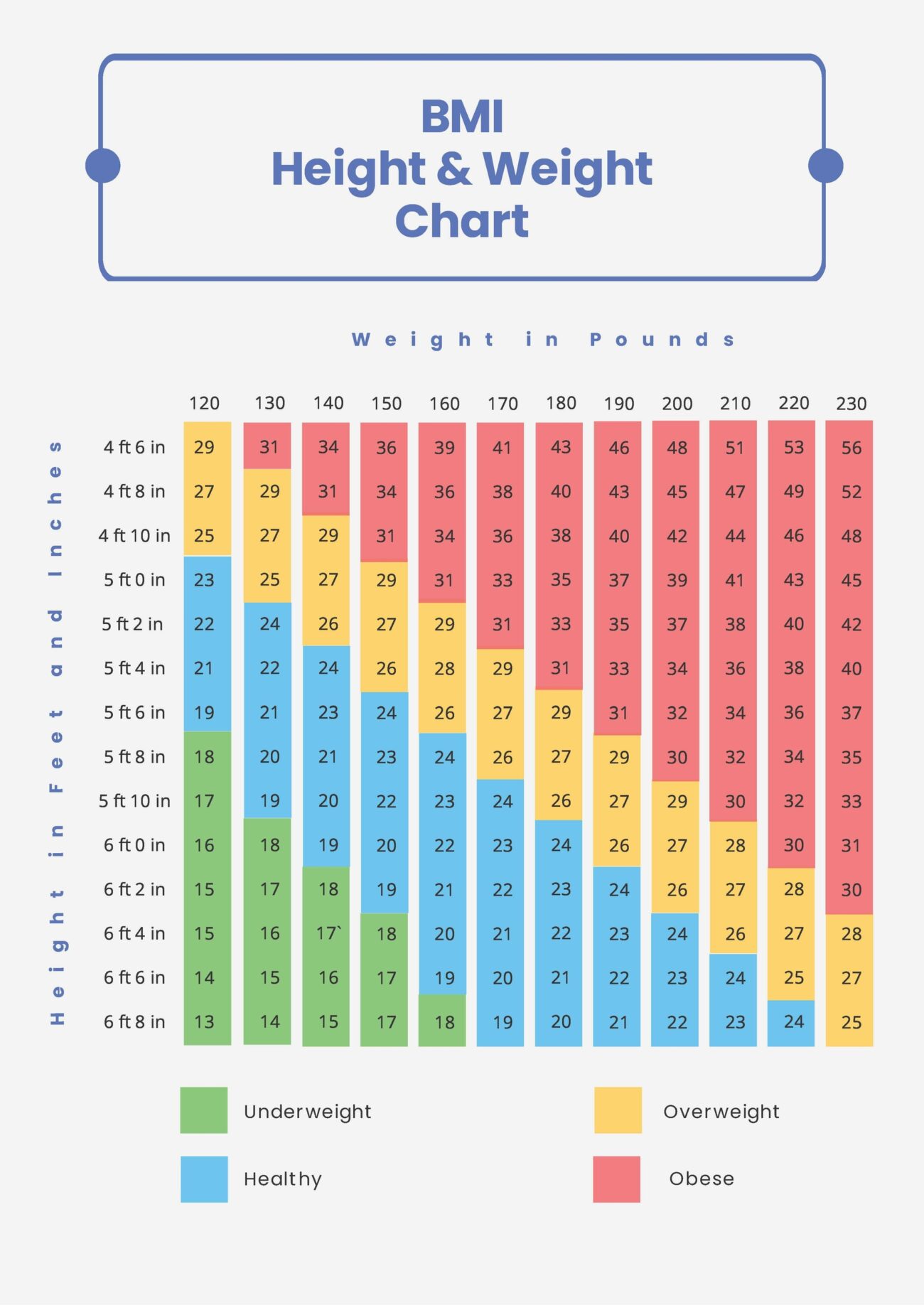
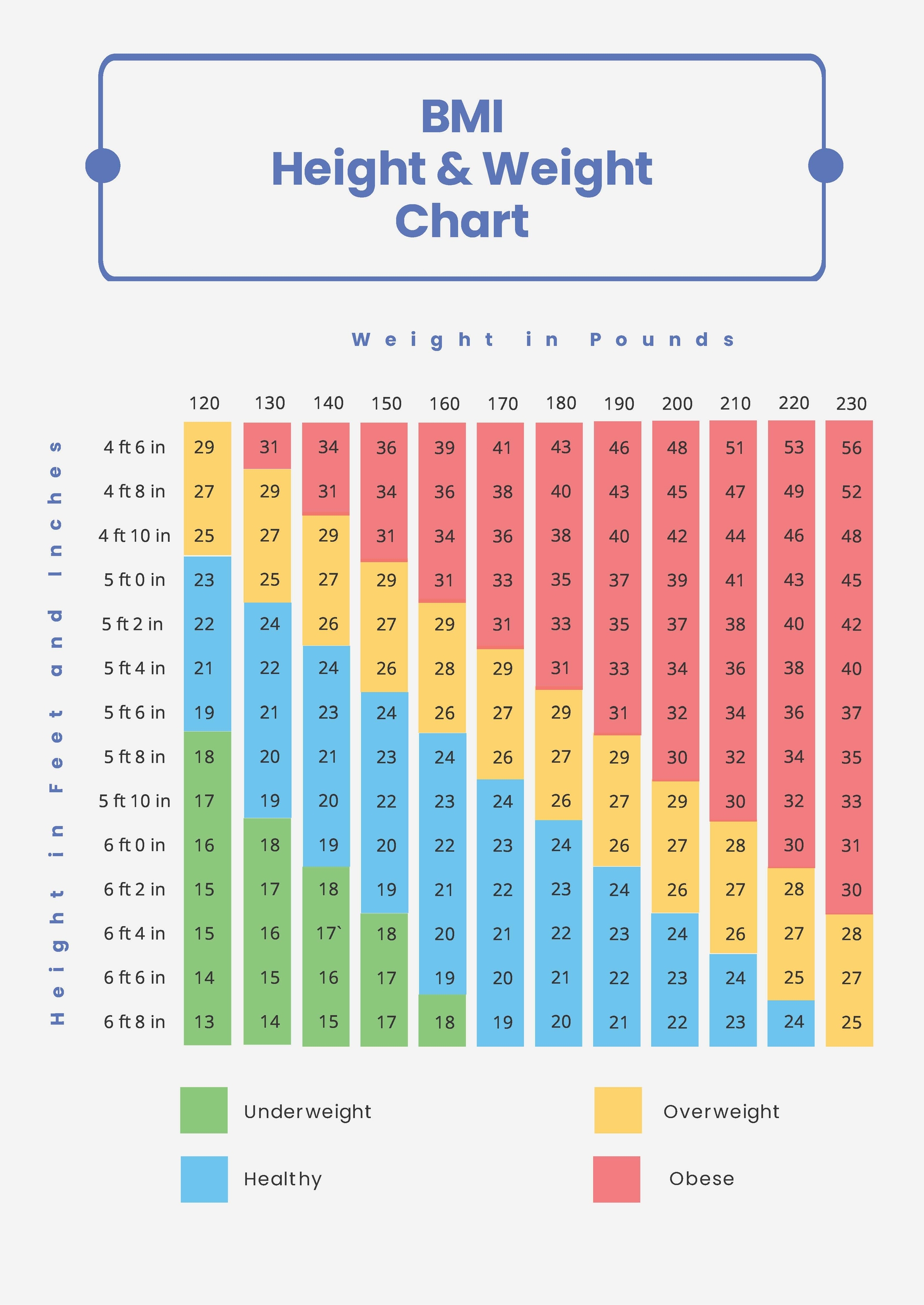
A Normal Weight And Height Chart is a graphical representation of the relationship between weight and height across different age groups and genders. Typically, these charts include various percentile lines that show where an individual stands in relation to others in the same demographic. For example, if a child’s height and weight fall in the 50th percentile, they are considered average for their age and sex.
How to Read the Chart
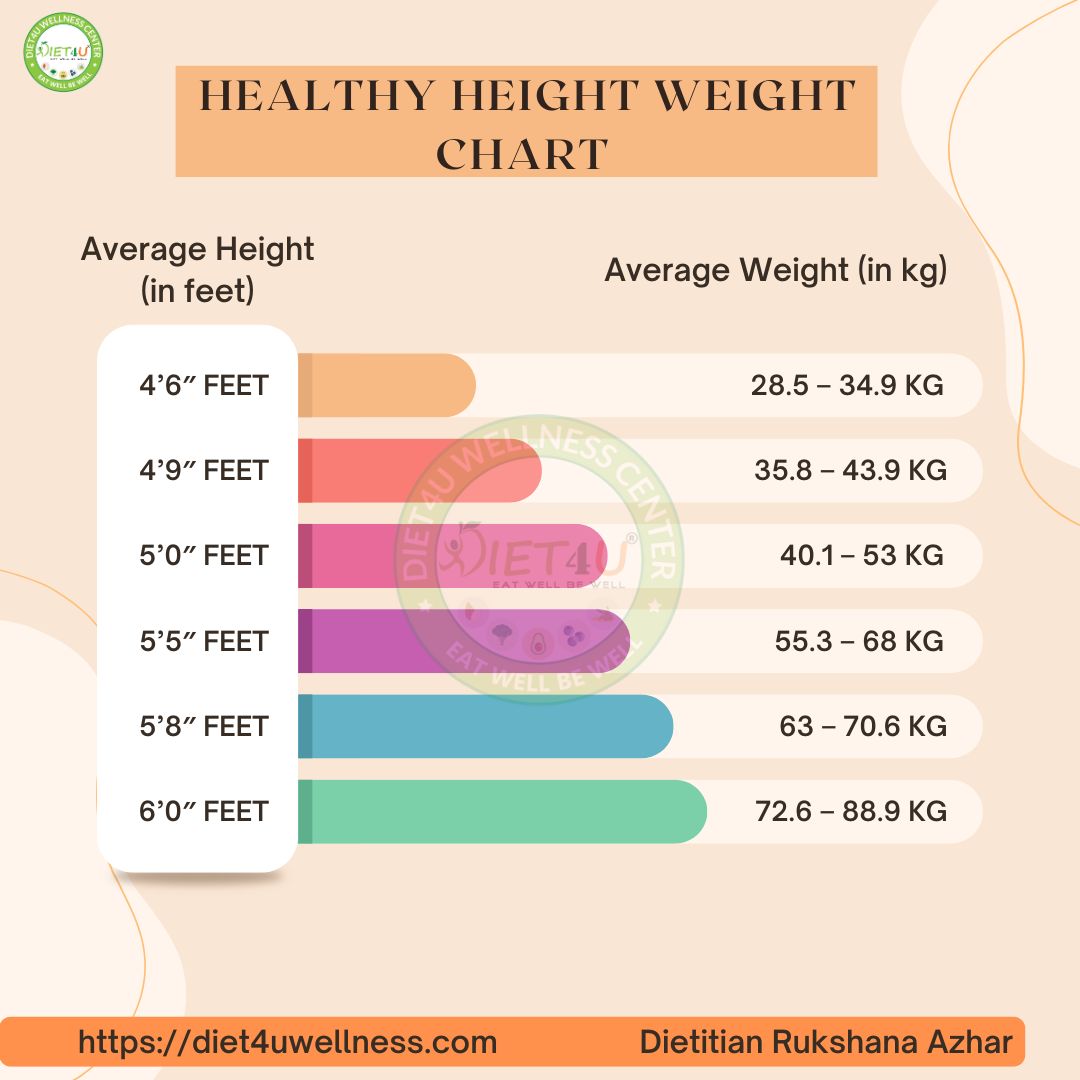
Reading a Normal Weight And Height Chart is straightforward. You’ll find height listed on one axis and weight on the other. Here’s a quick guide to help you interpret the data:
- Locate the age or age group on the chart.
- Find the corresponding height.
- Move horizontally to see the weight range associated with that height.
- Check the percentile lines to see where the individual stands.
For example, if your 10-year-old is 54 inches tall, you’ll check the weight range for that height and see if they fall within the recommended percentiles.
Who Can Benefit From Using the Chart?
The Normal Weight And Height Chart is beneficial for various groups:
- Parents: Monitoring a child’s growth is essential for ensuring they are developing healthily. This chart allows parents to track their child’s growth over time.
- Health Professionals: Pediatricians and nutritionists often use these charts to assess children during wellness visits.
- Fitness Enthusiasts: If you’re an adult looking to maintain a healthy weight, this chart can help you set realistic goals based on your height.
- Educators: Teachers and school health staff can use this chart to promote healthy habits among students.
Printable Vs. Digital Chart
You might wonder whether to print the chart or use a digital version. Here’s a breakdown of the pros and cons:
- Printable Chart:
- Easy to fill in by hand.
- Can be posted on a fridge or wall for quick reference.
- Suitable for tracking over time with physical notes.
- Digital Chart:
- Often comes in fillable PDF format.
- Can be accessed from anywhere on your device.
- Easy to share with healthcare providers for consultations.
Choose what works best for your lifestyle. If you prefer a tangible resource, print it out. If you’re tech-savvy, a digital version might be the way to go.
Incorporating the Chart Into Your Routine
Using the Normal Weight And Height Chart effectively means integrating it into your regular health assessments. Here are some practical tips:
- Set Regular Check-Ins: Make it a habit to check your or your child’s height and weight every few months. This can be aligned with yearly check-ups or at the start of each school year.
- Record Changes: Use the chart to note any changes in height and weight. This helps visualize growth trends over time.
- Consult with Professionals: If you notice significant deviations from the normal range, consult a healthcare provider for personalized advice.
- Set Goals: If you’re using the chart for fitness purposes, set specific weight goals based on the data. This can help tailor your diet and exercise plan.
Adapting the Chart for Different Needs
Depending on your situation, you might need to adapt the Normal Weight And Height Chart. For example, if you’re tracking an athlete’s growth, you may want to focus on different weight ranges that account for muscle mass. Similarly, for children with specific health conditions, your healthcare provider may suggest tailored growth charts.
Where to Download the Chart
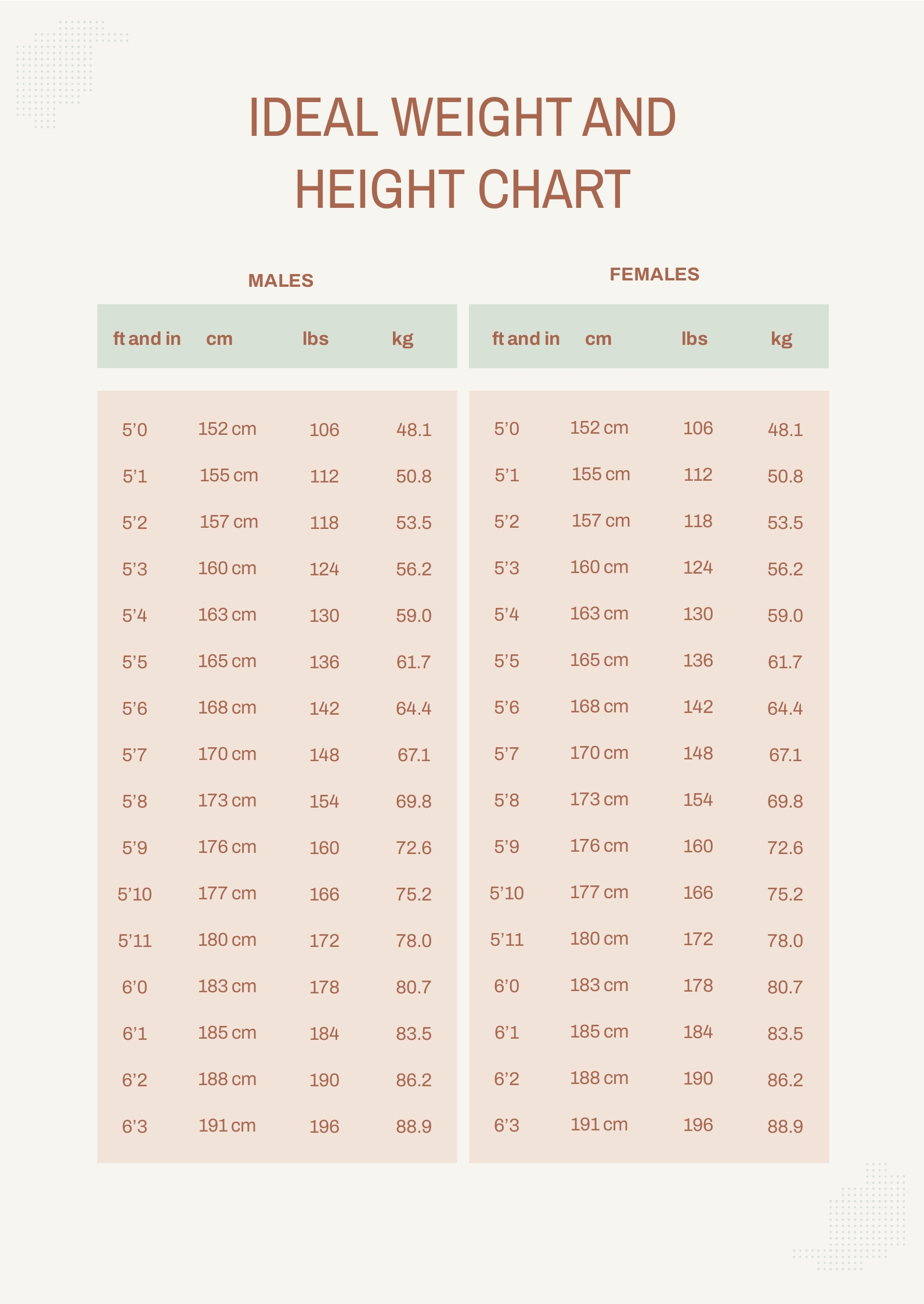
Finding a reliable Normal Weight And Height Chart is essential. Many printable-resource websites offer these charts for free or at a nominal cost. Look for:
- Versions that are easy to print on standard letter-sized paper (8.5 x 11 inches).
- Fillable PDF options that allow you to enter values directly on your device.
- Charts that are updated to reflect the most recent health guidelines.
Once you find a chart that fits your needs, download it and print it out. Keep it in a handy location to make checking progress easier.
Next Steps After Downloading
Once you have your Normal Weight And Height Chart ready, take a moment to familiarize yourself with the layout. Whether you’re filling it in digitally or by hand, ensure you have a reliable measuring tape and scale. Measure height without shoes, and weigh yourself or your child in light clothing for accuracy.
Tracking growth is an ongoing process, so make it a fun activity! Encourage your child to join in by marking their height on the wall or making a game out of checking their weight. This approach fosters a positive attitude towards health and wellness.
Using a Normal Weight And Height Chart is a practical way to keep track of health metrics, ensuring that you or your child stay within a healthy range. With consistent monitoring and engagement, you can set meaningful health goals and celebrate progress over time.
